Palace Abdellia: A Hafsid Palace and Beylical Residence in Tunisia
Site at a Glance
- Rating
- 4
- Popularity
- Very Low
- Country
- Tunisia
- Primary era
- Early Modern
- Eras represented
- Early Modern
- Civilizations
- Hafsid
- Site type
- Domestic
- Remains
- Palace
On this page5 sections
History
Hafsid Foundation
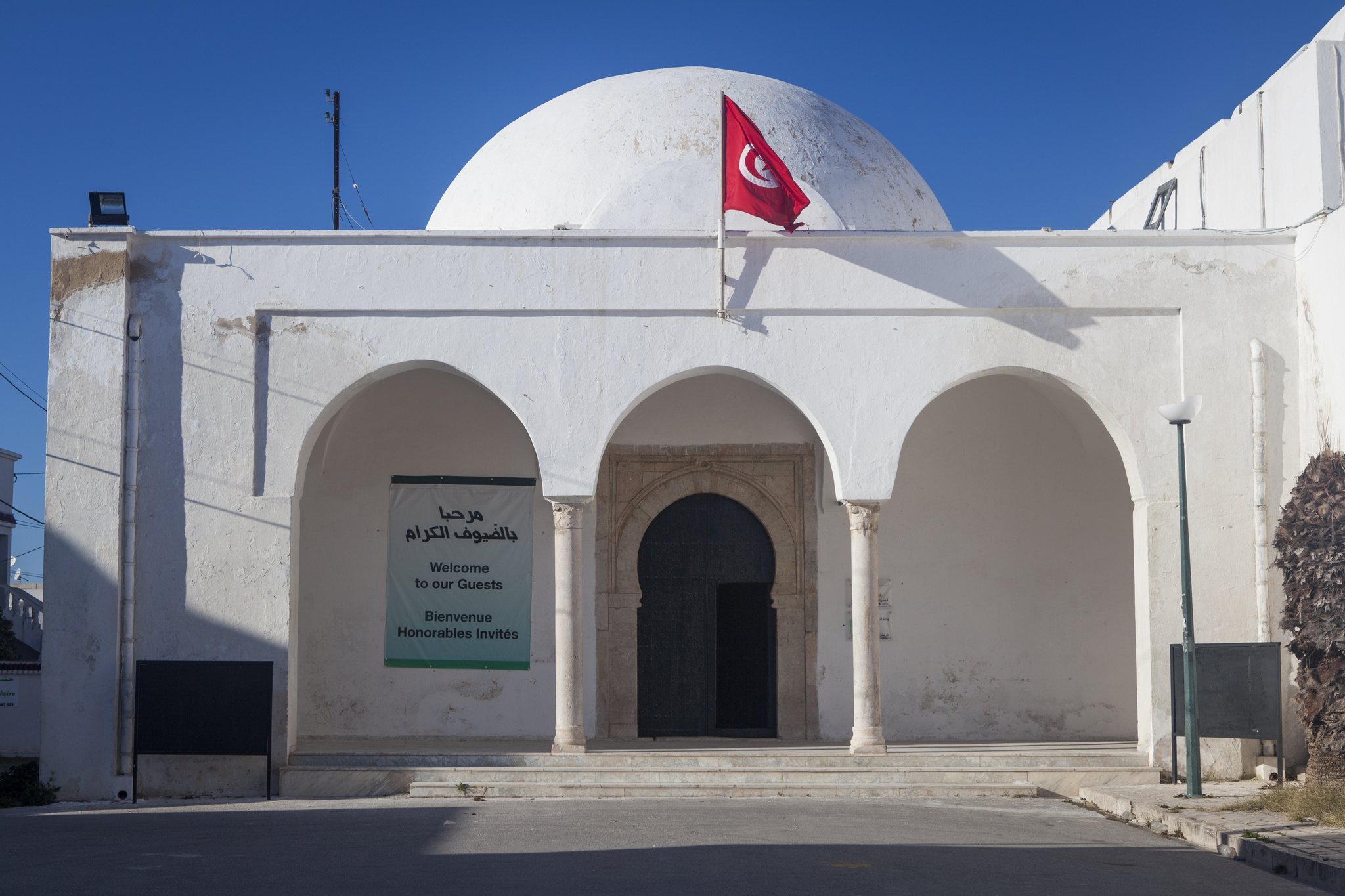
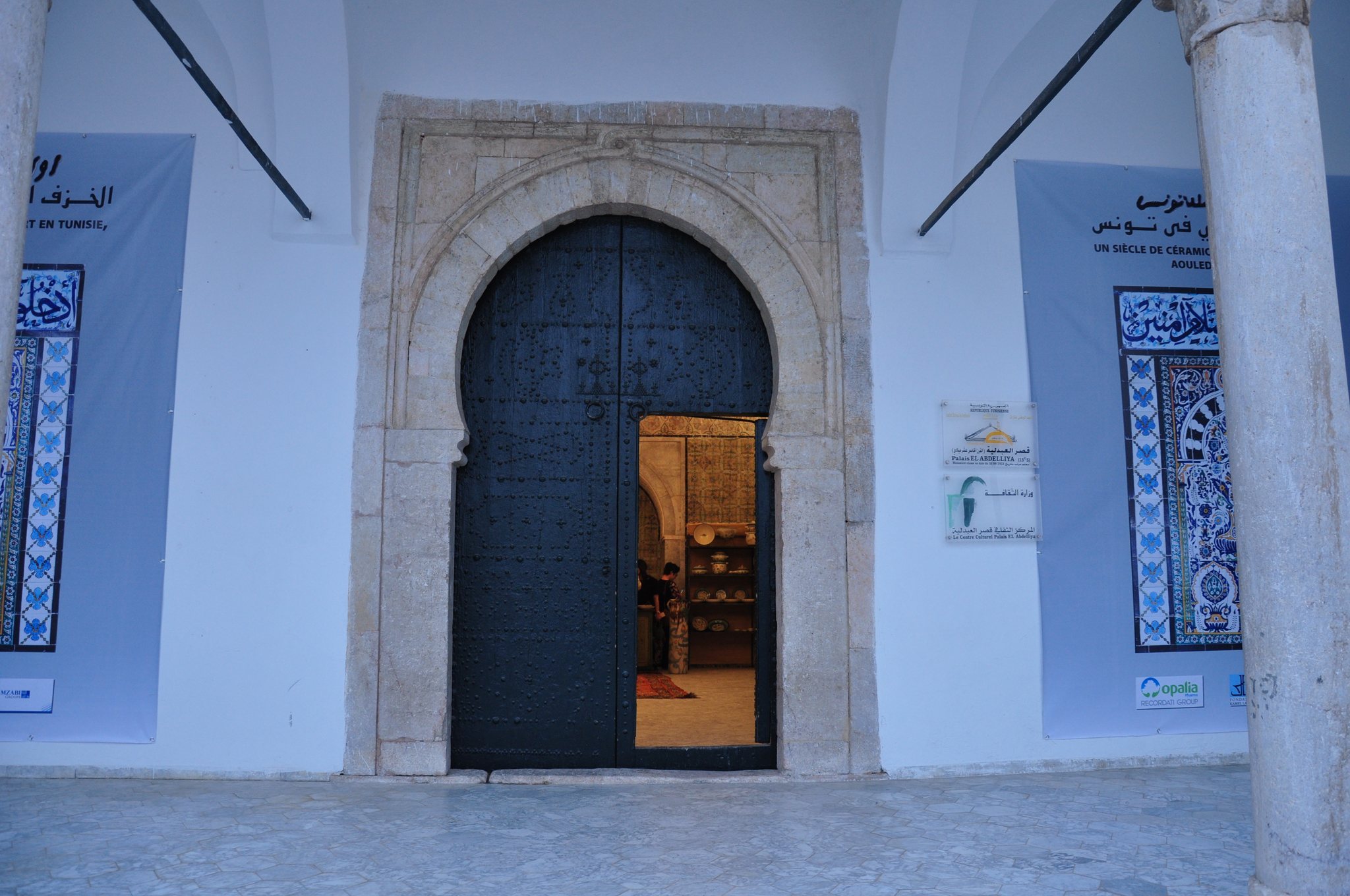
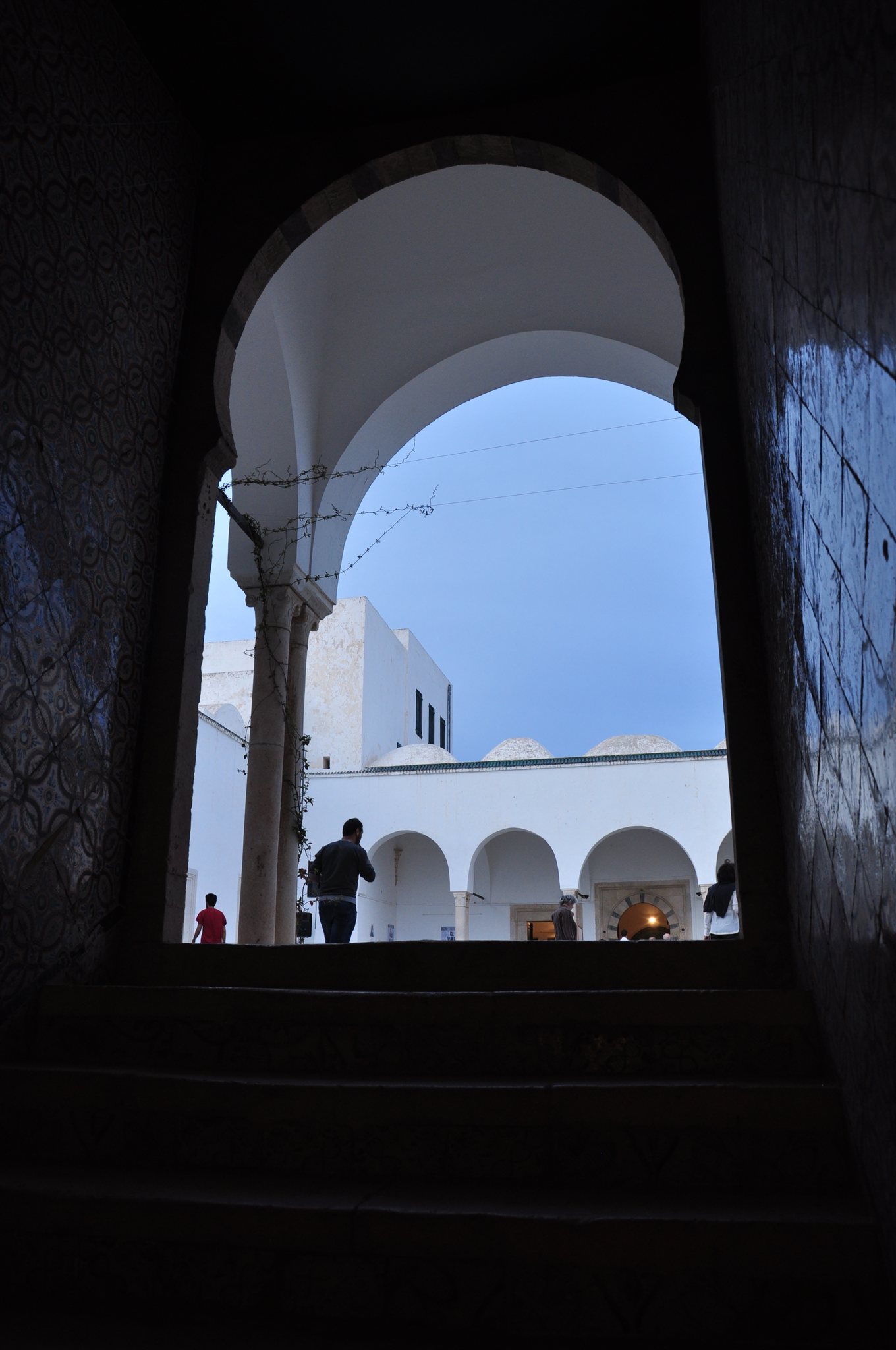
Palace Abdellia is a historic palace in La Marsa, Tunisia, built in 1500 by Abu Abdallah Muhammad IV al-Mutawakkil, a ruler of the Hafsid dynasty that governed Ifriqiya, a medieval region centered on present-day Tunisia. It occupies the site of La Marsa’s old port, a strategically important position that shaped its later use.
Residence of the Beys
During the seventeenth and eighteenth centuries, the palace served as a fortified summer residence for the Muradid and Husainid beys. The Muradids and Husainids were successive ruling dynasties of Tunisia, while bey was the title used by the country’s ruling sovereigns. The palace also provided a refuge during periods of external threat.
Mahmud Bey, also known as Mahmud ibn Muhammad, inhabited the palace during his rule from 1814 to 1824. His son, Al-Husayn II ibn Mahmud, was also associated with the residence.
Nineteenth-Century Use and Protection
Under Mustafa Bey and Ahmad Bey, whose period of rule extended from 1835 to 1855, Palace Abdellia became a summer residence for the British consuls Thomas Reade and Richard Wood. Mahmud Bey recovered the palace in the middle of the nineteenth century.
Palace Abdellia has been classified as an archaeological monument since 1923, preserving recognition of its historical importance at the former port of La Marsa.
Remains
Palace Abdellia stands in La Marsa, in the northern suburbs of Tunis, on the site of the former port. Its position at this historic harbor site forms the principal surviving physical context described for the palace and connects the building to the strategic setting that influenced its use as a fortified residence and refuge.