Shimaizumi Maruyama Kofun: A Fifth-Century Burial Mound in Japan
Site at a Glance
- Rating
- 3.8
- Popularity
- Very Low
- Country
- Japan
- Primary era
- Classical
- External website
- Open
- Eras represented
- Classical
- Civilizations
- Yamato
- Site type
- Burial
- Remains
- Burial Mound
On this page8 sections
History
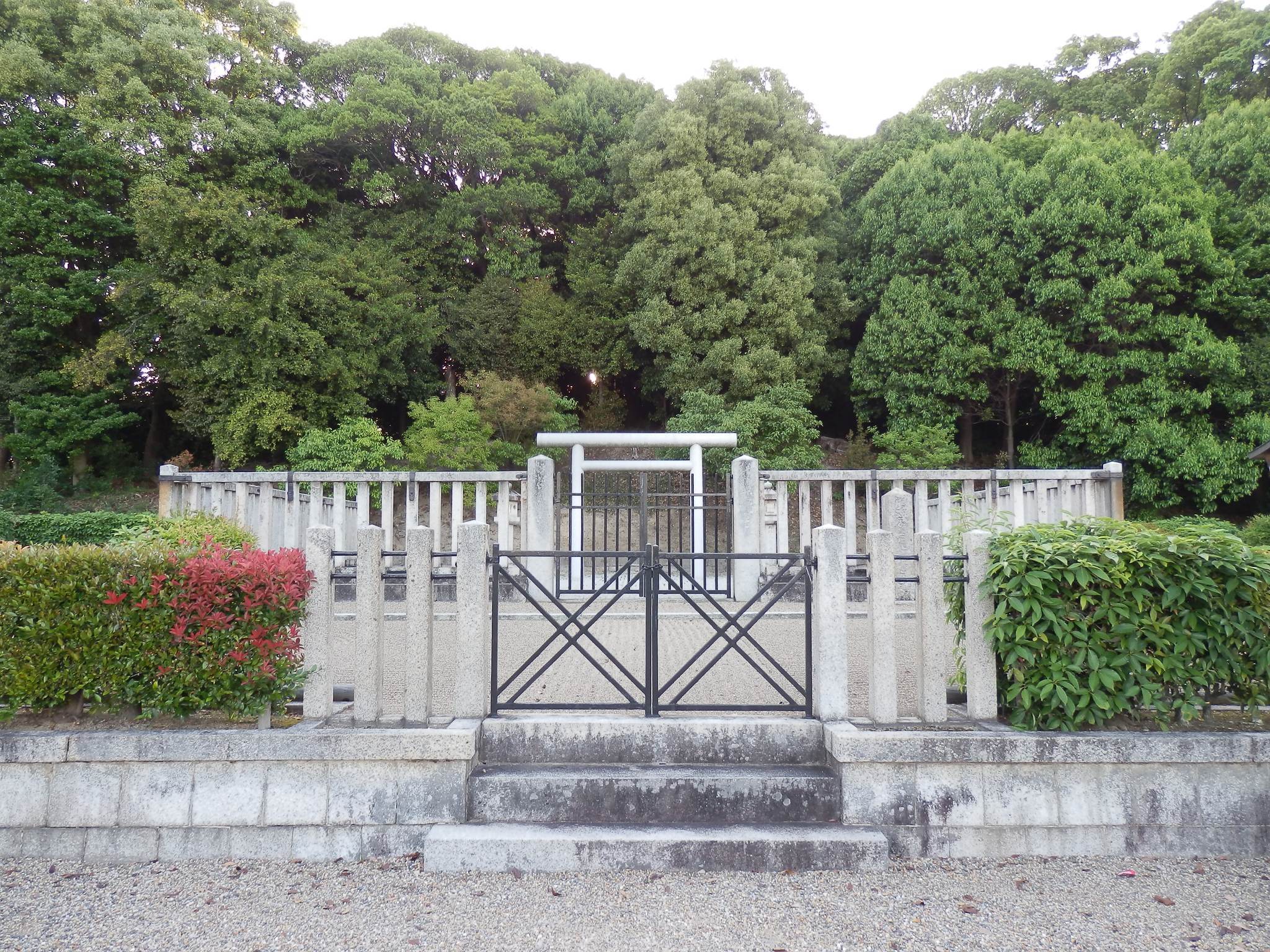
Shimaizumi Maruyama Kofun is a burial mound in Japan, in Habikino, Osaka, built by the society of the middle Kofun period during the latter half of the fifth century. A kofun is an ancient Japanese burial mound, and the site forms part of the Furuichi Kofun Group, a major cluster of burial mounds in southern Osaka. The person buried at Maruyama Kofun is unknown, although the Imperial Household Agency designates it, together with the nearby Shimaizumi Hiratsuka Kofun, as the mausoleum of Emperor Yuryaku under the name Tajihi no Takawashi no Hara Mausoleum.
Traditional identification with Emperor Yuryaku
The identification with Emperor Yuryaku is not certain. Maruyama Kofun differs in location, form, and size from the principal royal tombs in the Furuichi Kofun Group, and some interpretations place Yuryaku’s actual tomb elsewhere. The identification is partly linked to the historical place-name Takawashihara in the former Tajihi District. If the association were correct, the mound might reflect a change in royal burial practice, possibly involving influence from the Southern Dynasties of China and the use of a large circular mound with a side-entered stone burial chamber. That interpretation remains hypothetical.
Japanese historical texts name Tajihi no Takawashi no Hara as Emperor Yuryaku’s burial place. The Kojiki and Nihon Shoki preserve traditions that Emperor Yuryaku’s tomb was later threatened with destruction by Emperor Kenzō, while Emperor Ninken limited or prevented the damage. The Nihon Shoki also tells of a Hayato retainer who died after mourning beside the tomb for seven days. According to the tradition, his grave was made to the north, a story later connected with the nearby Hayatozuka Kofun.
Early modern designation and modern management
Maruyama Kofun and Hiratsuka Kofun were historically treated as separate features. Hiratsuka Kofun was incorporated into the designated mausoleum precinct in 1864. In 1885, earth was placed between the two mounds and the combined area was reshaped as a keyhole-shaped tomb, a form consisting of a circular mound joined to a projecting square section. In 1890, a worship area near Maruyama Kofun was moved toward the Hiratsuka Kofun side.
The association with Emperor Yuryaku appears in early modern records, beginning with the 1679 Kawachi Famous Places Record. It was repeated in documents from 1690 onward, the 1696 Record of Former Imperial Mausoleums, a 1698 record concerning boundary walls around imperial mausoleums, the 1801 Illustrated Guide to Famous Places of Kawachi, and an 1808 study of imperial mausoleums.
The Imperial Household Agency, the Japanese government institution responsible for the Imperial Household and designated imperial mausoleums, manages the mound as an imperial mausoleum. Archaeological work has consequently been limited to investigations connected with maintenance and construction. Work on the outer embankment and revetment took place in 1974, investigations related to rebuilding a guard station occurred in fiscal year 1998, and monitoring accompanied work on outer fencing and related facilities in fiscal year 2010. Results from these investigations were published in 1976, 2000, and 2012 respectively.
The nearby Kawachi Otsukayama Kofun was once considered a strong candidate for Emperor Yuryaku’s tomb. That identification has generally been rejected because the mound is now usually dated to the later Kofun period.
Remains
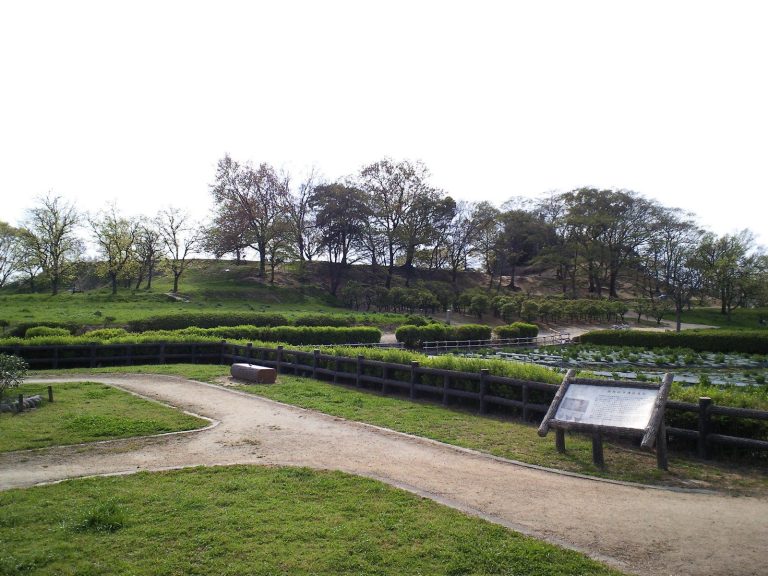
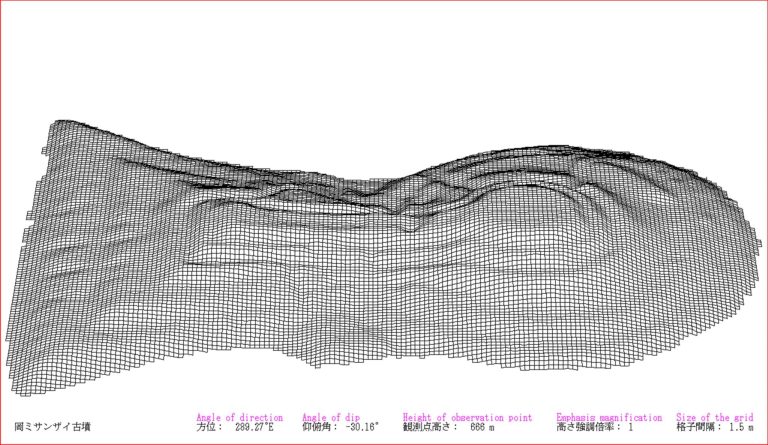
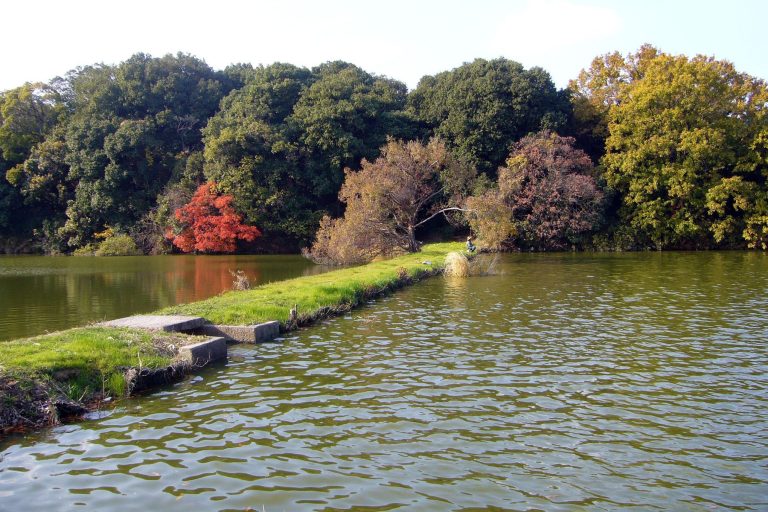
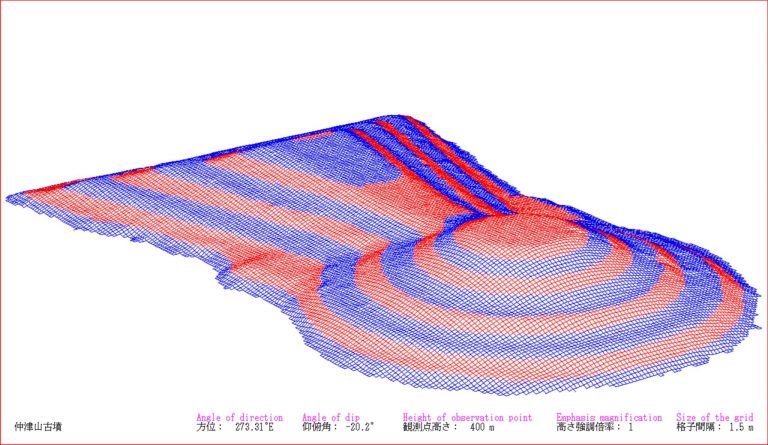
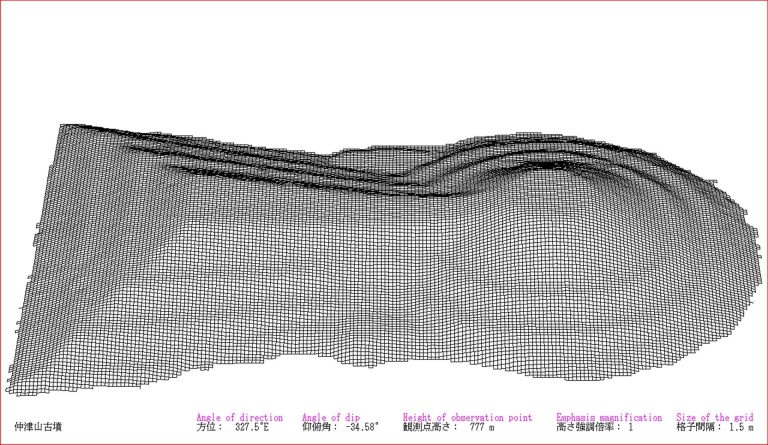
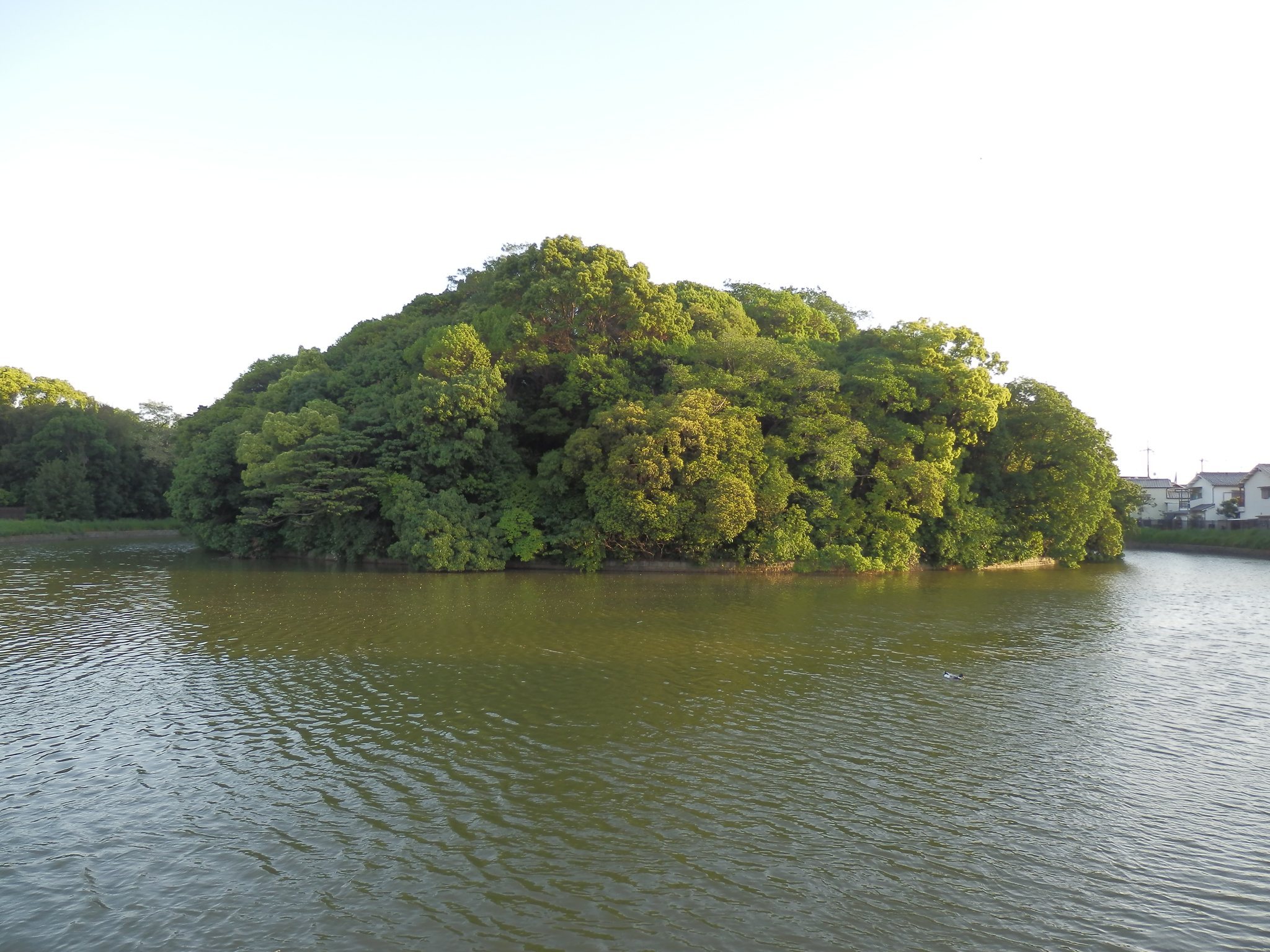
Shimaizumi Maruyama Kofun occupies a middle terrace extending from the northern end of the Habikino Hills, in the northwestern part of the Furuichi Kofun Group. The principal mound is circular, about 75 meters in diameter and 8 meters high, and was built in two tiers. A surrounding moat, now called Maruyama Pond, encircles it. Its southern section has a regular circular outline resulting from later mausoleum landscaping, while the northern section is irregular and has been enlarged.
The principal mound
Maruyama Kofun is the largest circular mound in the Furuichi Kofun Group and is among Japan’s largest circular burial mounds. Its burial facility and grave goods have not been identified. Maintenance-related investigations recovered fragments of haniwa, clay objects placed on or around burial mounds, together with Sue ware, a high-fired stoneware, and Haji ware, a lower-fired unglazed pottery. The haniwa evidence supports construction in the latter half of the fifth century.
Associated mounds
Shimaizumi Hiratsuka Kofun
Shimaizumi Hiratsuka Kofun, also called Takawashi Hiratsuka Kofun, lies about 100 meters east-southeast of Maruyama Kofun. It is regarded as a square mound measuring approximately 50 meters on each side and 8 meters high, with either two or three tiers. Its burial facility is unknown. A trench investigation carried out in fiscal year 2010 produced no confirmed archaeological feature or artifact establishing that it is a burial mound, so its classification as a kofun remains questioned.
Hayatozuka Kofun
The mound north of Maruyama Kofun is officially designated Detached Enclosure I and is commonly called Hayatozuka Kofun, or the Hayato Tomb. It is regarded as a square mound approximately 20 meters on each side. Its archaeological features, artifacts, and construction date are unknown, and its status as a satellite mound associated with Maruyama Kofun remains unconfirmed.
The Hayato tradition was already associated with the mound during the Edo period. In 1730, the Edo-period scholar Namikawa Seisho erected a commemorative stone there. The mound was formerly also called Haitozuka and continues to receive local veneration as a deity associated with toothache.