Kawachi Ōtsukayama Kofun: A Yamato Kingship Burial Mound in Japan

Site at a Glance
- Rating
- 4.1
- Popularity
- Very Low
- Country
- Japan
- Primary era
- Medieval
- External website
- Open
- Eras represented
- Medieval
- Civilizations
- Yamato
- Site type
- Burial
- Remains
- Burial Mound
On this page6 sections
History
Kawachi Ōtsukayama Kofun is a late-sixth-century Japanese kofun in Matsubara, Osaka, constructed under the Yamato kingship as a burial mound for a ruler. A kofun is a monumental burial mound built for members of Japan’s ruling elite between the third and seventh centuries. The tomb is regarded as the last large keyhole-shaped mound of the Furuichi Kofun Cluster, although its occupant and precise historical circumstances remain uncertain.
Construction and royal associations
The tomb was built during the latter half of the sixth century, when the Yamato kingship was the early Japanese ruling authority associated with the political center in the Kinai region. Its large scale suggests a connection with that ruling order. Kawachi Ōtsukayama lies at the western edge of the Furuichi area, approximately midway between the Furuichi and Mozu Kofun Clusters. It is sometimes associated with Furuichi, but its outlying position has led to its exclusion from the listed components of the two clusters’ World Cultural Heritage property.
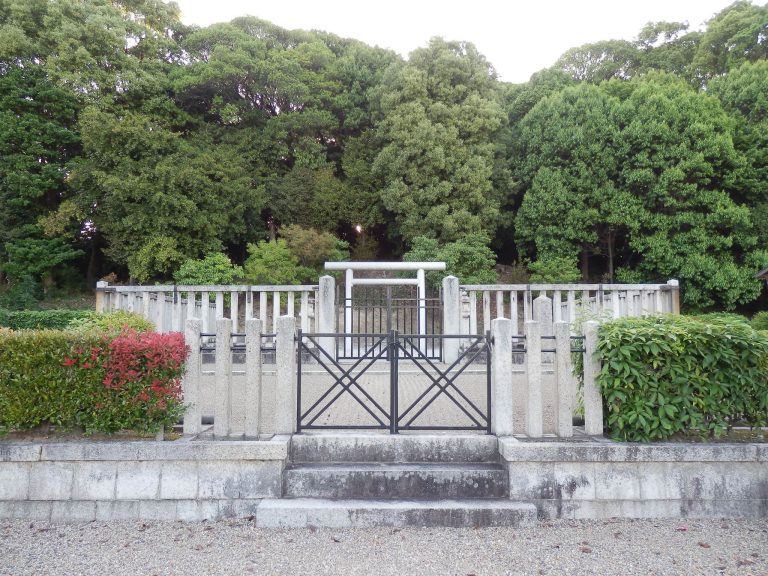
The tomb is traditionally linked to Emperor Yuryaku, a ruler conventionally placed in the fifth century. The Imperial Household Agency identifies it as the Ōtsuka Mausoleum Reference Site and proposes Yuryaku as its occupant, but the burial has not been established through academic archaeological excavation. Other interpretations identify it as the tomb of Emperor Ankan, suggest that Emperor Bidatsu was reburied there from the Shionaga Mausoleum, or propose that it was begun for Emperor Kinmei and abandoned after another mausoleum was established in the Yamato Basin. A local tradition also names Yuryaku as the person buried there.
Debate over completion and later management
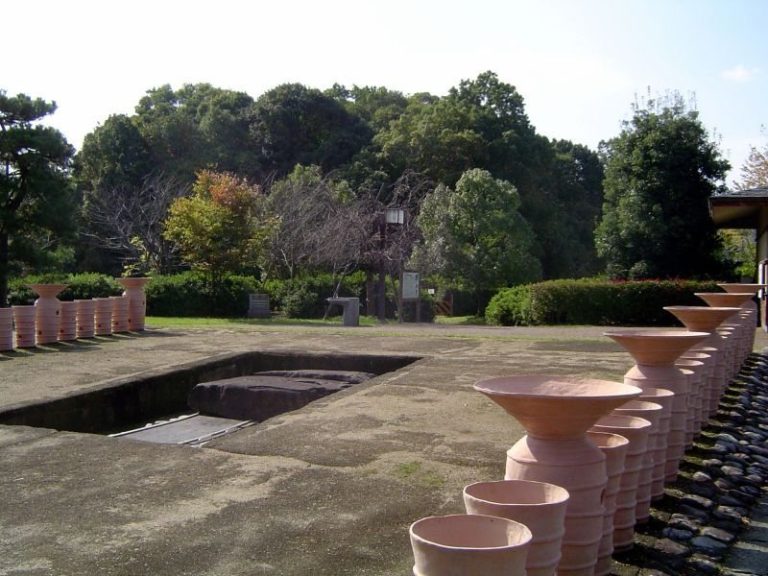
The mound’s low embankment, shallow moat, and the treatment of haniwa have prompted debate over whether the tomb was completed. Haniwa are clay figures and cylinders placed on or around burial mounds. One interpretation connects the tomb’s unfinished appearance with Emperor Ankan’s short four-year reign and the tradition that he was assassinated in the so-called Incident of the Xin-hai Year. Other researchers regard the same features as characteristic of a late-sixth-century tomb type related to Mise-Maruyama Kofun and reject the unfinished-tomb theory.
People lived on the mound and maintained a village there until the Taishō period. After the site became a mausoleum reference site in 1925, residents were forcibly removed. Entry into the mausoleum area was prohibited from 1932, and the Imperial Household Agency has managed the site since that time.
Remains
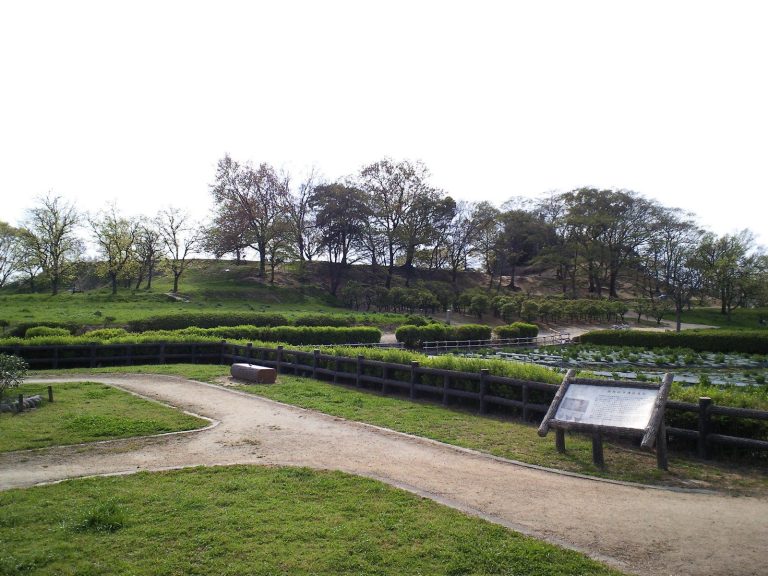
Kawachi Ōtsukayama Kofun occupies land in Nishiōtsuka, Matsubara, and Minami-Egashō, Habikino. The surviving monument consists of a large keyhole-shaped mound surrounded by a moat. Its angular front and rounded rear form belong to a late type of keyhole tomb, while the mound’s dimensions and burial arrangement provide the main evidence for understanding its scale and construction.
Mound and moat
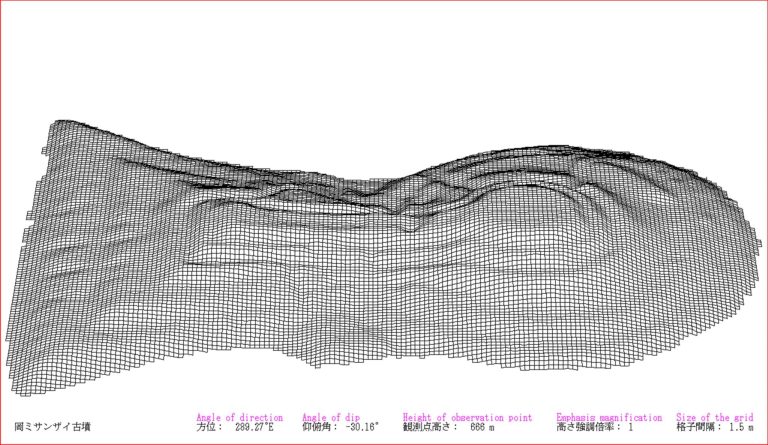
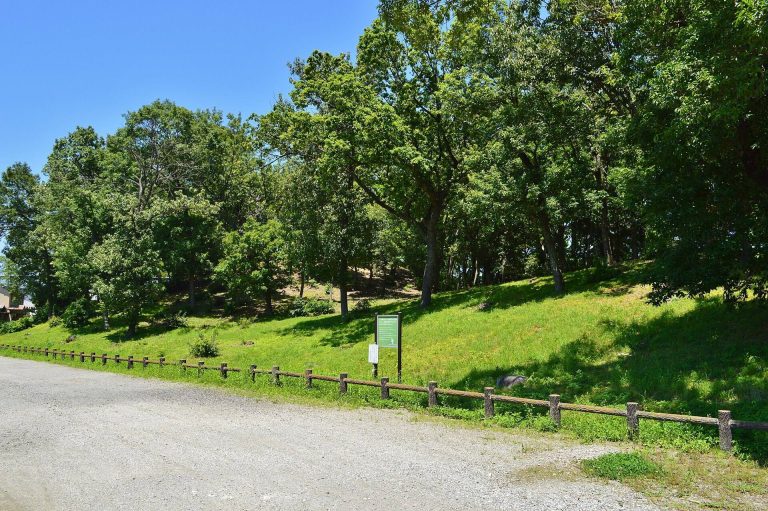
The mound measures approximately 335 metres in length and reaches about 20 metres in height. Its plan is a sword-diamond form, in which the angular front section has a central projection that extends slightly outward. This design also appears among other late keyhole tombs, including Mise-Maruyama and Toriya-Misanazai kofuns. A moat surrounds the mound. The relatively low embankment and shallow water channel are physical features central to the argument that construction may have ended before the monument was fully completed. The tomb is ranked fifth in size nationally, after the Daisenryo, Konda Gobyōyama, Kamishizumisanzai, and Tsukuriyama kofuns.
Burial chamber and finds
The burial facility is thought to have occupied the rounded rear section of the mound. Testimony from former residents who lived on the monument indicates that it was probably a horizontal stone chamber, a burial room entered through a side or front passage rather than sealed from above. Haniwa and magatama have been found in association with the tomb. Magatama are curved, comma-shaped beads used as ornaments and ritual objects. The mound’s relationship to installed haniwa remains part of the debate over its construction and late-sixth-century form.