Saltwood Castle: A Medieval Fortified Residence in Kent
Site at a Glance
- Rating
- 4.2
- Popularity
- Very Low
- Country
- United Kingdom
- Primary era
- Medieval
- External website
- Open
- Eras represented
- Medieval, Modern
- Civilizations
- English, Norman
- Site type
- Military
- Remains
- Castle
On this page8 sections
History
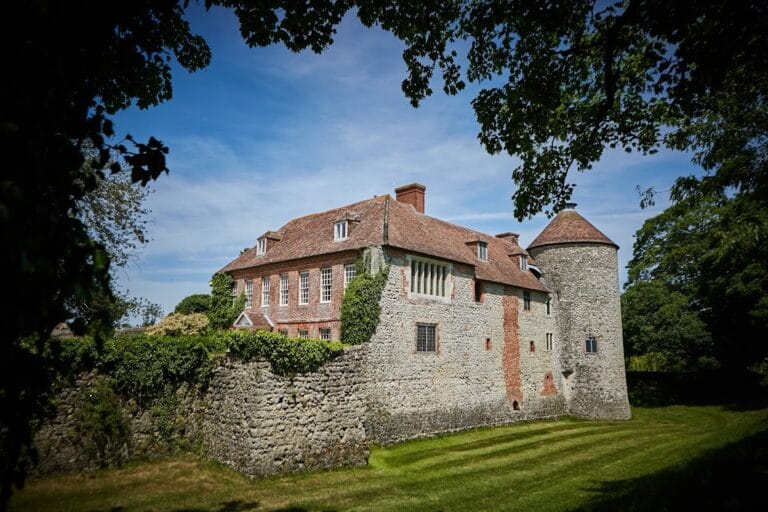
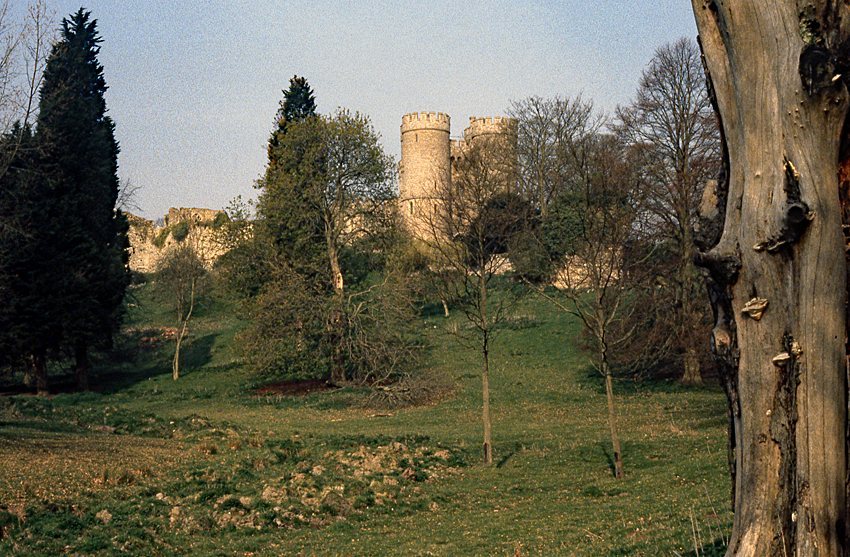
Saltwood Castle is a medieval castle in the United Kingdom, standing in Saltwood village about 2 km north of Hythe in Kent, England. A Norman castle occupied the site from the twelfth century, with building work continuing for the next two centuries. Earlier activity is suggested by a possible Roman installation and by Bronze Age tools and copper ingots found at Hayne’s Wood in 1874.
Early occupation and Norman rule
Tradition places the castle’s foundation in AD 488, when Aesc, son of Hengist and king of Kent, was said to have built a castle here. The first documentary reference is later, in a charter issued by King Egbert in 833. In 1026, a deed granted the manor of Saltwood to the priory of Christ Church in Canterbury, a religious house governed by a prior.
After the Norman Conquest, William, duke of Normandy’s takeover of England beginning in 1066, Saltwood was held by the archbishop of Canterbury. It was granted to Hugo de Montfort in return for knight service, the feudal obligation to provide military service for land. The grant formed part of a chain of substantial coastal fiefs extending from Hythe to the New Forest. An earlier structure was replaced by a Norman castle in the twelfth century, and Henry of Essex, constable of England, was for a time among its residents. The constable was a senior royal military official.
Saltwood and Thomas Becket
Saltwood became closely associated with the conflict between Thomas Becket, archbishop of Canterbury, and Henry II, king of England from 1154 to 1189. Becket sought the castle’s restoration to the Church as an ecclesiastical palace, but Henry II granted it to his baron Ranulf de Broc instead. On 28 December 1170, four knights were traditionally believed to have plotted Becket’s murder at Saltwood before killing him the following day in Canterbury Cathedral. They were Hugh de Moreville, Reginald Fitzurse, William de Tracy, and Richard le Breton.
After Becket’s murder, control of Saltwood returned to the archbishop of Canterbury. The castle was slighted after the Revolt of 1173–1174, a rebellion against Henry II, meaning that its fortifications were deliberately damaged to reduce its defensive use. During Richard I’s reign it was returned to the archbishop, and it remained archiepiscopal property, with interruptions, until 1540.
Royal control and later restoration
Thomas Cranmer, the sixteenth-century archbishop of Canterbury, was compelled to surrender Saltwood to Henry VIII. During Henry VIII’s reign, the castle and Hythe were seized by the Crown as part of the transfer of extensive church property to royal control during the English Reformation. Saltwood became uninhabitable after an earthquake on 6 April 1580. By the nineteenth century it was largely ruinous, although restoration in the 1880s and 1930s made parts of the complex habitable again for use as an archiepiscopal residence.
In the late nineteenth century, Saltwood was acquired by an ancestor of William “Bill” Deedes, who spent his childhood there. It was later sold to Sir Martin Conway, who commissioned Philip Tilden to restore it. Kenneth Clark acquired the castle during the 1950s, after which it became the home of his son Alan Clark. After Alan Clark’s death, he was buried in the castle grounds. The property remains in the Clark family and is the private home of his widow, Jane Clark. Saltwood has been a Grade I listed building since 1952, a designation for structures of exceptional national architectural or historic interest in England.
During the Second World War, Hermann Göring was said to have ordered that Hythe should not be bombed because he intended Saltwood Castle to become his headquarters after a successful German invasion of Britain.
Remains
Fortified complex and gatehouse
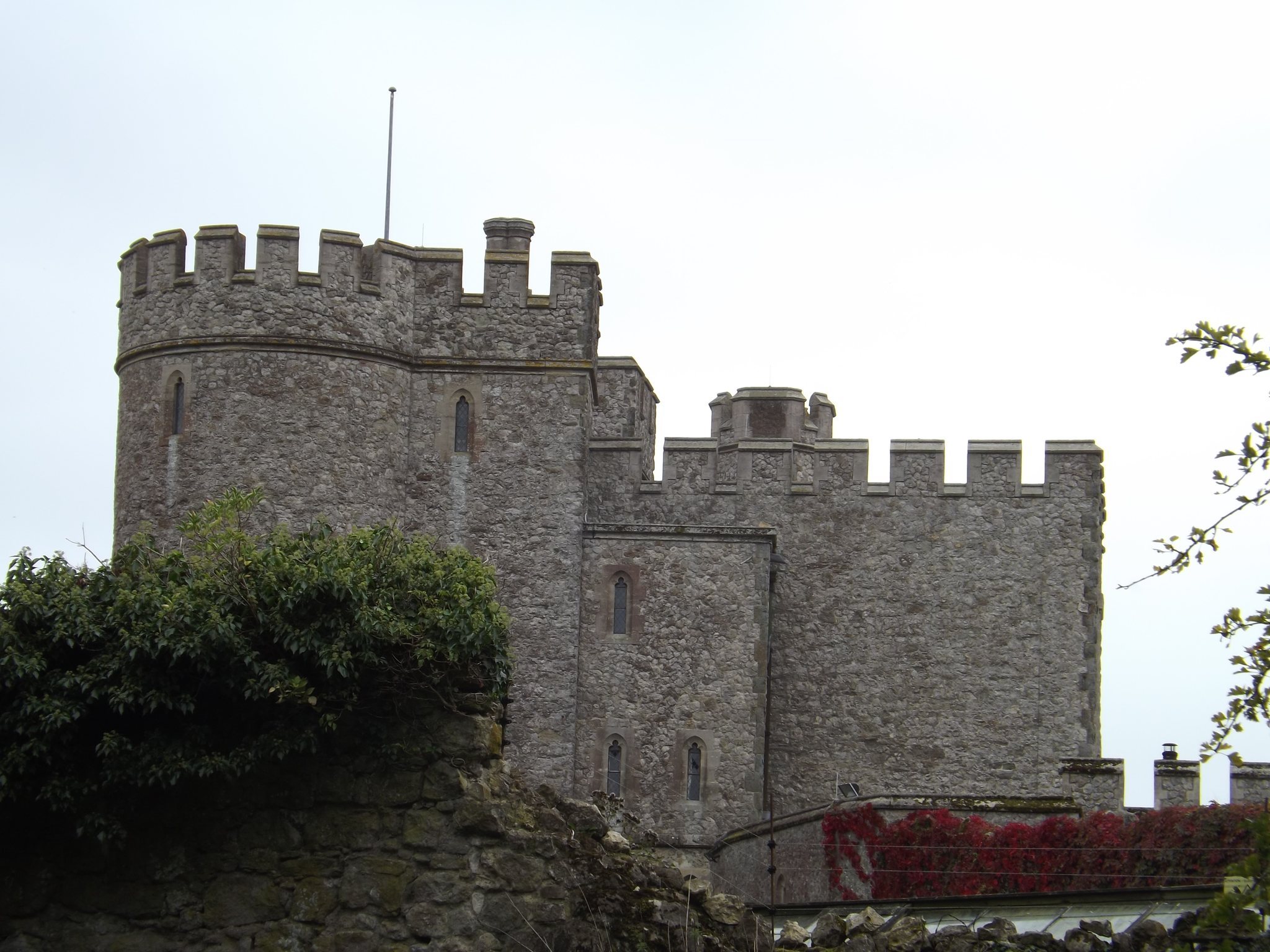
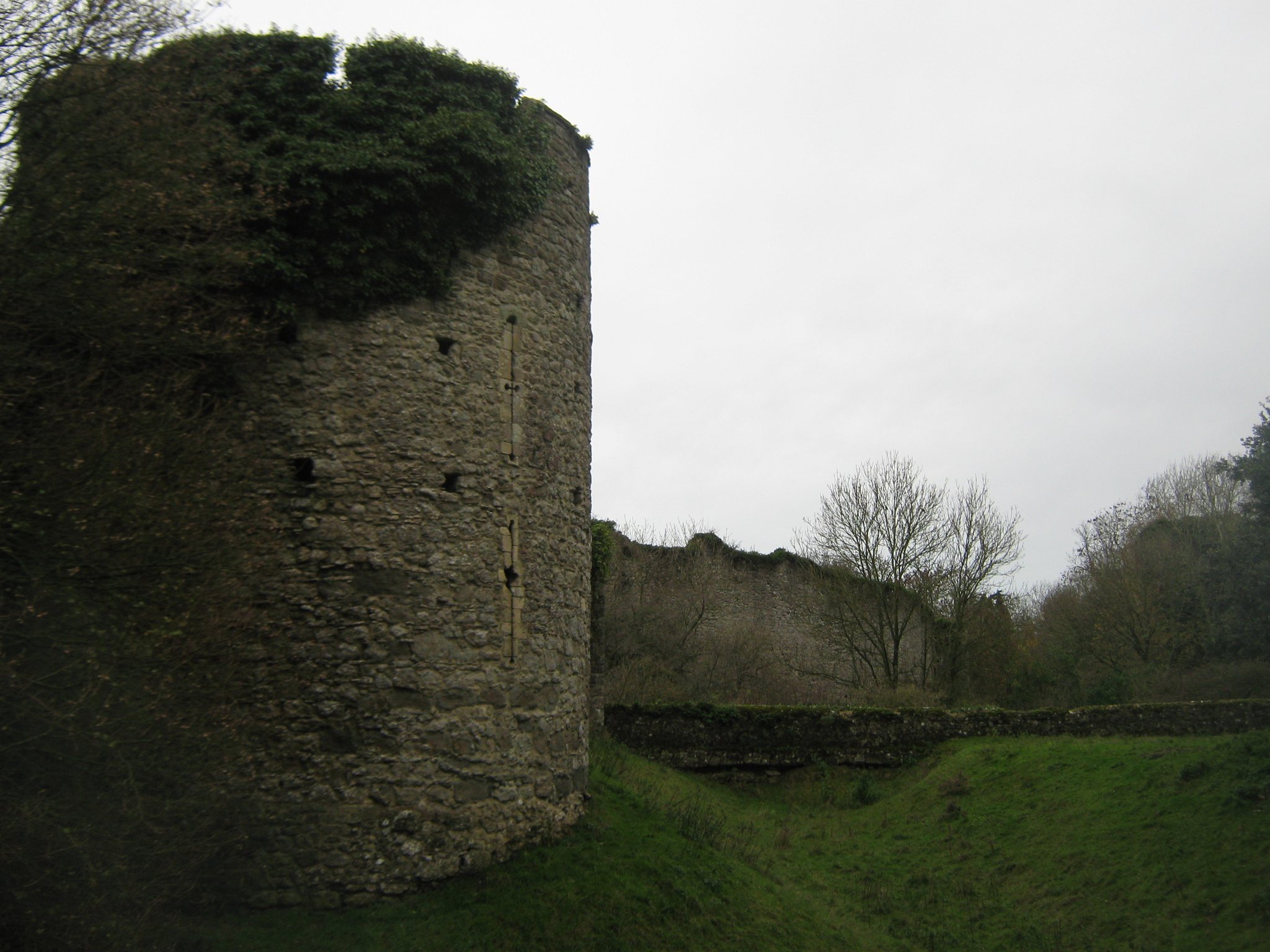
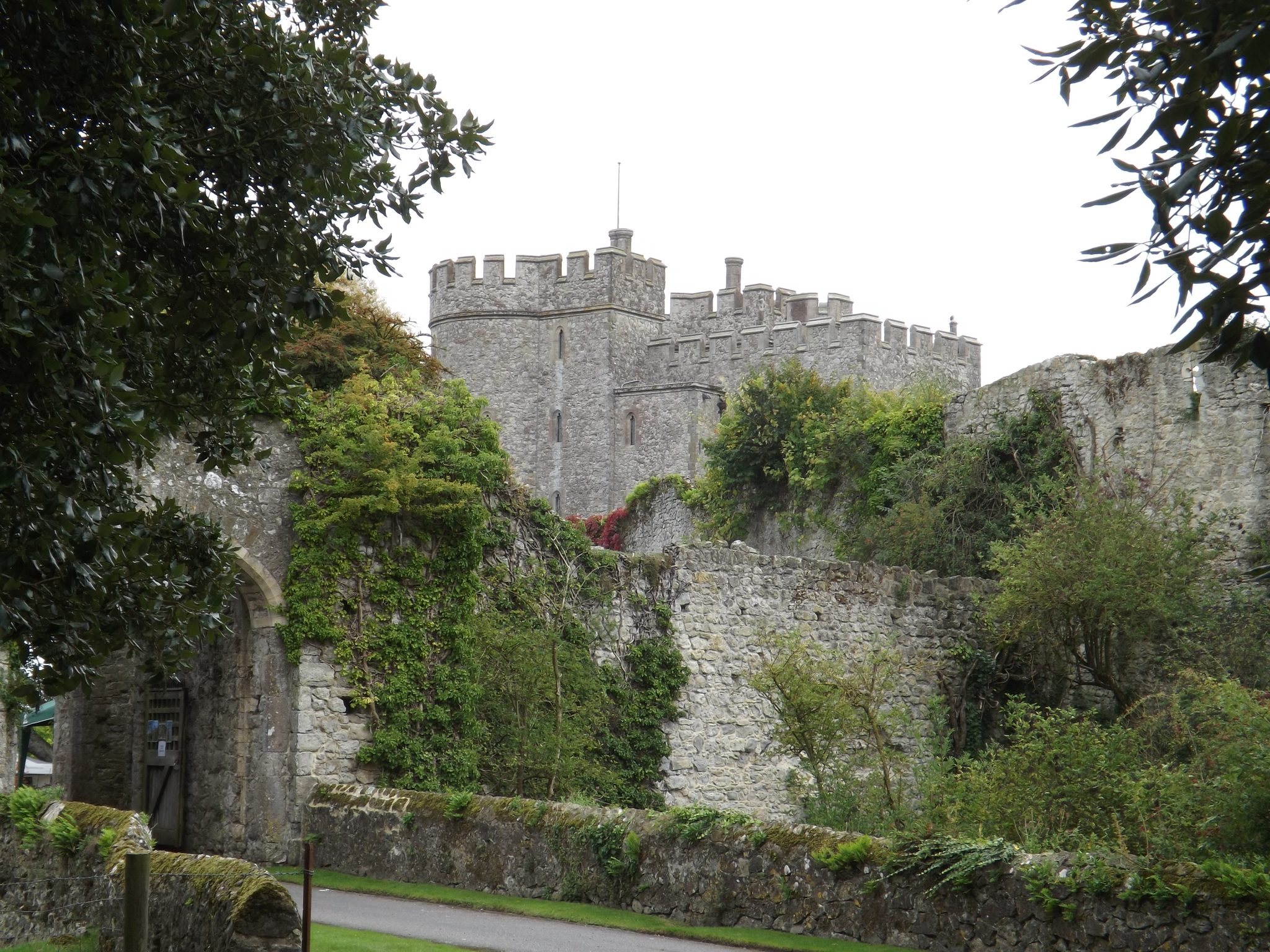
Saltwood is a stone-built medieval fortified complex arranged around a gatehouse and moat. The gatehouse retains gun ports dating approximately from 1385 to 1394. These openings allowed firearms or artillery to be used from the fortification and are attributed to Henry Yevele, a prominent English medieval master mason and architect. The gatehouse has been used as a residence since its restoration and remains a residential part of the complex.
Restored residential buildings
The castle became largely ruinous before nineteenth-century restoration. Work in the 1880s and 1930s made portions of the complex habitable, and Philip Tilden later undertook further restoration. At the edge of the moat stands the Garden House, a bungalow constructed in 1971–1972 by John King for Lord Clark and his wife.
Archaeological evidence and surviving objects
The Bronze Age tools and copper ingots found at Hayne’s Wood in 1874 provide evidence associated with early occupation of the site. A fourteenth-century chip-carved chest, decorated on its front with arcading and rosettes and fitted with a later panelled top, was formerly kept in the parish church and was reputed to have originally come from Saltwood Castle.