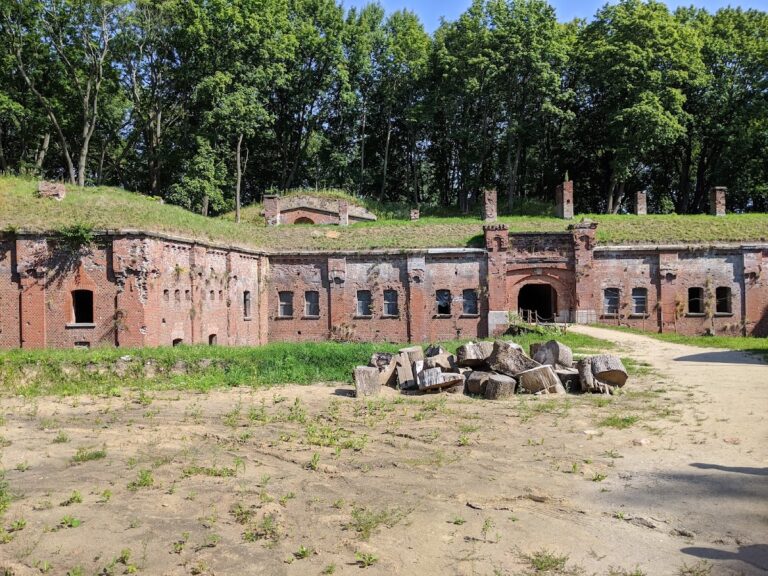
Fort I in Kaliningrad: A Prussian Military Fortification
Site at a Glance
- Rating
- 4.5
- Popularity
- Low
- Country
- Russia
- Primary era
- Modern
- External website
- Open
- Eras represented
- Modern
- Civilizations
- German, Kingdom of Prussia
- Site type
- Military
- Remains
- Fort
On this page7 sections
History
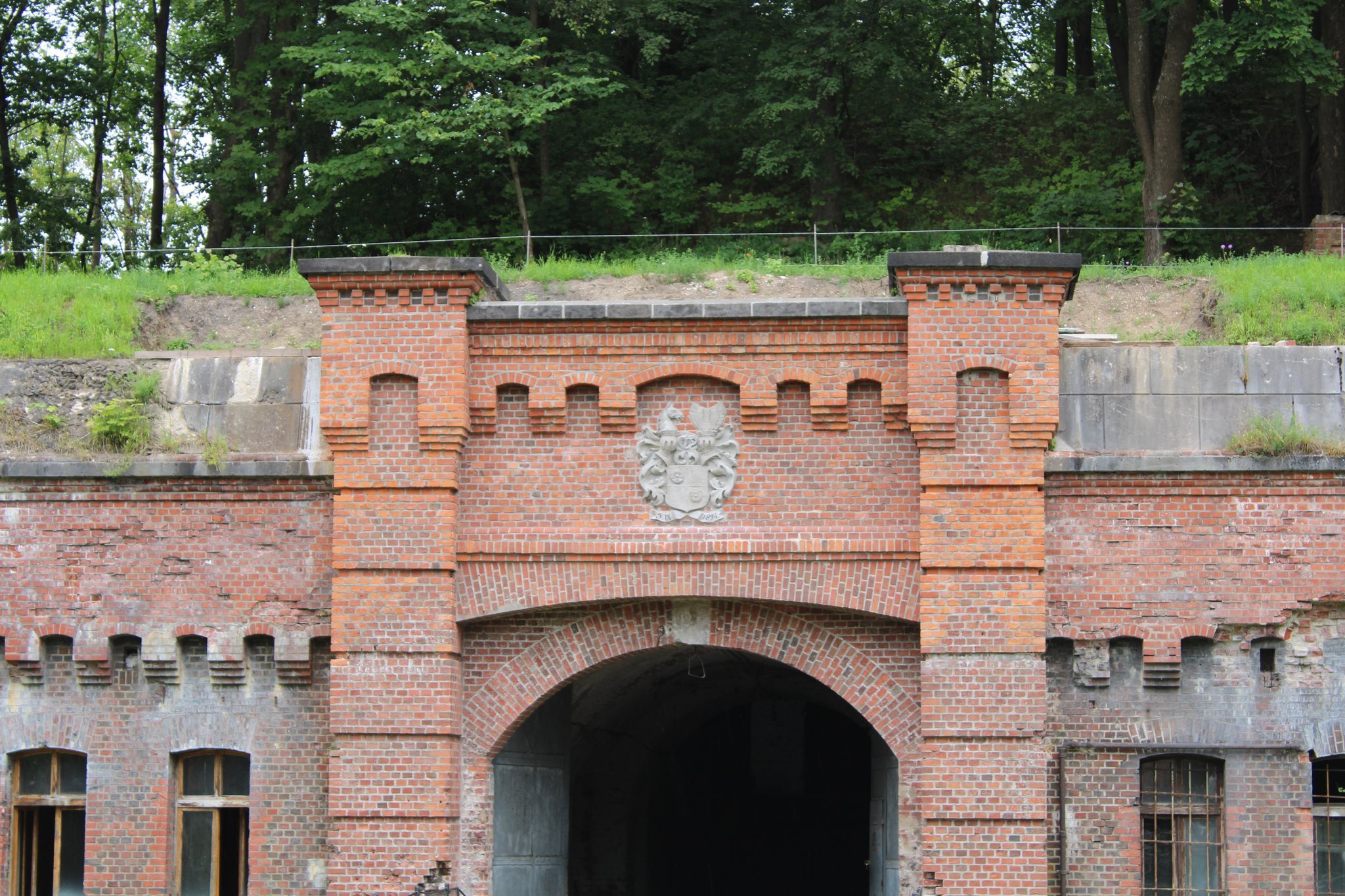
Fort I in Kaliningrad, Russia, is a nineteenth-century military fortification founded in 1872 and built from 1875 to 1879 in the former suburb of Königsberg, the historical German name for the city now called Kaliningrad. It was originally named Laut, after a nearby German settlement now known as Bolshoye Isakovo. In 1894, the fort was renamed for Heinrich Friedrich Karl von Stein, an early nineteenth-century Prussian statesman associated with administrative reform in Prussia.
Construction and military use
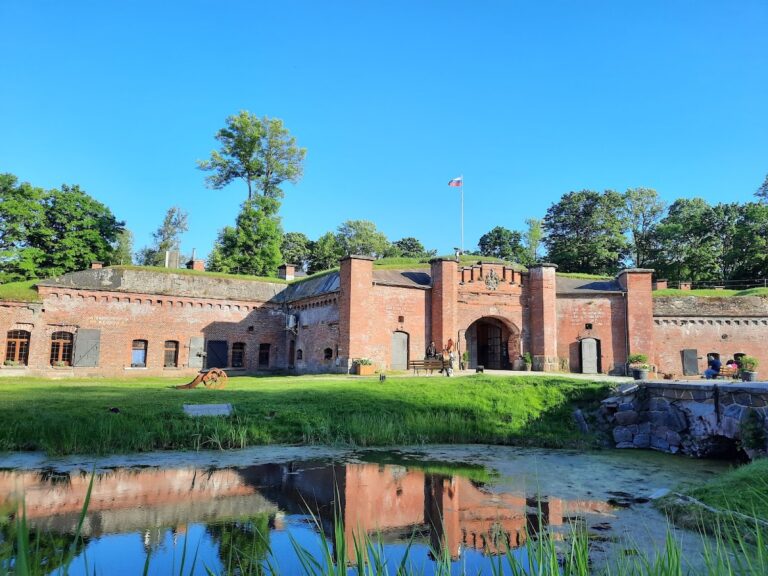
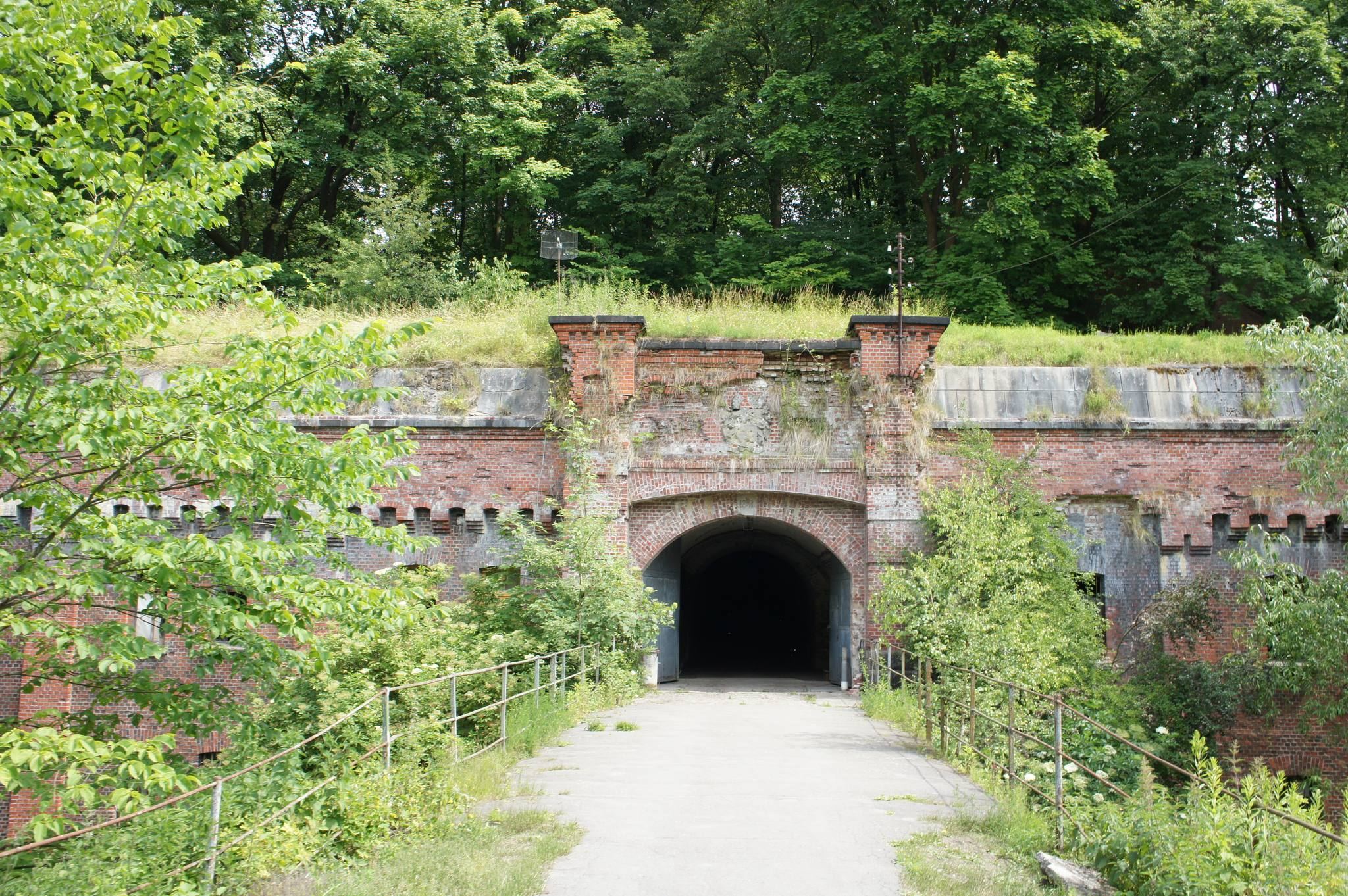
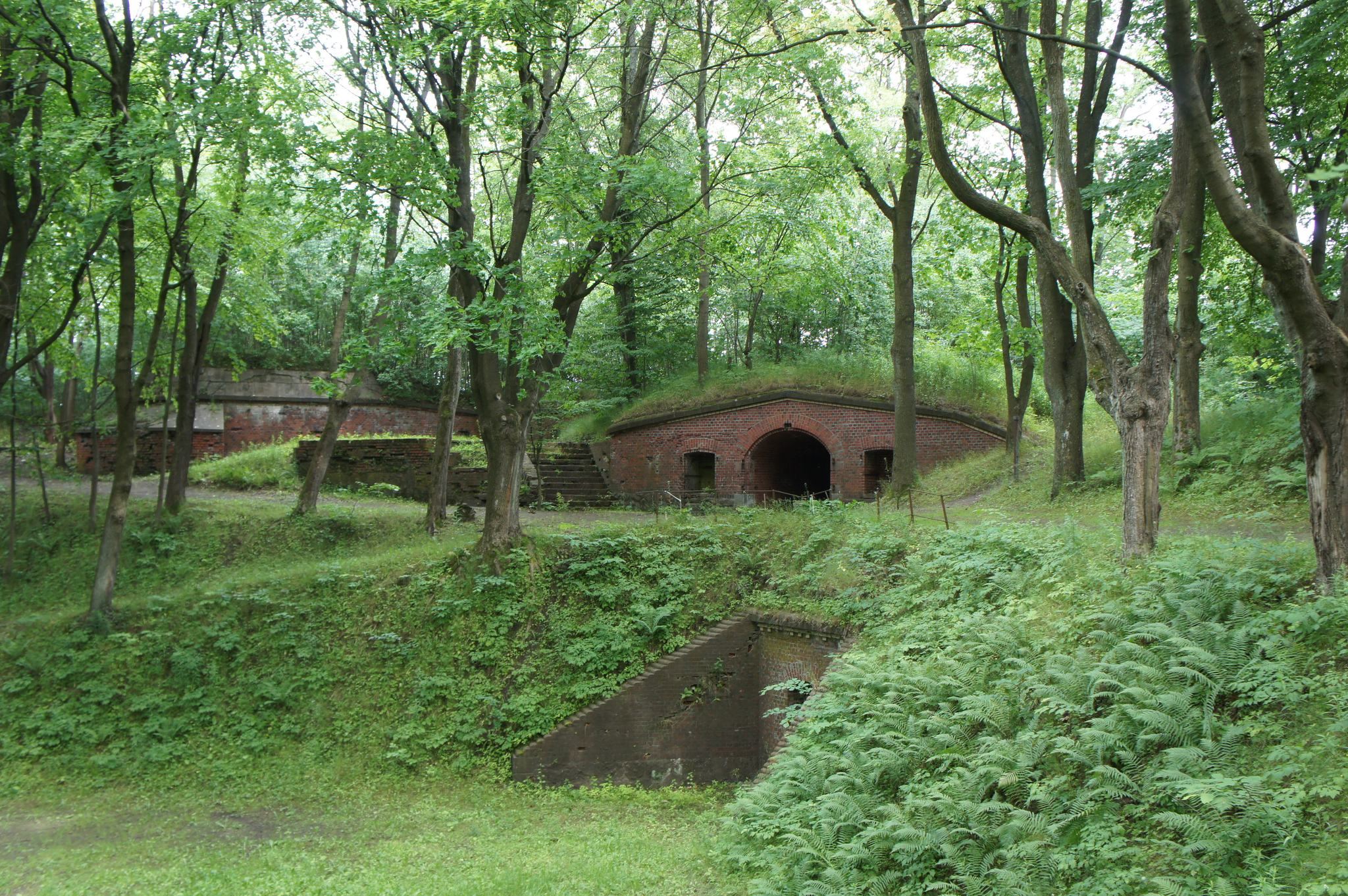
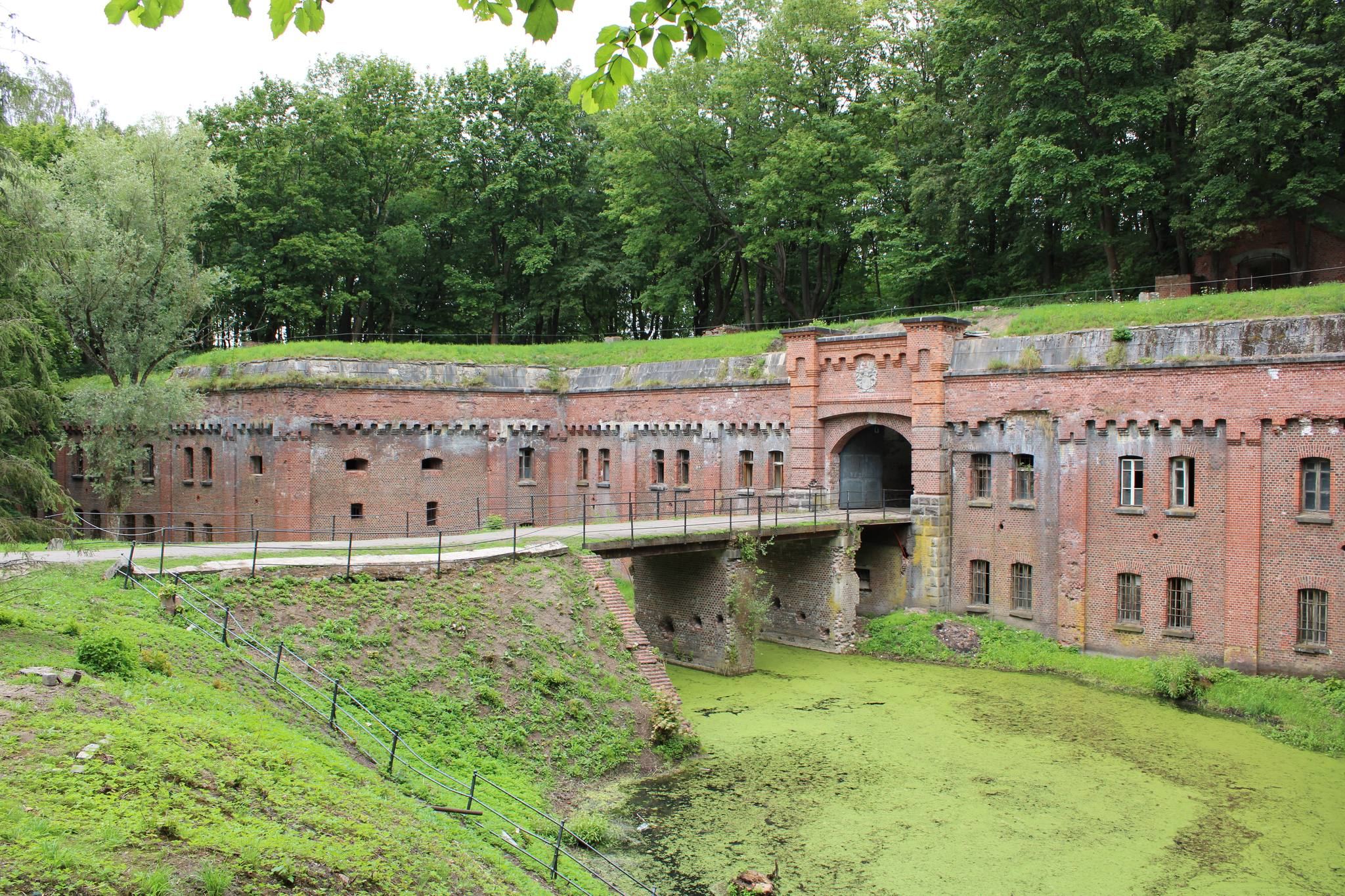
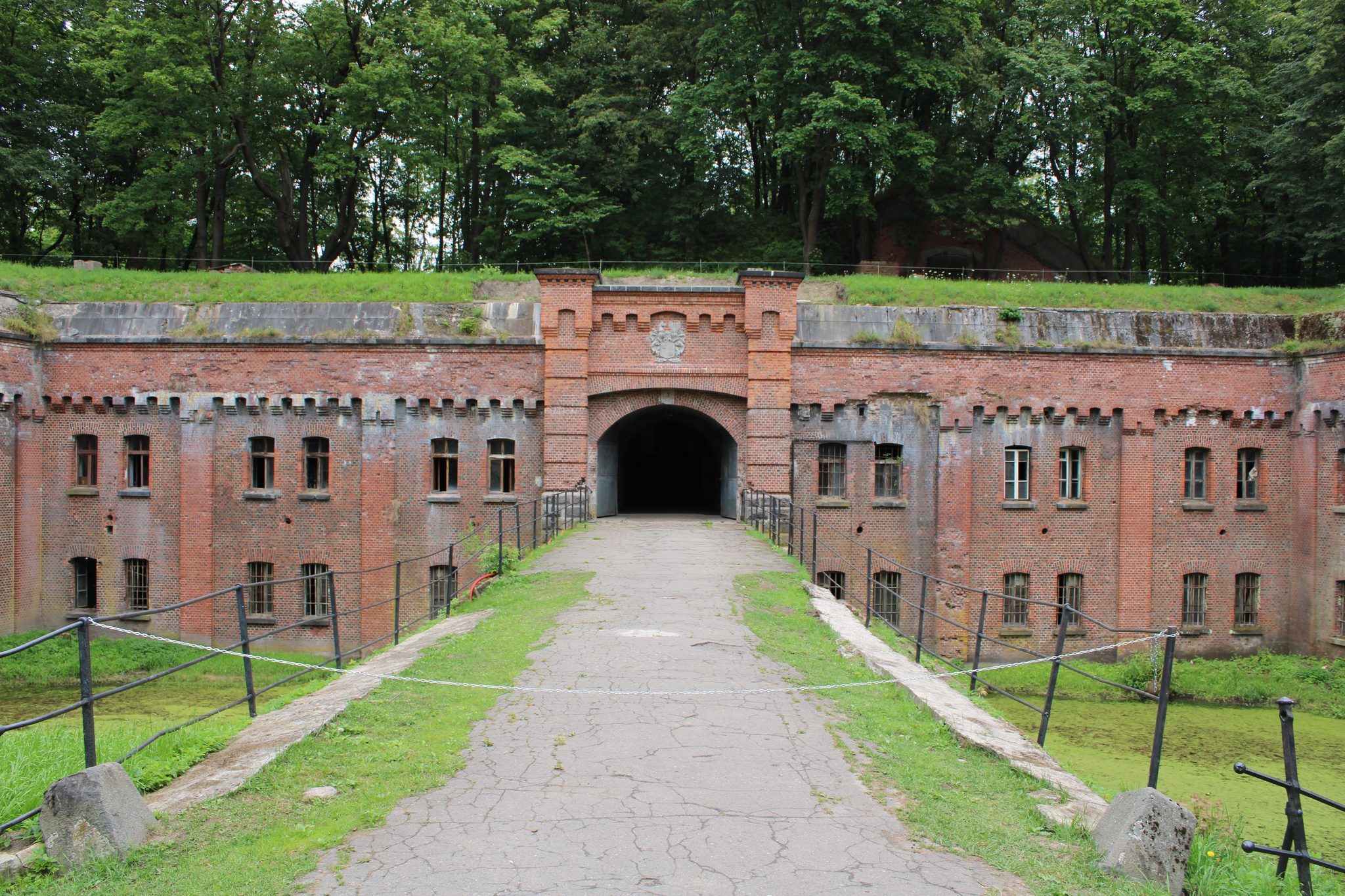
The fort formed part of the defensive system around Königsberg. Its position and enclosed military design included a water-filled moat, defensive walls, and protected internal chambers. These features supported the fort’s role as a permanent military installation before and during the twentieth century.
The 1945 capture
During the Soviet assault on Königsberg from 6 to 9 April 1945, as part of the East Prussian operation, Fort I stood on a secondary axis of advance. The Wehrmacht, the armed forces of Nazi Germany during the Second World War, transferred most of the troops in the area to more important sectors. Units removed from the fort’s vicinity were used to break through German positions toward the west near Metgethen.
The weakened garrison offered little resistance to the 44th Motor-Rifle Brigade of the 51st Rifle Division and the 58th Reserve Army Regiment. Soviet forces captured the fort and its surrounding area by the morning of 9 April. Its commandant, Reserve Major Vogel, was shot by his own warrant officer after refusing to surrender. Because the fighting was limited, Fort I was the least affected of the Königsberg forts during the 1945 battle.
Later use and preservation
During the Soviet period, the fort served as a vegetable storehouse for Kaliningrad’s municipal fruit-and-vegetable enterprise. The Laurushonis family reportedly leased the fort in 1991, and from 1994 Stanislav and Svetlana Laurushonis and their three children lived in its casemates. The family maintained the site at its own expense, protected it from looters, and conducted regular tours. On 14 July 2005, they established the Fort I Stein regional public charitable foundation.
In February 2007, regional authorities auctioned the long-term lease rights to the Ulyanovsk company WestTourService. Its plans for an entertainment centre with beer establishments and restaurants led to a conflict with the Laurushonis family. In 2021, Kaliningrad architect Artur Sarnits leased the fort for 49 years. Restoration is continuing, and Fort I is a protected cultural-heritage object of regional significance in the Russian Federation.
Remains
Defensive layout
Fort I is enclosed by a water-filled moat that reached approximately two metres in depth. Bastioned sections of the walls meet the moat directly, strengthening the defensive boundary around the fort. A bridge at the rear crossed the moat and connected the fort with the adjoining territory. The surviving defensive arrangement remains under restoration.
Casemates
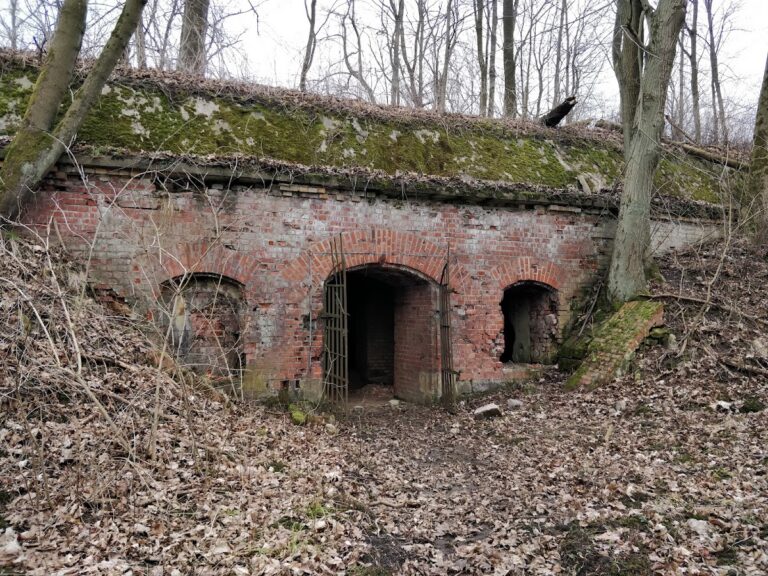
The fort contains casemates, fortified usually vaulted chambers built into defensive structures for protection, storage, accommodation, or weapons. These chambers later served as living quarters for the Laurushonis family from 1994. Restoration work continues within the fort, and visits take place with a guide while the work proceeds.