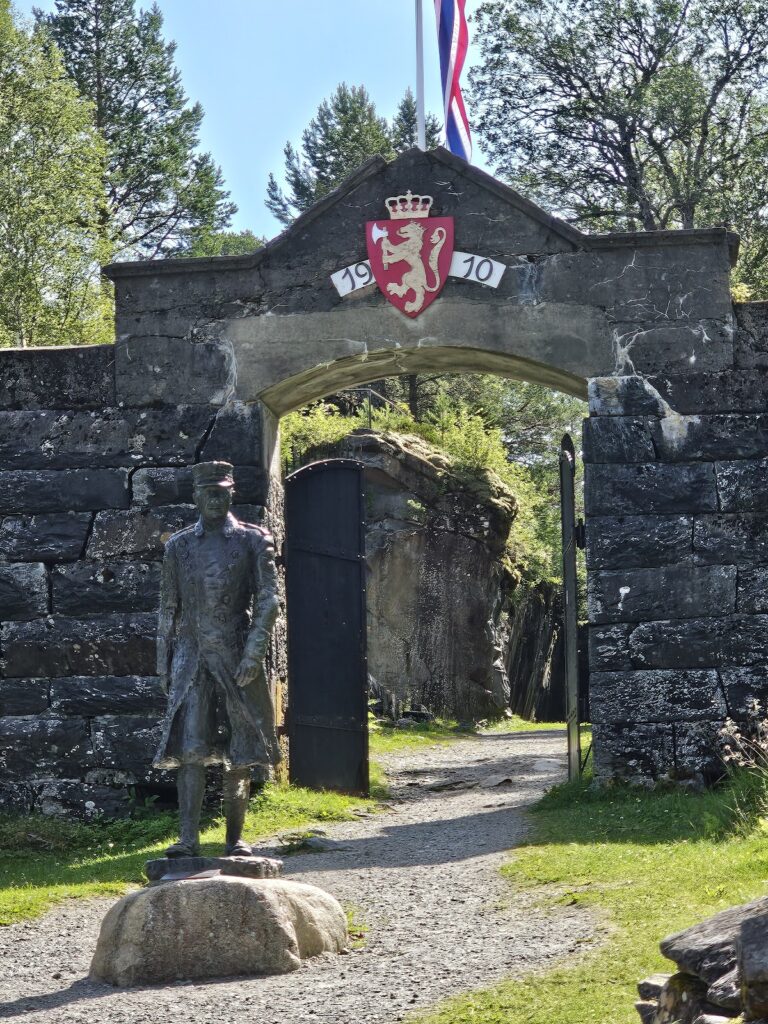
Munkeby Abbey: A Medieval Cistercian Monastery in Norway
Site at a Glance
- Rating
- 4.4
- Popularity
- Low
- Country
- Norway
- Primary era
- Medieval
- Eras represented
- Medieval
- Civilizations
- Norwegian
- Site type
- Religious
- Remains
- Church
On this page8 sections
History
Munkeby Abbey is a medieval Cistercian monastery in Norway near Levanger, founded probably between 1150 and 1180 and possibly by English monks. It was the northernmost Cistercian foundation in the world. Cistercians were Catholic monks whose life emphasized communal worship, manual work, and disciplined observance.
Foundation and Dependence on Tautra
Munkeby may have been connected through Lyse Abbey to the Cistercian institutional line of Clairvaux in France, through Fountains Abbey in England. In 1207, when Tautra Abbey was founded, Munkeby’s community and assets were transferred there, either at that time or later in the thirteenth century. Munkeby then became a grange, a dependent agricultural or administrative estate operated by a monastery, rather than remaining an independent abbey.
An effort to restore Munkeby as an independent monastery in the 1470s did not succeed. A letter from Pope Sixtus IV to Abbot Stephen of Trugge, dated 1475 and found in the Vatican archives in 1906, records a request to return the site to active monastic use.
Parish Use and Dissolution
The church continued to serve as a parish church until the late sixteenth century. It was dedicated to Saint Brettiva, a local saint associated with Skogn, although the claim that Munkeby was the church associated with her has not gained general acceptance.
Norway adopted the Protestant Reformation in 1537, a religious and political change that established Lutheranism and suppressed Roman Catholic religious houses. Munkeby was seized and its property became Crown property. The wooden monastic buildings apparently burned in 1567.
Archaeology and Modern Monastic Life
The Society for the Preservation of Ancient Norwegian Monuments acquired the medieval site in 1967 and now manages the surviving ruins. Archaeological work has included investigations in 1910 and test excavations in 2000, but the medieval complex has not been fully excavated.
In 2007, the Trappist Abbey of Cîteaux in France decided to establish a new monastery at Munkeby, the first such foundation in 500 years. Trappists are Cistercian monks following the strict observance associated with La Trappe. Four monks moved into the new community in 2009. Located about 1.5 kilometres from the medieval ruins, it forms a companion community to the Trappistine nuns who re-established Tautra Abbey. In 2023, Bishop Erik Varden, OCSO, consecrated its church to Saint Mary.
Remains
Medieval Monastic Complex
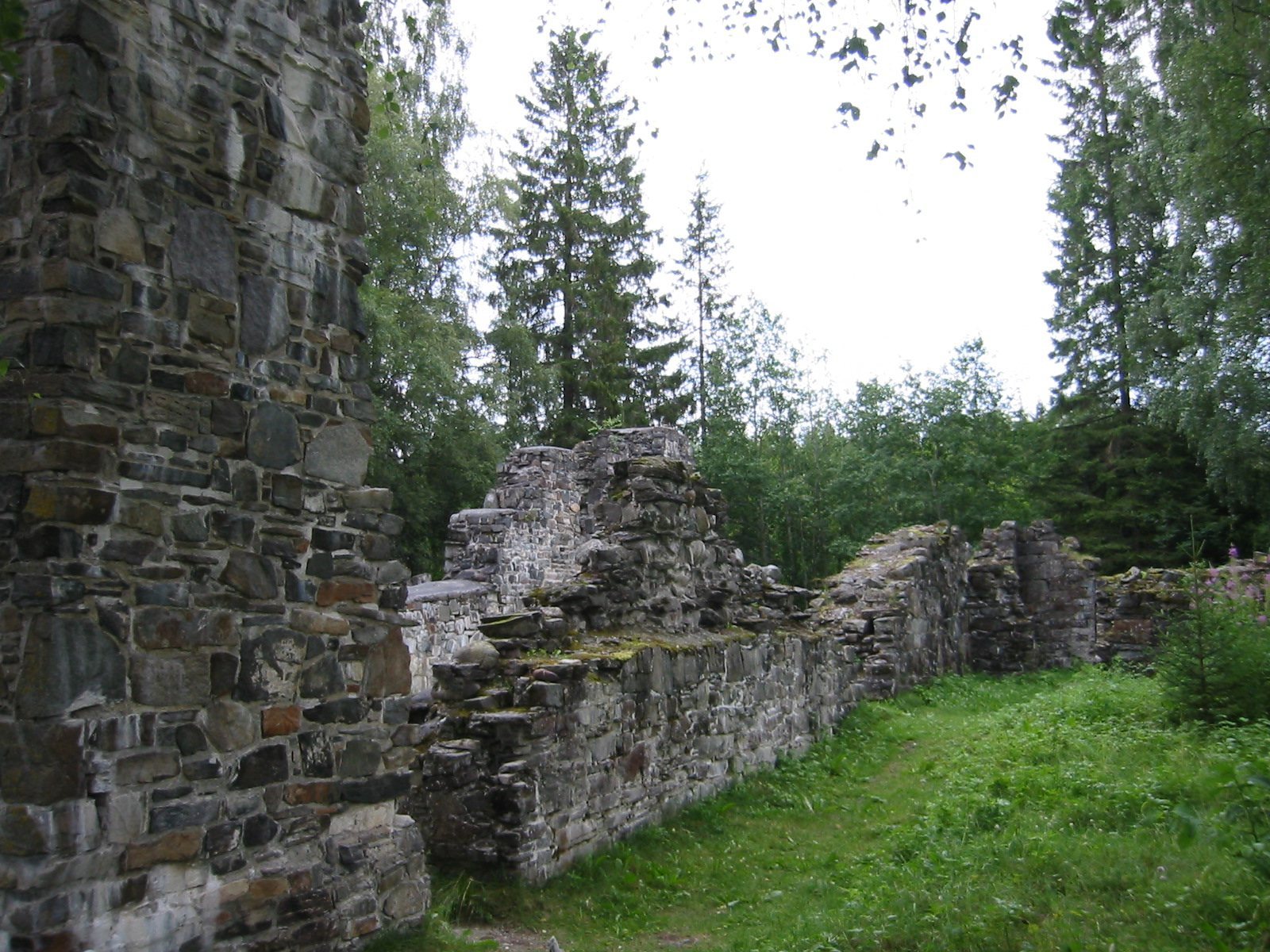
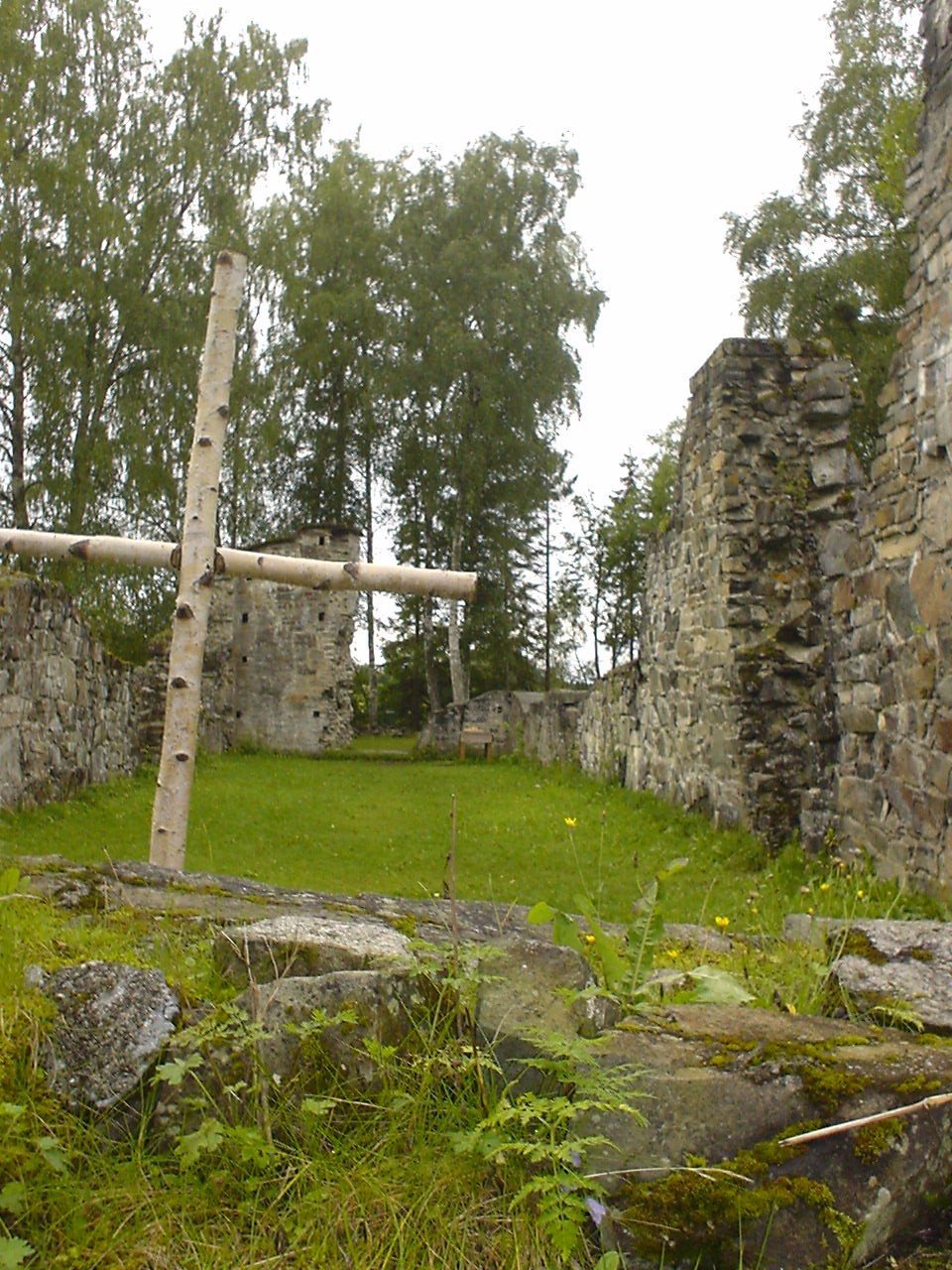
The medieval remains lie about 5 kilometres east of Levanger near Okkenhaug. The complex was centered on a stone church, with wooden monastic buildings positioned on its south side. The church foundations and surviving walls stand approximately 1 to 2 metres high, while archaeological testing has identified the location of the monastic buildings without revealing substantial remains.
Stone Church
The church was a simple stone building measuring approximately 34 by 10 metres externally. It consisted of a nave and a choir, with side chapels on both sides of the choir. Its surviving foundations and wall sections form the principal visible remains. The building was later used as a source of stone, which affected its survival.
Wooden Monastic Buildings
The monastery’s other buildings were made of wood and apparently burned in 1567. Their position on the south side of the church is considered certain, although only limited archaeological evidence has been recovered from that area.