Newminster Abbey: A Cistercian Monastery near Morpeth
Site at a Glance
- Rating
- 3.3
- Popularity
- Very Low
- Country
- United Kingdom
- Primary era
- Medieval
- External website
- Open
- Eras represented
- Medieval
- Civilizations
- English
- Site type
- Religious
- Remains
- Monastery
On this page8 sections
History
Newminster Abbey is a former Cistercian monastery near Morpeth in the United Kingdom, founded in 1137 or 1138 and formally dated by some records to 6 January 1139. The Cistercians were a reforming Catholic order that stressed communal discipline, manual labour, austerity, and strict observance of monastic rules. Dedicated to Saint Mary, the abbey became an important northern house whose lands, daughter monasteries, hospitals, and wool-producing estates extended across Northumberland.
Foundation and early development
Ranulph de Merlay, lord of Morpeth, and his wife Juliana, the daughter of Gospatric II, Earl of Lothian, invited monks from Fountains Abbey to establish the monastery on their lands. Ranulph, Bertram of Mitford, and D’Umfraville of Prudhoe, Lord of Redesdale, were among its early benefactors. Newminster was the second daughter house of Fountains Abbey, meaning that it was founded from that established monastery. Fountains belonged to the institutional line descending from Clairvaux, one of the principal foundation houses of the Cistercian order.
Robert of Newminster, a monk from Fountains Abbey, became the first abbot and governed from 1138 until 1159. His emphasis on poverty, strict religious practice, and manual work attracted many recruits. The first buildings were made of timber, but a Scottish raid about a year after the foundation burned them. Construction then resumed, and the abbey had been rebuilt by 1180.
Newminster expanded its influence during the twelfth century. It founded Pipewell Abbey in 1143, followed by Roche Abbey and Sawley Abbey in 1147. The community also administered hospitals at Mitford and Allerburn Lea near Alnwick. By 1240, its possessions reached from fisheries at Benton-on-Tyne and saltpans at Cambois on the east coast to Kidland near the Scottish border, where sheep were taken for summer pasture. Sheep raising and wool production formed an important part of the abbey’s economy.
Saint Robert and medieval prosperity
Robert of Newminster died in 1159 and was buried beneath the high altar. His tomb became a shrine and a destination for pilgrims, while miracles were attributed to him. He was later canonised and continued to shape the abbey’s religious identity. The monastery’s development was repeatedly affected by Scottish incursions, although its possessions by 1240 covered a substantial area of northern England, including land close to the Scottish border.
Burials associated with the abbey included its founders Ranulph de Merlay and Juliana, their son Osbert, Roger son of Ranulph de Merlay, two men named Roger son of Roger de Merlay, Ralph de Greystoke, Robert de Umfraville, Sir Robert de Umfraville and his wife Isabelle, and Ralph de Greystoke, 3rd Baron Greystoke.
Dissolution and later history
Newminster Abbey was dissolved in 1537 during Henry VIII’s suppression of the monasteries. Henry VIII’s break with the papacy led to the confiscation of England’s monasteries. The Crown seized Newminster despite resistance from the monks and transferred the estate to the Grey family, who reused much of the stone in other buildings. The abbey’s income had been assessed at £265 in 1536.
The monastic complex was largely dismantled from the late sixteenth century onward. In 1609, the Crown sold the estate, including the abbey site, to Robert Brandling. The Brandling family sold it in 1709 to John Ord of Fenham. The former abbey site later formed part of a township within Morpeth parish. That township became a civil parish in 1866, had 174 inhabitants in 1891, and was abolished on 30 September 1894 when it was merged with Morpeth; part of its former area helped form Newminster.
A ceremony marked the four-hundredth anniversary of the abbey’s closure in 1937. Archaeological excavations between 1961 and 1965, including work in 1963 and 1965, revealed the monastery’s plan and decoration and showed architectural similarities between Newminster, its daughter houses, and Fountains Abbey. The site is protected as a Grade II listed building and a Scheduled Ancient Monument, with its listed designation dating from 11 August 1950.
Remains
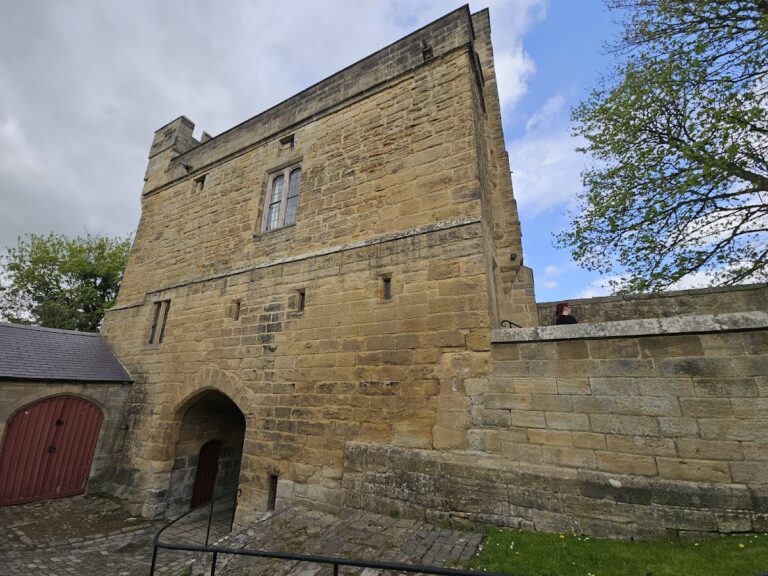
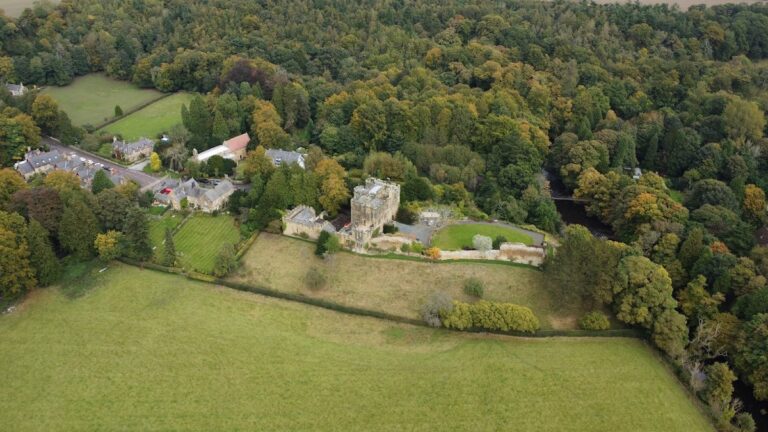
The monastery occupied a valley near the River Wansbeck, sheltered from cold easterly and northerly winds and oriented towards the south. Its principal buildings followed the established arrangement of a Cistercian monastery, with the church forming the main northern element and the conventual buildings placed to its south. Archaeological excavation has clarified the plan and decorative treatment of the complex, including its relationship with Fountains Abbey and the smaller houses founded from Newminster.
Church and monastic buildings
Abbey church
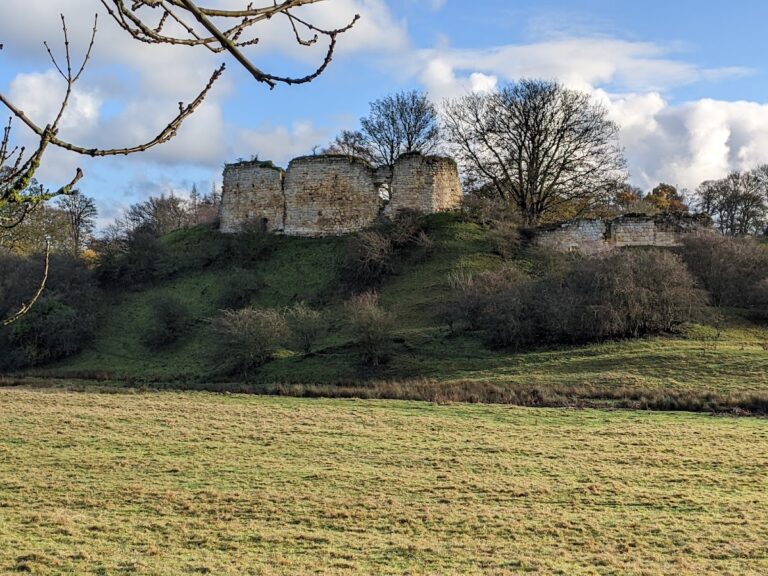
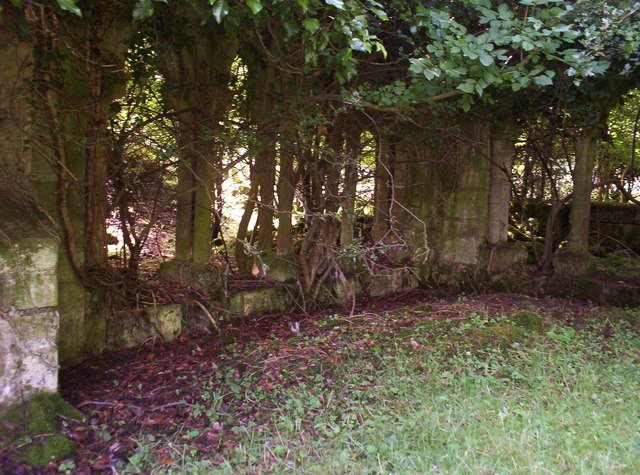
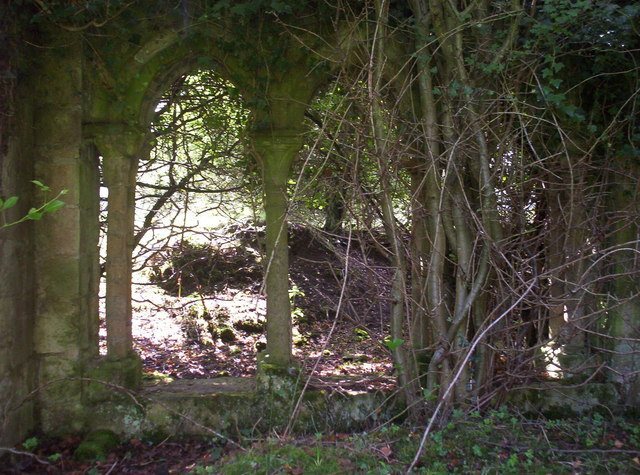
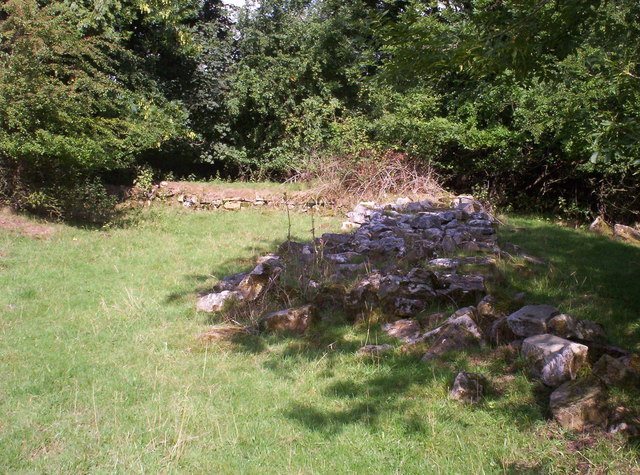
The church had a Latin-cross plan, a layout with a long central axis crossed by a shorter transverse arm. Its nine-bay nave formed the main central space and was flanked by two aisles. A transept, the crosswise part of the church, had three chapels on each eastern side, while a rectangular choir occupied the eastern end as the area reserved for clergy and singers. The surviving church fabric is fragmentary, and the ruins are largely covered by vegetation.
Chapter house and cloister
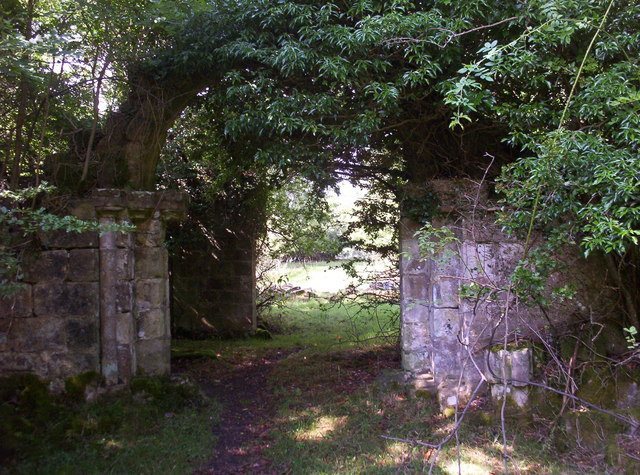
The conventual buildings south of the church included a nine-bay chapter house supported by four columns. A chapter house was the room where the monastic community met for official business, readings, and disciplinary matters. The building was enlarged in the thirteenth century. The cloister, a covered walkway enclosing a monastic court, was partially re-erected in 1924. Excavations exposed evidence for the arrangement and decoration of these buildings and identified similarities with the plan and ornament of Fountains Abbey and Newminster’s daughter houses.