Morpeth Castle: A Medieval Military Castle in England
Site at a Glance
- Rating
- 4.5
- Popularity
- Very Low
- Country
- United Kingdom
- Primary era
- Medieval
- External website
- Open
- Eras represented
- Medieval
- Civilizations
- English
- Site type
- Military
- Remains
- Castle
On this page8 sections
History
Morpeth Castle is a medieval military castle in Morpeth, England, United Kingdom. Its surviving form dates chiefly from the 1340s, when a stone castle was built on the site of an earlier fortification. The castle stands above the River Wansbeck and reflects Morpeth’s long defensive history.
The Early Castle and Its Replacement
The first castle was an eleventh-century motte-and-palisade fortification. This type of medieval stronghold centred on a mound supporting a defended position, commonly enclosed by a timber palisade. King John ordered the castle destroyed in 1216, ending the first phase of the site’s military history.
A replacement castle was constructed on the earlier site during the 1340s by the baron Ranulf de Merlay. The castle later passed through the female line among several noble families, including the barons of Merlay, the earls of Greystoke, and the baronial families of Dacre and Howard. None made it a long-term residence.
Royal Refuge and Civil War Garrison
In 1516, Margaret Tudor stayed at Morpeth Castle for four months. She was the elder sister of Henry VIII and the widow of James IV of Scotland, and had come to the castle while fleeing enemies in Scotland and seeking refuge with her brother.
The castle’s principal military event took place in 1644 during the English Civil War, the conflict between supporters of Parliament and the monarchy. A garrison of 500 Lowland Scots held Morpeth Castle for 20 days against 2,700 Royalists, the forces supporting the monarchy.
Decline, Repair, and Adaptive Reuse
By the middle of the nineteenth century, only the gatehouse and fragments of the defensive walls remained. Around 1860, the gatehouse was repaired and adapted to provide accommodation for servants. The castle had formerly been a separate community. More than 300 people lived there during the twentieth century, before the settlement became part of Morpeth on 1 April 1935.
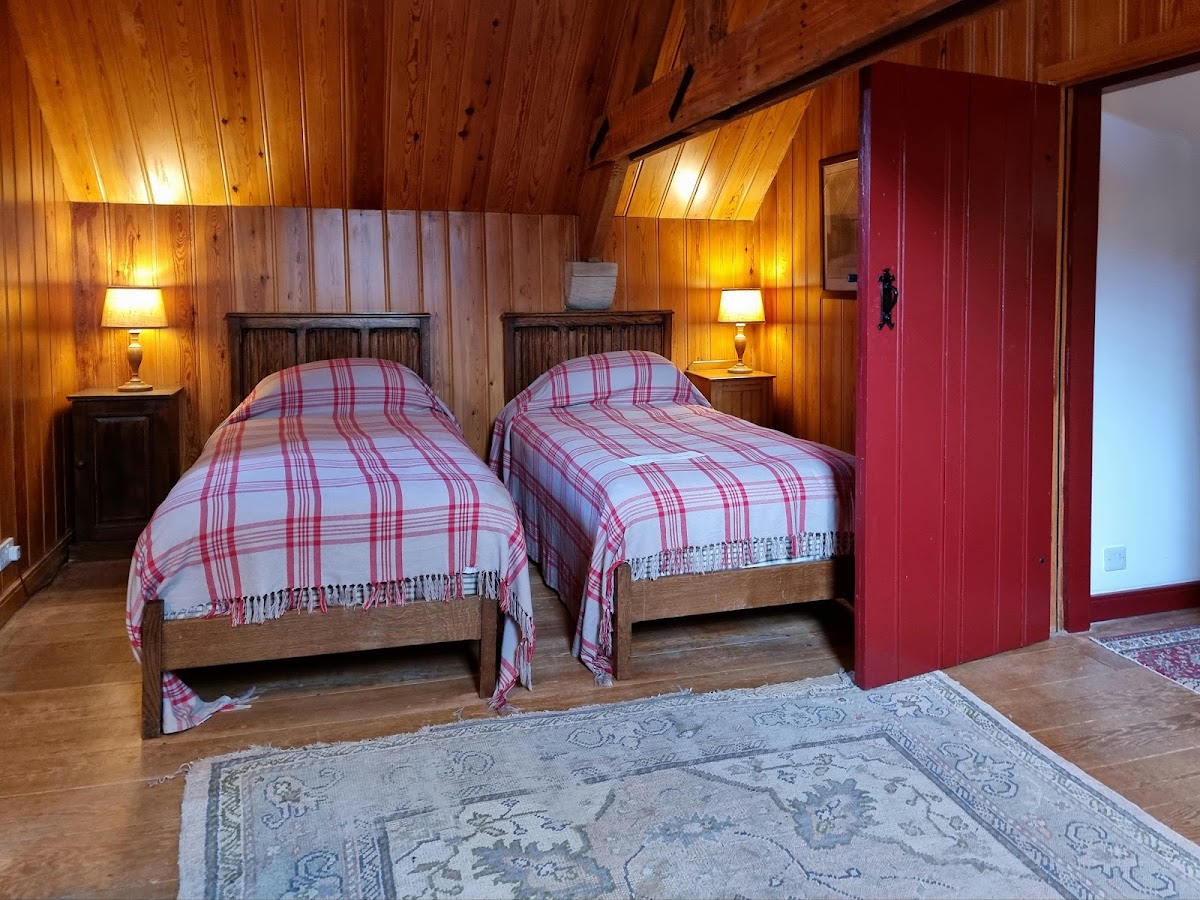
The Landmark Trust took the castle on a long lease in 1988 and carried out major repairs in 1990. The work removed the nineteenth-century alterations and filled a nearby swimming pool, helping to return the gatehouse to its earlier appearance. The Landmark Trust owns the castle, and the restored building is used as accommodation for private guests. Morpeth Castle has been a Grade I listed building since 1950, a category that provides England’s highest level of statutory protection for buildings of exceptional architectural or historic interest.
Remains
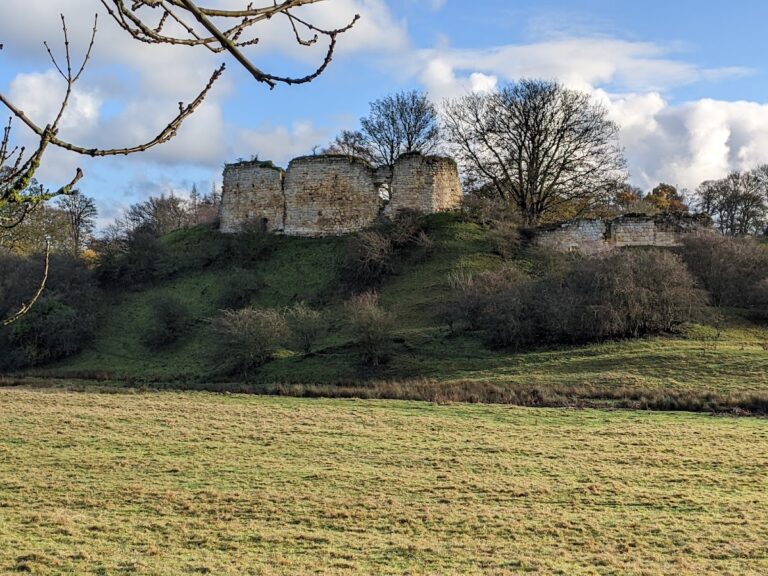
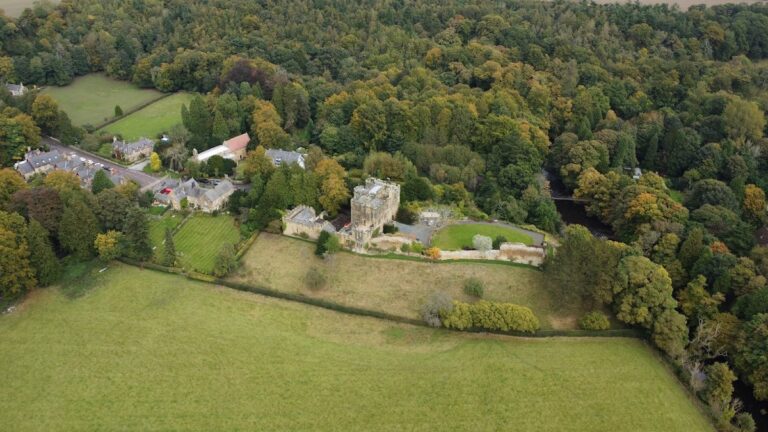
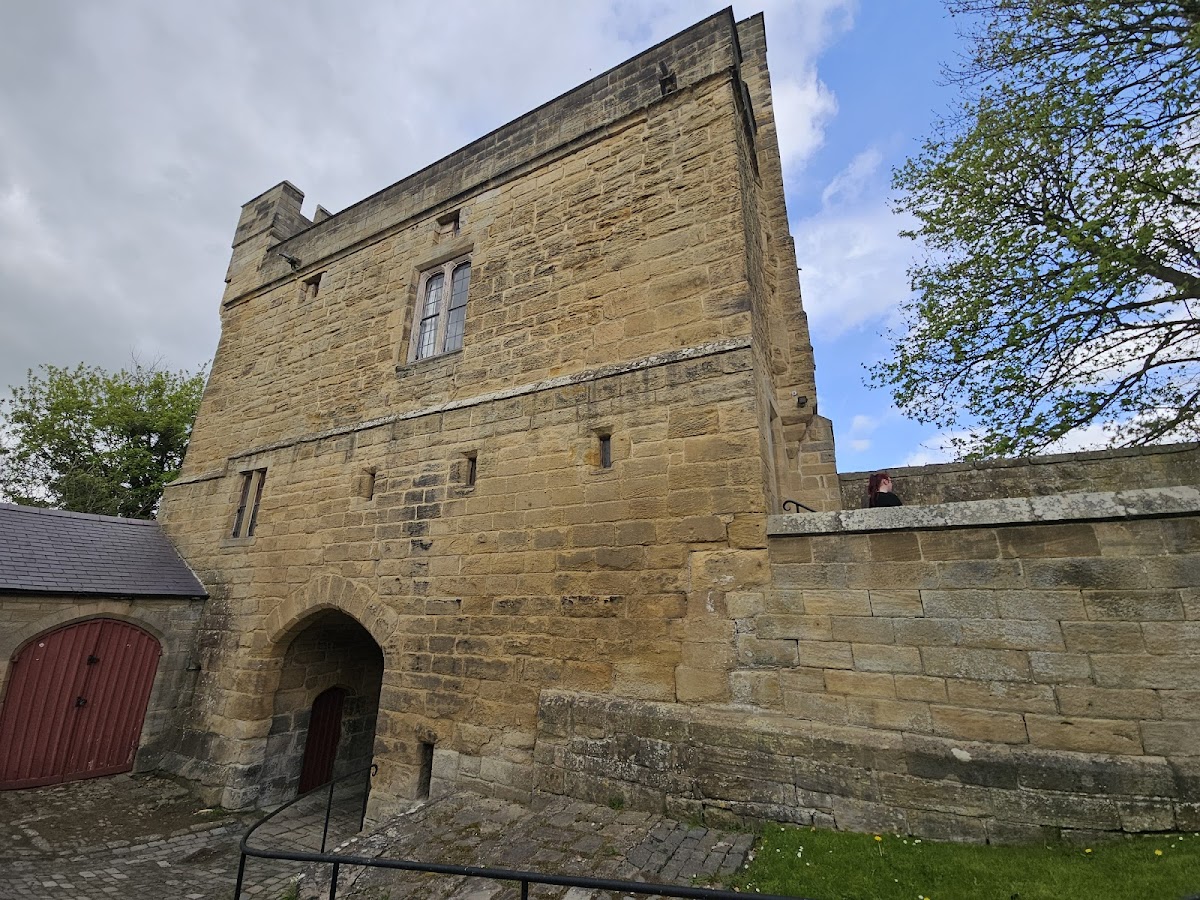
Morpeth Castle occupies a hill at approximately 56 metres above sea level, overlooking the River Wansbeck. The fourteenth-century castle was built over the earlier eleventh-century fortification. Its surviving physical remains comprise the gatehouse and fragments or ruins of the defensive walls, preserving the central elements of the later castle’s fortified layout.
Surviving Castle Structures
Gatehouse
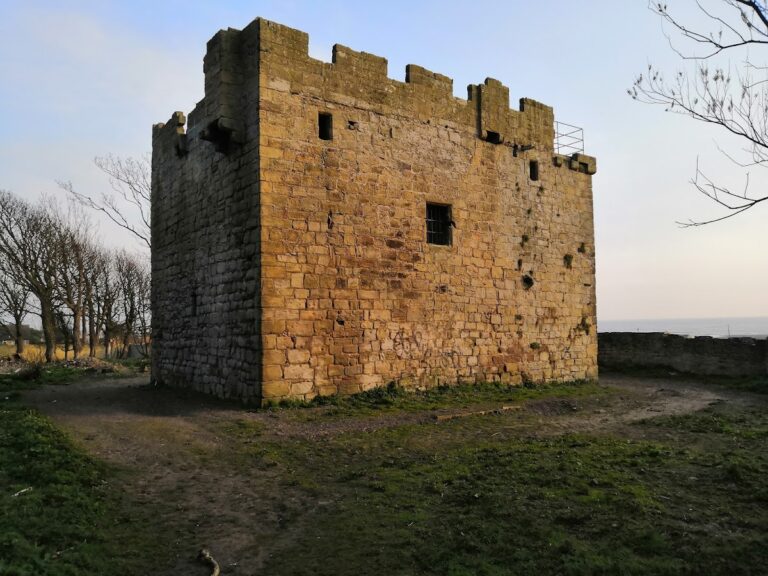
The gatehouse is the principal surviving building. It formed part of the fourteenth-century castle and was altered in the nineteenth century, when it was converted to provide servants’ accommodation. The 1990 rehabilitation removed those changes and restored its original appearance. The gatehouse now functions as a guesthouse.
Defensive Walls
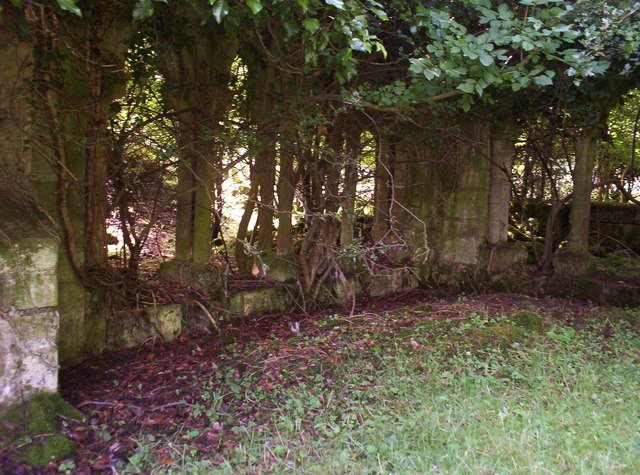
Fragments and ruins of the defensive walls survive around the gatehouse. They belong to the replacement castle built during the 1340s on the earlier fortification’s site and preserve evidence of the castle’s stone defensive enclosure.