Ribchester Roman Museum: Preserving the Archaeology of a Roman Fort


Site at a Glance
- Rating
- 4.3
- Popularity
- Low
- Country
- United Kingdom
- Primary era
- Classical
- External website
- Open
- Eras represented
- Classical
- Civilizations
- Roman
- Site type
- Museum
On this page12 sections
History
Ribchester Roman Museum is a museum in the United Kingdom standing within the former Roman fort of Ribchester, a cavalry base and regional command centre established around AD 70 during the first phase of Rome’s occupation of Britain. The fort was built at a crossing of the River Ribble, where roads from Chester, York, and Carlisle converged, and formed part of the wider military network across northern Britain.
Foundation and Roman occupation
Known as Bremetennacum Veteranorum, the fort was first constructed in turf and timber and was initially garrisoned by cavalry from Spain. During the later first century, that unit was replaced by a cavalry troop identified as Samaritan and originating from Eastern Europe. The original defences were later rebuilt in stone.
A vicus, the civilian settlement that grew around a Roman military installation, developed beside the fort. By the late first century, Ribchester had become the administrative centre of the surrounding region. Its settlement included workshops, townhouses, shops, bath houses, and at least two temples. The site reached its apparent height in the second century, although Roman occupation continued into the fourth century, lasting for almost 300 years from its beginning around AD 70.
The Ribchester Horde
In 1796, a clogmaker’s son accidentally discovered the Ribchester Horde while playing behind his house. The cavalry equipment and other military metalwork had been placed in a wooden box beneath the floor of a barrack chamber, probably around AD 120. The collection may have been the private belongings of a single soldier.
Excavation and museum history
The first proper excavations of Bremetennacum Veteranorum took place in the nineteenth century, followed by archaeological investigations at regular intervals. In September 1993, former honorary curator Jim Ridge drew attention to Roman fort remains in the garden of his cottage at 2 Church Street, prompting a Time Team excavation at Ribchester.
Ribchester Museum of Roman Antiquities opened in 1915 to preserve and display the growing collection of archaeological finds. Founded by Margaret Greenall, it was expanded several times, most recently in 2001, when a modern exhibition area was added. After Ridge’s death in 2003, a gallery was named in his honour.
Remains
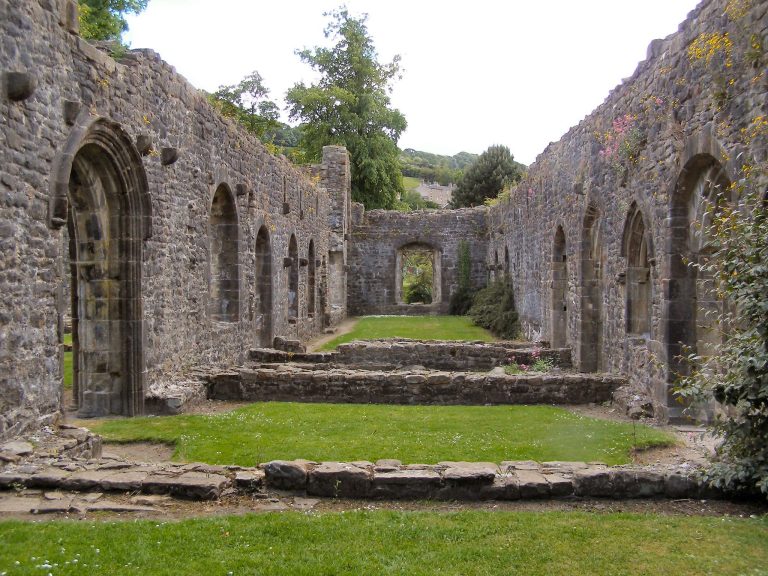
The museum occupies the middle of the former Roman fort in Ribchester village, near the northern bank of the River Ribble and beside St Wilfrid’s Church. The fort ruins and Roman baths lie outside the museum, while the museum’s displays bring together objects from the military site, the surrounding civilian settlement, and the wider area’s prehistoric past.
The fort and civilian settlement
Roman fort
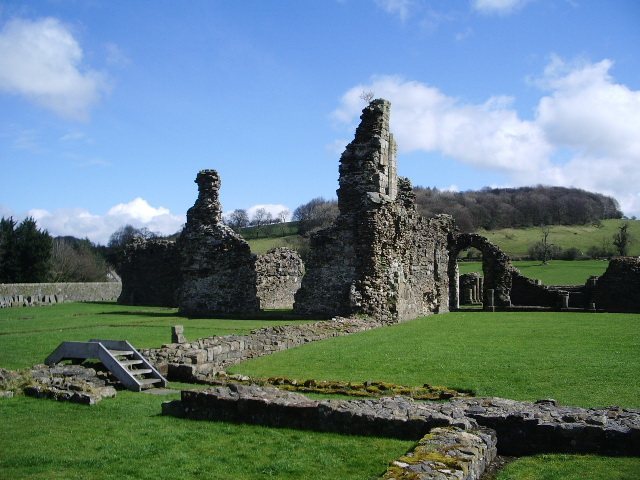
The fort stood at a river crossing and began as a turf-and-timber military installation before being rebuilt in stone. Its surviving remains are located a short distance from the museum. The fort’s position within the village reflects the extent of the former Roman settlement, although the museum itself occupies the central area of the military site.
Vicus
The associated vicus covered an area roughly comparable to the modern village. Its buildings included workshops, townhouses, shops, bath houses, and at least two temples, providing the physical setting for the civilian community connected with the fort.
St Wilfrid’s Church
St Wilfrid’s Church, opposite the museum, incorporates stones from the Roman fort into its fabric. This reused material links the surviving church building with the earlier military site.
Archaeological collections
Ribchester Horde
The Ribchester Horde includes a decorative cavalry visor helmet, horse eye-guards, pottery bowls, saddle plates, a boar-tusk good-luck amulet, and other military metal items. A Roman cavalry visor helmet was an elaborately decorated piece used in ceremonial or sporting displays as well as to represent cavalry status. The hoard is now held by the British Museum in London.
Ribchester Helmet
The Ribchester Helmet was a decorative visor helmet of the type used during Roman cavalry sporting events. The original belongs to the British Museum collection, while Ribchester Roman Museum displays a replica.
The museum’s wider collections contain archaeological artefacts from the Roman fort and its surrounding civilian settlement, together with prehistoric objects found in the surrounding area.