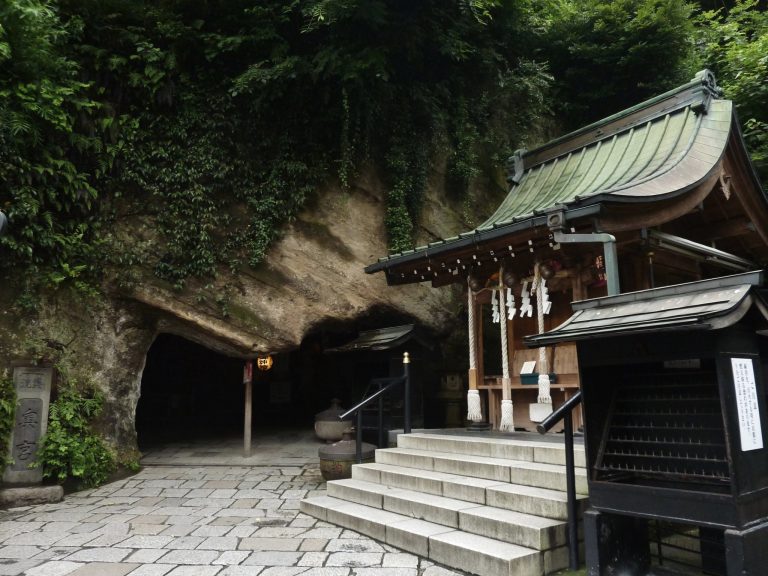
Suwa Shrine: A Tutelary Shrine of Fujisawa


Site at a Glance
- Rating
- 4.1
- Popularity
- Very Low
- Country
- Japan
- Primary era
- Early Modern
- External website
- Open
- Eras represented
- Early Modern
- Civilizations
- Tokugawa
- Site type
- Religious
- Remains
- Sanctuary
On this page4 sections
History
Suwa Shrine is a Shinto shrine in Fujisawa, Japan, founded in 1335 by Donkai, the fourth Yugyo Shonin, as the guardian shrine of Shōjōkō-ji, also known as Yugyoji. The shrine’s deities were brought from Suwa in Shinshu, the historical name for Shinano Province, broadly corresponding to present-day Nagano Prefecture. Shōjōkō-ji is a major temple of the Ji school of Pure Land Buddhism, a tradition associated with the Yugyo Shonin lineage.
Relocations and Local Role
Between 1648 and 1651, the shrine was moved to Kazehaya Valley, also called Suwagayato. The relocation followed repeated accidents in which riders fell from their horses in front of the shrine’s torii, the gateway marking the entrance to a Shinto sacred precinct. In 1699, Suwa Shrine was transferred once more, this time to its present site.
After the 1699 relocation, Suwa Shrine became the chief tutelary shrine for the Daigiri and Ōkubo neighborhoods in the eastern part of Fujisawa-juku. A tutelary shrine is understood to protect a particular community or locality. Its principal annual festival takes place on August 25 and includes a procession to Shōjōkō-ji.
Shinto and Buddhist Connections
The Meiji Restoration brought the formal separation of Shinto and Buddhism, making Suwa Shrine independent of Shōjōkō-ji. Ritual ties nevertheless continued between the shrine and temple, including the August 25 procession. On January 1, the shrine holds a New Year observance at which the Yugyo Shonin of Shōjōkō-ji distributes protective amulets.
The shrine’s Nishitomi-bayashi festival music is designated as a Fujisawa municipal folk cultural property, preserving an important element of its local ceremonial tradition.
Remains
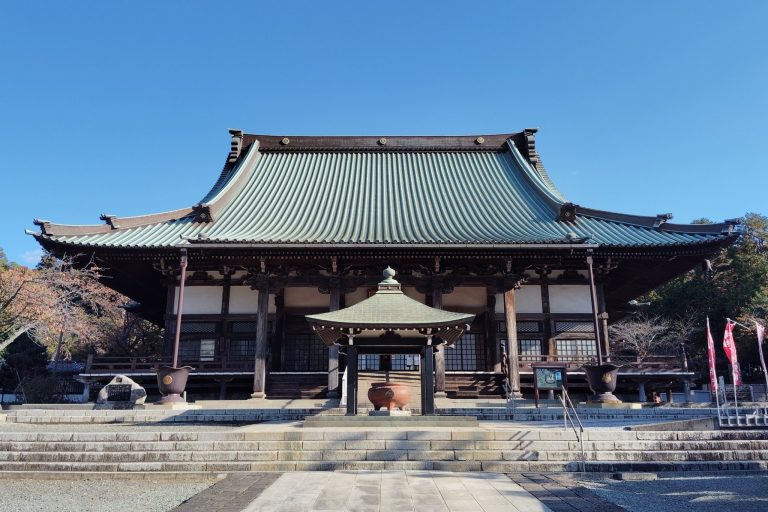
The present Suwa Shrine occupies the site to which it was transferred in 1699. Its surviving shrine complex includes a worship hall. The site follows two earlier locations, beginning with the original position associated with Shōjōkō-ji and later extending to Kazehaya Valley, also known as Suwagayato, before the final relocation to its current setting.