Myōshō-ji Temple: A Nichiren Buddhist Temple in Tokyo

Site at a Glance
- Rating
- 4.5
- Popularity
- Very Low
- Country
- Japan
- Primary era
- Unclassified
- External website
- Open
- Eras represented
- Unclassified
- Civilizations
- Unclassified
- Site type
- Religious
On this page7 sections
History
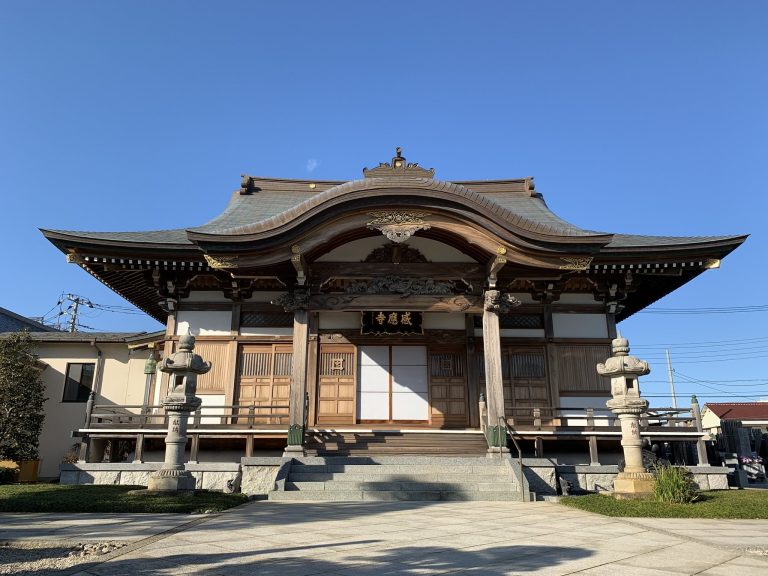
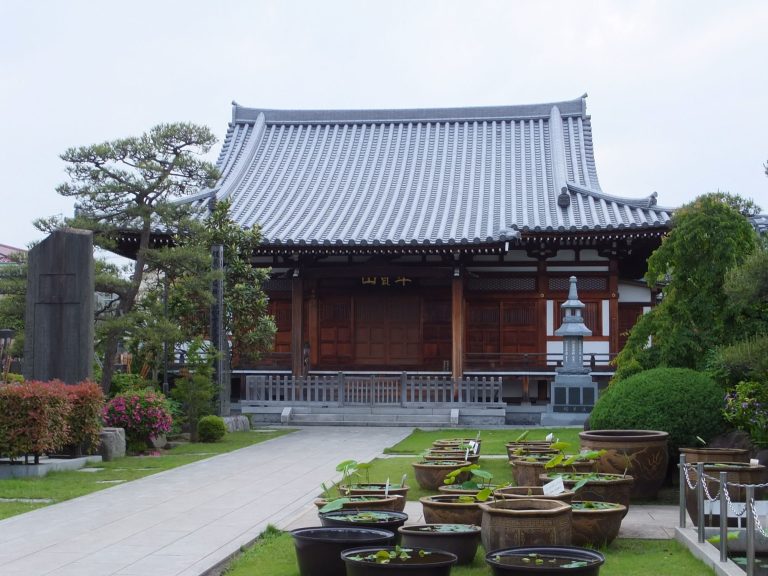
Myōshō-ji Temple is a Nichiren Buddhist temple in Edogawa City, Tokyo, Japan, founded in 1307 by Nisshō of Jōjū-in. Nichiren Buddhism is a Japanese tradition established by Nichiren in the thirteenth century and centered on devotion to the Lotus Sutra.
Foundation and Religious Affiliation
The temple’s formal name is Honkakuzan Myōshō-ji, with Honkakuzan serving as its mountain name. Myōshō-ji is affiliated with the Tasshi lineage. Nisshō, the cleric associated with its establishment, founded the temple during the early development of the Nichiren Buddhist tradition.
Myōshō-ji formerly belonged to a head-temple and branch-temple relationship with Hokekyō-ji, a head temple of Nichiren Buddhism. Rensei-bō is recorded as a subtemple of Myōshō-ji. Nichiren Buddhism’s traditional head-temple and branch-temple system was dissolved in 1941, so these affiliations describe the temple’s earlier institutional history.
One of the temple’s calligraphic treasures was registered by Edogawa Ward as a tangible cultural property and historical document on March 15, 1983. The registration reflects the historical value attached to the object within the temple’s religious heritage.
Remains
The material heritage associated with Myōshō-ji includes sacred calligraphy and devotional images. These objects represent the temple’s connection with Nichiren Buddhist worship and preserve traditions of religious writing and portraiture.
Temple Treasures
Great Mandala Attributed to Its Calligrapher
An ink-on-paper Great Mandala is attributed to its named calligrapher. In Nichiren Buddhism, a Great Mandala is a calligraphic sacred object representing the tradition’s central religious principles and figures. The work is associated with Myōshō-ji’s religious history and was registered by Edogawa Ward in 1983 as a tangible cultural property and historical document.
Great Mandala by Nichiyū
The temple also holds a Great Mandala written by Nichiyū. Its calligraphic form places the object within the devotional tradition of Nichiren Buddhism, where Great Mandalas serve as sacred representations of religious principles and figures.
Image of Nichiren
Another recorded treasure is an image of Nichiren traditionally attributed to Tokugawa Mitsukuni, a seventeenth-century Japanese feudal lord and member of the Tokugawa ruling family. The image preserves the temple’s devotional association with Nichiren, the founder of the tradition to which Myōshō-ji belongs.