Hakusan Shrine: A Shinto Shrine and Kofun Burial Mound in Kimitsu


Site at a Glance
- Rating
- 4
- Popularity
- Very Low
- Country
- Japan
- Primary era
- Classical
- External website
- Open
- Eras represented
- Classical
- Civilizations
- Yamato
- Site type
- Burial
- Remains
- Burial Mound
On this page9 sections
History
Hakusan Shrine is a Shinto shrine in Kimitsu, Japan, associated with Prince Otomo and the deity Kikuri-hime-no-Kami. The shrine was formerly known as Tawara Shrine, and local tradition connects it with Prince Otomo, the seventh-century imperial prince later designated Emperor Kobun, who was defeated in the Jinshin War of 672.
Traditions of Prince Otomo
Shrine tradition holds that Prince Otomo fled east after his defeat, reached this area, and took his own life at the site. He may also have lived here at a place remembered as Ogawa-no-miya. According to the same tradition, an imperial envoy arrived in 684 and established a shrine for him, which received the name Tawara Shrine.
The association with Prince Otomo belongs to a broader group of traditions found in several parts of the Boso Peninsula. One interpretation links these stories with the O clan, described as an ancient ironworking group whose members may have helped people connected with Prince Otomo migrate to the peninsula. The place-name Tawara has also been interpreted as a form derived from tatara, a word associated with ironworking. These explanations remain interpretations of the local tradition rather than established details of the shrine’s foundation.
Recognition in the court records
The ninth-century court chronicle Sandai Jitsuroku records that on July 15, 884, the deity of Tawara Shrine in Kazusa Province was promoted from Senior Sixth Rank, Upper Grade, to Junior Fifth Rank, Lower Grade. The deity in this entry is identified with the shrine. Tawara Shrine is therefore classified as a shrine recorded in the national histories, although it does not appear in the Engishiki, a tenth-century compilation of regulations and shrine listings.
Renaming and the mausoleum campaign
Following the Meiji Restoration, the shrine was renamed Hakusan Shrine and ranked as a village-level shrine in 1873. Its earlier identity continued to be commemorated by a plaque in the worship hall. The inscription, dated 1829, was written by a head of the Office of Shinto Worship, the institution responsible for court ritual and shrine administration in premodern Japan.
The burial mound behind the shrine became the focus of a long campaign to have it recognized as Emperor Kobun’s imperial mausoleum. Mori Katsuzo, a former retainer of the Kururi domain, led the movement after a government order in 1871 called for investigations into possible tombs of empresses, princes, and princesses. Local farmers and elders were questioned, and a report on the shrine’s history was sent to the domain governor and the Office of Shinto Worship. Mori also submitted materials that included the Kururi Record and an old map of Kazusa.
Officials from the Ministry of Doctrine inspected the mound around 1875, before Emperor Kobun’s mausoleum had been officially identified. They judged that it appeared older than the period associated with the local Prince Otomo tradition, and the investigation led to no further action. In 1877, the imperial mausoleum of Emperor Kobun was instead designated as the Nagara-yama-mae Imperial Mausoleum.
Residents of the Obitsu area and former Kururi retainers continued to seek recognition for the mound into the early twentieth century. A petition to the Imperial Household Ministry, submitted in response to instructions about unidentified tombs and ancient mounds connected with local traditions, was rejected. In 1898, Yagi Shozaburo and other researchers from the anthropology department of Tokyo Imperial University carried out the mound’s first archaeological investigation, although it was incomplete. They placed the mound between the reign of Empress Suiko and the beginning of the Heian period and did not entirely rule out the possibility that it was Emperor Kobun’s tomb.
Remains
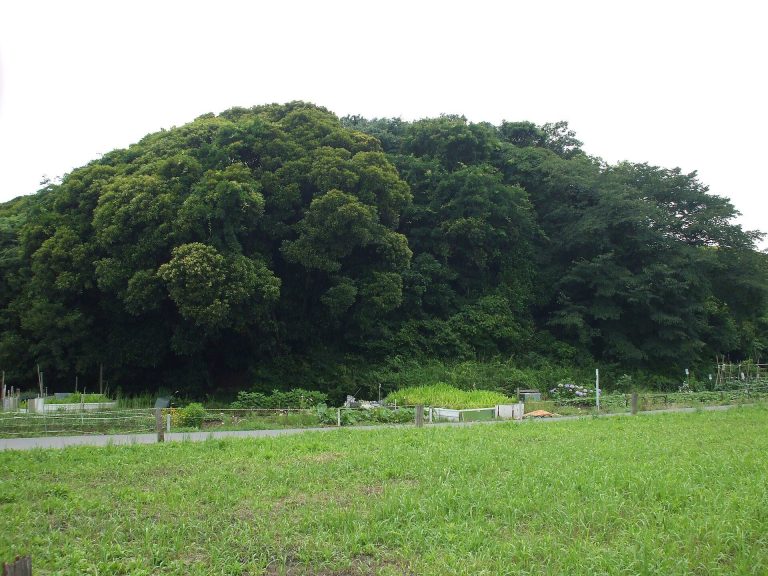
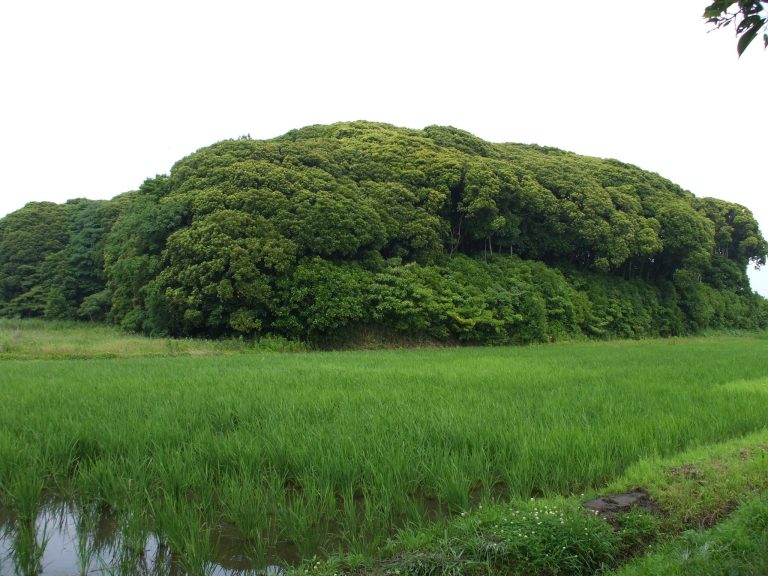
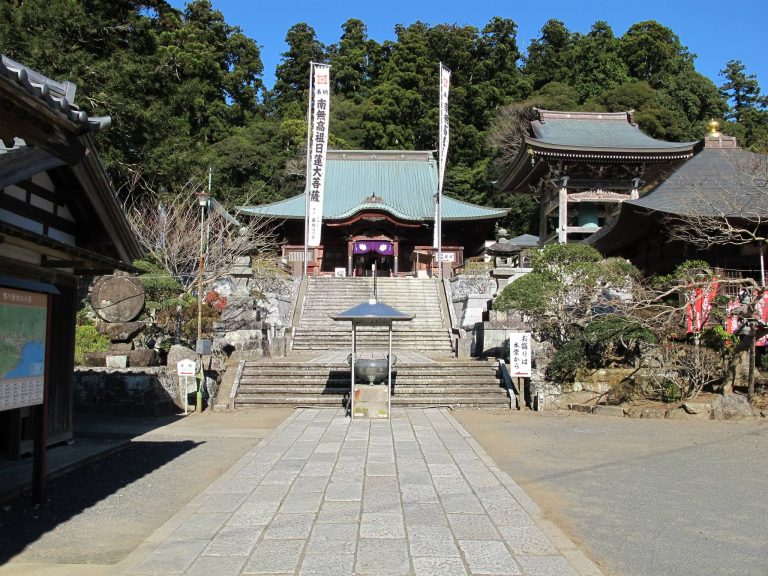
The shrine buildings stand at the front of the site, while Hakusan Shrine Mound rises directly behind them. The mound is a keyhole-shaped burial mound, a form used during the Kofun period, an ancient Japanese era known for monumental tombs with a circular rear section and a projecting front section. It measures approximately 89 metres in total length, and the rear circular section reaches about 10 metres in height.
Burial mound and landscape
Hakusan Shrine Mound
Hakusan Shrine Mound occupies the tip of a tongue-shaped hill on the eastern bank of the middle Obitsu River. Its projecting front section points southwest toward the river. A level area resembling a surrounding ditch and an outer bank extend along the northern side, behind the circular rear section. A hollow on the summit of the rear section may be a pit made by looters.
The mound is estimated to date from the latter half of the fourth century, in the early Kofun period. It forms part of the Hakusan Shrine Mound Group, which contains 17 circular burial mounds in the surrounding area. Within the Obitsu River basin, it is later in date than the large keyhole-shaped mounds at Iigotsuka in Iwade, Kimitsu, and at Sengen Shrine Mound in Kamishinden, Kimitsu.
A 1990 survey examined the mound, while its burial facility remains unknown. The associated grave goods are also unknown. During the incomplete 1898 investigation, however, a nearby circular mound thought possibly to be a subsidiary burial mound produced an animal-shaped mirror and a large sword. Hakusan Shrine is said to preserve a sea-beast-and-grape mirror.
Shrine buildings and inscription
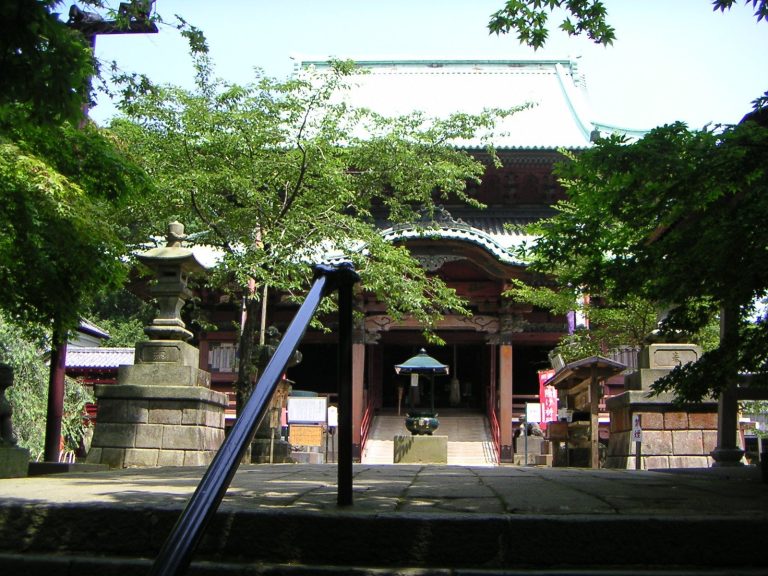
Worship hall
The worship hall contains a plaque inscribed with the words “Tawara Shrine.” Written in 1829, it preserves the shrine’s former name after the site became known as Hakusan Shrine. The buildings’ position in front of the burial mound provides the surviving physical setting in which the shrine and the mound are encountered together.