Konda Hachimangū: A Historic Hachiman Shrine in Japan


Site at a Glance
- Rating
- 4.3
- Popularity
- Low
- Country
- Japan
- Primary era
- Early Modern
- External website
- Open
- Eras represented
- Early Modern
- Civilizations
- Toyotomi regime
- Site type
- Religious
- Remains
- Sanctuary
On this page15 sections
History
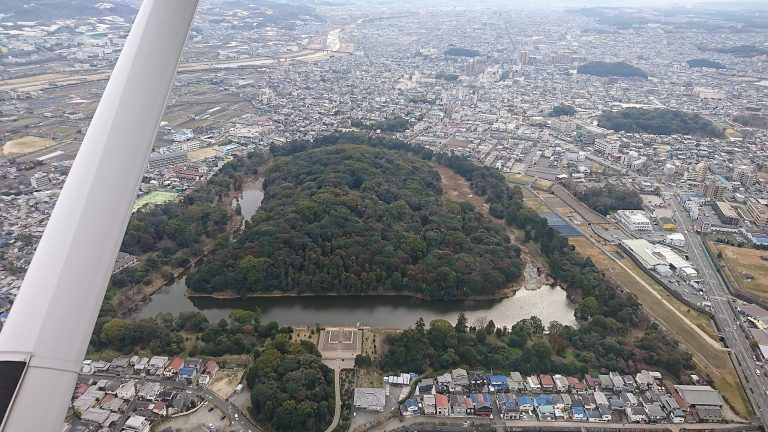
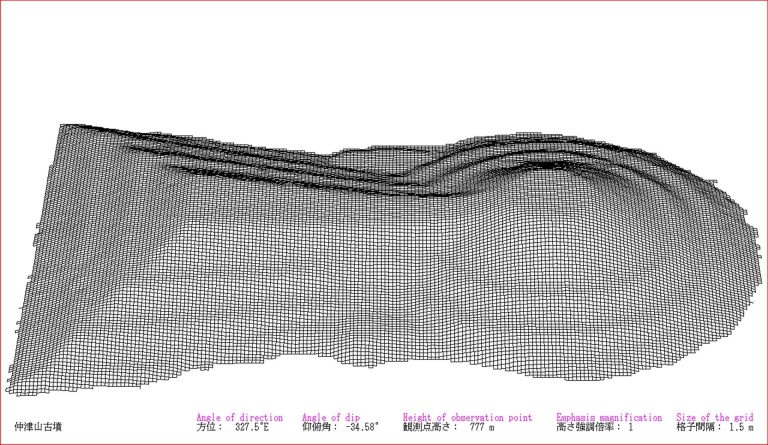
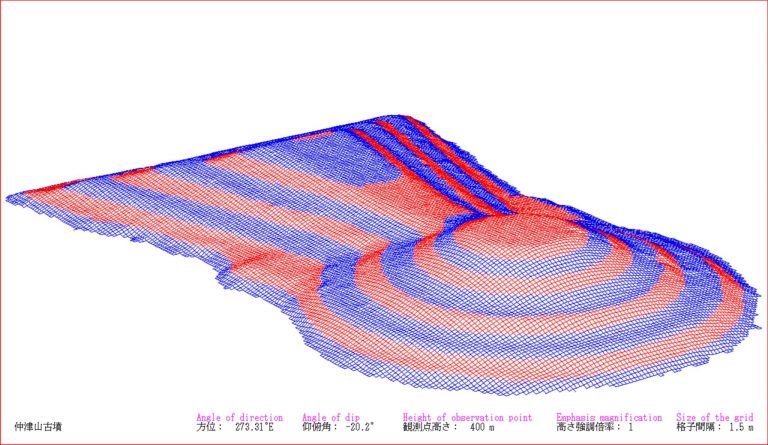
Konda Hachimangū is a Shinto shrine in Japan, located in Habikino, Osaka, beside the southern side of Konda Gobyo-yama Kofun, identified as the mausoleum of Emperor Ōjin. Its principal deities are Emperor Ōjin, Empress Jingū, and Emperor Chūai, imperial figures associated with early Japanese royal traditions. Shrine tradition places its foundation in 559, when Emperor Kinmei established a sacred mausoleum before Ōjin’s tomb while seeking to revive Mimana, a group of polities on the Korean Peninsula whose relationship with early Japan is described in Japanese historical traditions.
Foundation and early development
The shrine’s connection with Ōjin shaped its identity as a Hachiman shrine, one dedicated to a Shinto tradition centered on the deified emperor and associated with protection, warfare, and the Minamoto warrior lineage. Konda Hachimangū therefore claims to be the oldest Hachiman shrine, although another tradition gives that distinction to Kaijin Shrine. Ōjin was said to have lived at the site during childhood, while his empress, Nakatsu-hime, was traditionally regarded as the daughter of Homuda no Makoto, the ruler of the area.
During the Nara period, the monk Gyōki founded Naganozan Gokokuji within the shrine precincts. The shrine and temple consequently formed a joint religious complex. In 1051, during the Heian period, the shrine was moved about one chō south from its original position to its present location. Emperor Go-Reizei later made an imperial visit.
Minamoto patronage and medieval conflict
Hachiman was regarded as the tutelary deity of the Minamoto clan, a warrior lineage whose founder, Minamoto no Yoritomo, established the Kamakura shogunate. Yoritomo repaired the shrine buildings in 1196 and presented a portable shrine, a ritual structure carried in religious processions. Ashikaga Yoshinori, the sixth shogun of the Muromachi shogunate, later dedicated illustrated scrolls concerning the shrine and Empress Jingū.
Successive military leaders who claimed descent from the Minamoto clan continued to support the shrine. From the Nanboku-chō through the Sengoku period, the family of Konda Mikawa Nyūdō protected the complex. Its head held the office of betto, an official responsible for supervising a major religious institution or shrine-temple complex.
The Hatakeyama clan’s internal conflict, which began in 1454, brought severe destruction to the complex. The Hatakeyama ruled Kawachi, and fighting within their family resulted in the burning of the shrine buildings and Buddhist structures. The complex then entered a period of decline. Some members of the Konda family, regarded as descendants of Emperor Ōjin and later destroyed by the Miyoshi clan, were said to have fled to Shikoku and Kyushu. In the Edo period, members of the family were also said to have controlled the organization of itinerant and open-air merchants throughout the Kansai region.
Sixteenth- and seventeenth-century rebuilding
After Oda Nobunaga brought Kawachi under his control, he confiscated all of the shrine’s estates. Toyotomi Hideyoshi later restored an endowment yielding 200 koku, a historical measure of assessed agricultural yield, and rebuilt the shrine buildings. Those buildings burned in 1586, and the 200-koku estate was subsequently transferred to Komuro Village in Shiki District, Kawachi.
In 1606, Toyotomi Hideyori appointed Katagiri Katsumoto as construction magistrate for a further rebuilding. The project included the main sanctuary, central gate, worship hall, and other structures. Construction of the worship hall was interrupted by the Siege of Osaka and the fall of the Toyotomi family, leaving its interior unfinished. The Tokugawa shogunate later confirmed the 200-koku estate and repaired the shrine buildings several times.
Meiji transformation and continuing traditions
Naganozan Gokokuji once had fifteen subtemples, and thirteen hereditary shrine families served the shrine. At the beginning of the Meiji period, the separation of Buddhism and Shinto, together with the associated anti-Buddhist movement, led to the demolition of the temple’s main hall and other buildings. The South Great Gate remained. The shrine was also classified as a prefectural shrine, and the swordsman Momonoi Naomasa served as its chief priest during the Meiji period.
Konda Hachimangū remains associated with an annual festival held on September 15. At the New Year’s festival and during the first three days of the year, it distributes locally produced Kawachi red wine as ritual sake. The drink is called “Hinomaru Miki” because of its contrast with a white sake cup. Habikino and Kashiwara are major grape-producing areas of Osaka, where wine production began relatively early. The shrine is designated a former prefectural shrine and is also an additional pilgrimage stop on the Kawachi Asuka Ancient Shrines and Temples circuit.
Remains
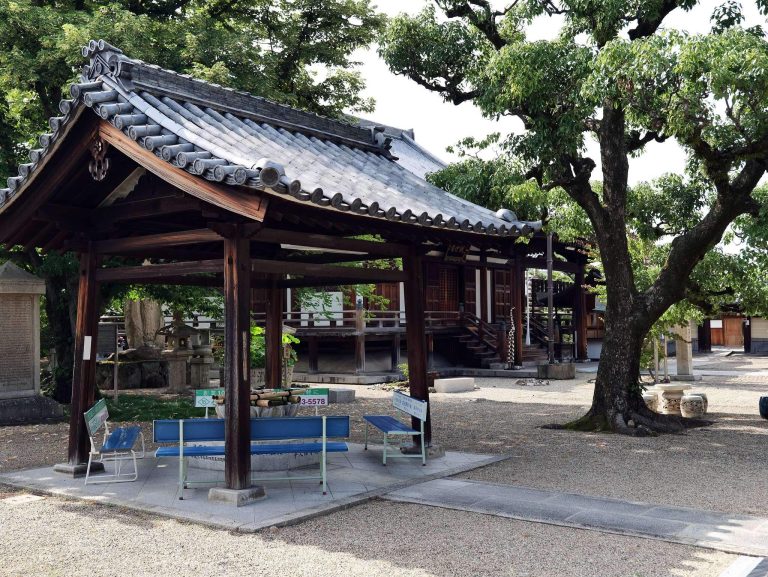
The shrine precincts occupy the area immediately south of Konda Gobyo-yama Kofun, a large ancient Japanese burial mound identified as Emperor Ōjin’s tomb. The original shrine stood before the tomb before its relocation about one chō south in 1051. The present complex includes the main sanctuary, central gate, and worship hall, while surviving features and associated objects reflect both the shrine’s Shinto identity and its former shrine-temple history.
Principal shrine buildings
Main sanctuary
The main sanctuary forms one of the principal buildings of the present shrine complex. It was included in the rebuilding undertaken in the early seventeenth century after the earlier buildings had been destroyed. The sanctuary belongs to the group of structures repaired under the Tokugawa shogunate.
Central gate
The central gate was another major structure included in the 1606 rebuilding directed by Katagiri Katsumoto. It stands within the surviving shrine layout alongside the main sanctuary and worship hall.
Worship hall
The worship hall was rebuilt in the early seventeenth century, but the Siege of Osaka interrupted the work before its interior was completed. Later repairs to the shrine buildings preserved the structure within the complex.
Former temple and associated cultural properties
South Great Gate
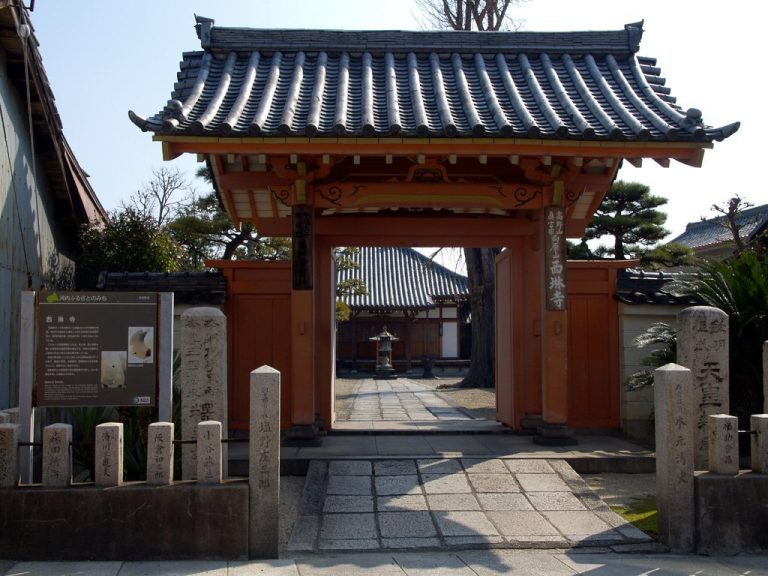
Naganozan Gokokuji once occupied part of the shrine precincts and included fifteen subtemples. Its main hall and other Buddhist buildings were demolished during the Meiji-era separation of Buddhism and Shinto. The South Great Gate is the surviving remnant of that former Buddhist complex.
Kamakura-period portable shrine
A portable shrine associated with Konda Hachimangū dates from the Kamakura period. It has gilt-bronze fittings and scattered mother-of-pearl inlay, a technique that sets pieces of shell into a surface. Minamoto no Yoritomo donated it to the shrine, linking the surviving ritual object with the medieval Minamoto patronage of the complex.
Fittings from Maruyama Kofun
Two sets of openwork gilt-copper saddle fittings were excavated from Maruyama Kofun, a satellite mound associated with Emperor Ōjin’s tomb. The associated material includes a gilt-copper cheek-plate, flower-shaped gilt-copper harness fittings, fragments of a sword with antler fittings, and fragments of iron arrowheads and stirrups. Excavation documentation accompanies these finds.
Stone lantern and Hōjō Bridge
The shrine’s physical cultural properties also include a stone lantern donated by Ohashi Ryūkei in 1641 and the Hōjō Bridge. The name Hōjō refers to the Buddhist practice of releasing captive animals, a religious association preserved in the bridge’s name.