Miwayama Kofun Group: Early Kofun Burial Mounds in Japan
Site at a Glance
- Rating
- 5
- Popularity
- Very Low
- Country
- Japan
- Primary era
- Classical
- Eras represented
- Classical, Medieval, Early Modern
- Civilizations
- Unclassified
- Site type
- Burial
- Remains
- Necropolis
On this page8 sections
History
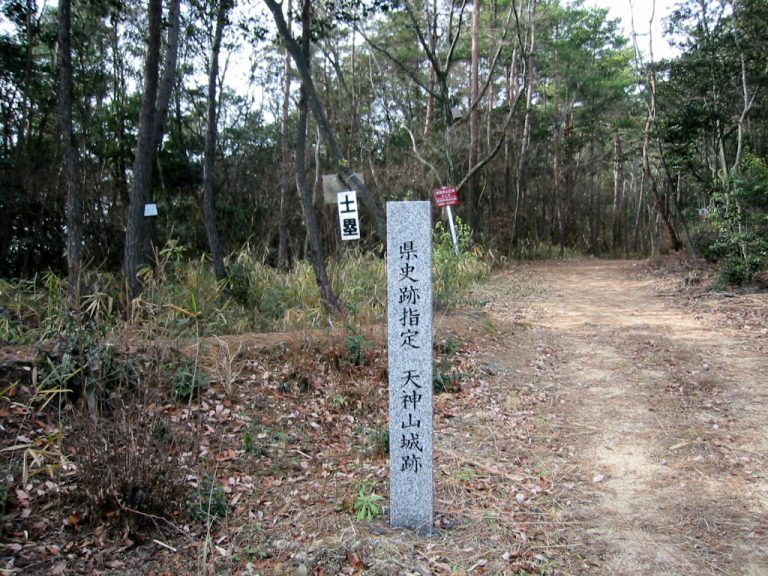
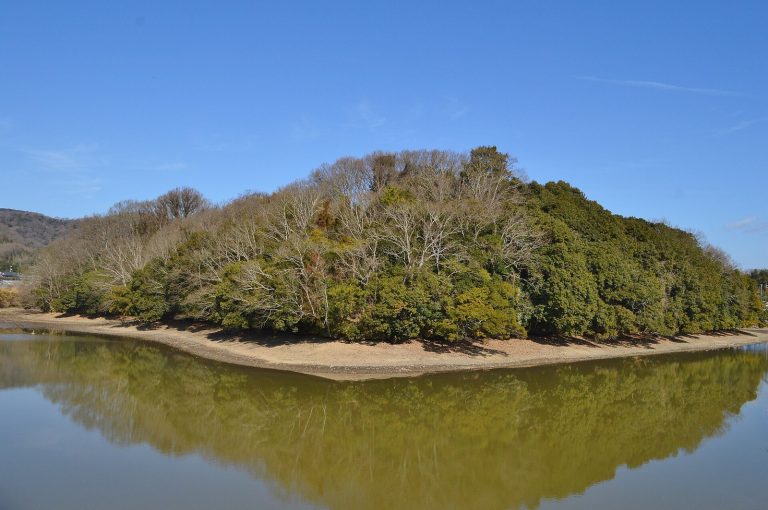
Miwayama Kofun Group is a fourth-century Japanese burial-mound complex in Tsuyama, Japan, built during the early Kofun period, the era of monumental elite tombs that flourished from approximately the third to the sixth centuries. It occupies the tip of a hill on the left bank of the Yoshii River, at the western edge of the Tsuyama urban area. The group contains four surviving mounds, and its construction sequence is generally reconstructed as No. 1, followed by No. 2 and then No. 3.
Early Kofun development
The mounds belong to the period when large burial monuments were constructed for members of Japan’s ruling elite. Miwayama Kofun No. 1 is among the largest keyhole-shaped burial mounds in the historical region of Mimasaka, which broadly corresponds to northern Okayama Prefecture. Fragments of clay funerary objects called haniwa, including pieces marked with spatula-drawn patterns, support a fourth-century date for the group.
Nos. 1, 2, and 3 also carried traditional labels connected with a large-snake legend preserved in the Edo-period work Sakuyoshi. The Edo period was the era of Tokugawa shogunal rule from 1603 to 1868, when local traditions about older sites were often written into regional histories.
Castle use and preservation
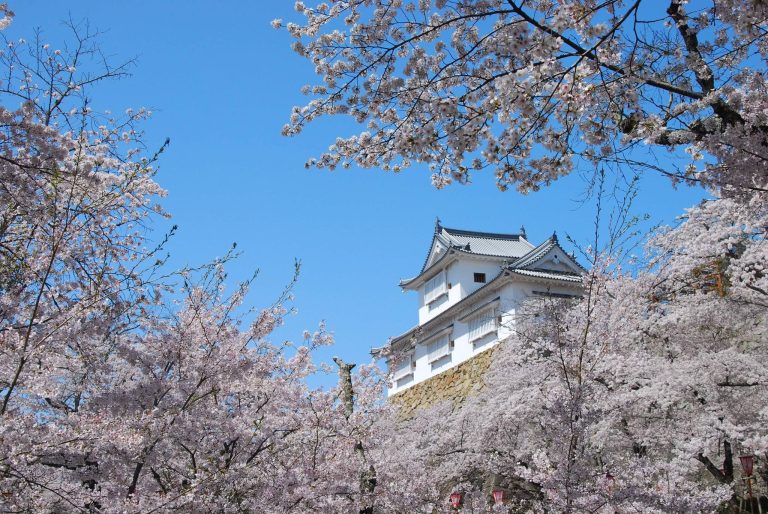
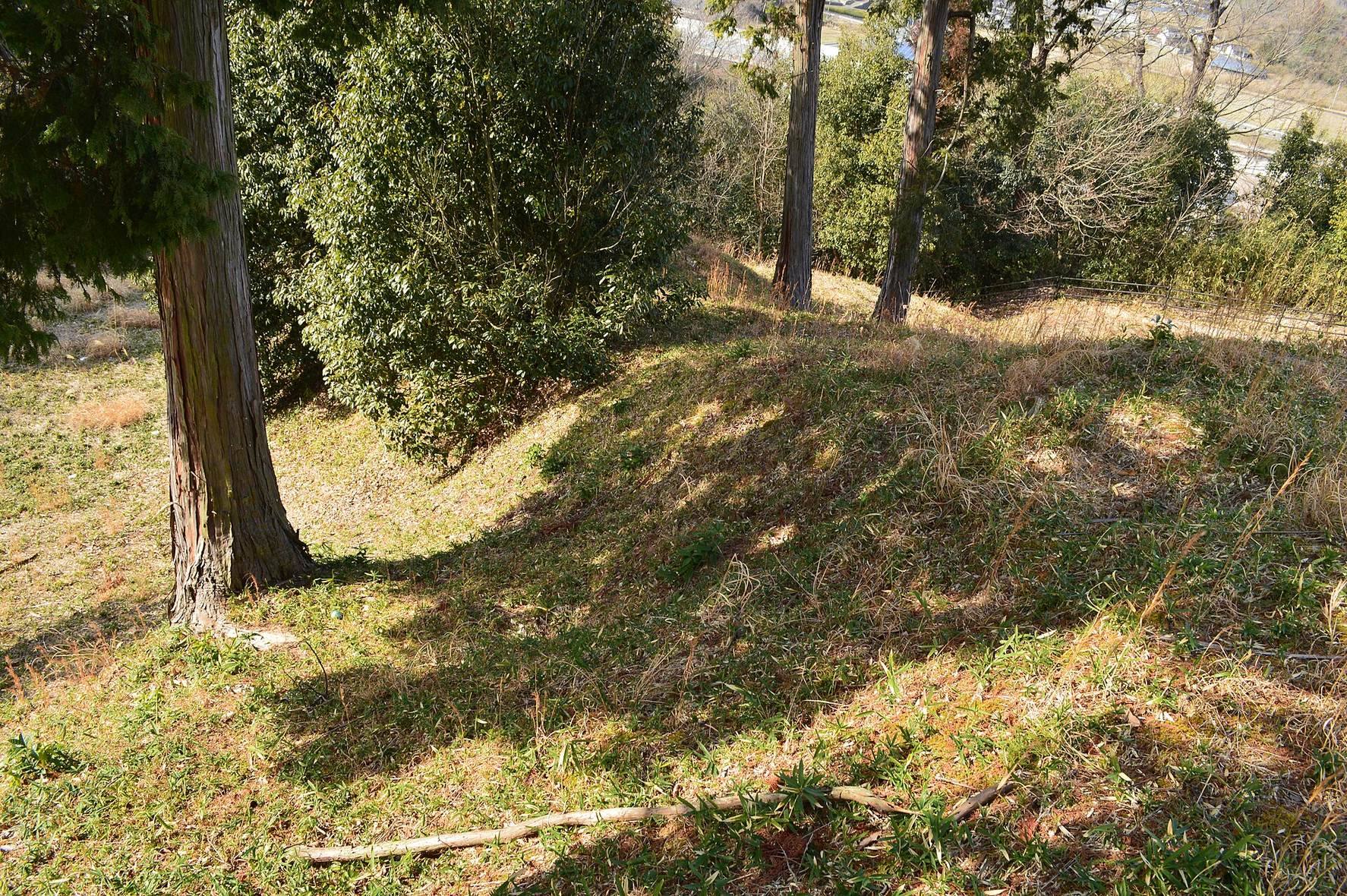
During the Sengoku period, an era of intense military and political rivalry in Japan that conventionally spanned the fifteenth and sixteenth centuries, Miwayama Castle was established on the hill. The eastern and western overhangs of Miwayama Kofun No. 1 are regarded as surviving earthen walls associated with the castle, linking the ancient burial landscape with later military use.
Tsuyama designated the site as a municipal historic site in 1965, followed by national designation in 1977. The national designation covered the burial-mound areas of Nos. 1, 2, 3, and 6. That year, a housing development was planned for the area, but approximately 30,000 square meters was rapidly protected as a National Historic Site. Confirmation and surveying investigations took place before improvement works in fiscal year 1985, within a preservation program carried out from fiscal year 1984 through fiscal year 1991. The site is now maintained as a historic-site park.
Remains
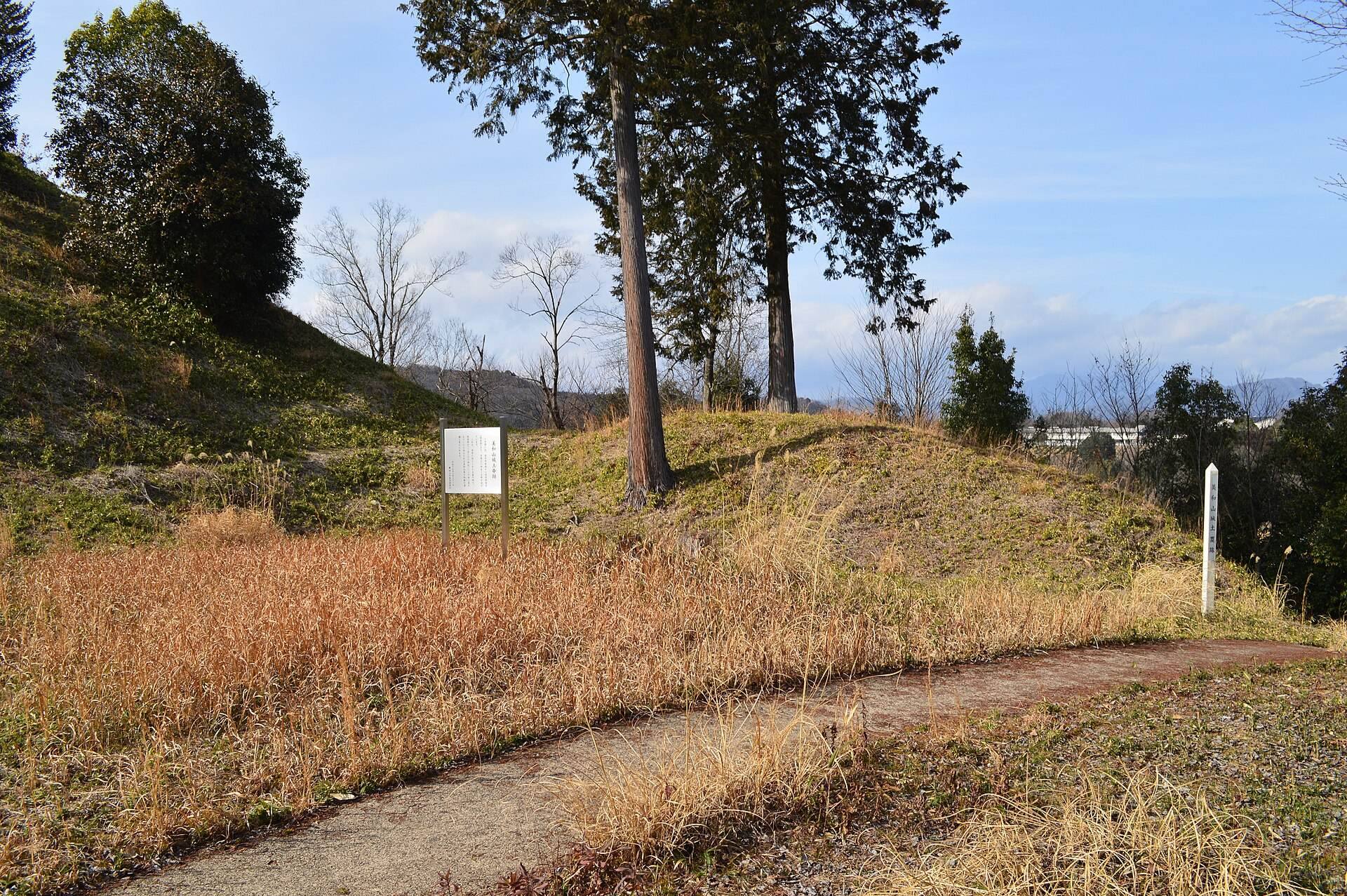
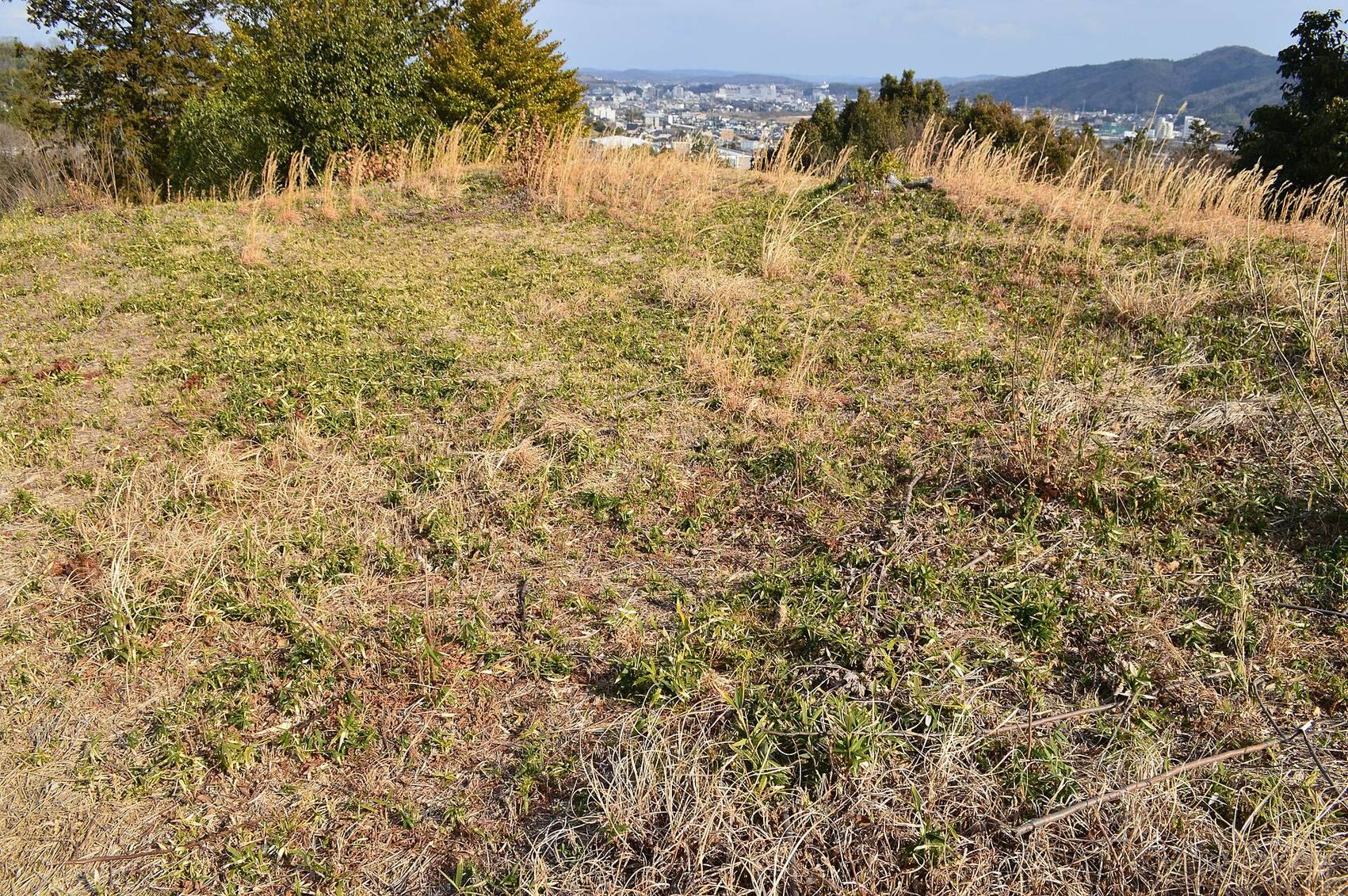
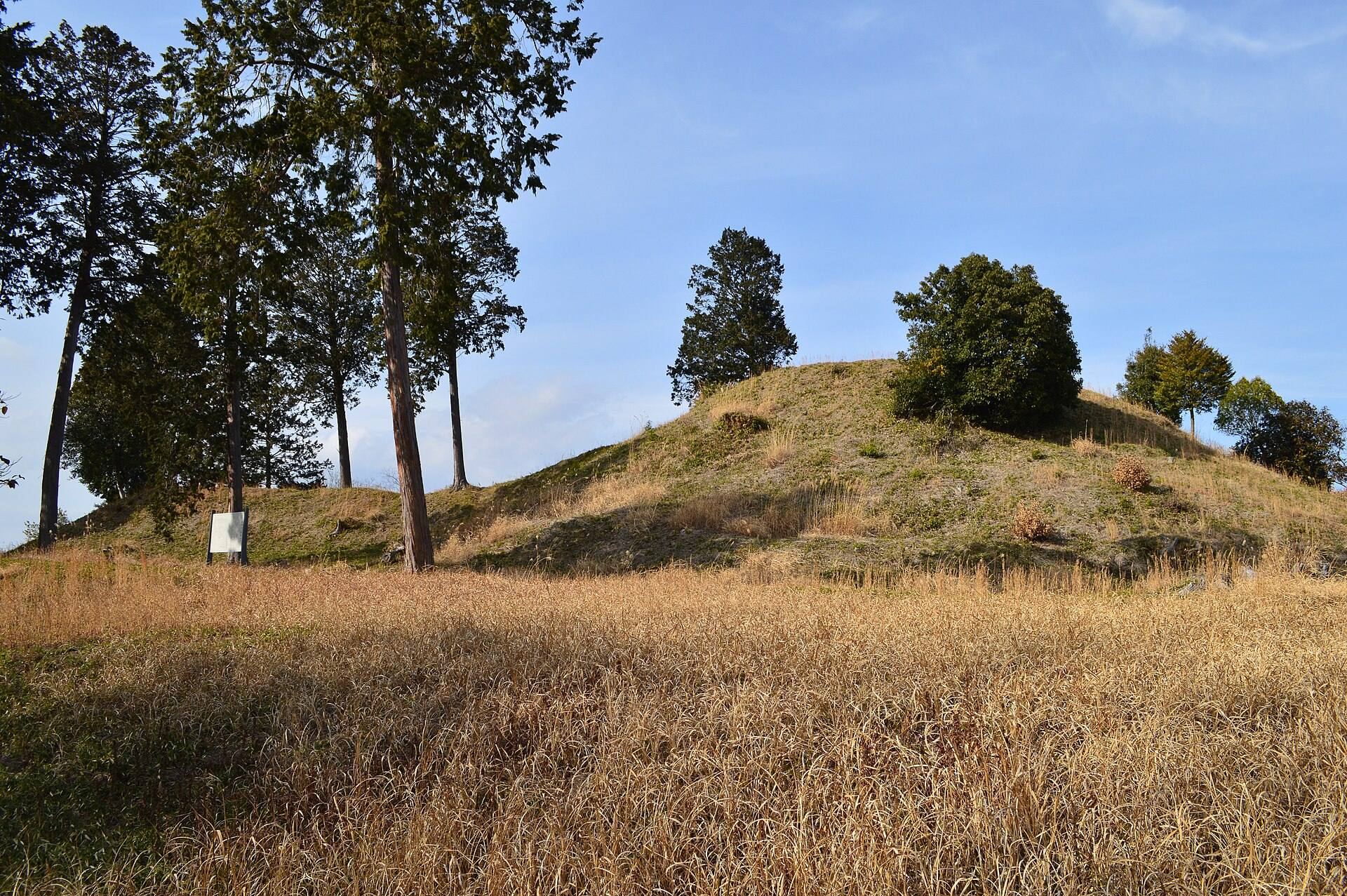
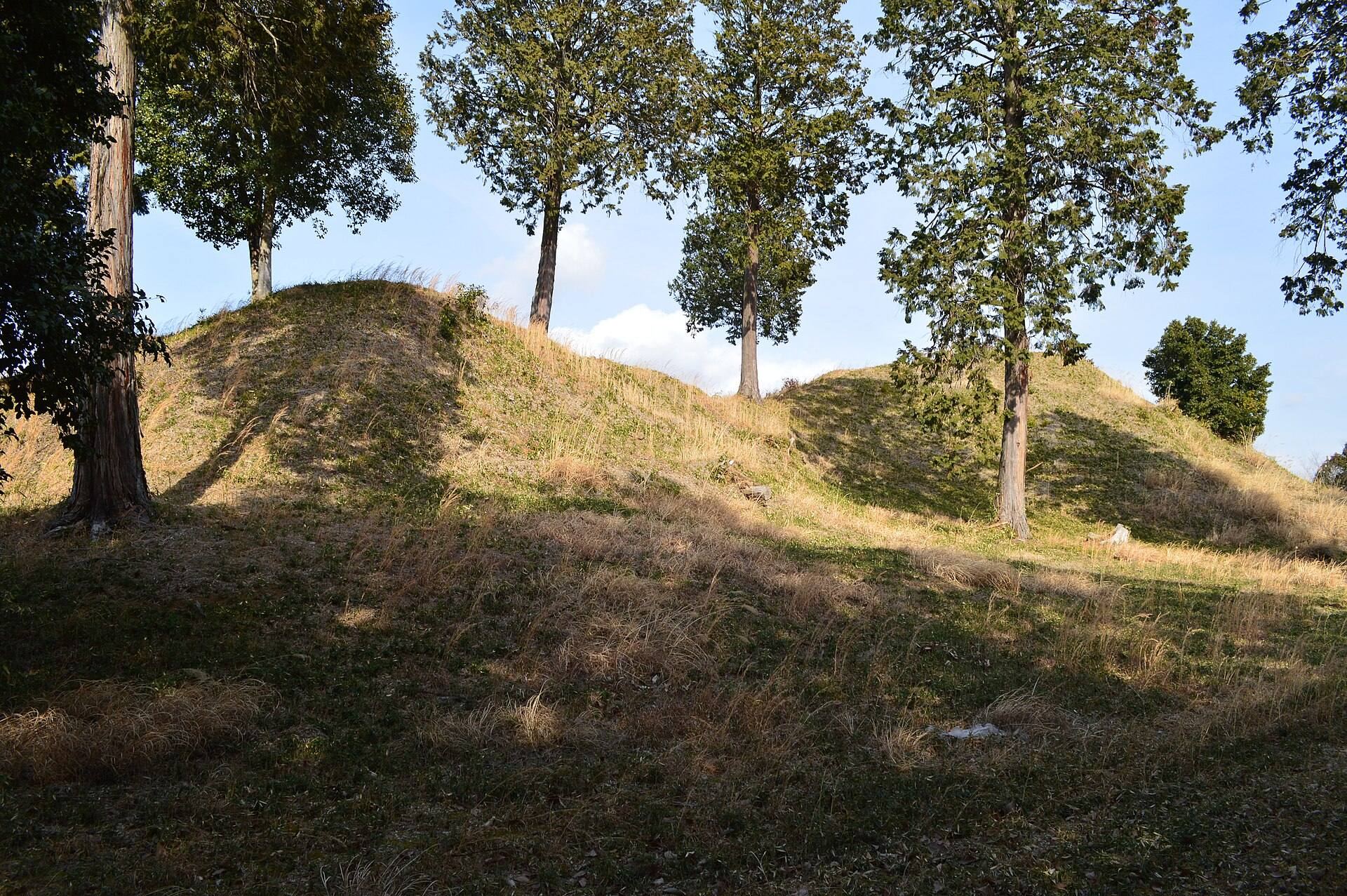
The group occupies a hilltop tip and consists of one keyhole-shaped mound and three circular mounds. A keyhole-shaped mound combines a rectangular front section with a circular rear section, while a circular mound is a simple round burial monument. Stone coverings called fukiishi survive in parts of the mound surfaces. Fukiishi are stones laid over earthen slopes to help protect and stabilize them. Excavated haniwa fragments are kept at the Tsuyama Yayoi-no-Sato Cultural Properties Center.
Principal burial mounds
Miwayama Kofun No. 1
No. 1 is a keyhole-shaped mound measuring approximately 79.6 to 80.5 meters in length. Its rear circular section is about 48 meters in diameter and rises 9.1 to 10.4 meters high, while the front section reaches 5.3 to 6.5 meters. Its scale places it among the largest keyhole-shaped kofun in Mimasaka. The eastern and western overhangs associated with the mound preserve the earthen-wall remains connected with the later Miwayama Castle.
Miwayama Kofun No. 2
No. 2 is a circular mound with a reconstructed estimated diameter of more than 34 meters. It rises approximately 6.5 meters and forms part of the sequence of fourth-century burial monuments represented by the group.
Miwayama Kofun No. 3
No. 3 is a circular mound with a reconstructed estimated diameter of more than 36 meters and a height of approximately 5.5 to 6.5 meters. Together with the surviving stone coverings and associated haniwa fragments, its form contributes to the archaeological picture of the early Kofun-period cemetery.