An’yō-in Temple: A Jōdo-shū Buddhist Temple in Kamakura
Site at a Glance
- Rating
- 3.9
- Popularity
- Low
- Country
- Japan
- Primary era
- Medieval
- Eras represented
- Medieval
- Civilizations
- Kamakura shogunate
- Site type
- Religious
- Remains
- Temple
On this page12 sections
History
An’yō-in Temple is a Jōdo-shū Buddhist temple in Kamakura, Japan, whose present institution developed from three earlier temples. Its formal name is Gionzan An’yō-in Chōraku-ji, and its principal image is Amida Nyorai, the Buddha of the Pure Land tradition. The temple’s history reaches back to the Kamakura period, an era of warrior rule conventionally dated from 1185 to 1333.
Foundations and memorial traditions
The present site was first occupied by Zendō-ji, a Jōdo temple founded by the monk Sonkan. Another predecessor, Chōraku-ji, was traditionally established in 1225 by Hōjō Masako at Hase Sasame-ga-yatsu as a memorial temple for her husband, Minamoto no Yoritomo. Yoritomo founded the Kamakura shogunate, Japan’s first major warrior government. Chōraku-ji originally belonged to the Ritsu school, a Buddhist tradition associated with strict observance of monastic discipline, and its founding priest was Gangyō.
After Masako’s death, Chōraku-ji also served as a memorial institution for her. The name An’yō-in derives from her posthumous name. This connection gives the temple a continuing association with one of the early Kamakura period’s major political figures.
Destruction, combination, and rebuilding
Chōraku-ji was destroyed by fire in 1333 during the fall of the Kamakura shogunate, when forces led by Nitta Yoshisada attacked Kamakura. Its remnants were combined with Zendō-ji at the present location under the sponsorship of Kōmyō-ji, a Jōdo Buddhist temple in Kamakura. The resulting institution became known as An’yō-in Chōraku-ji.
The combined temple burned again in 1680 and was rebuilt afterward. During the Edo period, the era of Tokugawa shogunal rule conventionally dated from 1603 to 1868, it was further merged with Tashiro-ji. That earlier temple had been founded in 1192 at Hiki-ga-yatsu by Tashiro Nobutsuna, with Sonjō as its founding priest.
Religious associations and preservation
An’yō-in inherited the image of Senjū Kannon from Tashiro-ji. Senjū Kannon is the thousand-armed form of Kannon, a Buddhist bodhisattva associated with compassion, and the image is therefore also called Tashirō Kannon. Through it, the temple is associated with the Bandō Sanjūsankasho, a pilgrimage circuit of thirty-three Kannon temples in eastern Japan, and with the Kamakura Thirty-Three Kannon circuit. An’yō-in is listed as the third stop in these pilgrimage traditions.
The temple’s historic monuments and features have undergone preservation and repair, including a conservation-repair project for its hōkyōintō, a Japanese Buddhist reliquary monument commonly erected for memorial and religious purposes. Its cultural heritage includes a National Important Cultural Property and a Kamakura-period wooden statue designated by Kamakura City.
Remains
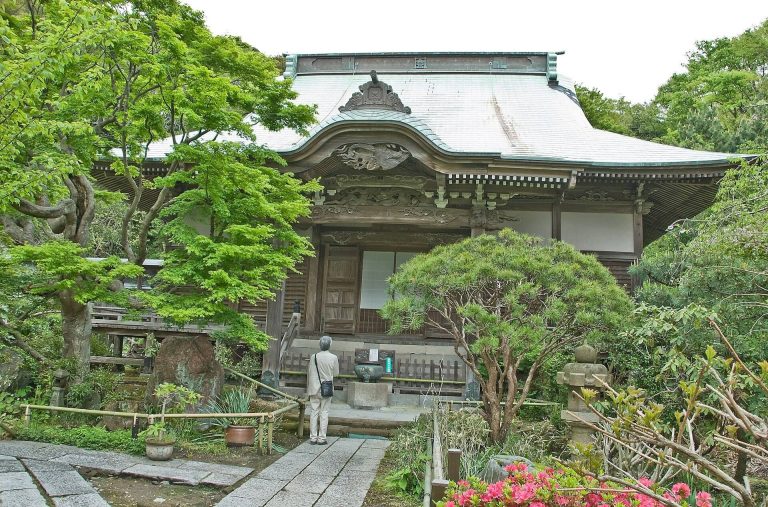
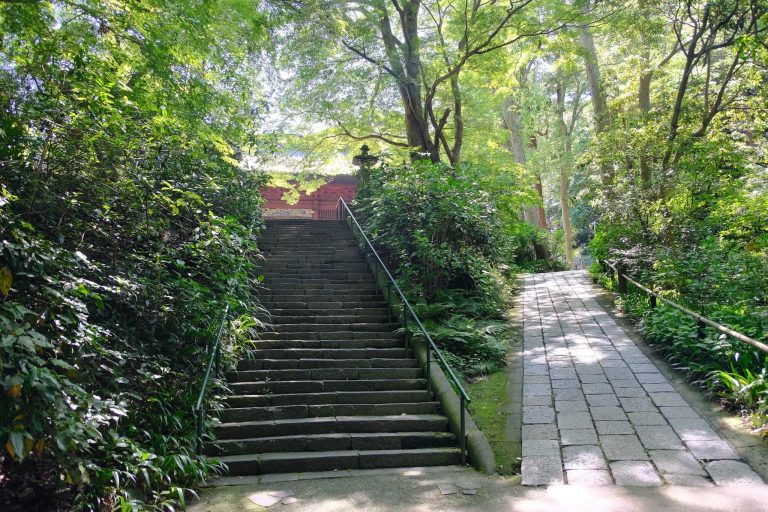
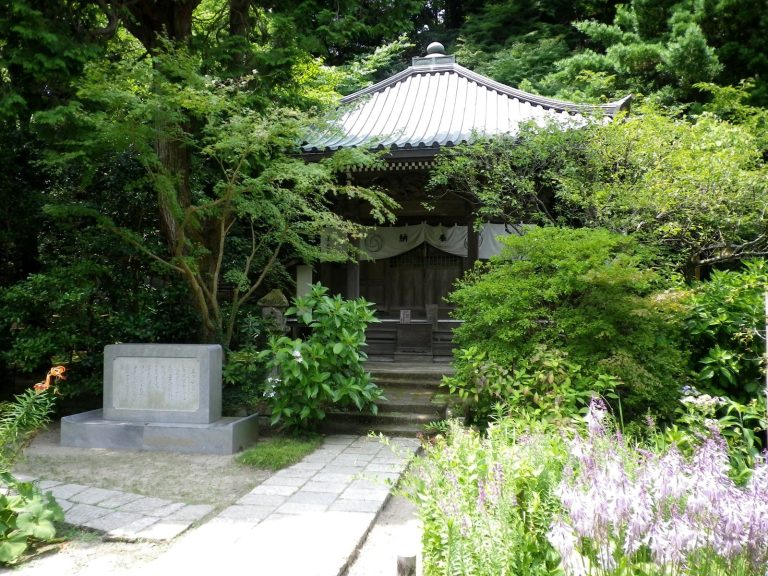
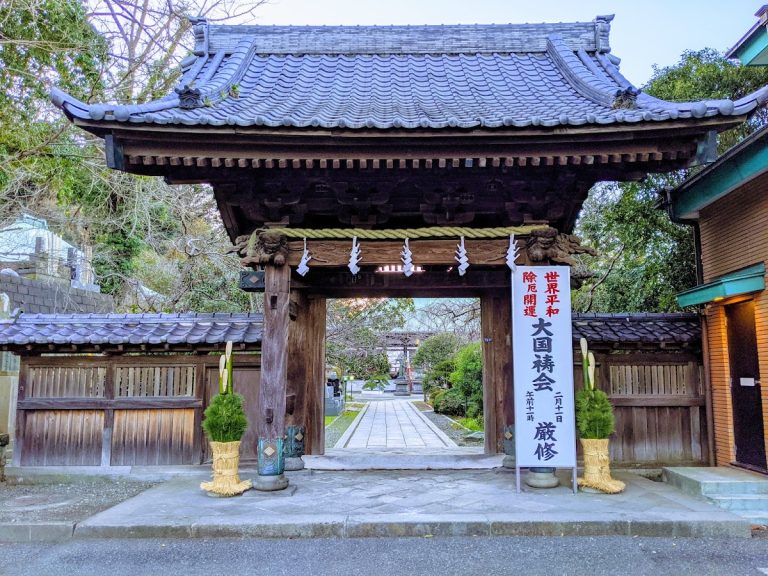
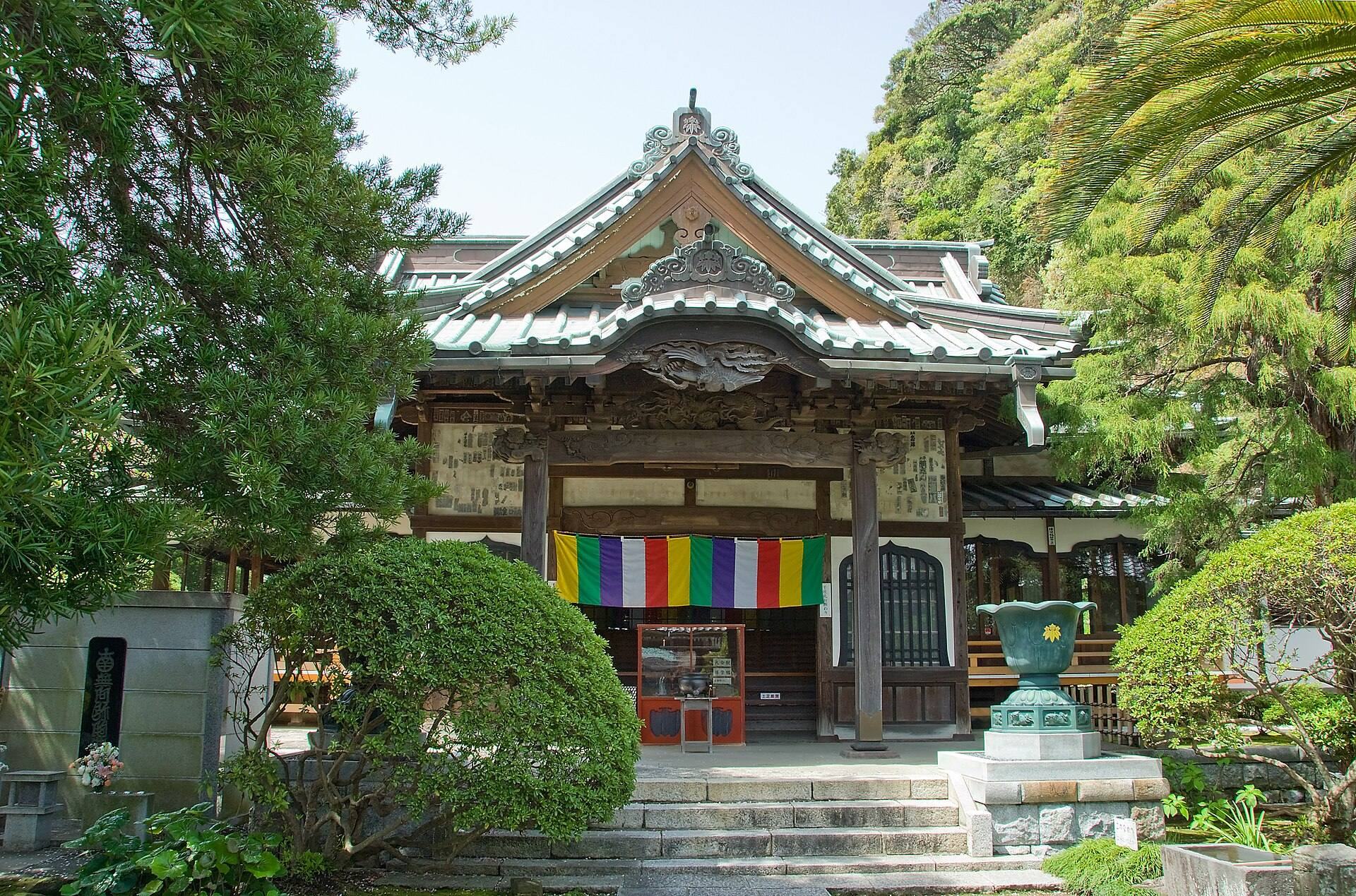
An’yō-in stands at 3-1-22 Ōmachi in Kamakura, Kanagawa Prefecture, under the mountain name Gionzan. The surviving complex includes the main worship hall, images inherited from its predecessor institutions, two hōkyōintō behind the temple, and garden and cemetery features around the gate.
Temple images and memorial monuments
Main hall and Buddhist images
The hondō, or main hall, enshrines Amida Nyorai as the principal image of worship. The temple also houses Senjū Kannon, whose thousand arms express the ability to respond to suffering. Known at An’yō-in as Tashirō Kannon, the image preserves the religious connection with Tashiro-ji.
Hōkyōintō
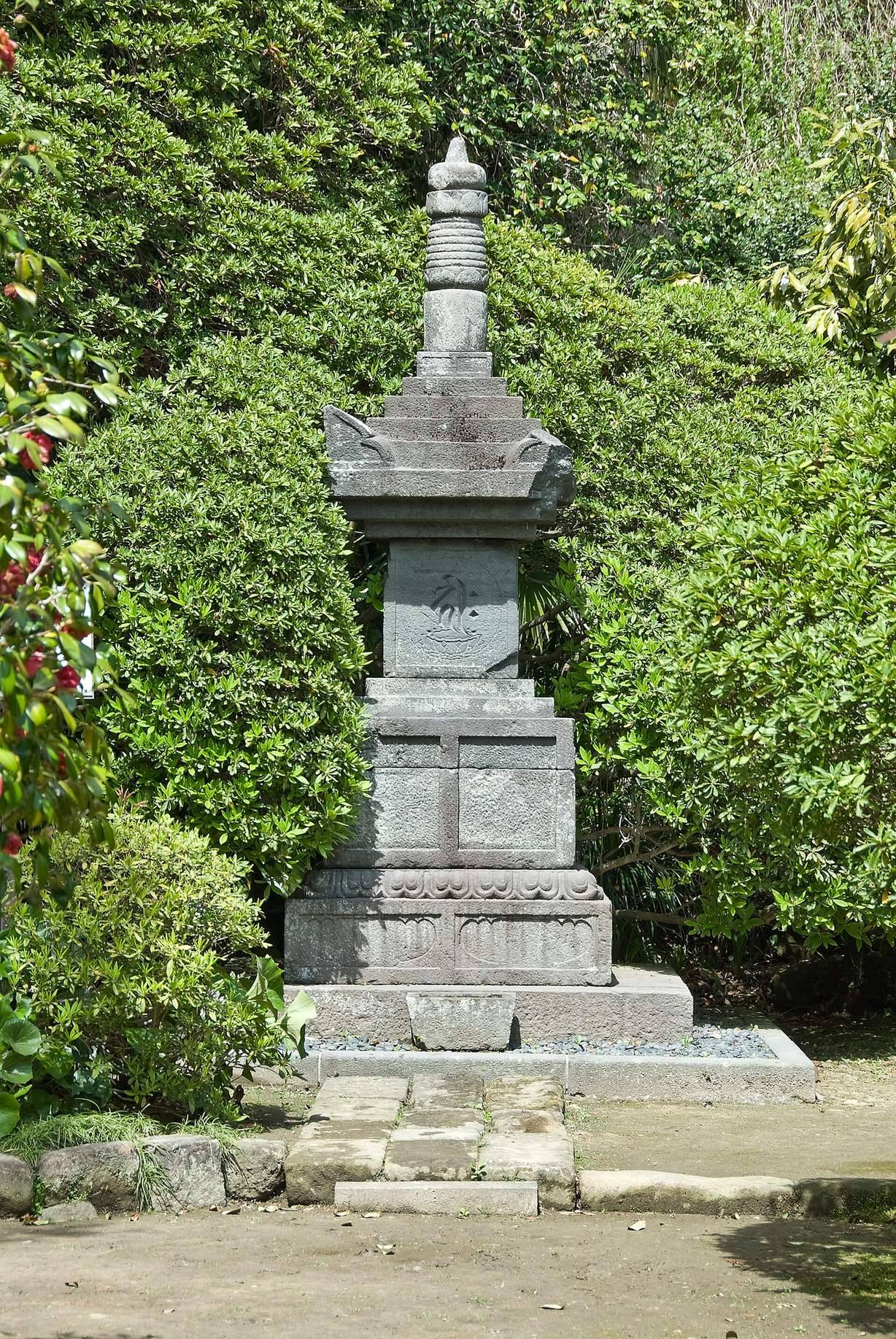
Two hōkyōintō stand behind the temple. The smaller monument is regarded as one of the possible graves of Hōjō Masako. The other dates to 1308 and is regarded as the oldest known hōkyōintō in Kamakura. It belongs to the Kamakura period and is a National Important Cultural Property. Its upper finial is a later reconstruction, and the monument has been subject to conservation and repair.
Gangyōbō Enman Shōnin
The temple preserves a wooden seated statue of Gangyōbō Enman Shōnin, identified as the founding priest of Zendō-ji. The image dates from the Kamakura period and is designated a cultural property by Kamakura City.
Garden and cemetery
Garden trees and plantings
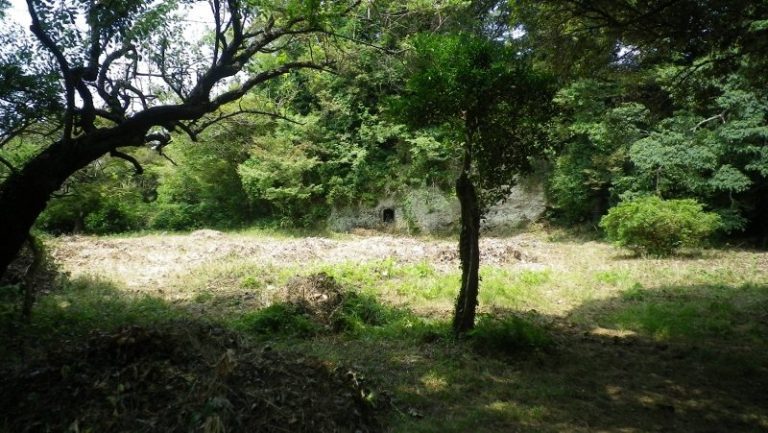
A large Chinese black pine in the garden is stated to be more than 700 years old. The grounds are also noted for their rhododendrons.
Cemetery along the temple gate
A small cemetery lies along the alley in front of the temple gate. It contains the grave of film director Akira Kurosawa.