Uwajima Castle: A Historic Japanese Castle in Japan
Site at a Glance
- Rating
- 4.2
- Popularity
- Medium
- Country
- Japan
- Primary era
- Early Modern
- External website
- Open
- Eras represented
- Medieval, Early Modern, Modern
- Civilizations
- Japanese, Tokugawa, Toyotomi regime
- Site type
- Military
- Remains
- Castle
On this page11 sections
History
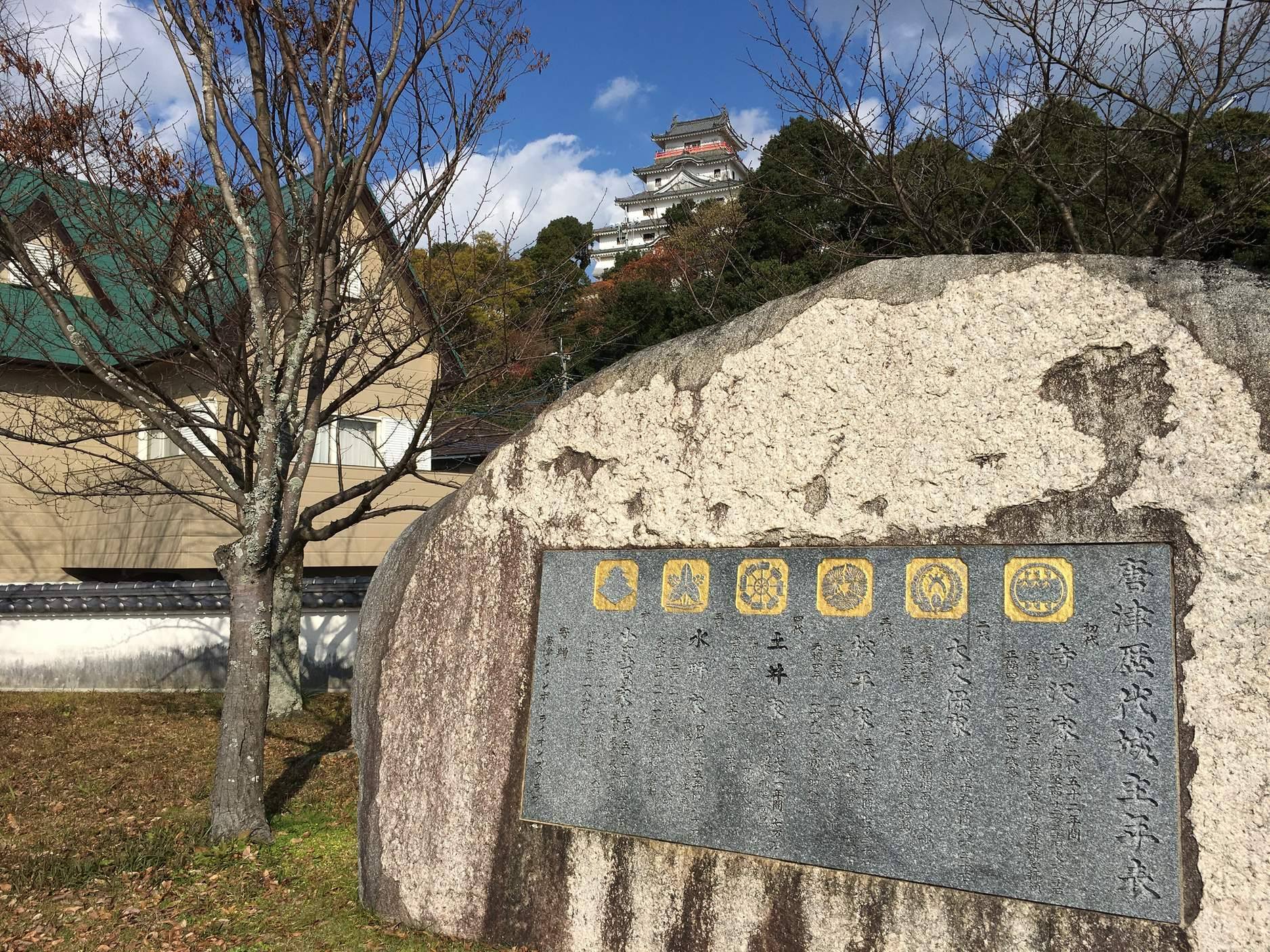
Uwajima Castle is a hirayama-style Japanese castle in Uwajima, Japan, rebuilt in stone and wood by Tōdō Takatora beginning in 1601. It stands on a hill in the southern part of the former Iyo Province and developed from a fort connected with tenth-century conflict in the Seto Inland Sea.
Early Fortifications
During the Heian period, the Uwajima area, particularly Hiburijima Island in Uwajima Bay, was associated with piracy in the Seto Inland Sea. The area became a stronghold of Fujiwara no Sumitomo, a provincial military leader linked to a major rebellion and piracy. In 941, a guard envoy established a fort on the hill while suppressing the rebellion and called it Itashima Marugushi Castle. Another fortification was built on the same hill in 1236.
Medieval and Sengoku Developments
During the Muromachi period, the era of the Ashikaga shogunate, the shogunate appointed a branch of the Saionji family as regional governors. The Saionji resisted repeated attacks from neighboring powers until Chosokabe Motochika defeated them. Motochika was later overthrown by forces belonging to Toyotomi Hideyoshi, the warlord who unified much of Japan in the late sixteenth century.
Hideyoshi granted Iyo Province to Kobayakawa Takakage, who assigned the Uwajima area to his adopted son and half-brother, Hidekane. After Takakage moved to Kyushu, Hideyoshi’s general Toda Katsutaka expanded the minor fortification into a castle during the Sengoku period, an era of prolonged warfare among competing regional powers. Toda later died during the invasion of Korea without an heir.
Takatora’s Reconstruction and the Date Domain
Tōdō Takatora was subsequently assigned the domain and rebuilt the castle over six years from 1601. He retained the earlier layout while adding stone walls, secondary enclosures, fortified gates, and water moats. In 1604, the tenshu, or principal castle keep, of Kagomori Castle was moved to Uwajima and converted into the castle’s Tsukimi Yagura, a smaller tower used for defense and observation.
After the Tokugawa shogunate was established, Uwajima Domain was assigned to Date Hidemune, the eldest son of Date Masamune and head of a cadet branch of the Date clan. The castle was renamed Uwajima Castle around 1617. The Date clan ruled the domain until the Meiji Restoration, the nineteenth-century political transformation that ended the Tokugawa shogunate and established imperial government.
Repairs and Late Tokugawa Rule
An earthquake severely damaged the castle in 1649. Major repairs and expansion began in 1650 and continued until 1671. Date Munetoshi replaced the earlier keep with the present tenshu in 1666.
The Ansei earthquakes of 1854 caused further extensive damage. The tenshu and 24 yagura were affected, four yagura were completely destroyed, and major restoration continued until 1860. During the Bakumatsu, the final years of the Tokugawa shogunate, Date Munenari introduced military reforms and established a Western-style army. Uwajima Domain took part in the Boshin War, the conflict that accompanied the fall of the shogunate and the establishment of imperial rule, while the castle itself remained undamaged.
Destruction, Preservation, and Recognition
The castle initially escaped the government campaign that dismantled former feudal fortifications after the Meiji Restoration. Port-expansion works between 1900 and 1913 later destroyed much of its stone walls, remaining gates, and yagura. The Otemon, or main gate, and the tenshu were designated National Treasures in 1934, and the site became a National Historic Site in 1937. In 1950, the tenshu was redesignated a National Important Cultural Property under the Law for the Protection of Cultural Properties.
American air raids destroyed the Otemon during the final days of the Second World War. In 1949, the Date clan donated the tenshu and the remaining castle grounds to Uwajima city. The surviving Nagaya Gate was relocated and reconstructed on the former Otemon site in 1952. In 1965, the Nagaya Gate and the surviving Noboritachimon Gate were designated Uwajima City Tangible Cultural Properties. Extensive repairs to the tenshu took place from 1960 to 1962, and the stone walls were repaired again in 1994. The Japan Castle Foundation included Uwajima Castle among Japan’s Top 100 Castles in 2006.
Remains
Hilltop Layout and Defensive Works
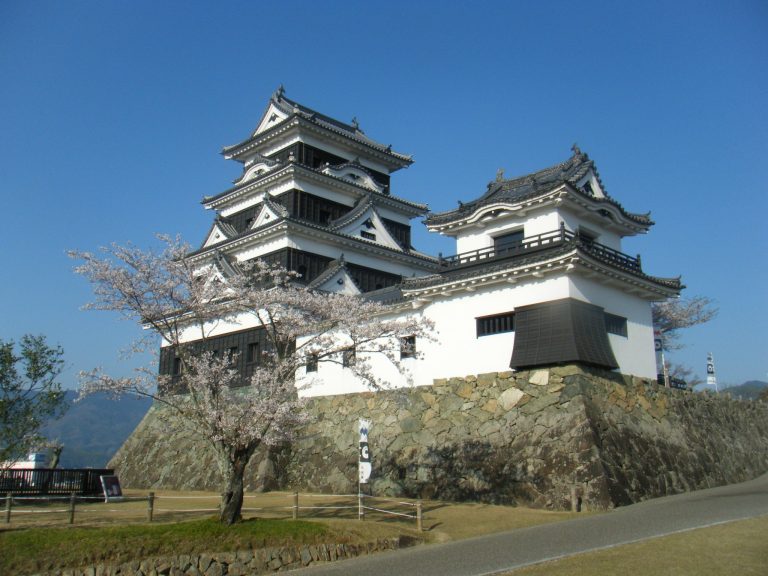
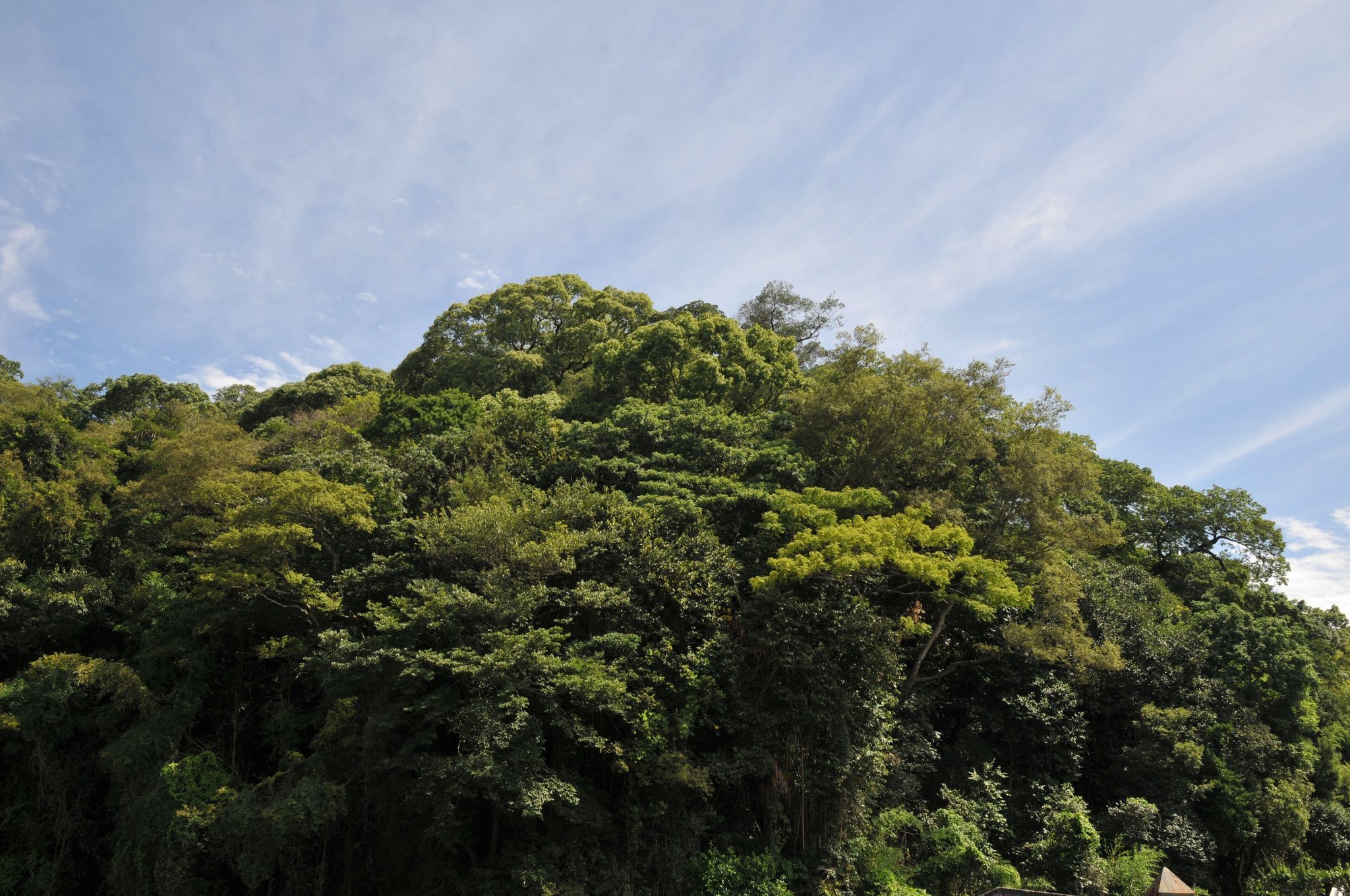
Uwajima Castle occupies a hill that originally stood beside the sea. Water formed a natural moat on three sides, although later land reclamation placed the castle within the center of the city. The principal enclosure had an elongated plan of approximately 30 by 100 meters, with the tenshu positioned in the center of its southern part.
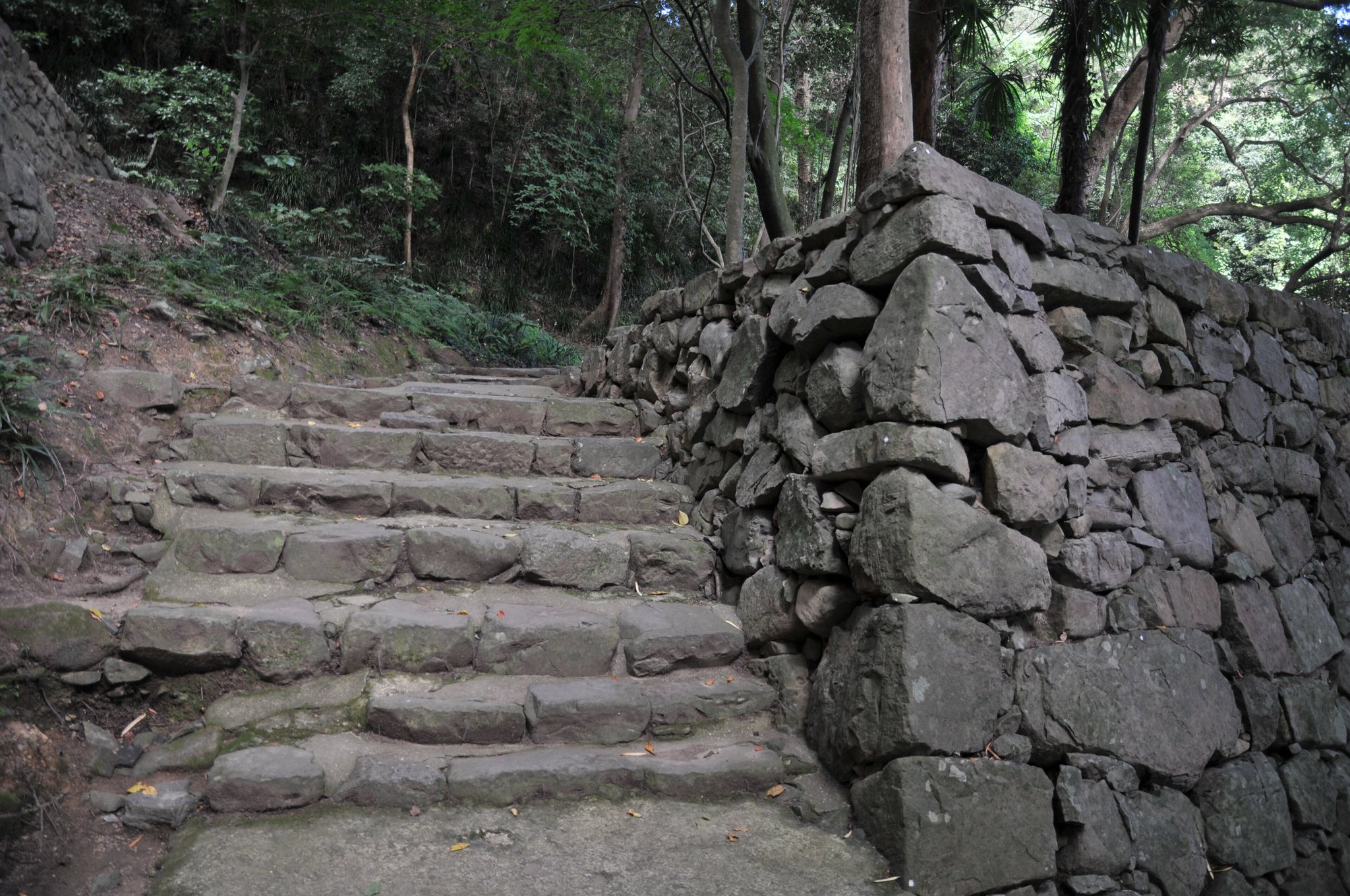
The defensive plan used an unusual pentagonal arrangement of walls and moats. This form was intended to prevent an attacker from approaching one side without exposing a flank. Earth, stone, and wood formed the castle’s construction, while Takatora’s rebuilding added stone walls, expanded secondary enclosures, fortified gates, and water moats. Surviving physical elements include substantial irregular stone walls, some covered with moss, steep stairways, the tenshu, and a small number of other buildings and ruins. The moat was later filled, and the third defensive enclosure was demolished.
The Historic Keep
The surviving tenshu is a wooden keep from the Edo period. It has three stories and stands approximately 12 meters high. Its plastered walls do not align exactly with the foundations, producing a projecting ledge that gives the exterior an unusual profile. The entrance porch and steps were added during the Meiji period. Inside, the wooden structure contains swords, armor, and portraits of former feudal lords.
Gates and Relocated Structures
The Nagaya Gate was moved and reconstructed in 1952 on the former site of the Otemon, which had been destroyed by wartime air raids. The Noboritachimon Gate is another surviving castle gate. Together, these structures preserve parts of the castle’s gate system alongside the remaining walls and hilltop ruins.
Yamazato Soko
On the northern approach hill stands Yamazato Soko, a storehouse dating from 1895. The building contains festival equipment and craft tools, adding a later surviving structure to the castle’s architectural remains.