Hasedō Castle: A Mogami Mountain Stronghold in Japan


Site at a Glance
- Rating
- 4.2
- Popularity
- Very Low
- Country
- Japan
- Primary era
- Early Modern
- External website
- Open
- Eras represented
- Early Modern
- Civilizations
- Unclassified
- Site type
- Military
- Remains
- Castle
On this page7 sections
History
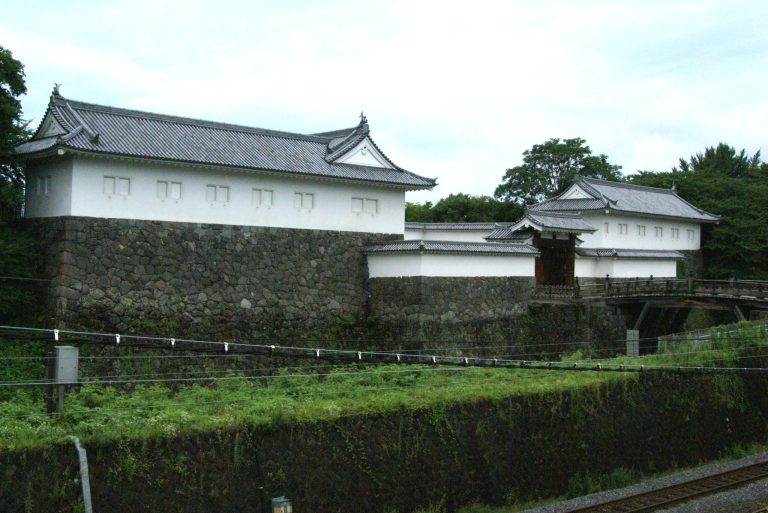
Hasedō Castle is a medieval Japanese mountain castle in Hasedo, Yamagata City, Japan, built by the Mogami clan in the early sixteenth century. Also called Kamegajō because of the shape of its mountain, it served as an important supporting fortress for Yamagata Castle, the Mogami clan’s principal stronghold. Its defensive role was especially important during conflicts with the Date clan, a powerful regional warrior house that had destroyed the Nagai clan in the Okitama region.
Mogami and Date control
Hasedō Castle first appears in the historical record in 1514, when Date Tanemune captured it. The defeat compelled the Mogami clan to accept peace on unfavorable terms and become subordinate to the Date clan. The castle’s position as a branch of the Mogami base at Yamagata made control of it an important part of the struggle between the two warrior houses in northeastern Japan.
The Battle of Hasedō
Hasedō Castle became most prominent during the Keichō Dewa Campaign of 1600, also known as the Battle of Hasedō. Uesugi Kagekatsu’s Western Army, which opposed the Eastern Army supporting Tokugawa Ieyasu, sought to conquer Mogami territory from the south and northwest. Hasedō was the final base for an assault on Yamagata Castle.
Naoe Kanetsugu commanded the Uesugi offensive, while Shimura Mitsuyasu, a strategist serving Mogami Yoshiaki, defended Hasedō with approximately 1,000 men. Muddy ground around the foot of the mountain slowed the Uesugi advance and helped the defenders hold their position. The attacking forces suffered losses, including the deaths of the commanders Mizoguchi Samanosuke and Kamiizumi Mondo. When Ishida Mitsunari’s Western Army was defeated at the Battle of Sekigahara, the decisive 1600 conflict that established Tokugawa Ieyasu’s political dominance, the Uesugi army had to withdraw.
Later ownership and dismantling
After the campaign, Hasedō Castle was granted to Saka Mitsuhide and later inherited by his son, Saka Mitsushige. In 1622, the Mogami Incident resulted in the dispossession of Mogami Yoshitoshi, lord of the Yamagata domain. The shogunate ordered neighboring domains to provide troops to take possession of the castles, and Uesugi Kagekatsu was assigned to receive Hasedō Castle. The castle was then abolished and dismantled. Kanetsugu had already died, and Kagekatsu died the following year.
The entire mountain is now a castle-site park known as Shiroyama. Hasedō Castle is not designated as a cultural property.
Remains
Mountain castle layout
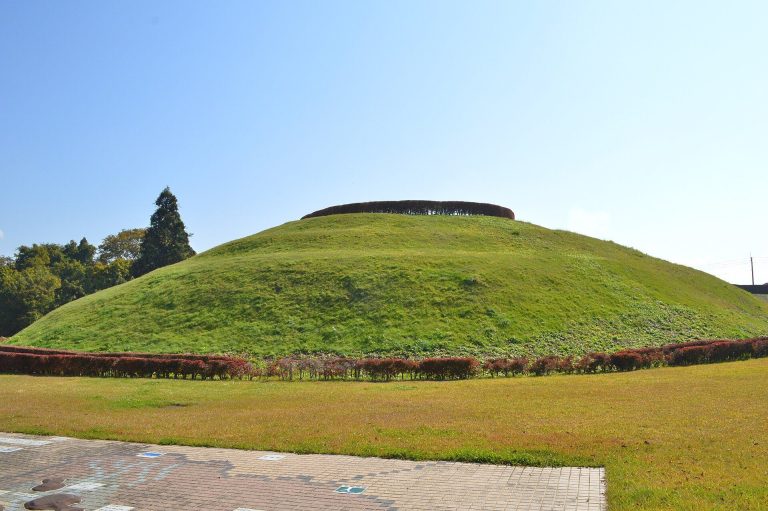
Hasedō Castle occupied the summit of a mountain approximately 229 metres above sea level. It was a linked-enclosure castle, with separately defended precincts arranged across the mountain summit and slopes. Its keep was never constructed. The mountain is surrounded by a settlement and rice fields, while the muddy ground around the lower slopes formed a natural defensive obstacle during the 1600 battle.
The castle site encompasses the entire mountain within the present park. From the summit, the former Uesugi headquarters on Sugasawa Mountain can be viewed, together with the site of Yamagata Castle, the urban area of Yamagata, and the Zao mountain range. These relationships help identify the castle’s position within the landscape of the campaign and its connection to the wider Mogami defensive system.
Battle commemorations
Mondo-zuka, a mound in the rice fields below the castle, commemorates the death of the Uesugi commander Kamiizumi Mondo. Groups of stone Buddhist figures along the route near the castle commemorate soldiers who died in the Battle of Hasedō. Together, these features connect the surviving castle landscape with the military events that made Hasedō prominent in 1600.