Yokote Castle: A Mountain Fortress and Historic Site in Japan


Site at a Glance
- Rating
- 3.9
- Popularity
- Low
- Country
- Japan
- Primary era
- Early Modern
- External website
- Open
- Eras represented
- Early Modern, Modern
- Civilizations
- Japanese
- Site type
- Military
- Remains
- Castle
On this page9 sections
History
Yokote Castle is a Japanese mountain castle in Yokote, Akita Prefecture, Japan, traditionally said to have been built by Onodera Kagemichi on Mount Asakura in 1554. Its construction is generally placed in the mid-sixteenth century, although fortifications may have occupied the site earlier. Also known as Asakura Castle and Azakura Castle, it was recorded under other names, including Nira Castle. The fortress became the principal base of the Onodera clan and later served as a regional stronghold until its destruction in the nineteenth century.
Onodera Rule and the Warring States Period
During Japan’s Warring States period, an era of political fragmentation and military rivalry before the Tokugawa shogunate, the Yokote, Owada, and Kanazawa families used the castle as a base for revolts against the Onodera clan. After these uprisings were suppressed, the Onodera moved their principal base to Yokote. The castle’s steep slopes and earthen defenses shaped its character as a mountain fortress, while the surrounding slopes were planted with chives to make climbing more difficult for attackers.
Transfer to the Tokugawa Order
The political settlement that followed the Battle of Sekigahara in 1600 brought a decisive change. The battle established Tokugawa dominance and led to the redistribution or confiscation of many domains. Because of his connection with Uesugi Kagekatsu, a prominent daimyo of the Uesugi domain, Onodera Yoshimichi was regarded by Tokugawa Ieyasu as a member of the Western Army. Yoshimichi was dispossessed in 1601, and Yokote Castle temporarily came under the Mogami clan.
After Satake Yoshinobu was transferred to Kubota in 1602, Yokote became Satake property. The castle was administered first by members of the Date clan and later by Suda Morihide. In 1672, Tomura Yoshitsura, a member of the Satake family, entered the castle. The head family of the Tomura Jutayu house then administered Yokote until the Meiji period, with Jutayu serving as the hereditary personal name of successive heads of the house.
Survival, Exile, and Destruction
Yokote escaped destruction under the One Castle per Province Edict of 1620. This Tokugawa policy required domains to retain only approved principal castles and dismantle many subsidiary fortifications. Satake Yoshinobu persuaded the shogunate that Yokote was an important strategic base, allowing it to survive the wider reduction of castles in the Kubota domain.
In 1622, Honda Masazumi, an elder of the Edo shogunate and lord of Utsunomiya Domain, was exiled to the area after the Utsunomiya Castle Suspended Ceiling Incident. He remained at Yokote until his death there on April 5, 1637.
The castle’s final military episode came during the Boshin War, the civil conflict of 1868 and 1869 between supporters of the Tokugawa shogunate and the imperial government during the Meiji Restoration. The Satake clan supported the imperial government while isolated in the Tohoku region. Forces from Sendai and Shonai domains attacked Yokote, where a Tomura commander defended the castle. Yokote fell and burned on September 26, 1868, and the abandoned castle was formally left unused in 1871.
Memorial Use and Modern Preservation
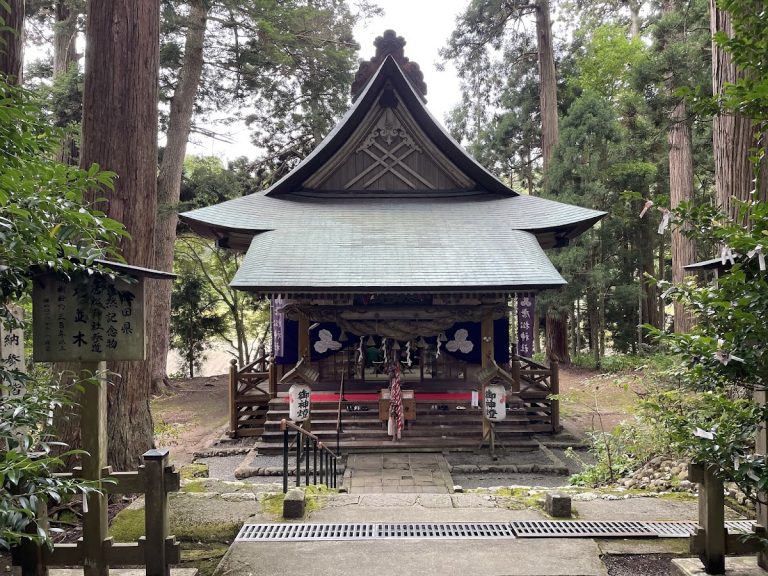
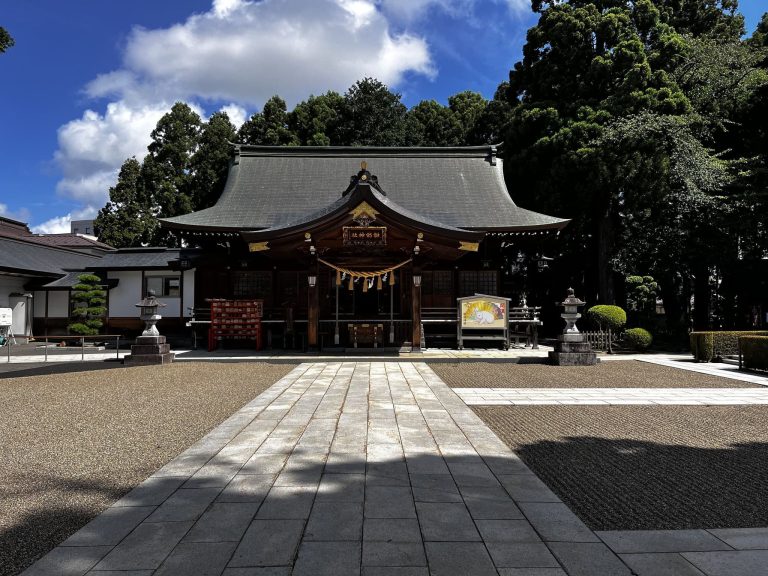
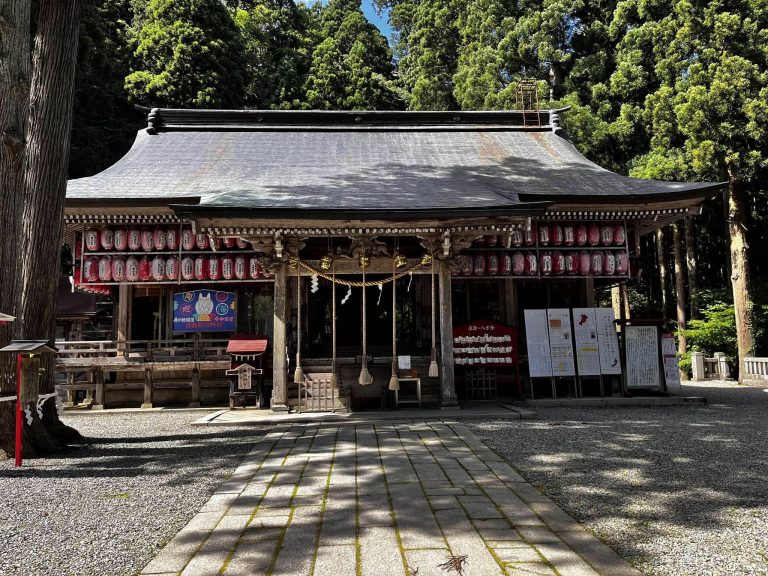
Akita Shrine was established on the former main-enclosure site in 1879 to commemorate 22 people who had died in the Boshin War. The shrine was rebuilt using timber from the former main gate, linking the later memorial site with the castle’s surviving materials. The ruins were subsequently developed as Yokote Park, and the city designated them Yokote Castle Site as a municipal historic site on March 26, 1998. The Yokote Snow Festival, held at the site each February, continues its role as a setting for a traditional local celebration.
Remains
Enclosures and Earthworks
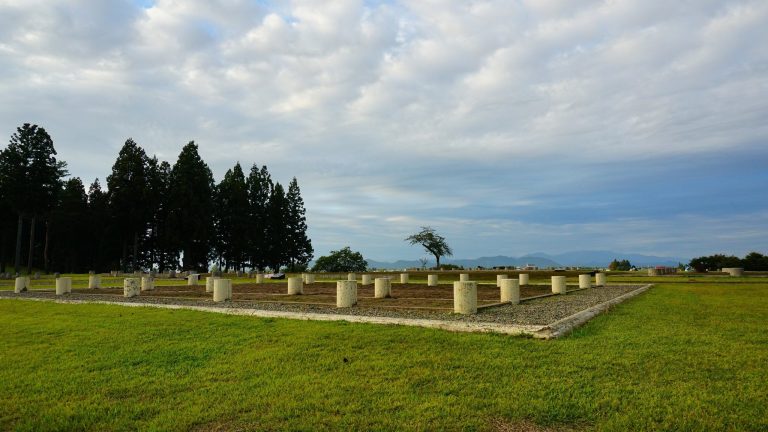
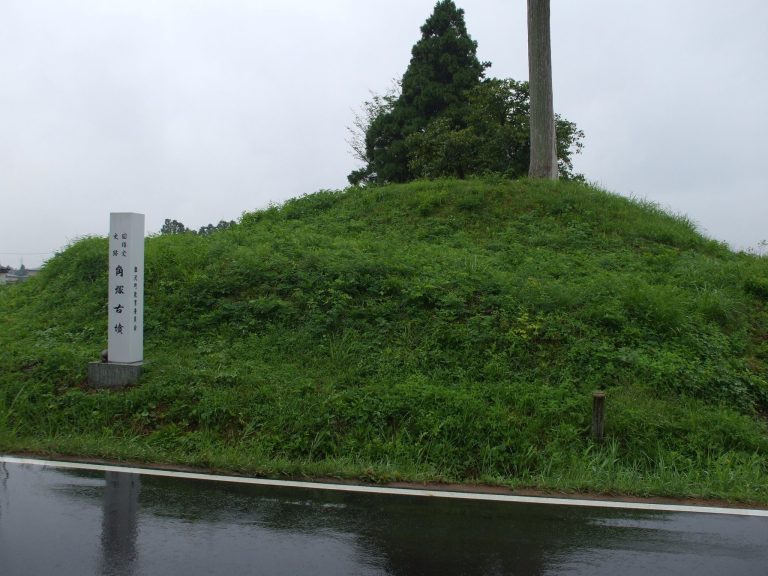
Yokote was a modest mountain castle organized around a main enclosure and a secondary enclosure known as the Ninomaru. Its defenses relied chiefly on earthen banks and cut slopes rather than stone-built walls. Retaining measures helped hold the steep slopes in place, and the earthwork associated with Ushinuma and Horai Bridge survives as an archaeological feature. The present site is incorporated into Yokote Park, where these earthworks remain alongside the later structures that occupy parts of the former castle grounds.
Imitation Keep
The original castle had no keep. A three-story, four-floor reinforced-concrete imitation keep was built in 1965 on the former Ninomaru site. Designed to reproduce the appearance of a castle keep rather than an original structure, it was modeled on Okazaki Castle. The building serves as a local-history museum and observation platform, and was the first imitation keep constructed in the Tohoku region.
Former Main Enclosure
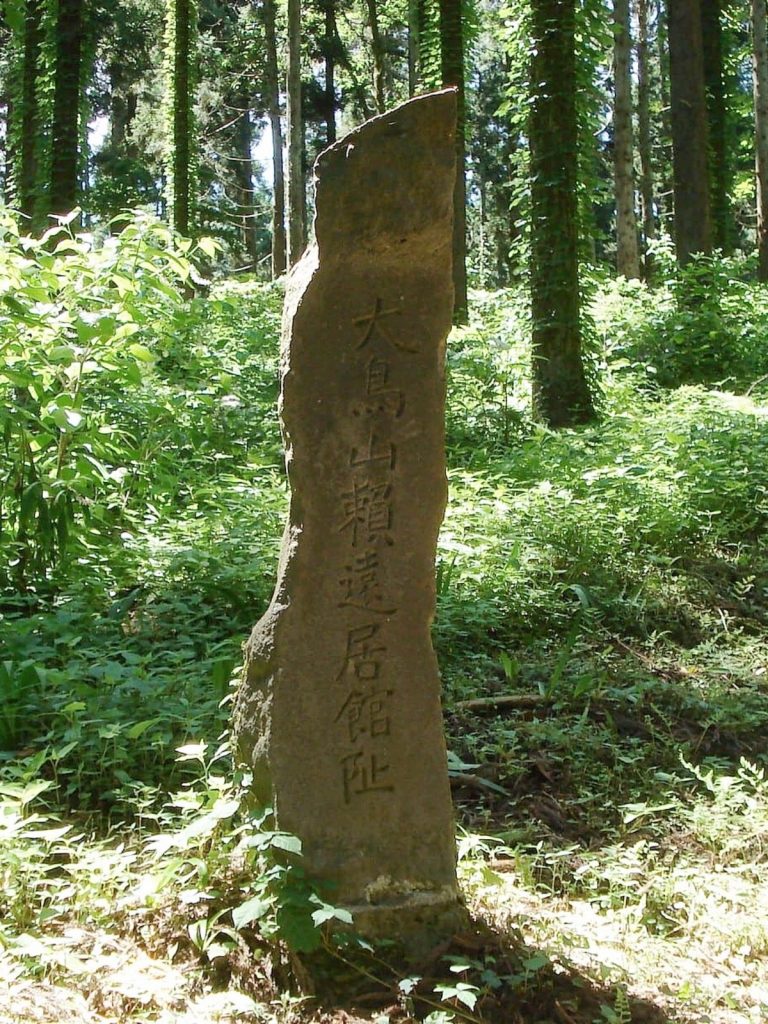
A monument marks the location of the former main enclosure. Akita Shrine stands behind it and was rebuilt with timber from the former main gate. Together with the surviving banks, cut slopes, and reconstructed keep, these features show how the present park combines archaeological remains, memorial architecture, and a modern museum structure on the historic castle site.
Nearby sites