Suzuk ota Mosque: A Historic Congregational Mosque in Tashkent
Site at a Glance
- Rating
- 5
- Popularity
- Very Low
- Country
- Uzbekistan
- Primary era
- Medieval
- Eras represented
- Medieval, Modern
- Civilizations
- Timurid
- Site type
- Religious
- Remains
- Mosque
On this page6 sections
History
Suzuk ota Mosque is an active Sunni congregational mosque in Tashkent, Uzbekistan, established during the Timurid period by order of Amir Timur, the fourteenth-century Central Asian ruler who founded the Timurid imperial dynasty. Its foundation is associated with 1363 to 1364, when Amir Timur became ill during a campaign, received treatment in Tashkent for six months, and ordered the construction of a mausoleum and communal mosque over the grave of Suzuk ota.
Suzuk ota and the foundation of the complex
Suzuk ota was originally named Mustafoqul Khoja and was born in 1140. He was the youngest son of Sheikh Ahmad al-Qorachiqiy and Gavhari Xushtoj, the only daughter of Khoja Ahmad Yasawi, a prominent Sufi religious teacher associated with the development of Islam in Central Asia. Yasawi called his grandson “Suzugim,” and Mustafoqul later became known among the people as Suzuk ota.
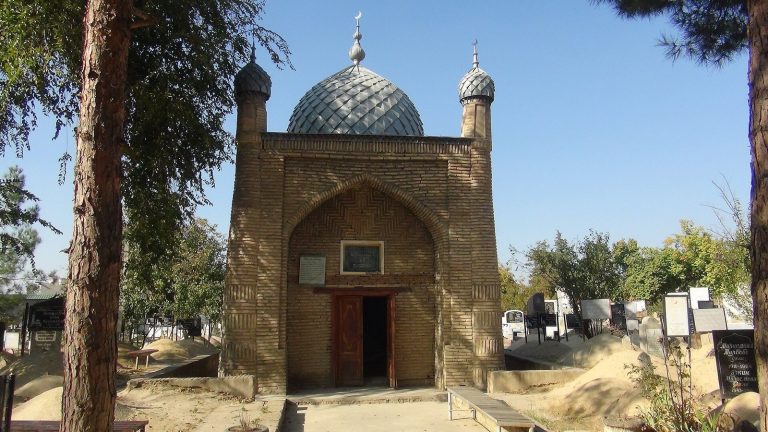
The mosque became closely associated with the Suzuk ota neighborhood, formerly part of the Beshyogoch district of Tashkent. Its religious setting also included the mausoleum and a cemetery that expanded over time, forming a complex tied to the memory of Suzuk ota and the community around it.
Closure, industrial reuse, and revival
In 1936, the Bolsheviks completely closed the mosque and mausoleum and established a metal-goods manufacturing enterprise on the site. The former craft rooms were converted into warehouses, while waste and toxic acids were discharged into drainage channels. An earthquake later damaged the mosque and caused the mausoleum’s dome to collapse. The dome was not repaired, and its remaining fragments eventually disappeared.
Local residents protested against the continued industrial use of the site, and the government halted the factory’s operations in 1989. Restoration began in 1990 and continued over an extended period. The mosque’s activity was officially registered in 1996, when a sermon was delivered there during the Eid festival, a major Islamic festival associated with communal prayer and celebration. The complex now functions as a mosque in the Shayxontohur district of Tashkent.
Remains
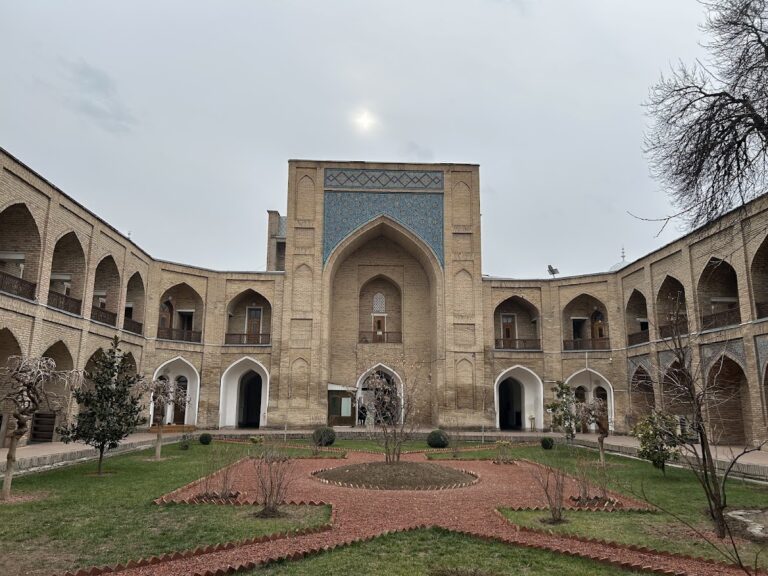
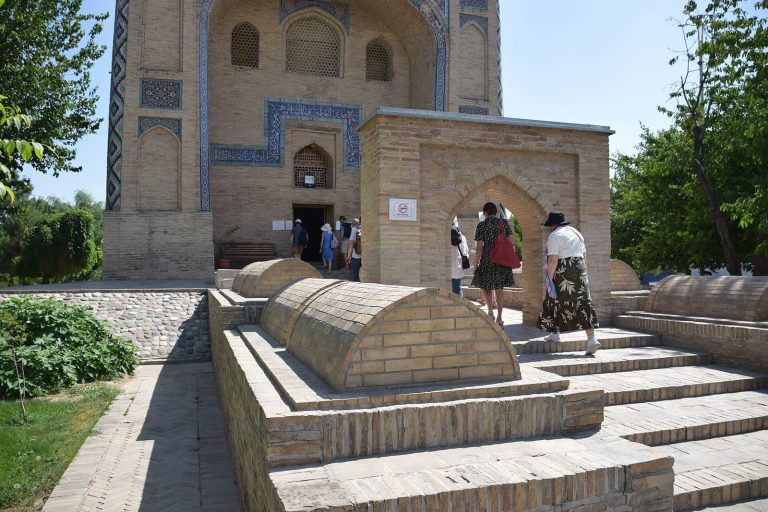
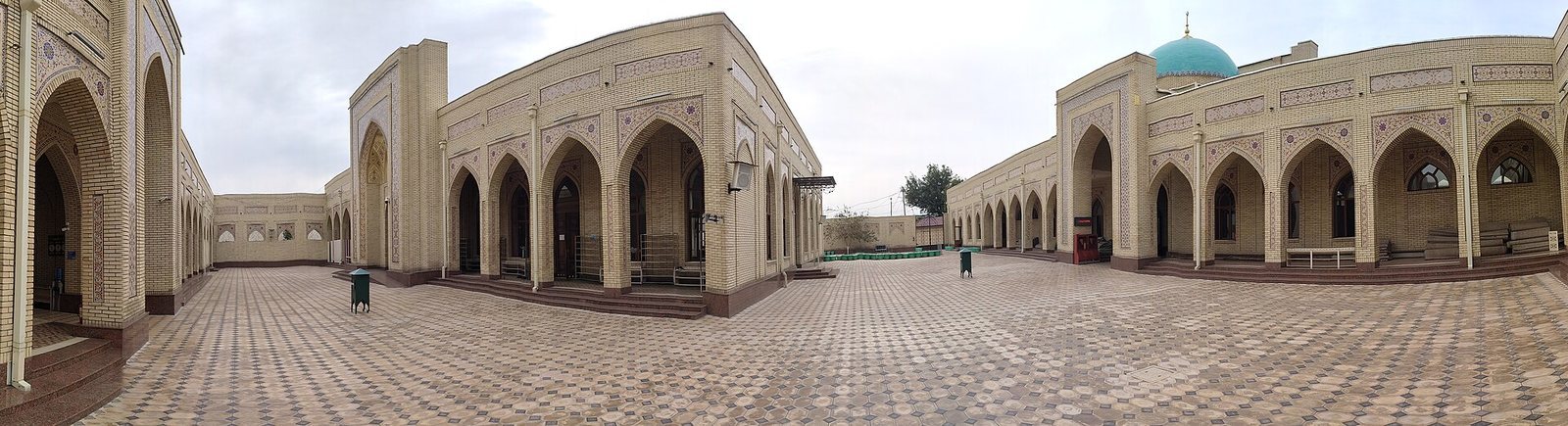
The complex is entered through an area containing a museum, parking area, shop, and library. Thirty-four two-storey residences for craftspeople were built on both sides of the road at the entrance. The Suzuk ota mausoleum stands within the complex, with the mosque positioned beyond it. The building’s entrance and exit are located north of the mausoleum, while the nearby cemetery expanded as the site developed.
Community and service buildings
The mosque incorporates a neighborhood mosque and an ablution facility. During the restoration that began in 1990, an ablution facility, library, and guard facility were constructed, and the verandas on the northern side of the complex were restored. These elements form part of the surviving arrangement around the mausoleum and prayer building.
Prayer hall and dome
The winter prayer hall measures 12.9 by 12.9 metres. It is covered by a 10-metre dome supported on squinches, structural elements that convert the corners of a square room into a suitable base for a dome. The hall remains part of the active religious complex restored after the site’s industrial closure.