Büyükesence Orhan Mosque: An Early Ottoman Friday Mosque in Türkiye


Site at a Glance
- Rating
- 4.7
- Popularity
- Very Low
- Country
- Turkey
- Primary era
- Medieval
- Eras represented
- Medieval
- Civilizations
- Ottoman
- Site type
- Religious
- Remains
- Mosque
On this page7 sections
History
Early Ottoman foundation
Büyükesence Orhan Mosque is an early Ottoman Friday mosque in Türkiye, built in the timber architectural tradition during the reign of Orhan Gazi, probably between 1326 and 1359. It served Büyükesence, formerly known as Büyük Tersiye, together with Küçükesence, formerly Küçük Tersiye, and Hasanbey.
The construction date remains uncertain, but records of the General Directorate of Foundations associate the mosque with Orhan Gazi, an early Ottoman ruler whose reign saw the expansion and institutional development of the state. The building belongs to an original phase of Ottoman architecture, when timber construction was used widely during the first 250 years of the Ottoman state.
Later use and restoration
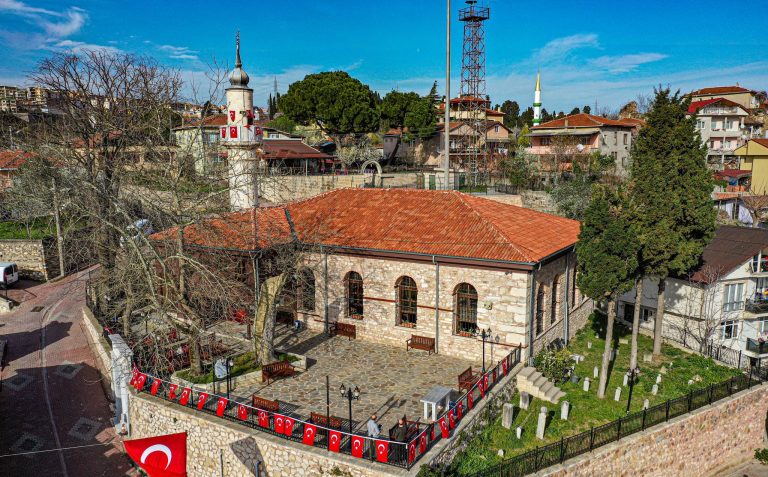
The mosque continued in use until relatively recently before becoming derelict. The Bursa Regional Directorate of Foundations restored the building in 2023 and reopened it for worship. It is now known as Cumaaltı Mosque, while a newly built mosque immediately beside it carries the name Orhan Mosque.
Remains
Setting and plan
The mosque stands within the cemetery of Büyükesence, about 2 kilometres east of the village centre. Its rectangular plan measures 8.60 by 15.40 metres. The structure rests on a raised stone foundation and is covered by a gabled roof.
Timber construction
The building uses a timber technique associated with the early Ottoman period. Logs approximately 7 to 10 centimetres thick and 20 to 30 centimetres wide are joined at their ends through notched interlocking, a method known as the çantı technique. Straw-tempered plaster covers wooden lathwork on both the interior and exterior surfaces.
Religious fittings
The mosque’s single minaret was renewed after the 1967 earthquake. The mihrab, the prayer niche indicating the direction of Mecca, and the minbar, the raised pulpit for the Friday sermon, were added at a later date.