Akçakoca Castle: A Medieval Fortress on Türkiye’s Black Sea Coast

Site at a Glance
- Rating
- 4.1
- Popularity
- Medium
- Country
- Turkey
- Primary era
- Medieval
- External website
- Open
- Eras represented
- Medieval
- Civilizations
- Byzantine
- Site type
- Military
- Remains
- Castle
On this page8 sections
History
Akçakoca Castle is a medieval fortress in Türkiye, standing about 2.5 kilometers west of Akçakoca in Düzce Province. It was built between 1204 and 1261, when the Latin Empire and the Empire of Nicaea controlled parts of the region and the Black Sea coast. The castle formed part of a coastal network associated with the Genoese Trade Route, a system of maritime trading stations and fortifications linking commercial activity between the Mediterranean and Black Sea regions.
Construction during the Latin and Nicaean period
The castle’s builder remains uncertain. Construction may have been undertaken by the Latins, following the Fourth Crusade and the capture of Constantinople in 1204, or by the Empire of Nicaea, a Byzantine successor state that ruled parts of Anatolia during the same period. Although the monument is commonly called the Genoese Castle, its construction or repair may have served commercial purposes and cannot be securely attributed to Genoese builders.
At this time, Diapolis, the former name of Akçakoca, was an important coastal town with commercial and strategic value. After the castle was built, some Christian refugees of Turkic origin from the Balkans are thought to have been settled in Diapolis for their security.
Later historical recognition
The castle and its surroundings are associated with successive Hellenistic, Roman, and Eastern Roman periods. The Eastern Roman period is commonly called the Byzantine period and refers to the continuation of the Roman Empire centered on Constantinople and the eastern Mediterranean. The site was registered as both an archaeological and a natural site by the Ankara Cultural and Natural Heritage Preservation Board.
In 2013, UNESCO placed Akçakoca Castle on the World Heritage Tentative List as part of the proposed “Castles and Walled Settlements on the Genoese Trade Route from the Mediterranean to the Black Sea.” A Tentative List identifies places a country may consider for nomination, but it does not constitute inscription on the World Heritage List. The castle is now used as a picnic and recreation area.
Remains
Fortifications and courtyard
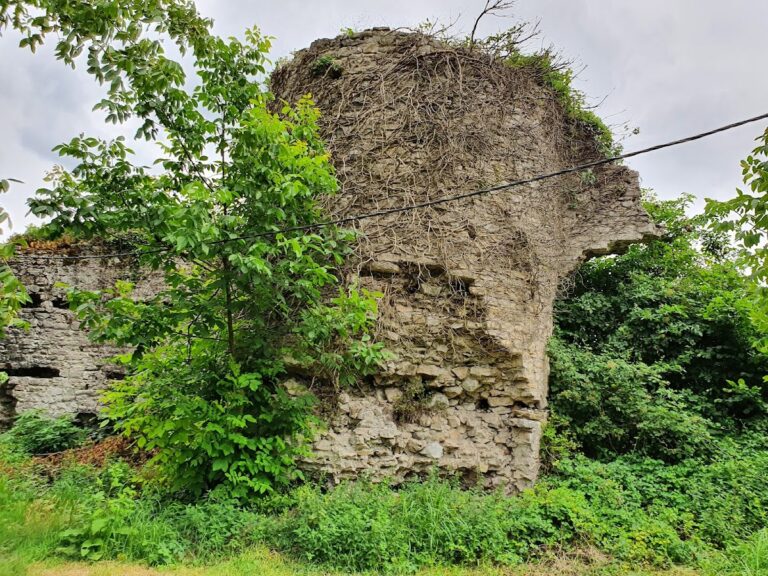
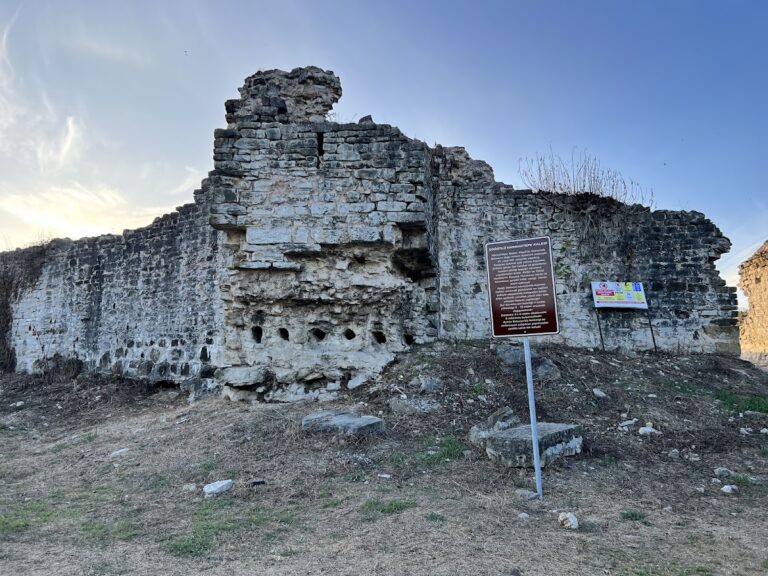
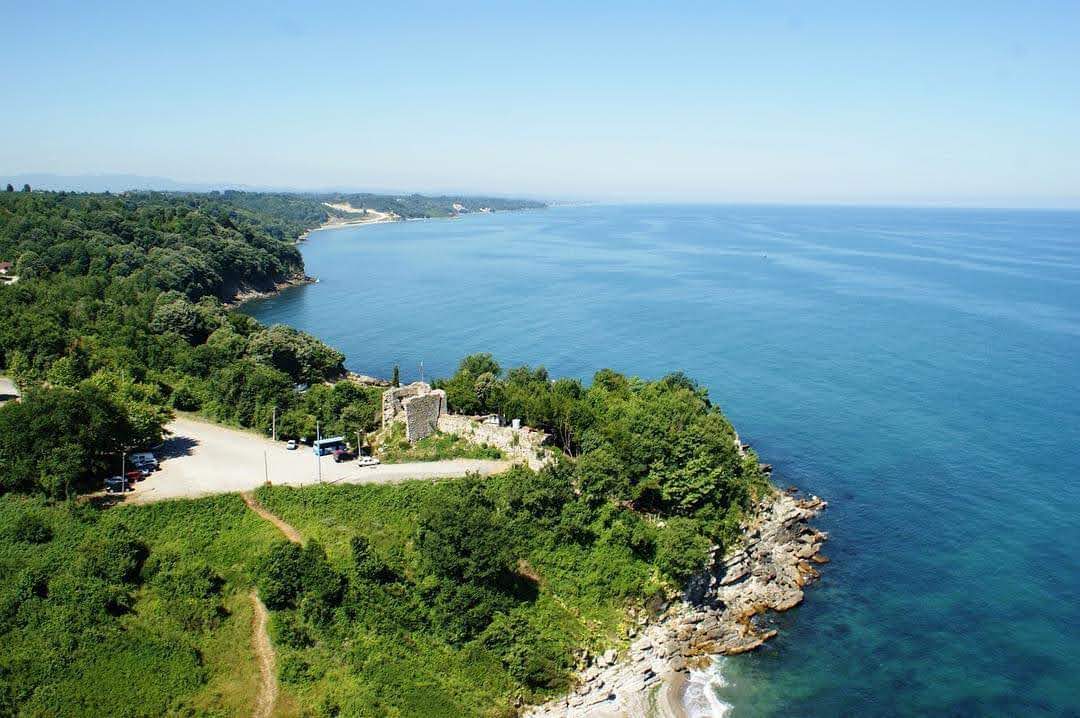
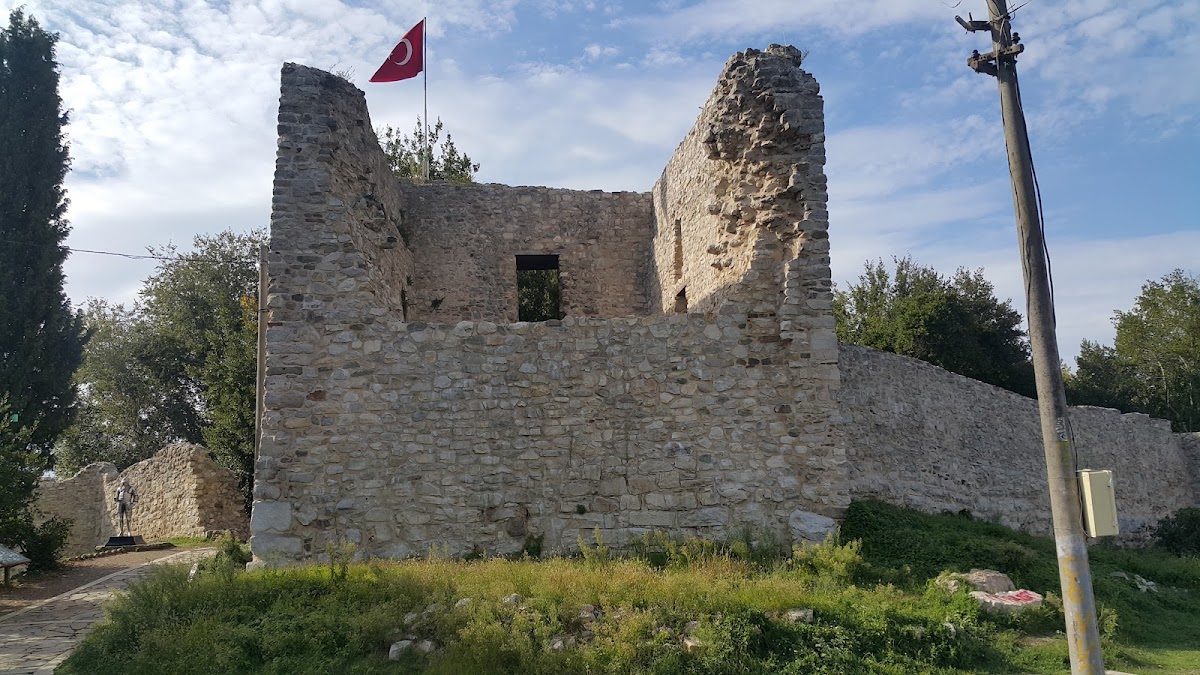
Akçakoca Castle occupies a high coastal cliff between two bays. Its surviving construction uses locally obtained, unworked rubble stone combined with brick and mortar. The brick and mortar resemble materials used in other Genoese castles, although this similarity does not establish the identity of the builders.
Walls and southern tower
The fortification walls include a high tower on the southern side. The tower is positioned centrally between the eastern and western directions of the defensive walls, forming a distinct element within the castle’s coastal layout.
Inner courtyard cistern
A water cistern lies within the inner courtyard. It measures 5.30 meters in width and supplied an essential water facility inside the fortified enclosure.
Coastal setting
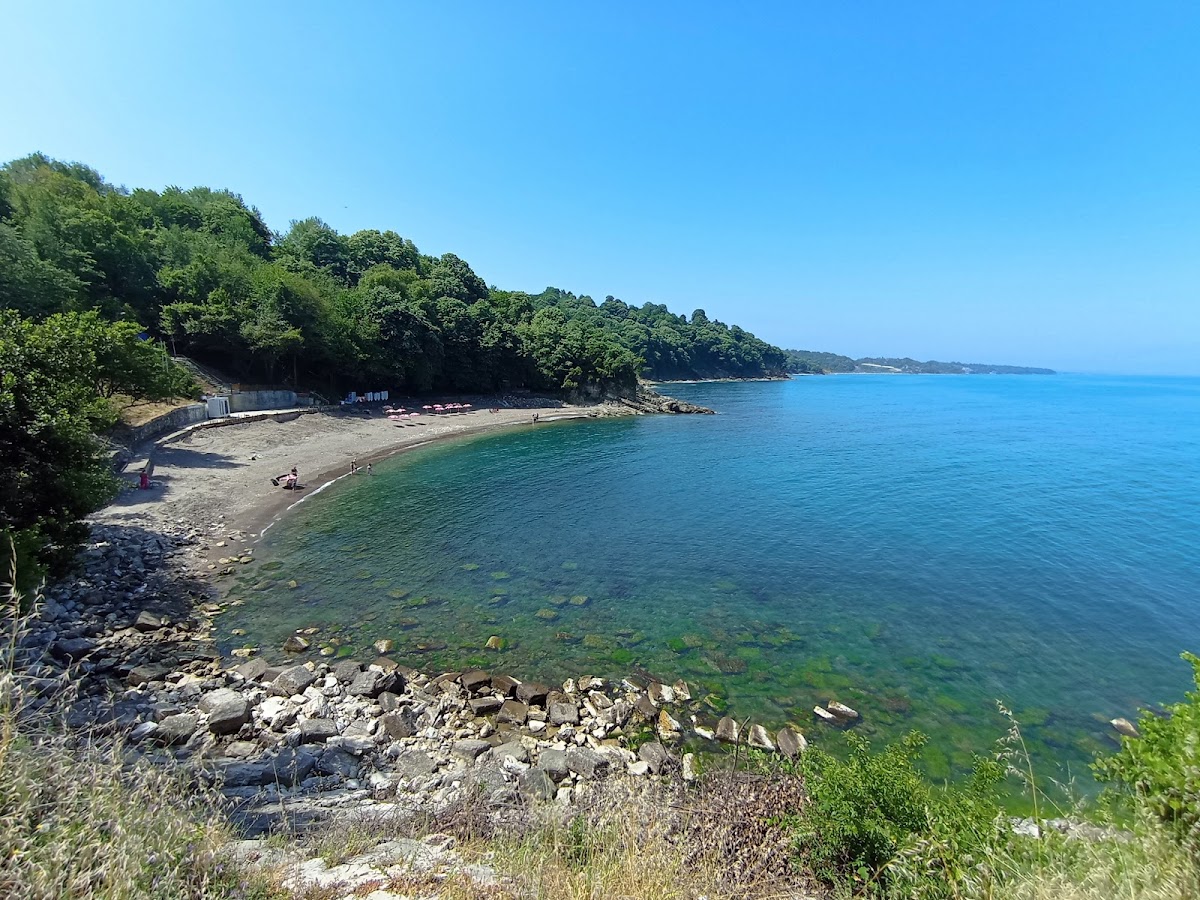
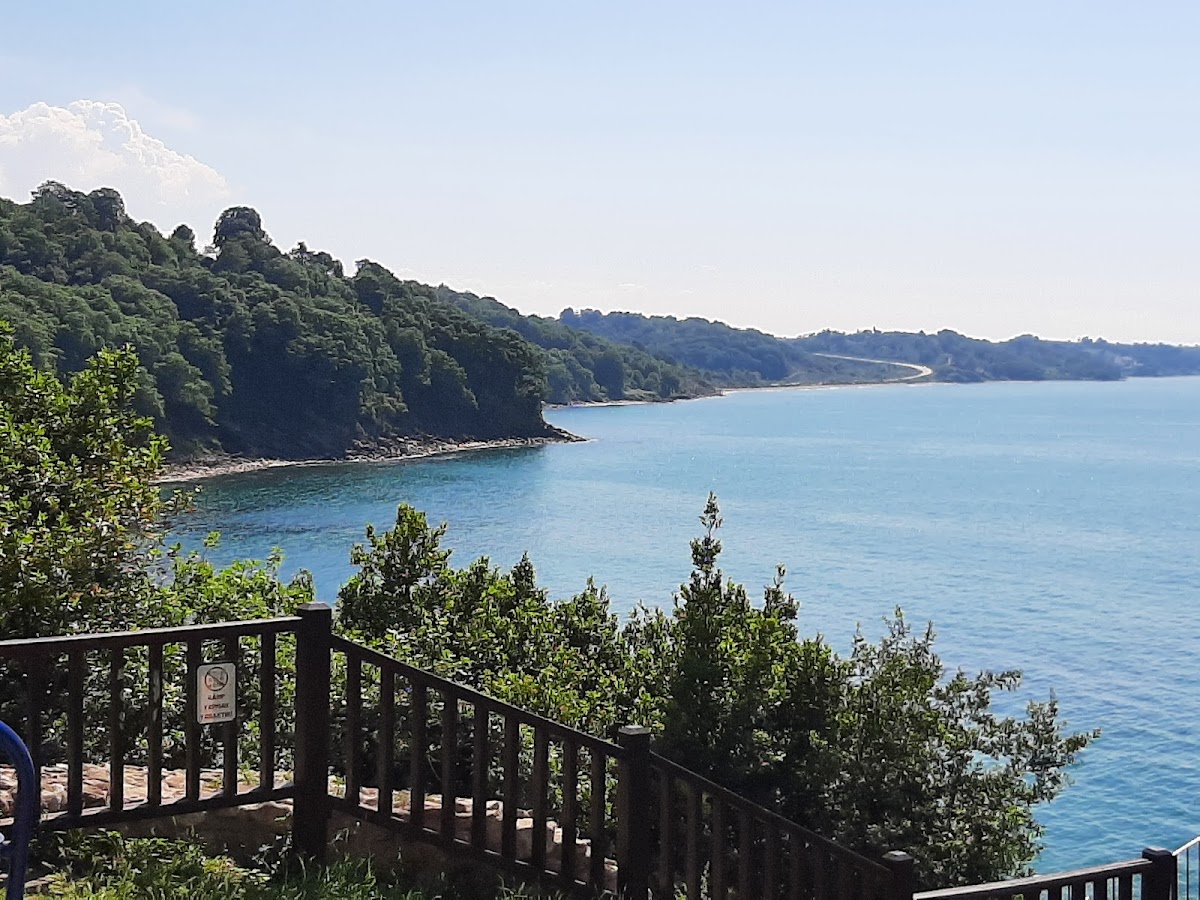
Laurel trees cover the castle area, while beaches extend to its east and west. The western shore is known as Genoese Castle Beach. The eastern beach, Yalıyarlar, has caves along the coast and is also known as the Seal Reefs.