Sokollu Mehmet Pasha Caravanserai: An Ottoman Caravanserai in Türkiye
Site at a Glance
- Rating
- 5
- Popularity
- Very Low
- Country
- Turkey
- Primary era
- Early Modern
- Eras represented
- Early Modern
- Civilizations
- Ottoman
- Site type
- Economic
- Remains
- Caravanserai
On this page10 sections
History
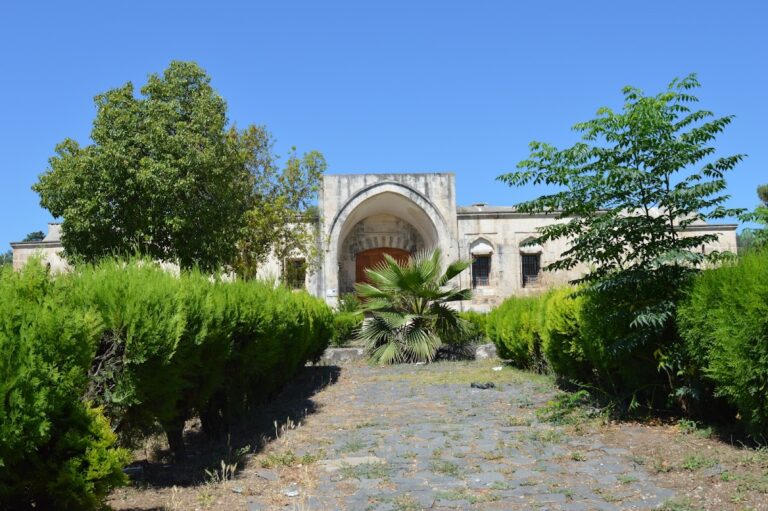
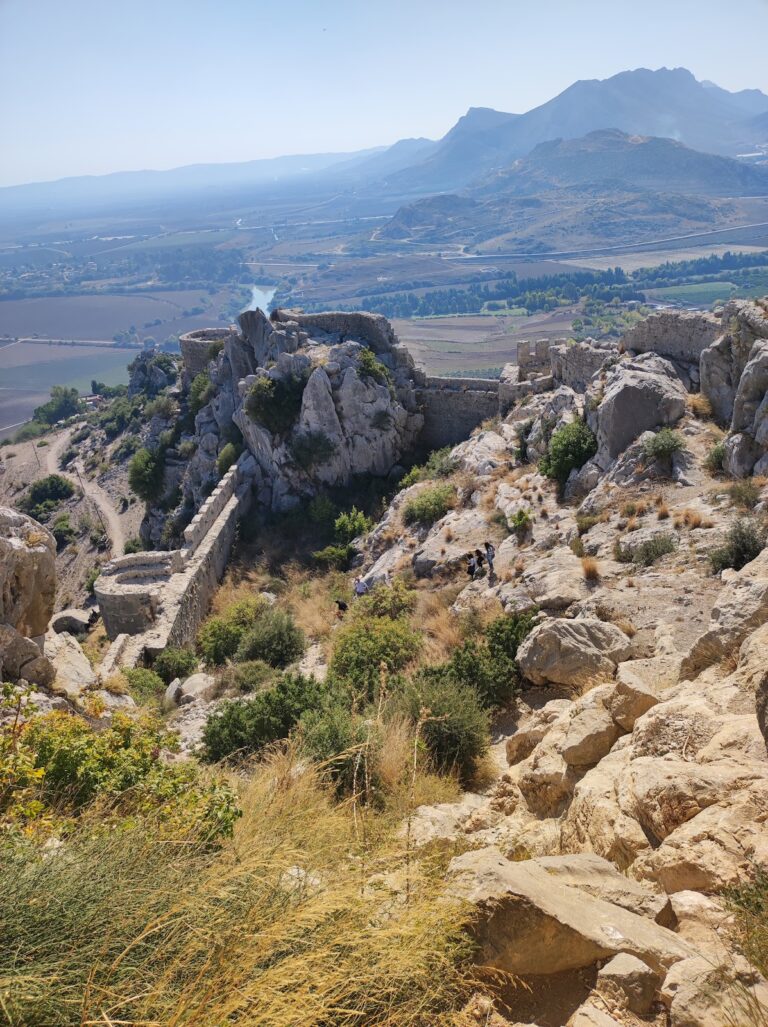
The Sokollu Mehmet Pasha Caravanserai is a sixteenth-century Ottoman caravanserai in Payas, Türkiye, built between 1571 and 1574 as part of the Ottoman period’s military, maritime, commercial, and charitable development of the town. A caravanserai was a fortified roadside establishment that offered lodging, food, storage, and protection to merchants, travelers, and pilgrims. The building stood beside Payas fortress in the Mediterranean coastal town and became the principal structure of a larger külliye, an Ottoman complex organized around religious and charitable institutions.
Foundation during the Cyprus campaign
The Ottoman government established a shipyard at Payas in 1567 and 1568 while preparing for the campaign that led to the conquest of Cyprus in 1571. After the conquest, Grand Vizier Sokollu Mehmet Pasha privately financed the caravanserai, while the sultan commissioned it. Construction began in 1571, and the building inscription gives 1574 as the completion date.
The project was designed by Mimar Sinan, the chief Ottoman architect of the sixteenth century, although it is not known whether he personally supervised the work. The caravanserai served merchants traveling from Anatolia toward Aleppo and pilgrims journeying toward Mecca. Its position near the shipyard and fortress also allowed it to support sailors and the developing military and maritime infrastructure at Payas.
The wider complex and later memory
The caravanserai formed the central part of a larger complex that included the Selim Mosque, a public bath, an Islamic school, and a hospice. The mosque, bath, and school occupied the area between the caravanserai and the fortress. Because the complex was associated with Sultan Selim II, who reigned from 1566 to 1574, it is also known as the Selim II Caravanserai.
The Ottoman traveler and writer Evliya Çelebi visited the site during the seventeenth century. The Payas complex should not be confused with another Sokollu Mehmet Pasha caravanserai that once stood in Belgrade, since that building has not survived.
Restoration and present use
Between 2011 and 2013, the Payas municipality restored the complex. The work received an award from ÇEKÜL, the Foundation for the Protection and Promotion of Environmental and Cultural Heritage. After the restoration, the western part returned to commercial use and the eastern part was adapted for municipal offices. The Selim Mosque remains the only part of the complex serving its original religious purpose.
Remains
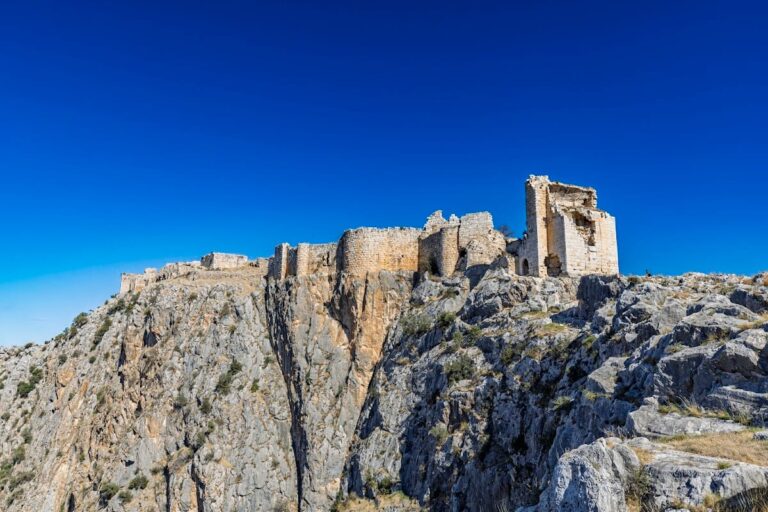
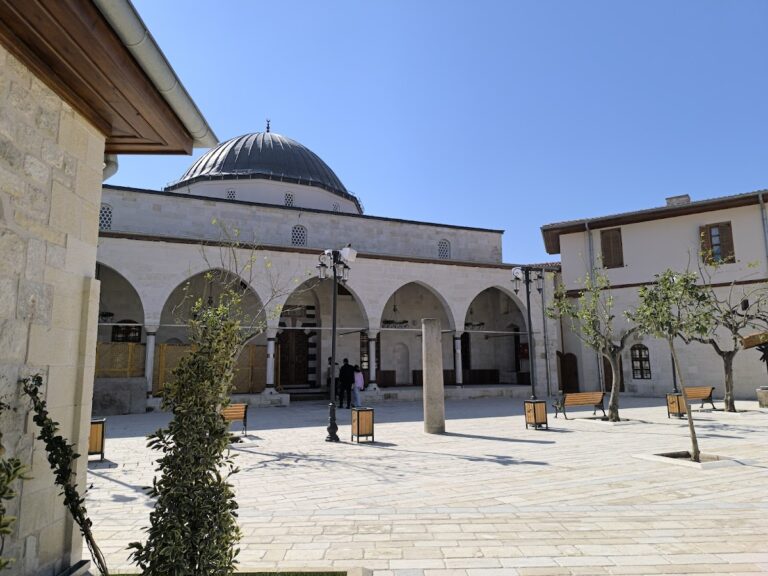
The complex covers approximately 13,000 square metres and follows a regular rectangular plan. Its fortified outer wall reached six metres in thickness, and a tower provided oversight of the surrounding area. Payas fortress stands immediately to the west. Within the enclosure, a large courtyard forms the principal open space, while a covered street lined with shops provides the commercial spine of the caravanserai.
Fortifications and circulation
Outer wall and tower
The thick outer wall gave the establishment the protective character expected of a caravanserai, while the tower was used to oversee the surrounding area. These defensive elements stood beside the fortress and enclosed the accommodation, commercial, and service spaces within a single rectangular complex.
Covered streets and courtyard
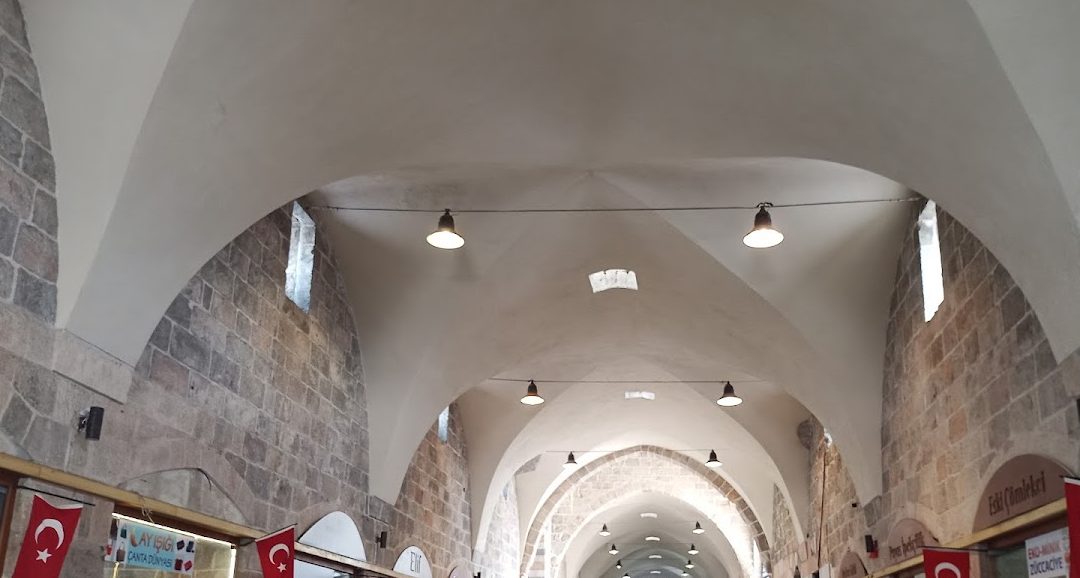
The covered commercial street functioned as a bedesten, an Ottoman hall for the secure sale and storage of valuable goods. A second passage crossed it at a right angle and connected the large courtyard with the fortress. Together, these passages organized movement between the commercial area, the courtyard, and the adjacent military site.
Accommodation and commercial spaces
Guest rooms, shops, and other service units occupied the internal ranges around the courtyard and covered street. The accommodation area also included a kitchen where soup was prepared for travelers. An adjoining hospice extended the complex’s provision for people making the journey through Payas.
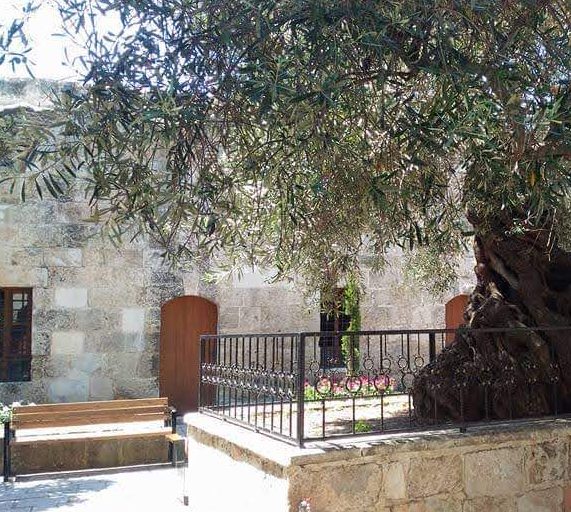
The western section is arranged as a commercial area that continues the traditional bedesten function. The eastern section contains municipal offices, reflecting the modern adaptation of parts of the restored complex. A several-hundred-year-old olive tree stands within the enclosure.
Religious and charitable buildings
The Selim Mosque, public bath, Islamic school, and hospice formed the associated religious and charitable components of the complex. The bath, known as a hammam, served as a public bathing facility, while the madrasa provided Islamic education. The Selim Mosque continues to function as a place of worship, preserving the complex’s original religious use.