Al-Sahibiyah Mosque: A Mamluk Mosque and Madrasa in Aleppo


Site at a Glance
- Rating
- 5
- Popularity
- Very Low
- Country
- Syria
- Primary era
- Medieval
- Eras represented
- Medieval
- Civilizations
- Mamluk
- Site type
- Religious
- Remains
- Mosque
On this page6 sections
History
Mamluk Foundation
Al-Sahibiyah Mosque is a fourteenth-century Islamic mosque and madrasa in Aleppo, Syria, built in 1350 under the Mamluk Sultanate by Ahmad bin Yaqoub al-Saheb, a high-ranking officer in the military state that controlled Aleppo. A madrasa was an institution for Islamic religious education, often associated with a mosque. The complex’s school, known as the Al-Saheb madrasa, was completed in 1363–1364.
Name and Heritage
The mosque is also called the Fustoq Mosque, meaning “Pistachio Mosque,” and it remains an active place of worship. It stands within the Ancient City of Aleppo, a UNESCO World Heritage Site since 1986 under criteria (iii) and (iv). The historic city was classified as endangered from 2013 to 2020.
Remains
Setting and Construction
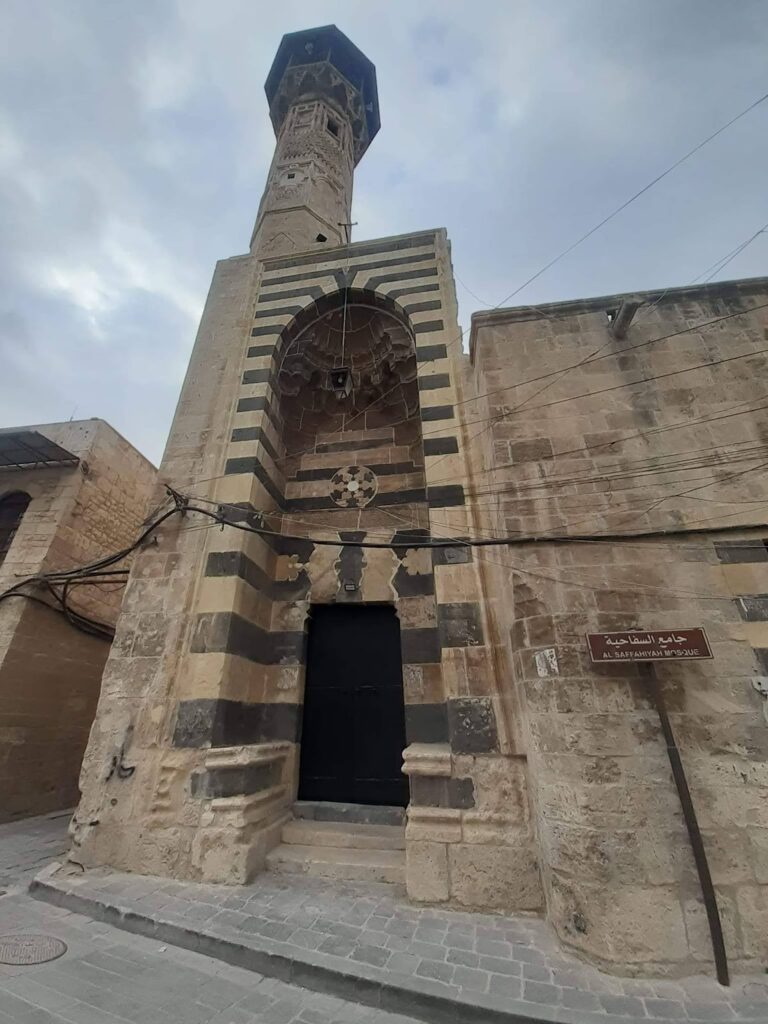
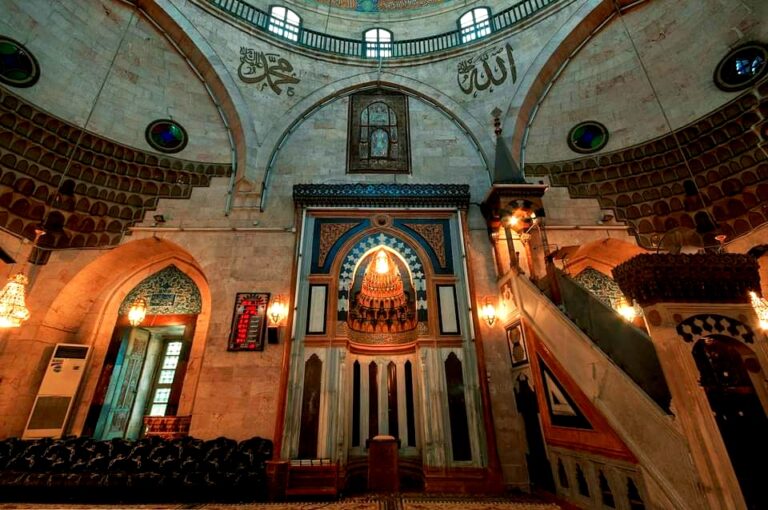
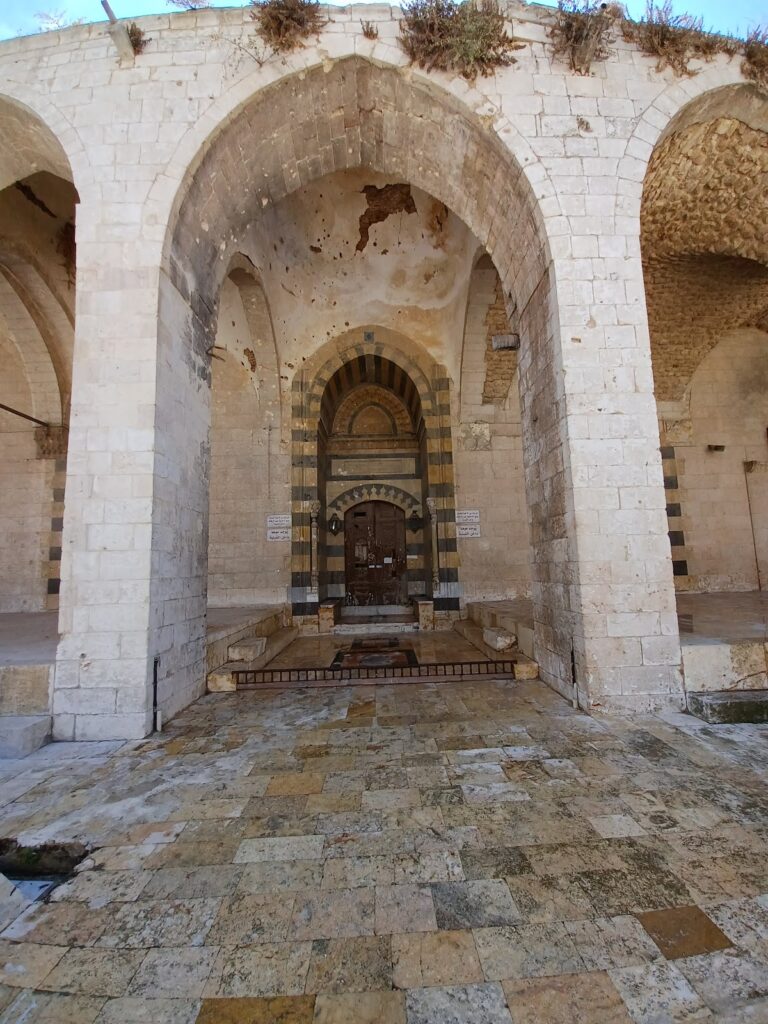
The mosque occupies the al-Jalloum district inside Aleppo’s historic walls, near Khan al-Wazir and opposite the Al-Matbakh al-Ajami palace. Built of stone, it has two domes that form the principal elements of its roofline.
Entrance and Inscriptions
The main entrance is positioned on the northern side and is decorated with traditional Islamic muqarnas, a three-dimensional ornament formed from stepped or cell-like elements. Numerous old inscriptions remain visible on the mosque’s western wall, adding written historical detail to the building’s surviving fabric.