Basilica of the Visitation, Staré Hory: A Gothic Pilgrimage Church in Slovakia


Site at a Glance
- Rating
- 4.8
- Popularity
- Very Low
- Country
- Slovakia
- Primary era
- Medieval
- External website
- Open
- Eras represented
- Medieval, Early Modern, Modern
- Civilizations
- Habsburg, Hungarian
- Site type
- Religious
- Remains
- Basilica
On this page4 sections
History
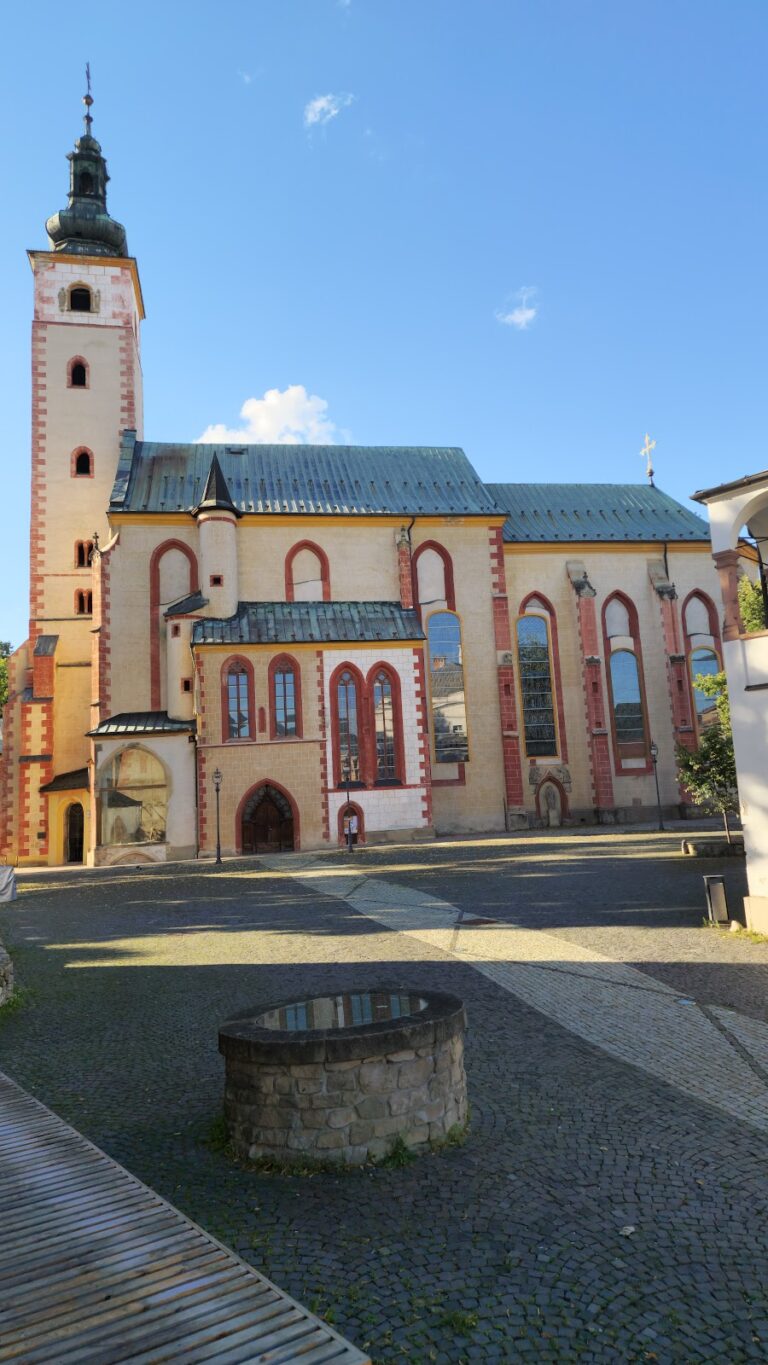
The Basilica of the Visitation, Staré Hory, is a Roman Catholic parish church in Slovakia, built in the Gothic style between 1448 and 1499. It belongs to the Diocese of Banská Bystrica and has long served as a pilgrimage destination. A revered Marian statue was installed on the main altar in 1499, helping establish the church’s religious importance.
In 1780, Pope Pius VI granted pilgrims who visited the basilica during the year and fulfilled the customary conditions the possibility of obtaining a plenary indulgence. This is the remission of the temporal punishment associated with sins already forgiven, linked here with confession, receiving the Eucharist, and prayer for the pope’s intentions.
The church became a national cultural monument of Slovakia in 1963. On 1 August 1990, Pope John Paul II declared it a minor basilica, a church given a special papal title and associated privileges. A pontifical Mass for the Annunciation following the declaration was attended by 40 priests and 11,000 faithful.
Remains
Church Building
The surviving church has three aisles ending at a polygonal apse, the multi-sided termination behind the choir. Its Gothic choir vaulting remains intact. Other parts of the building acquired Baroque features in 1722 and were remodelled in the Classicist style in 1850, combining medieval construction with later architectural changes.
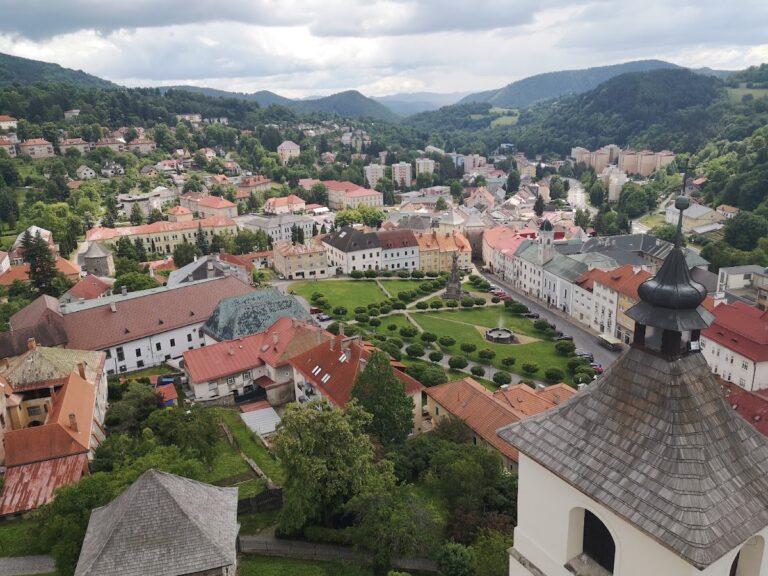
The tower is capped by a Baroque roof with a lantern, a small crowning structure. Its porch is framed by a tympanum, the surface within a gable, and a triangular gable. Inside, the church contains a valuable Rococo pulpit, reflecting the highly decorative character of that later style.
Marian Statue and Monument
The Marian statue associated with the main altar has an uncertain date of creation. During the religious conflicts of the seventeenth century, it was buried to protect it from Protestants and was returned to the church in 1711. The place where it was buried is now marked by a Marian monument.