Co-cathedral of Santa Maria di Nazareth in Barletta
Site at a Glance
- Rating
- 4.2
- Popularity
- Very Low
- Country
- Italy
- Primary era
- Early Modern
- Eras represented
- Early Modern
- Civilizations
- Kingdom of Naples, Spanish
- Site type
- Religious
- Remains
- Cathedral
On this page6 sections
History
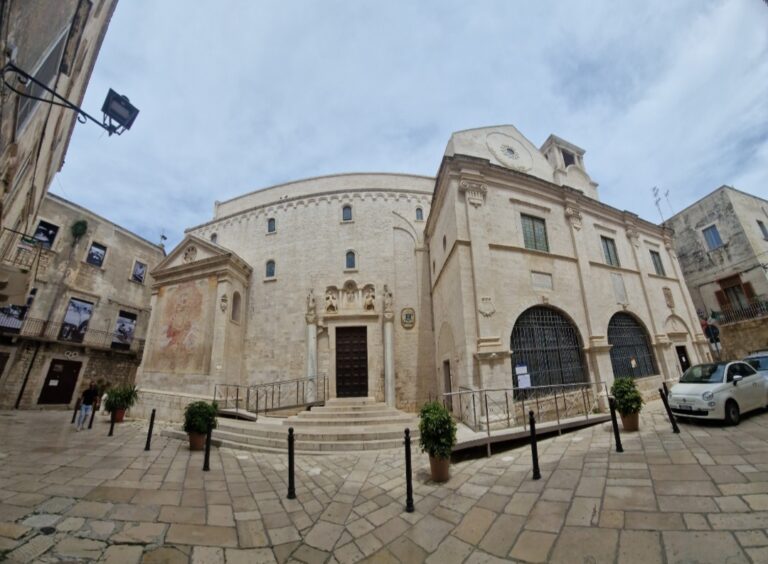
The Co-cathedral of Santa Maria di Nazareth is a Renaissance church in Barletta, Italy, built around 1570 within the city walls on the site of a small church dedicated to Saint Bartholomew. Its history reflects Barletta’s enduring ecclesiastical ties with Nazareth in Galilee and the presence of the archbishops of Nazareth in the city.
The Nazarene See in Barletta
From the twelfth century, the bishop of Nazareth maintained a dependent church in Barletta because of the close relationship between the city and Nazareth. After the Crusader territories were lost, the archbishop of Nazareth took refuge in Barletta and established his succession, residence, and clergy there. By 1309, the archbishops had established their see in the city, and the church became the first Cathedral of Santa Maria di Nazareth.
The medieval cathedral stood outside Barletta’s walls, near Porta Santa Croce. In 1528, it was looted and destroyed by Renzo de Ceri, an Italian condottiere, or professional military commander, active during the Italian Wars. Around 1570, Archbishop Bernardino De Figueroa decided to construct a new cathedral inside the walls, using the site of the former church of Saint Bartholomew.
From Cathedral to Co-cathedral
The new church served as the cathedral of the Archdiocese of Nazareth in Barletta until 1818, when that archdiocese was suppressed. It then received the honorary status of co-cathedral, meaning that it shared cathedral status with another church in the same ecclesiastical jurisdiction, and it was also known as an archiepiscopal church.
Although Barletta formally depended on the archbishop of Trani, the archbishop of Nazareth acted as the city’s archbishop when present. This arrangement caused friction with the archbishop of Trani and sometimes with the clergy of Santa Maria Maggiore, Barletta’s mother church. In 1821, the Nazarene clergy and Metropolitan Chapter, the body of canons attached to a metropolitan cathedral, were united with the clergy of Santa Maria Maggiore. In 1828, the title of Nazareth was entrusted to the archbishop of Trani.
The Archiconfraternity of the Immaculate Conception and Saint Louis, a confraternity with formally elevated status within the Catholic Church, then assumed responsibility for worship and decoration. In 1860, Pope Pius IX established the Archdiocese of Barletta through the papal bull Imperscrutabili Dei, a formal papal document used for important ecclesiastical decisions. The measure also recognized the more than five centuries during which the archbishops of Nazareth had maintained a permanent presence in Barletta and the city’s continuing links with the Holy Land.
Santa Maria di Nazareth became the co-cathedral of the new archdiocese, while Santa Maria Maggiore became its cathedral. The foundation document required the rector of Santa Maria di Nazareth, chosen from the canons of the new cathedral, to hold the title Abbot of Nazareth. It also provided for an archiepiscopal throne in both churches. The church now belongs to the Archdiocese of Trani-Barletta-Bisceglie, and worship is officiated by a canon who holds the title Abbot of Nazareth. Around 2010, the building underwent extensive restoration. For a period, it also served as the seat of the Nazareth-Barletta section of the Equestrian Order of the Holy Sepulchre of Jerusalem, a Catholic chivalric order associated with Christian institutions and communities connected with the Holy Land.
Remains
Church and Episcopal Complex
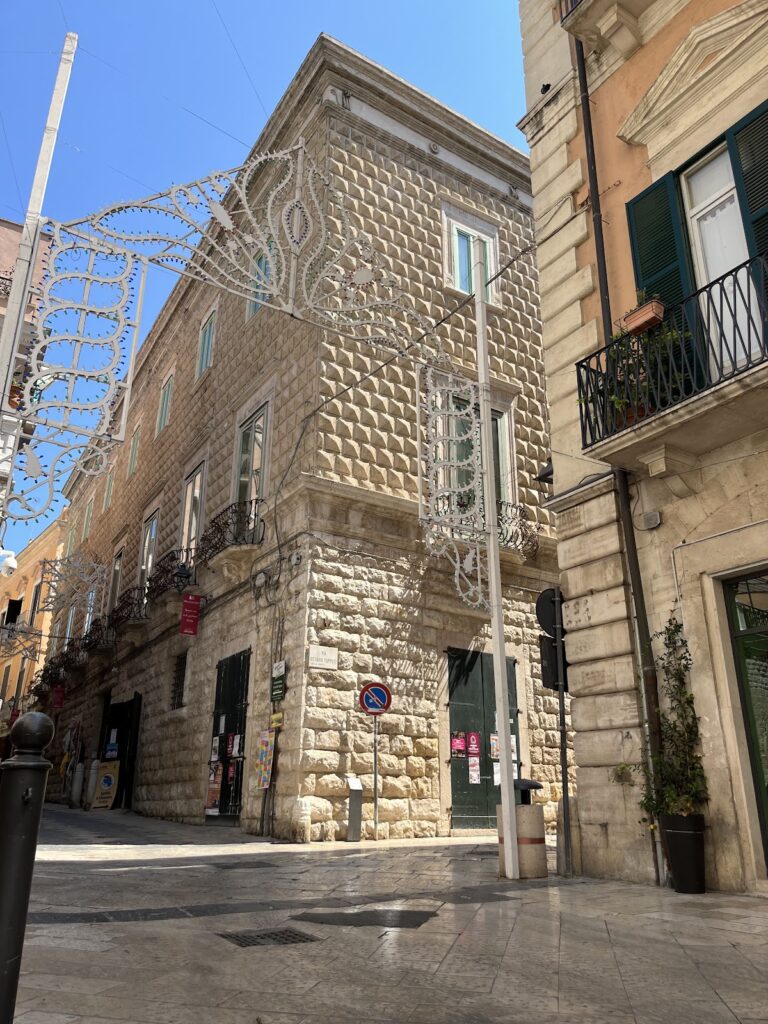
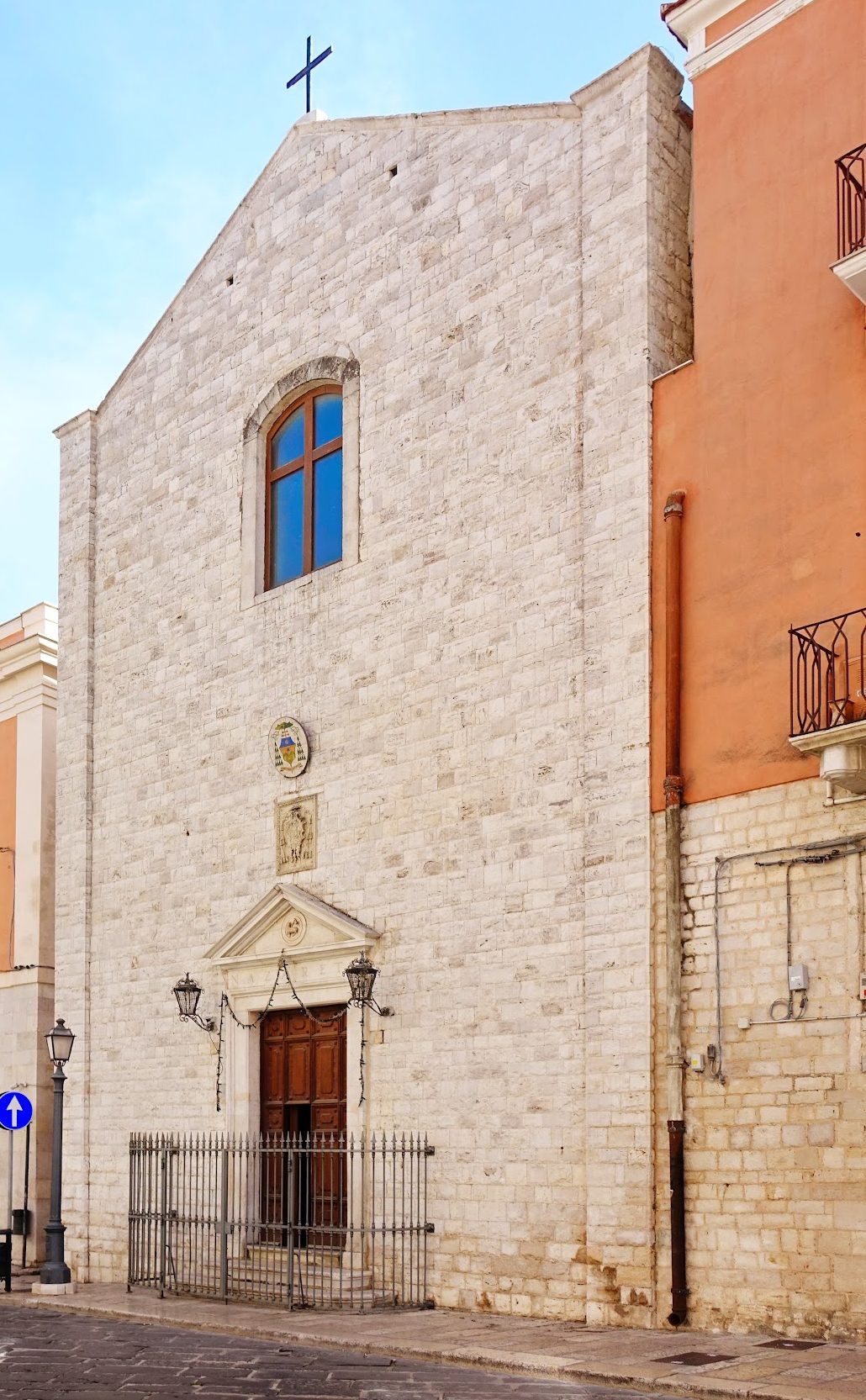
The present church is a modest-sized Renaissance building inside Barletta’s historic walls, shaped by the already developed urban fabric around it. It stands on Via Nazareth beside the Nazarene archbishop’s palace. The church and palace form one large complex, and the palace served as the episcopal residence of the archbishops of Nazareth.
Interior and Preserved Sculpture
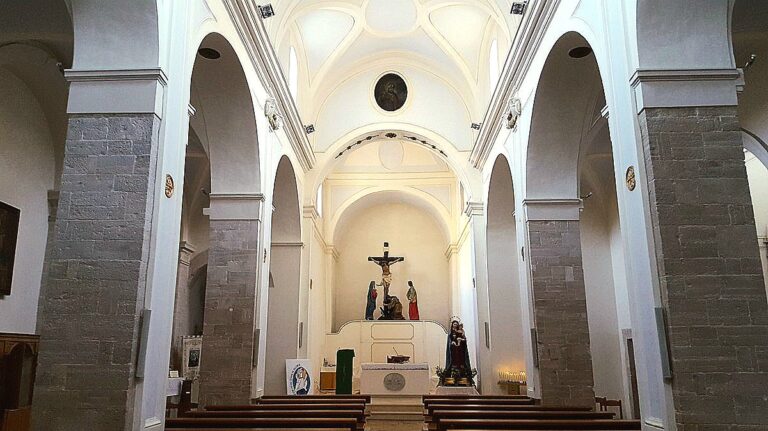
Inside, the high altar is made of precious marble. Behind it is the choir of the Nazarene Metropolitan Chapter, and an archiepiscopal throne remains part of the church’s interior arrangement. Important stone bas-reliefs from the destroyed medieval cathedral are preserved in the present building. One shows Jesus enthroned, while another survives as a fragment of an Annunciation.