St. Wolfgang: A Preserved Gothic Village Church in Munich
Site at a Glance
- Rating
- 4.5
- Popularity
- Very Low
- Country
- Germany
- Primary era
- Medieval
- External website
- Open
- Eras represented
- Medieval, Early Modern
- Civilizations
- Duchy of Bavaria, Holy Roman Empire
- Site type
- Religious
- Remains
- Church
On this page12 sections
History
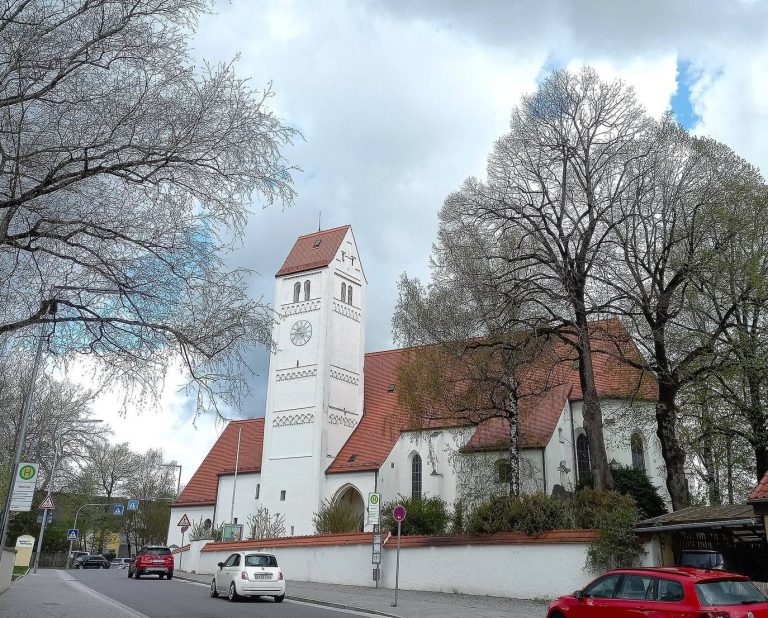
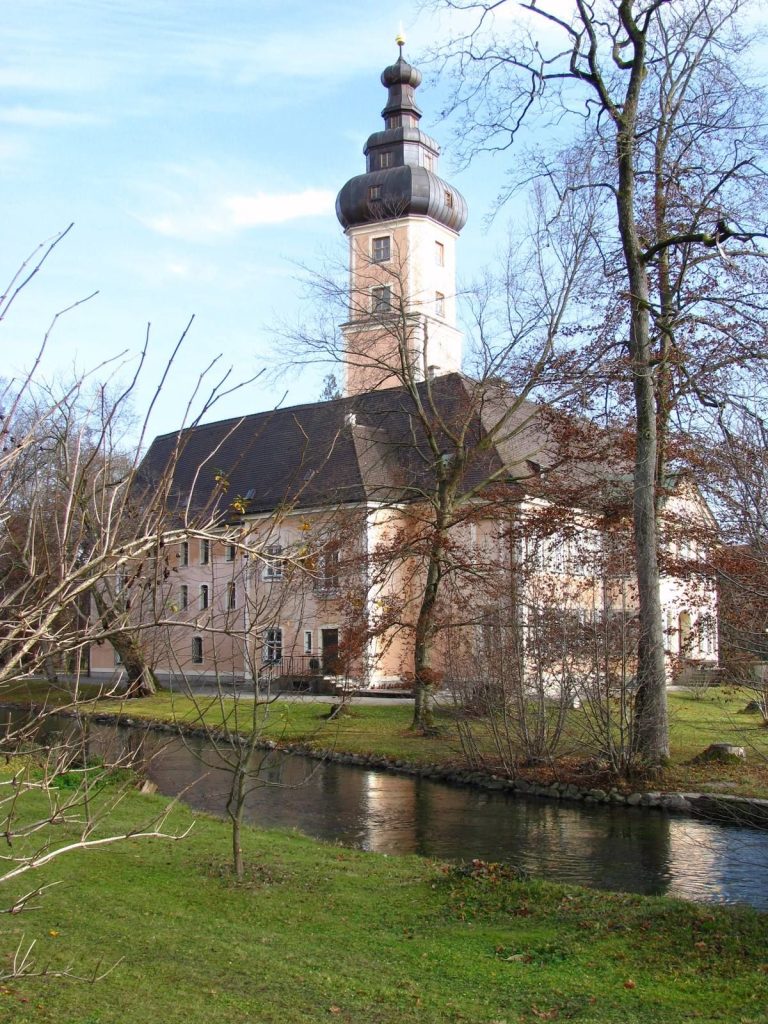
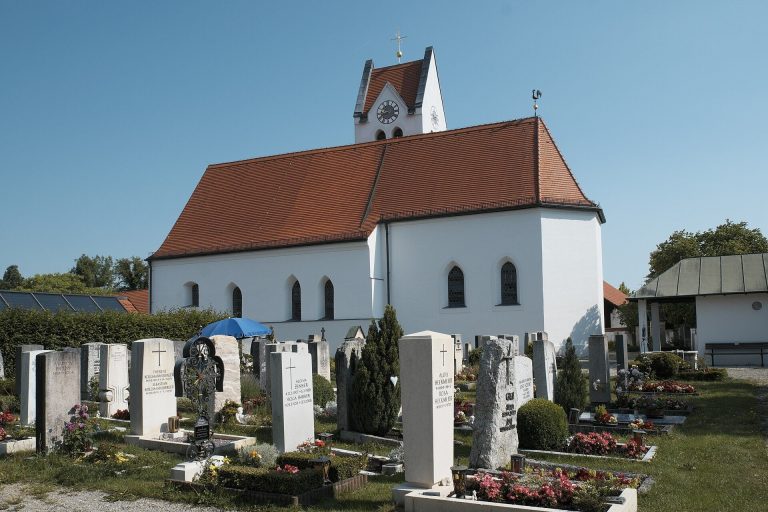
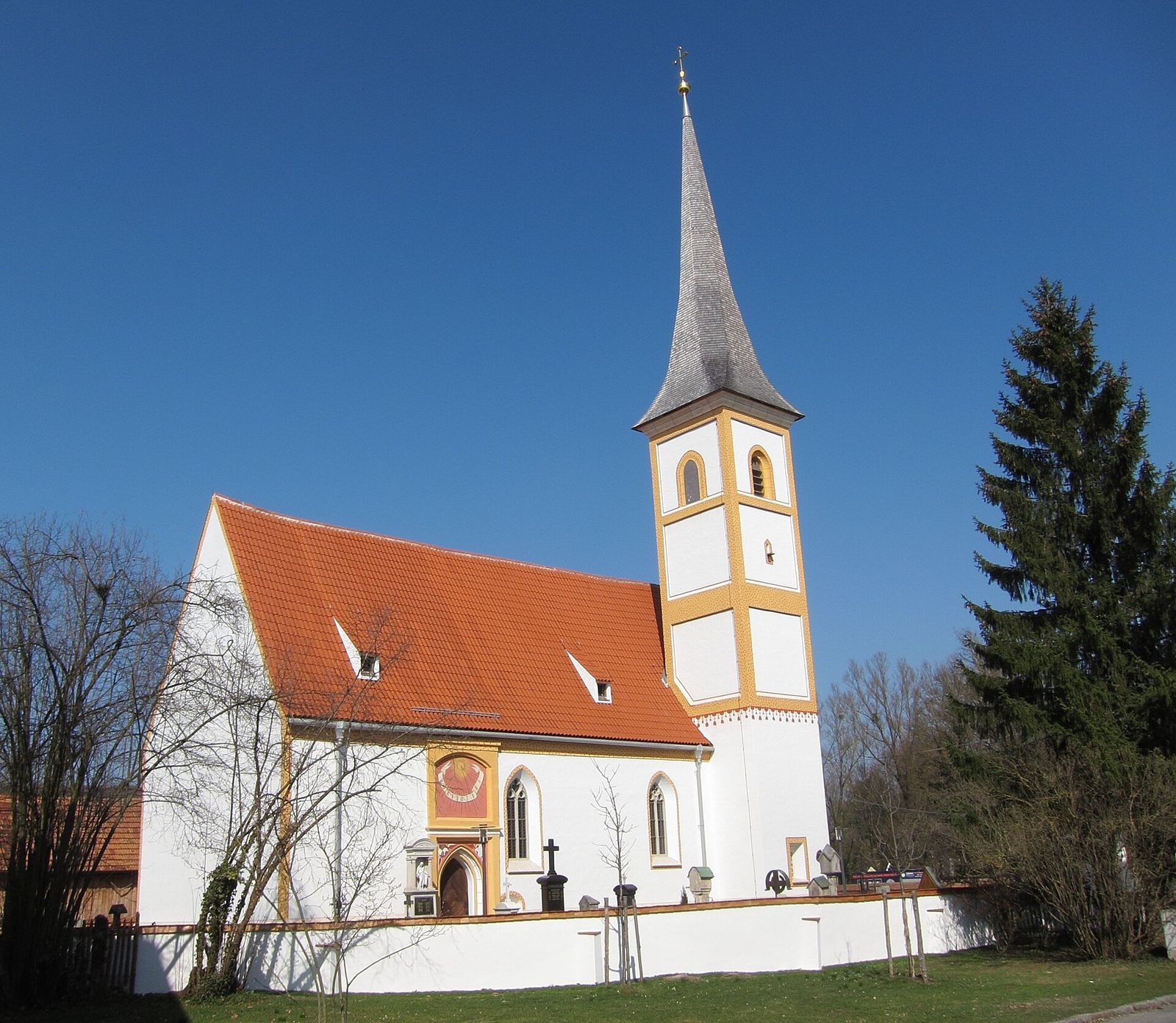
St. Wolfgang is a Catholic subsidiary church in Munich, Germany, and is regarded as Munich’s last completely preserved Gothic village church. Standing in the old village core of Pipping, it is an outstanding example of medieval rural ecclesiastical architecture in Upper Bavaria.
Medieval origins and construction
Archaeological excavations in 1977 revealed a predecessor church dating from the fourteenth century. Duke Sigismund, a fifteenth-century Bavarian duke of the Wittelsbach dynasty, then initiated the construction of the present building. Jörg von Halspach, a late-Gothic master builder associated with Munich, is considered its probable master builder.
A plaque placed on the church in 1848 states that the foundation stone was laid on 5 May 1478 and that the church was consecrated on 13 August 1480, the Sunday before the Feast of the Assumption. Documentary evidence has not confirmed these dates, and the construction of the church and its furnishings is generally placed approximately between 1480 and 1485.
Baroque changes and Gothic restoration
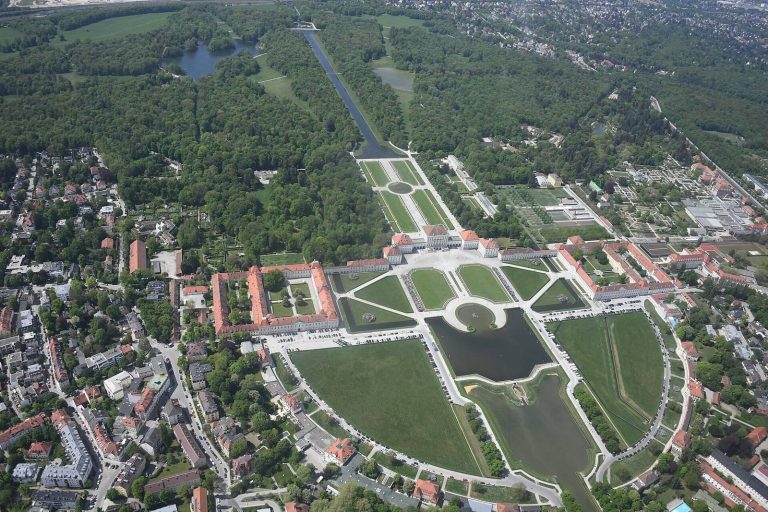
During the Baroque period, the church’s side altars received a Baroque treatment. In 1701, St. Wolfgang was incorporated into the overall planning of the Nymphenburg palace park as a point de vue, a deliberately framed visual destination within a garden or landscape. The facade’s present Gothic-looking color scheme dates from this intervention, although the facade paintings themselves contain late-Gothic heraldic motifs of the Wittelsbach dynasty.
After lightning struck the tower in 1794, a pointed spire was added. Severe damage discovered in the roof structure in 2008 was probably a late consequence of that earlier strike. During the nineteenth and twentieth centuries, the church was progressively returned to its presumed Gothic appearance. Wall paintings were uncovered, the altars were regothicized, and the sacrament house was completed.
Parish use and modern conservation
In 1924, after the new parish church of Leiden Christi was consecrated in Munich-Obermenzing, St. Wolfgang became its subsidiary church. A subsidiary church depends institutionally on a principal parish church rather than functioning as an independent parish church.
St. Wolfgang survived the Second World War without damage. Its interior was renovated between 1976 and 1982, and in 2005 the painted frieze in the apse was restored while the window surrounds were repainted. An inspection in July 2008 found severe damage in the roof structure, and the church was closed because of the danger of collapse. Temporary bracing of the ceiling vault prevented the threatened failure, after which restoration was carried out. The church was ceremonially reopened on 30 October 2011 and is legally protected as a monument.
Remains
St. Wolfgang survives as a fully preserved late-Gothic village church, with its building and furnishings generally dated to approximately 1480–1485. It stands within Pipping Cemetery at the center of the old village core. The surviving interior brings together late-medieval wall paintings, altarpieces, stonework, bells, sculpture, and a later organ, while subsequent repairs and restoration have produced a visually unified appearance corresponding to the church’s period of origin.
Paintings and altars
Wall paintings and facade
Wall paintings by Jan Polack, a late-medieval painter active in Bavaria, date from 1479. The facade paintings include heraldic motifs associated with the Wittelsbachs, the major Bavarian ruling dynasty. Their current color scheme, however, belongs to the Baroque-period intervention connected with the church’s inclusion in the planned composition of Nymphenburg palace park.
Altarpiece shrines
The tripartite late-Gothic high-altarpiece shrine dates from 1480 and depicts St. Wolfgang, a tenth-century bishop of Regensburg venerated as a Christian saint, together with landscapes of the Salzkammergut. The shrine is probably the work of a pupil of Jan Polack. The late-Gothic Mary Altar and Leonhard Altar are also probably by a pupil of Polack. A True Image appears on the predella of the right-hand side altar.
Stonework and sculpture
The pulpit is a late-Gothic stone work. The statues of the Crucifixion group were made by Erasmus Grasser, a prominent late-Gothic sculptor in Munich, approximately between 1485 and 1490. They are now held by the Bavarian National Museum.
Bells and organ
Medieval bells
Two bells were cast by Ulrich von Rosen in 1485. They are tuned a semitone apart, to a1 and b1, and are rung by a rope-pull mechanism.
Transferred organ
The organ was transferred from St. Martin in Untermenzing to St. Wolfgang by Georg Beer in 1872. The instrument was renewed to an unknown extent during the transfer, while older material remained incorporated in it. It is a fully mechanical slider-chest organ, using mechanical sliders to regulate the supply of air to the pipes, with eight stops, one manual, and a pedal. Dieter Schingnitz restored it in 1982.