Tingstäde Church: A Medieval Rural Church on Gotland
Site at a Glance
- Rating
- 4.3
- Popularity
- Very Low
- Country
- Sweden
- Primary era
- Medieval
- External website
- Open
- Eras represented
- Medieval
- Civilizations
- Swedish
- Site type
- Religious
- Remains
- Church
On this page11 sections
History
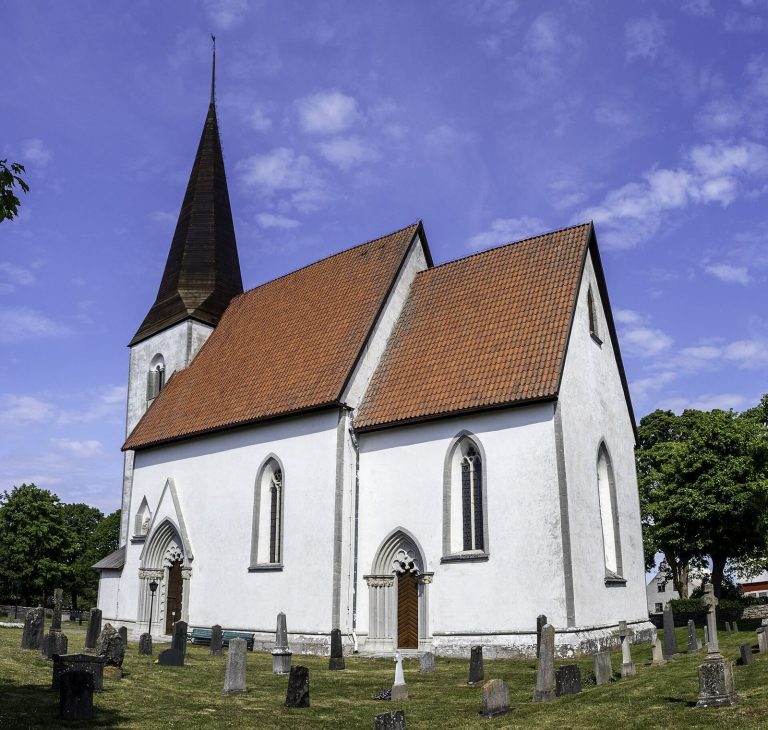
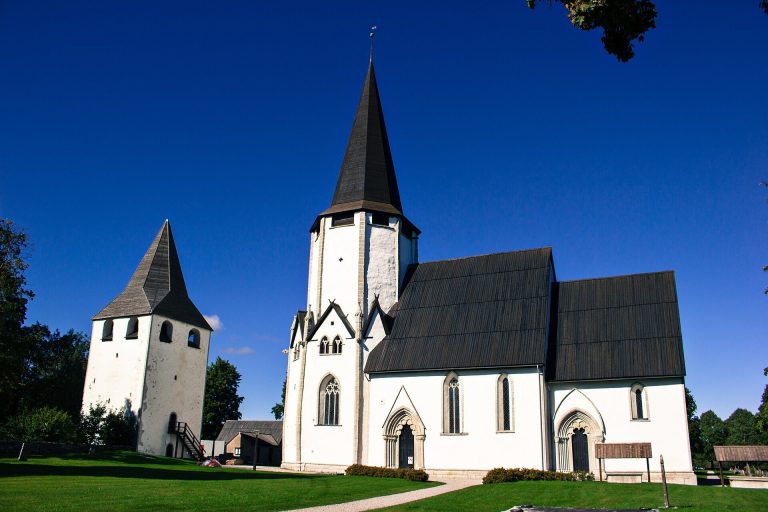
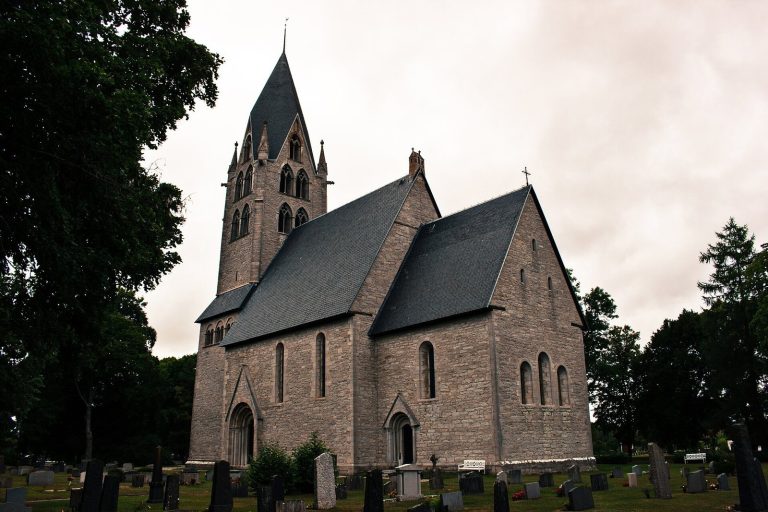
Tingstäde Church is a medieval rural church in Sweden, regarded as one of the largest medieval rural churches on Gotland. It belongs to the Church of Sweden, Sweden’s Lutheran national church, and the Diocese of Visby, its episcopal administrative district for Gotland. The building took its present form through major Romanesque and Gothic phases between the twelfth and fourteenth centuries.
From wooden church to medieval rebuilding
A wooden church stood on the site by the early twelfth century at the latest. This building was later replaced by a Romanesque church. The late-twelfth-century nave was connected to a choir ending in an apse, a usually semicircular termination of the eastern liturgical area.
During the thirteenth century, the choir and sacristy were replaced by a larger construction. Further rebuilding in the Gothic style continued during the thirteenth and fourteenth centuries. Few substantial alterations have been made since these medieval works, leaving the church closely associated with its medieval development.
Assembly place and sanctuary
The name Tingstäde means “place of an assembly” and may indicate that judicial proceedings took place here. The church stands at an ancient political site, leading some scholars to suggest that it may already have served as a symbol of Gotland during the twelfth century.
In the Middle Ages, Tingstäde was one of three asylum churches on Gotland, together with Atlingbo and Fardhem. An asylum church offered a person accused or suspected of a crime temporary sanctuary while legal proceedings were conducted. At Tingstäde, protection could last for forty days. The practice probably developed to help prevent blood feuds from spreading across the island.
Remains
Exterior and medieval structure
Tower and galleries
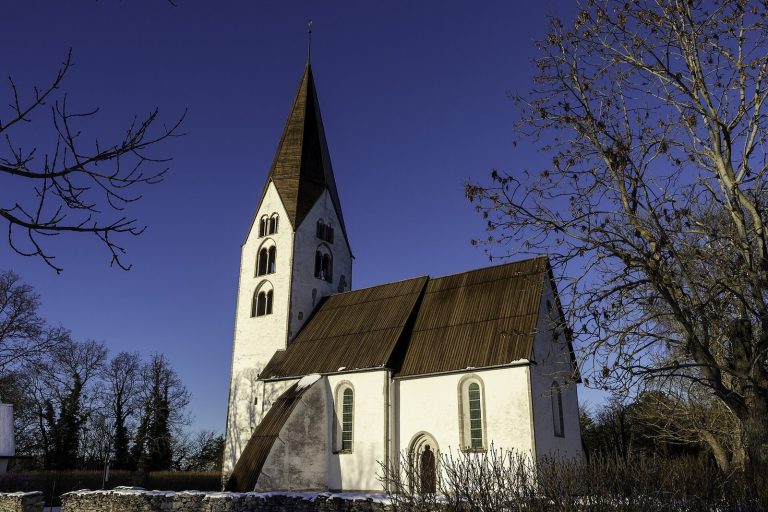
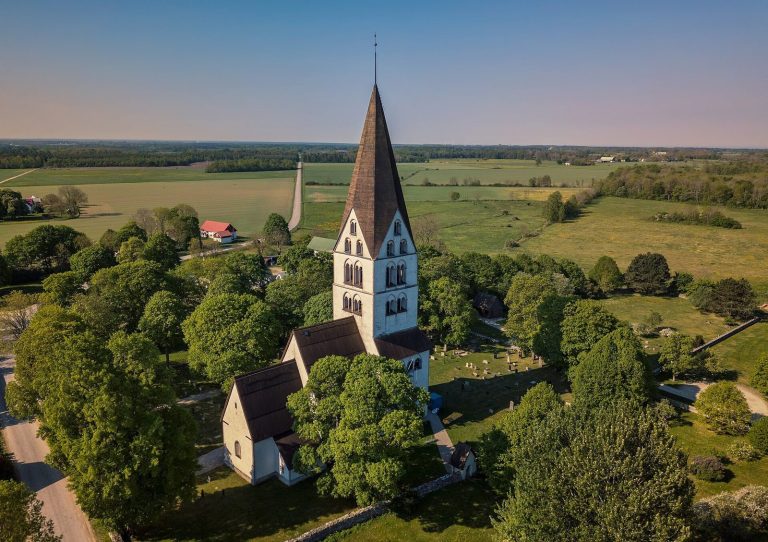
The church has a 55-metre-high tower with Gothic galleries on several levels. Although the building stands about 10 kilometres from the nearest coast, the tower also served as a seamark. In clear conditions, the sea can be seen from it both eastward and westward.
Portals and reused stone
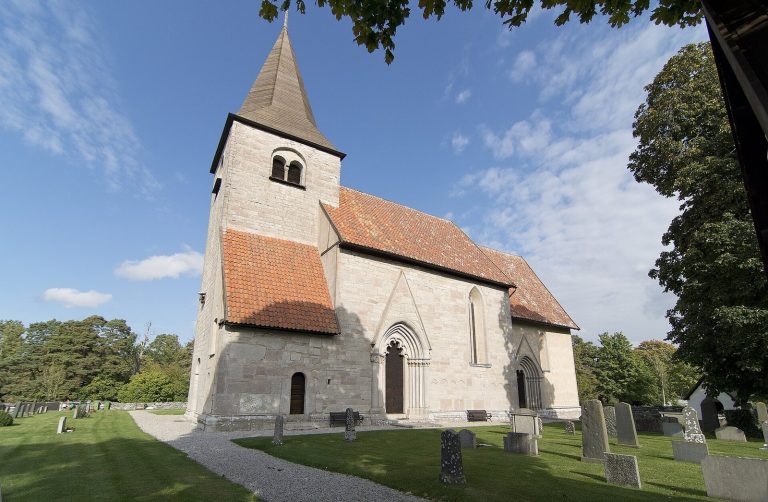
The Romanesque portals survive with stone sculpture. The west portal is thought to imitate a portal of Visby Cathedral. Another medieval portal, associated with the original apsidal choir, survives as the entrance to the sacristy and is dated to the twelfth century. It bears the Lamb of God, an image also used in Gotland’s heraldic emblem. Remains of picture stones, decorated stone monuments characteristic of Gotland, were reused as building material in the church.
Interior architecture and medieval art
Vaulted nave and baptismal font
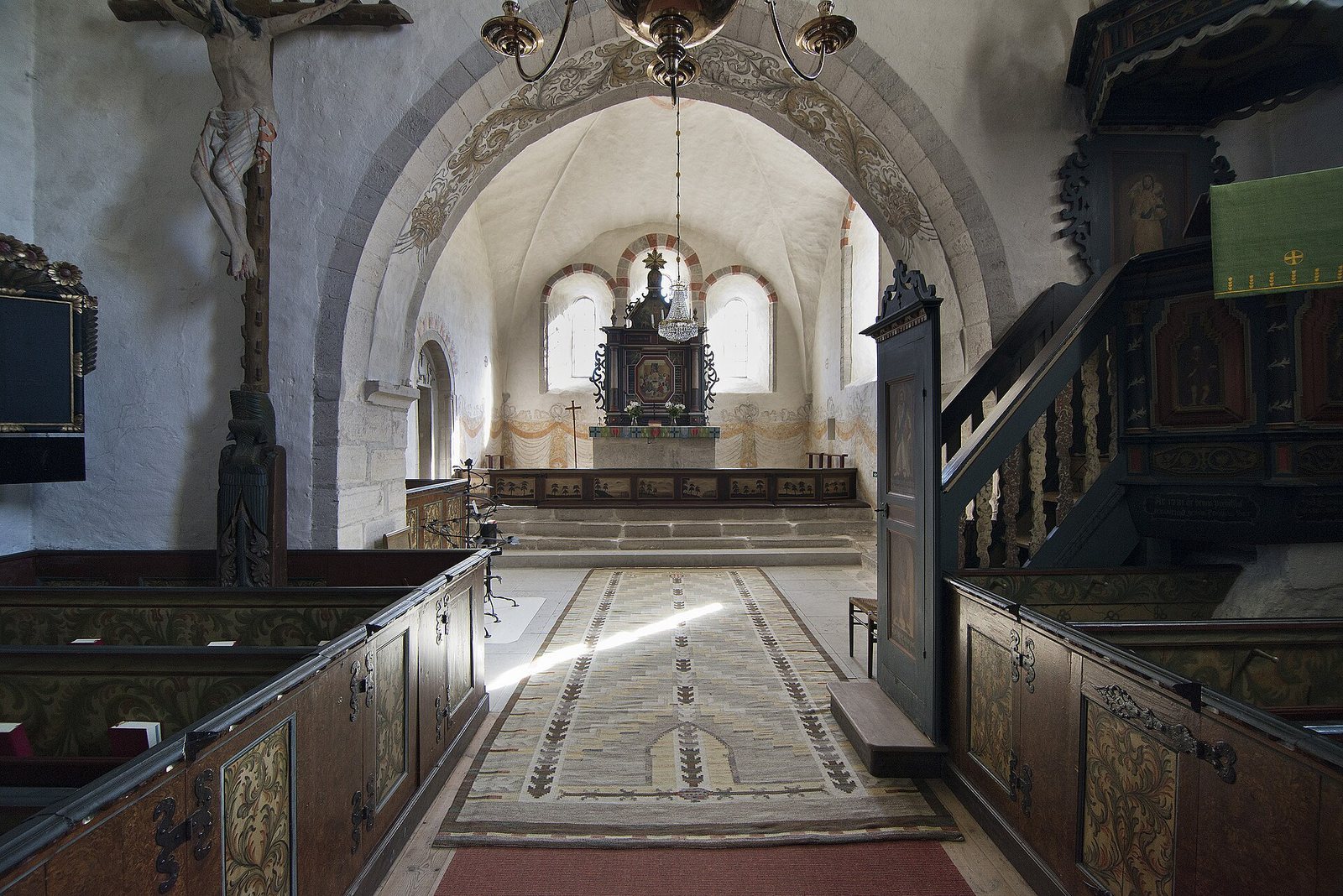
The nave, the main longitudinal space of the church, is vaulted and supported by a single central column with a richly sculpted capital. The capital was made in the thirteenth century by an unidentified master conventionally called Calcarius. A twelfth-century baptismal font, probably made by the unidentified artist known as Majestatis, may have served in the original wooden church.
Wall paintings and triumphal cross
Medieval wall paintings survive in the tower chamber and elsewhere in the church. They date from the fourteenth century, while a canopy based on medieval models was added to complete them in the early eighteenth century.
A notable triumphal cross, a large crucifix placed at or near the boundary between the nave and choir, dates from the first half of the fourteenth century. It was made by the unidentified artist known as the Tingstäde Master.
Later furnishings
The pews probably date from the seventeenth century. The pulpit belongs to the eighteenth century, and Johan Weller painted the altarpiece in 1780. It represents the institution of the Eucharist.