Assumption of Mary’s Church: The Historic Parish Church of Vigentino in Milan
Site at a Glance
- Rating
- 4.4
- Popularity
- Very Low
- Country
- Italy
- Primary era
- Early Modern
- Eras represented
- Early Modern
- Civilizations
- Duchy of Milan, Habsburg, Spanish
- Site type
- Religious
- Remains
- Church
On this page7 sections
History
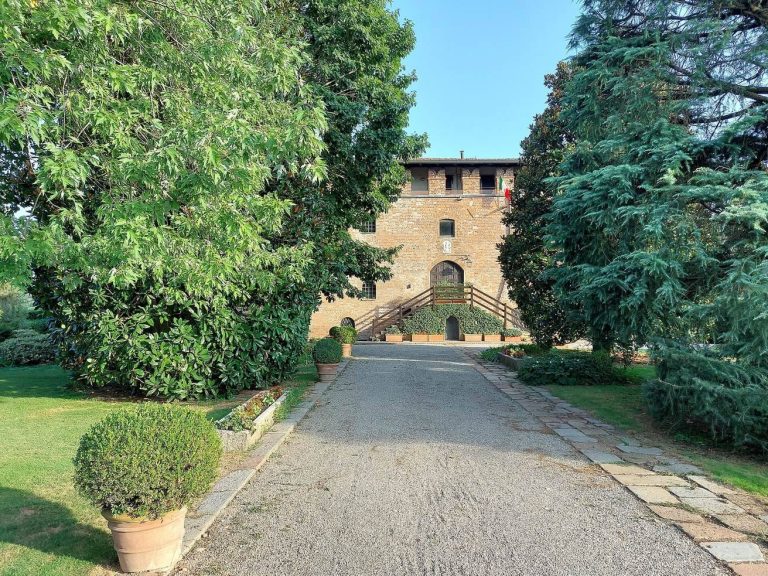
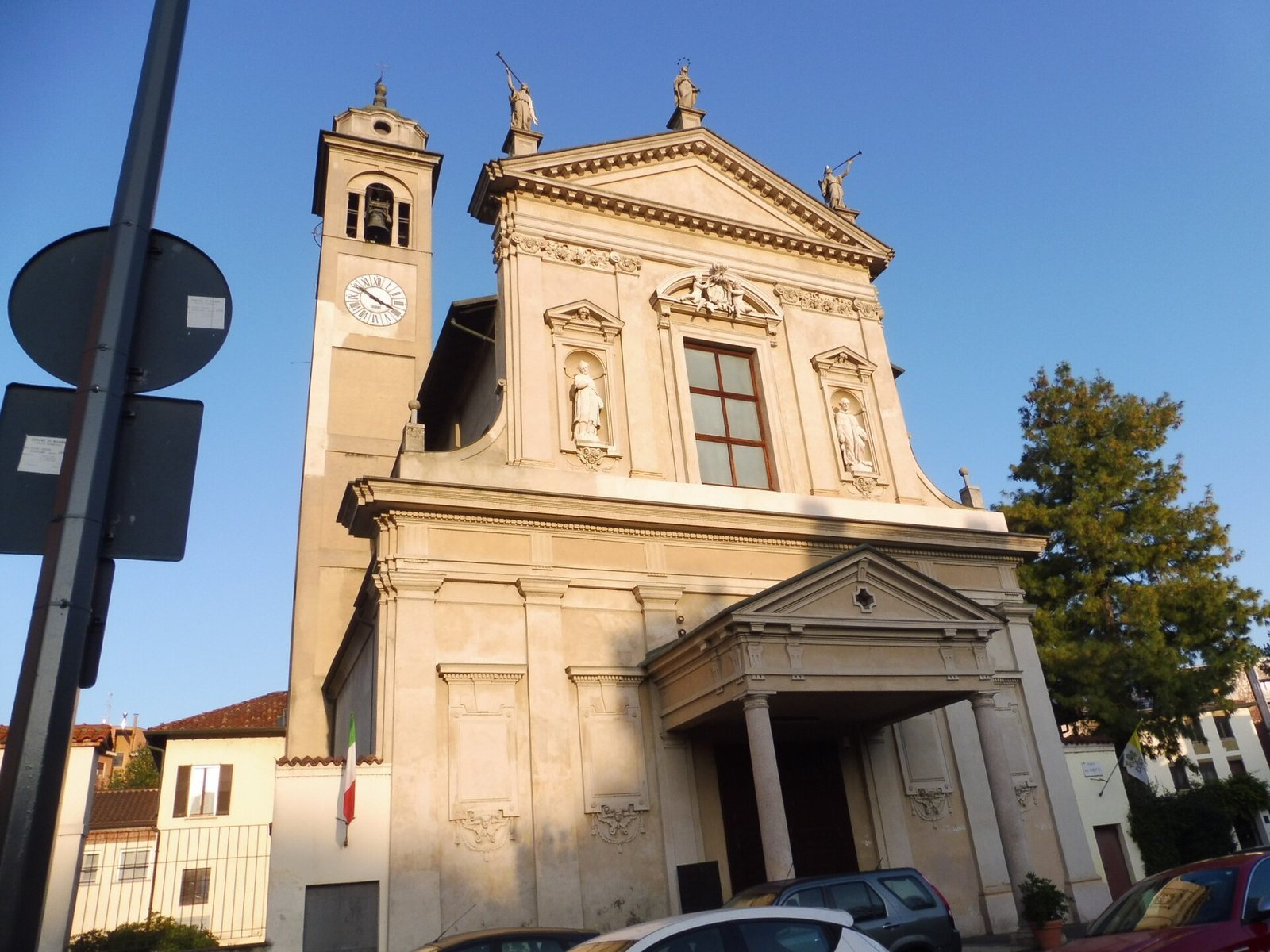
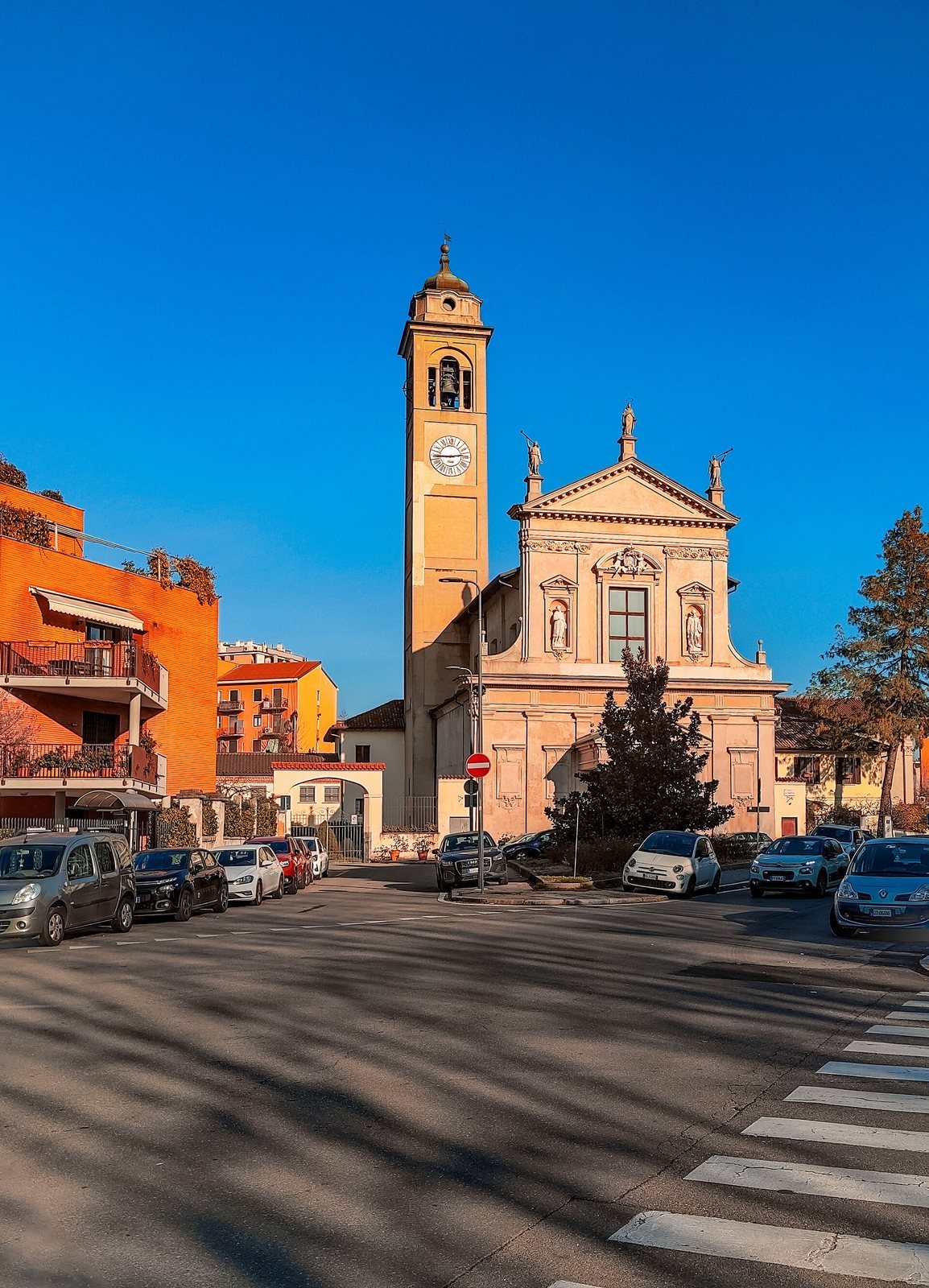
Assumption of Mary’s Church, also known as Santa Maria Assunta al Vigentino, is a Catholic church of Italy in Milan’s Vigentino district. It follows the Ambrosian rite, the distinctive liturgical tradition of the Archdiocese of Milan, and is a Baroque building reconstructed between the fifteenth and seventeenth centuries. For centuries it served as Vigentino’s parish church and later as its provost church, a church led by a provost, an ecclesiastical office above that of an ordinary parish priest.
Early Vigentino
The date of the original church is unknown. Some surviving elements point to a possible first settlement during the Carolingian period, the early medieval era associated mainly with the eighth to tenth centuries. At that time, Vigentino stood outside Milan’s walls in a rural suburban belt along the ancient road to Pavia. Major roads in this area were associated with pagan necropolises, Christian cemeteries, and basilicas outside urban boundaries. This funerary setting, together with the presence of relics at comparable suburban sites, may help explain the area’s later designation as Corpi Santi, a name that remained in use until Vigentino was incorporated into Milan in 1808.
Milan’s destruction by Frederick Barbarossa in 1162 also changed the settlement around the church. Barbarossa, the German king and Holy Roman Emperor whose conflict with the Lombard cities led to Milan’s destruction, caused displaced inhabitants to settle beyond the city walls. Vigentino and other suburban villages consequently experienced a sudden population increase. The local Castellazzo, a defensive palace-fortress, was associated with this period, although it has since disappeared.
Medieval record and the Gerolimini monastery
A church dedicated to Santa Maria in Vigentino appears for the first time in the thirteenth-century Liber Notitiae Sanctorum Mediolani, a medieval record of Milanese churches, altars, feasts, relics, and saints. In 1401, Gian Galeazzo Visconti, duke of Milan and a member of the Visconti dynasty, donated the Castellazzo to the Gerolimini, a religious congregation dedicated to Saint Jerome.
The Gerolimini established a wealthy monastery supported by surrounding landholdings. Santa Maria Assunta formed part of this wider complex while standing outside the monastic enclosure. Its role was to serve the inhabitants of the village and the surrounding countryside. A 1562 document described the church as dilapidated and proposed restoration so that Mass could resume. A visitation plan from the late sixteenth century shows a building smaller than the present church and sparsely furnished.
Reconstruction and later history
Reconstruction began in 1597 in accordance with the Instructiones issued in 1577 by Charles Borromeo, the cardinal and archbishop of Milan whose pastoral reforms influenced worship, church administration, and ecclesiastical building standards. The building records have been lost, but the works were complete by 1621. The reconstruction produced the church’s principal Baroque form, while later additions and decoration continued to shape its interior.
In 1606, the parish priest Don Bernardo Borroni commissioned the paintings in the presbytery, and he appears within the painted cycle. The Rosary Chapel probably dates from 1619 to 1621 and has undergone substantial restoration. A major restoration of the church was completed in 2016. The church is now a subsidiary church of Our Lady of Fatima in Vigentino and belongs to the Archdiocese of Milan.
Remains
Baroque interior
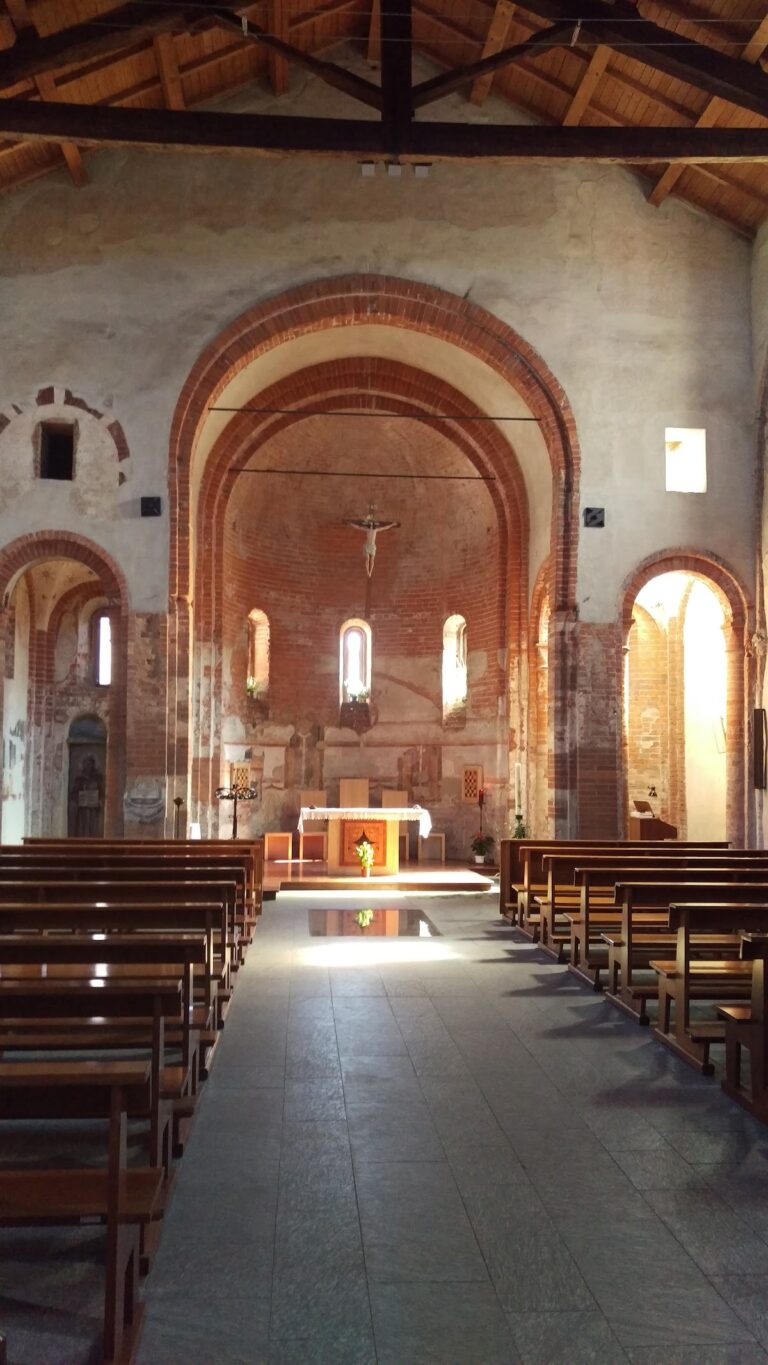
The present church retains a Baroque interior developed through the reconstruction and later campaigns of decoration. Seventeenth-century side altars and stucco work belong to its principal early modern phase. The high altar and the painted decoration of the baptistery were made in the eighteenth century, extending the interior’s decorative history beyond the seventeenth-century rebuilding.
The presbytery contains three large paintings dated 1606. They represent the Dormition, Assumption, and Coronation of the Virgin and are by Girolamo Ciocca. Their compositions reflect the influence of Ambrogio Figino and the Michelangelesque tradition, an artistic style shaped by Michelangelo’s monumental figures, anatomy, and compositions. The paintings were commissioned by Don Bernardo Borroni, who is portrayed in the cycle.
Rosary Chapel
The Rosary Chapel contains a large gilded wooden altarpiece with statues of angels and prophets, following the tradition of fifteenth-century Lombard art. Its lower altar frontal is a nineteenth-century replacement. The central niche holds a modern statue of the Virgin, which replaced an older dressed Madonna. Beside it are panels showing Saint Charles Borromeo and Saint Dominic, the thirteenth-century Spanish founder of the Dominican Order. Saint Dominic holds a model of the church.
The upper part of the altarpiece includes a dove representing the Holy Spirit and a pediment with an image of God the Father. A frieze bearing the Nomen Mariae is flanked by images of Saint Mary Magdalene and Saint Martha. At the top, a gilded wooden frame surrounds a Pietà, a depiction of the Virgin mourning over the dead Christ. The fresco probably originated in the sixteenth-century church and was recovered during renovation.
Fifteen octagonal paintings on wood decorate the chapel walls and vault. They represent the Joyful, Sorrowful, and Glorious Mysteries of the Rosary, a Catholic devotional practice centered on groups of events in the lives of Jesus and Mary. The Flagellation scene includes an executioner in Ottoman costume and another whose clothing suggests a Protestant origin. These details engage with theological concerns of the period. Frescoed busts of saints appear on the side walls and on the vault of the entrance arch. The chapel’s decoration is attributed to Cerano, the artistic name of Giovanni Battista Crespi, and his workshop, although individual authorship of its elements cannot be established securely. The chapel has undergone recent restoration.