Holy Trinity Church, Rudgwick: An Anglican Parish Church in West Sussex
Site at a Glance
- Rating
- 4.9
- Popularity
- Very Low
- Country
- United Kingdom
- Primary era
- Medieval
- External website
- Open
- Eras represented
- Medieval, Modern
- Civilizations
- British, English
- Site type
- Religious
- Remains
- Church
On this page10 sections
History
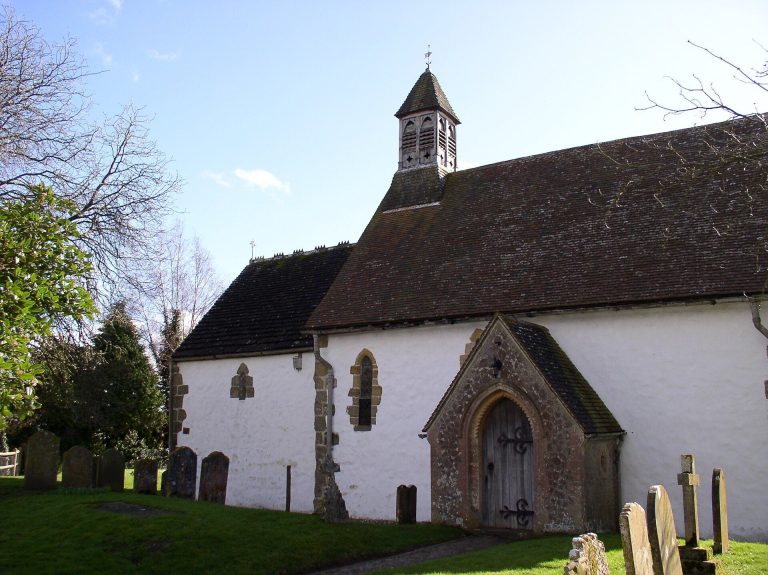
Holy Trinity Church, Rudgwick, in the United Kingdom, is an Anglican parish church whose origins are placed in the 12th century, although another dating places the church around 1260. The present building developed through the medieval period and remains an active parish church in the Church of England.
Medieval origins
Around 1260, Alard the Fleming, a medieval landowner who held the great manor of Pulborough, received the right to hold a fair at Rudgwick on the eve, feast, and day after Holy Trinity. The celebration corresponded to Trinity Sunday, linking the church’s dedication with an important local commercial and religious occasion.
The present church replaced an earlier building that was demolished to make way for it. Material from that predecessor was probably reused in the 13th-century tower, and parts of its south wall may also have been retained. Most of the rest of the medieval church belongs to the 14th century, with further work carried out in the 15th century.
Later status and use
Holy Trinity belongs to the Diocese of Chichester in the Province of Canterbury and is administered through the Horsham Archdeaconry and Horsham Deanery. It was designated a Grade I listed building on 22 September 1959. In England, this status identifies a structure of exceptional national architectural or historic interest.
The churchyard was enlarged in 2023 after consecration by the Bishop of Horsham. This continued the site’s use as a parish church and burial ground.
Remains
The surviving church brings together fabric from several periods. Its oldest feature is a 12th-century font, while the tower dates from the 13th century. Most of the remaining medieval structure belongs to the 14th and 15th centuries, and the vestry is a later Victorian addition.
Medieval fabric
Font
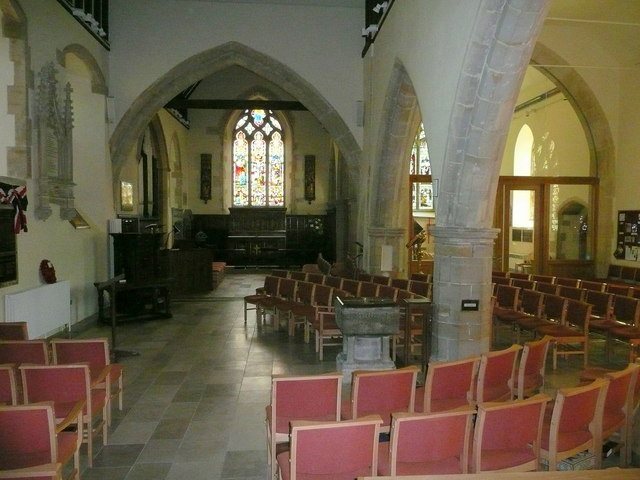
The church’s oldest surviving feature is a 12th-century font made from Horsham or Sussex Marble. Despite its name, this local material is a polished fossil-bearing limestone traditionally used for architectural and church furnishings, including fonts.
Tower
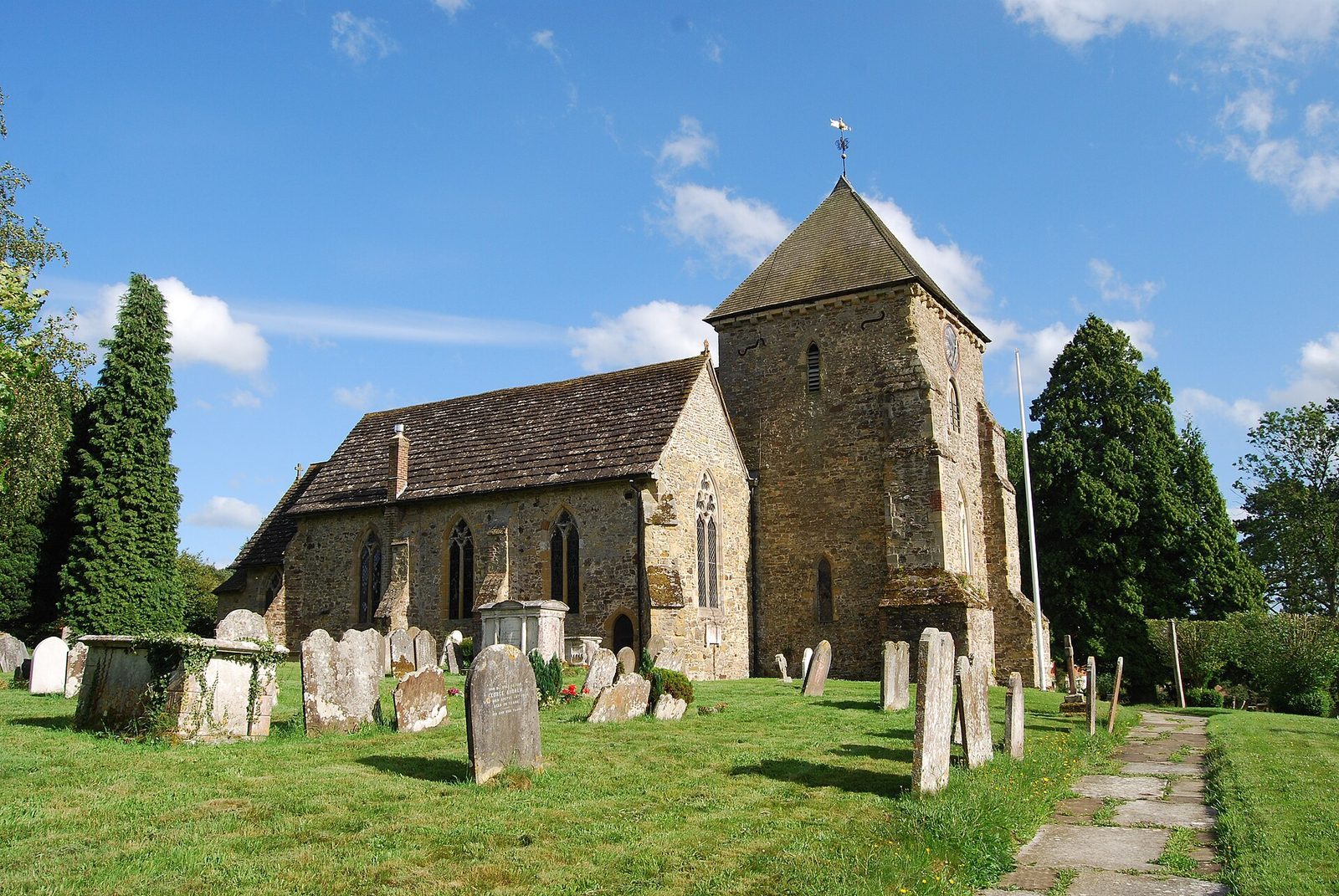
The present tower dates from the 13th century. Much of its material probably came from the earlier church, giving it a physical connection with the building that stood on the site before the present medieval church was constructed.
South wall and later medieval church
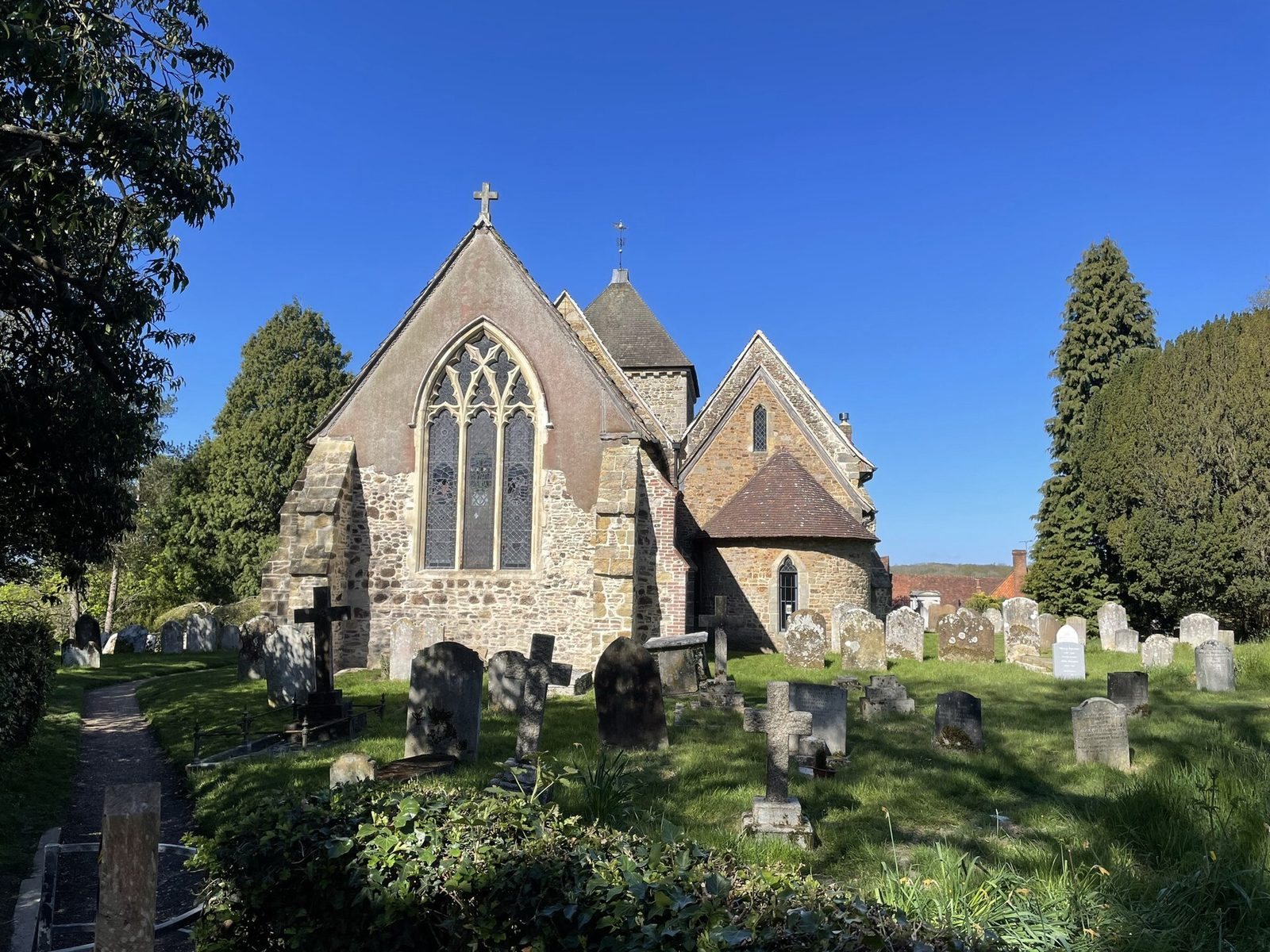
Parts of the south wall may survive from the original church and may be as old as the tower. The greater part of the remaining church dates from the 14th century, with additional work from the 15th century, preserving the building’s successive medieval phases.
Later addition
Victorian vestry
The vestry is Victorian, adding a later phase to the medieval structure. The church has a stated capacity of 178 people.