Yuan Empire: Sites and Map
Yuan sites connect the Mongol court in Beijing with Tibetan monasteries, a Muslim community in Shanghai and the fleet sent against Japan. Their buildings and excavated remains show how the empire drew on several architectural and religious traditions.
Primary Function: All
Type: All
Country: All
Popularity: All
Rating: All
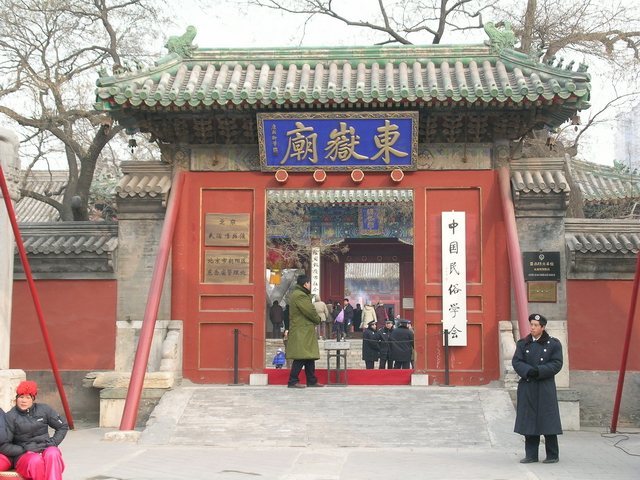
Beijing Dongyue Temple, founded in 1319 during the Yuan dynasty, developed into a major Zhengyi Daoist center devoted to Dongyue Dadi and now also…
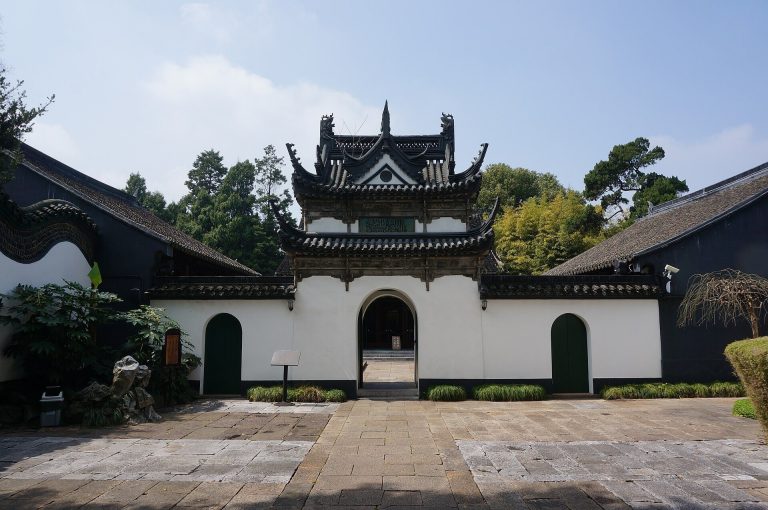
Songjiang Mosque is an active Sunni mosque in Shanghai regarded as the city’s oldest mosque. Founded in the 1360s, it was rebuilt and expanded during…
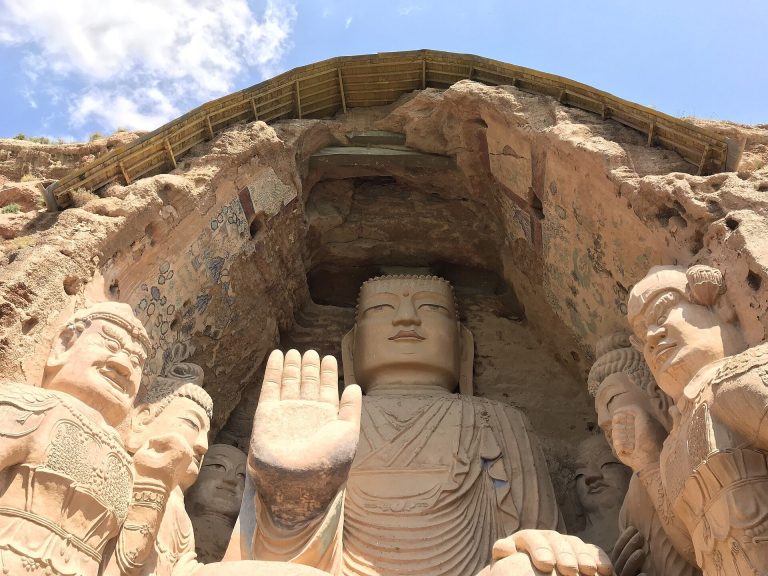
The Tiantishan Grottoes in Gansu began as the Liangzhou Grottoes during the Northern Liang and developed through successive periods of Buddhist…
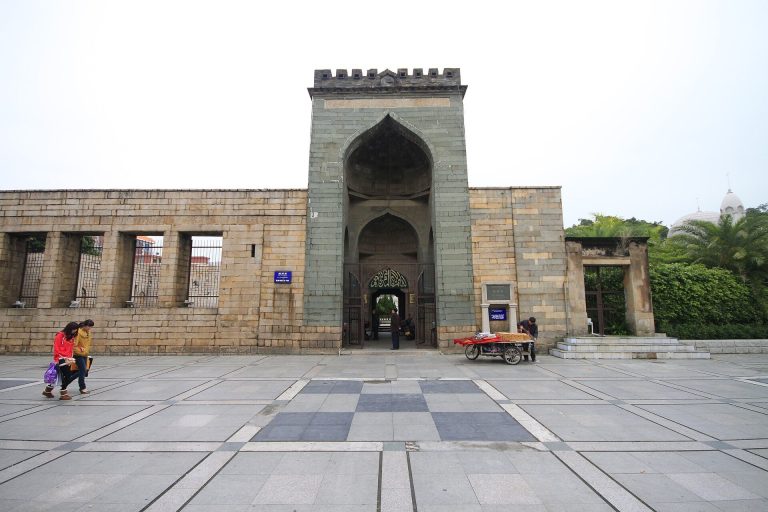
Qingjing Mosque in Quanzhou is one of China’s oldest surviving mosques, preserving evidence of Islamic worship, maritime exchange, and architectural…
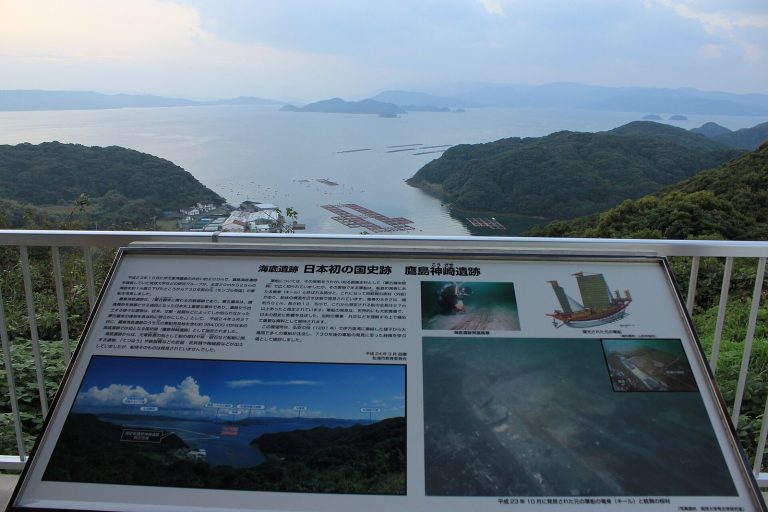
Takashima Kōzaki Site preserves underwater remains associated with the Mongol invasions of Japan, including weapons, ceramics, anchor stones, and…
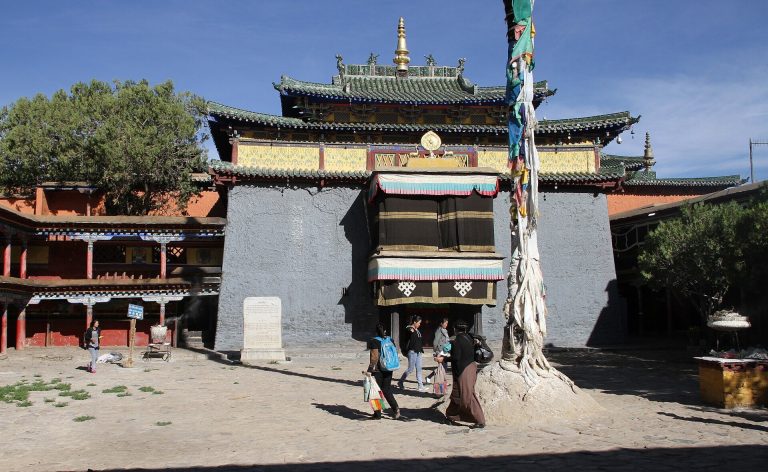
Shalu Monastery in Shigatse, Tibet, was founded in the eleventh century and expanded under Yuan patronage. Its surviving buildings, murals,…
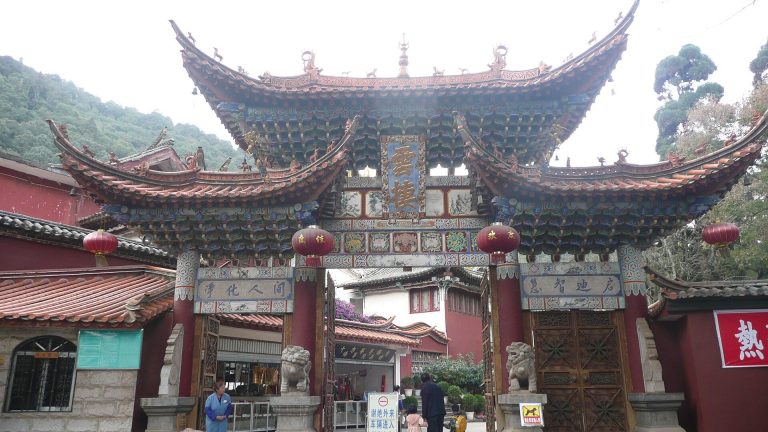
Huating Temple in Kunming traces its history from the Yuan dynasty through Ming and Qing reconstruction, modern Buddhist revival, and state heritage…
For details on how to use the maps, which sites are included, how popularity and ratings are determined, and how sites are classified, see the help page.
On this page5 sections
Beijing: the White Pagoda and its Nepalese architect
The White Pagoda at Miaoying Temple was completed in 1279 under Kublai Khan. Its designer, Araniko, came from Nepal. The tower is a stupa, a Buddhist monument associated with relics, with a broad white body and a tiered spire rising above it.
Its form differs markedly from the many-storeyed Chinese pagoda. That distinction reflects the court’s support for Tibetan Buddhism and the movement of artists across the Himalayan world. The surrounding temple halls have substantial later phases, so the Yuan landmark is the white stupa itself.
Shalu and Sakya: monastic buildings and political authority
At Shalu Monastery near Shigatse, an expansion in the early fourteenth century combined Tibetan monastic spaces with Chinese-style roof forms. Green glazed tiles, upturned eaves and timber brackets appear above the monastery’s heavy walls. Yuan financial support and the participation of Chinese craftsmen helped bring these building traditions together.
Sakya Monastery also held political importance. Phagpa, a leading Buddhist teacher at Kublai’s court, helped establish Sakya administration in Tibet under Mongol authority. Construction of the Southern Monastery began in 1268, shortly before the Yuan dynastic title was proclaimed.
The fortified complex contained religious spaces alongside administrative and residential buildings. Its great scripture hall and collections of manuscripts reflect the institution’s scholarly work, while its scale and enclosure belong to a centre that exercised government as well as religious leadership.
Songjiang: a mosque within a Chinese building tradition
The Songjiang Mosque in Shanghai originated in the late Yuan period. Its courtyards and roofed halls place Muslim communal worship within a Chinese architectural setting, while Arabic inscriptions and decoration express the building’s religious identity.
The rear part of the prayer hall retains Yuan work; other sections were added or altered under the Ming and later dynasties. This layered structure records the community’s continued investment in its place of worship. It also extends the map beyond imperial Buddhist patronage to a different religious institution within Yuan society.
Beijing: honours for Confucius
The Temple of Confucius in Beijing was founded in the early fourteenth century to honour the ancient teacher whose ideas helped shape official education. Its Yuan entrance building, the Gate of the Former Teacher, has large timber bracket groups, while a decree stele records imperial honours granted to Confucius in 1307. A stele is an upright inscribed stone used to preserve a formal text.
The temple shows the Mongol dynasty’s sponsorship of an established Chinese scholarly tradition. Much of the complex was subsequently rebuilt or enlarged, including the principal hall, so the Yuan gate and inscriptions provide more specific evidence than the present appearance of every courtyard.
Takashima: the remains of an overseas expedition
At Takashima Kozaki in Japan’s Imari Bay, underwater remains belong to the fleet involved in the invasion of 1281. Wooden hull sections, anchors, ceramics and weapons document the material equipment of the expedition, which ended after a destructive typhoon.
The underwater wreck records shipbuilding, transport and warfare through the equipment used by the expedition. It places the dynasty’s maritime ambitions alongside the religious and political connections represented by its buildings across continental Asia.
Use the map markers or grid cards to open the individual accounts of these buildings and archaeological remains.