Fairfax House: A Georgian Townhouse and Museum in York
Site at a Glance
- Popularity
- Medium
- Country
- United Kingdom
- Primary era
- Early Modern
- Eras represented
- Early Modern, Modern
- Civilizations
- British
- Site type
- Domestic
- Remains
- Elite Residence
On this page7 sections
History
Construction and Fairfax ownership
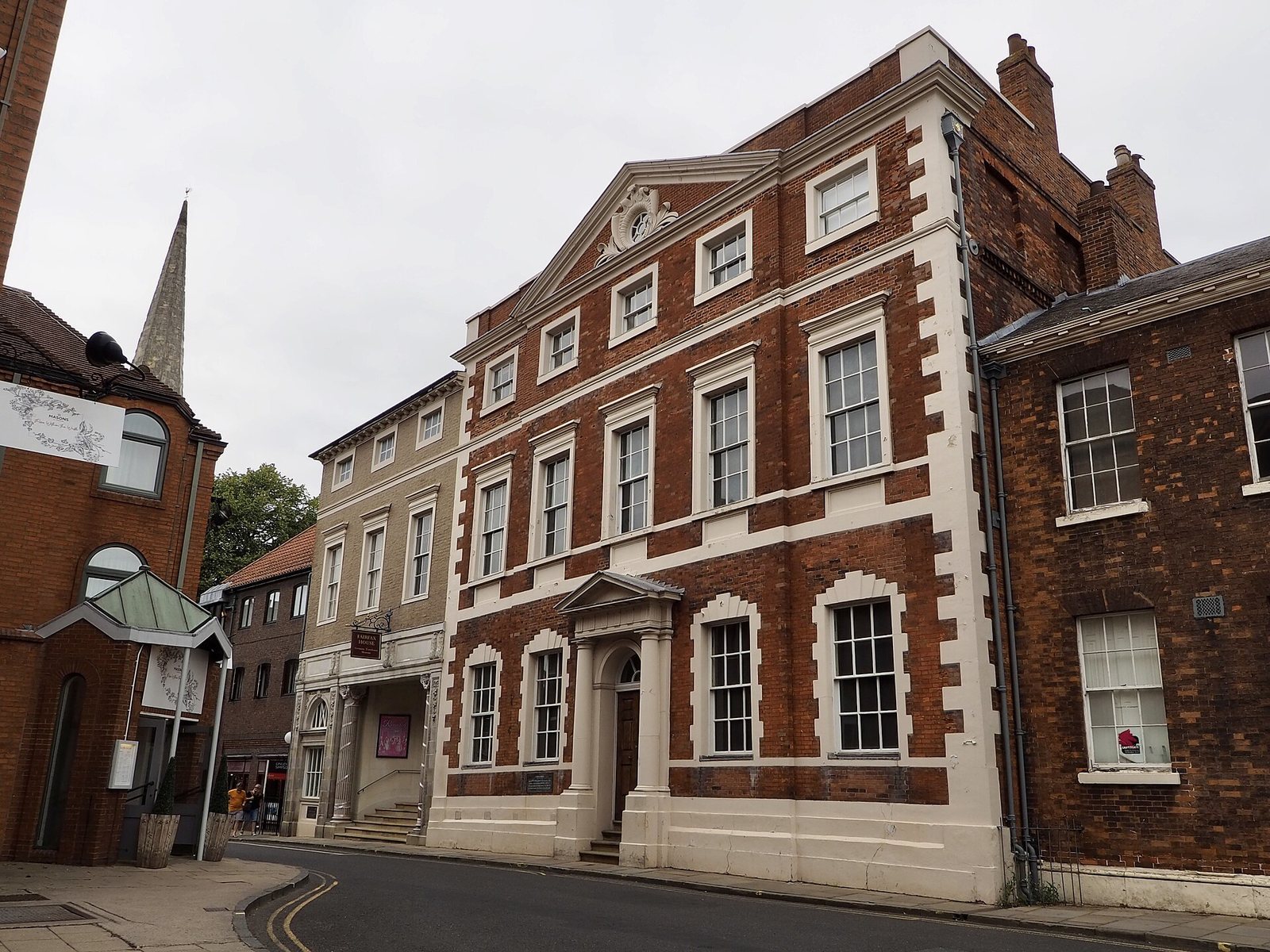
Fairfax House is a Georgian townhouse in York, United Kingdom, probably built in the early 1740s for a local merchant. In 1759, Charles Gregory Fairfax, 9th Viscount Fairfax of Emley, bought the house with money inherited from his late wife, Elizabeth Clifford, daughter of Hugh Clifford, 2nd Baron Clifford of Chudleigh. He intended it for Ann, his daughter from his first marriage.
In 1761, Fairfax commissioned Yorkshire architect John Carr to remodel the house. The work was completed in 1765. Fairfax died in 1772, when his title became extinct, and the property was sold.
Changing occupants and uses
Later residents included Sir Walter Vavasour, 6th Baronet of Haslewood, in 1780; William Danby in 1787; Peregrine Wentworth in 1792; Sir John Lister Kaye, 1st Baronet Lister-Kaye of Grange, in 1820; and Ann Mary Pemberton, who lived there from 1840 to 1865.
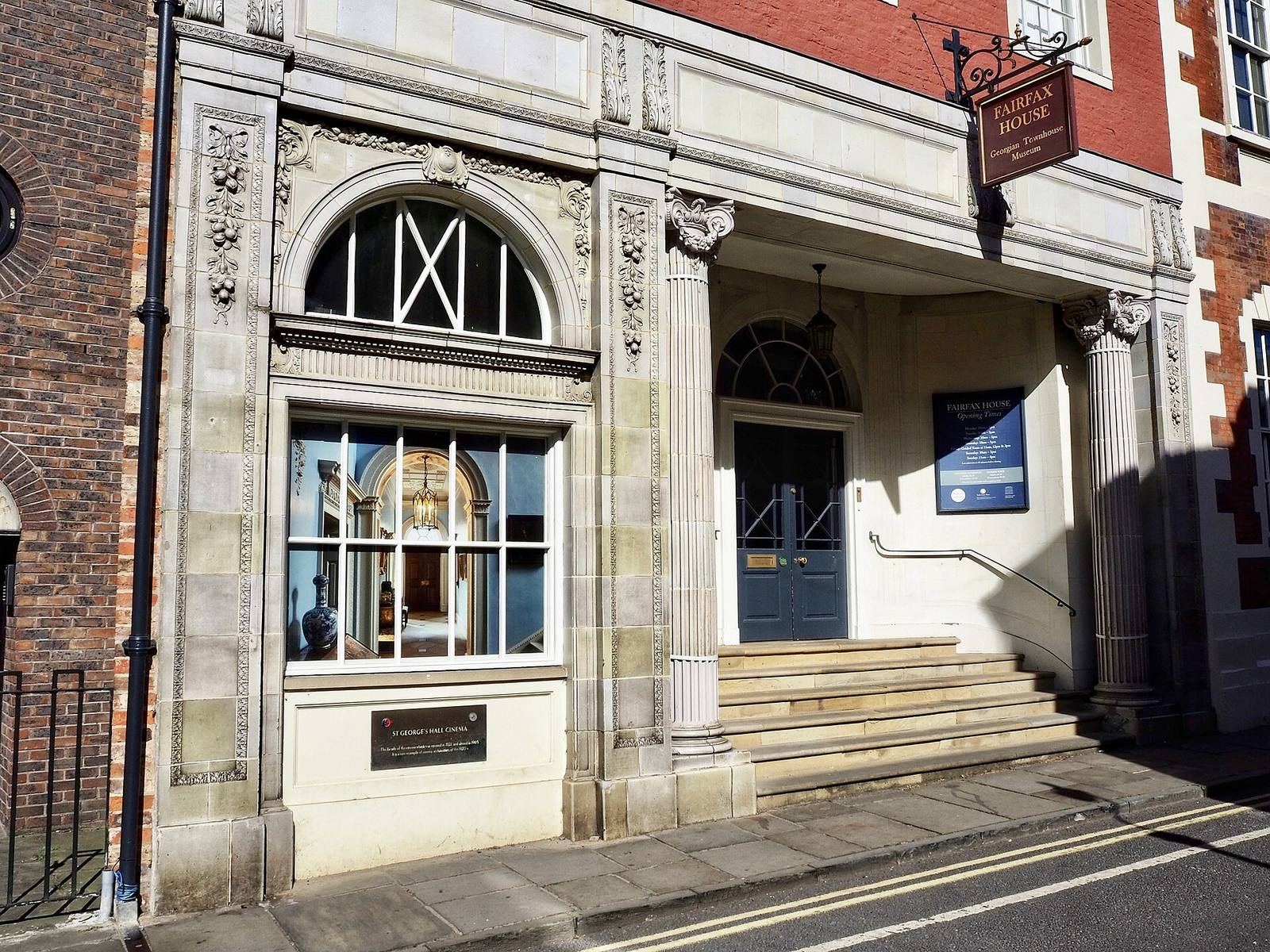
The house was later renamed St George’s Hall and fell into disrepair. Part of it served as a dance hall in the late nineteenth and early twentieth centuries. In 1920, the properties at 25 and 27 Castlegate were joined and converted for use as a cinema and ballroom. St George’s Cinema opened in 1921, and the building was enlarged.
Restoration and museum
After the cinema closed in 1970, York City Council acquired the dilapidated building and sold it to York Civic Trust. The Trust restored it between 1982 and 1984 under architect Francis Johnson. York Conservation Trust later acquired the house and leased it to York Civic Trust.
Following the death of chocolate businessman Noel Terry in 1980, his collection of Georgian furniture and clocks was given to York Civic Trust and placed in the house. Fairfax House now serves as a public museum and the Trust’s headquarters. It became a Grade I listed building on 14 June 1954, the highest listed-building category in England, reserved for buildings of exceptional interest.
Remains
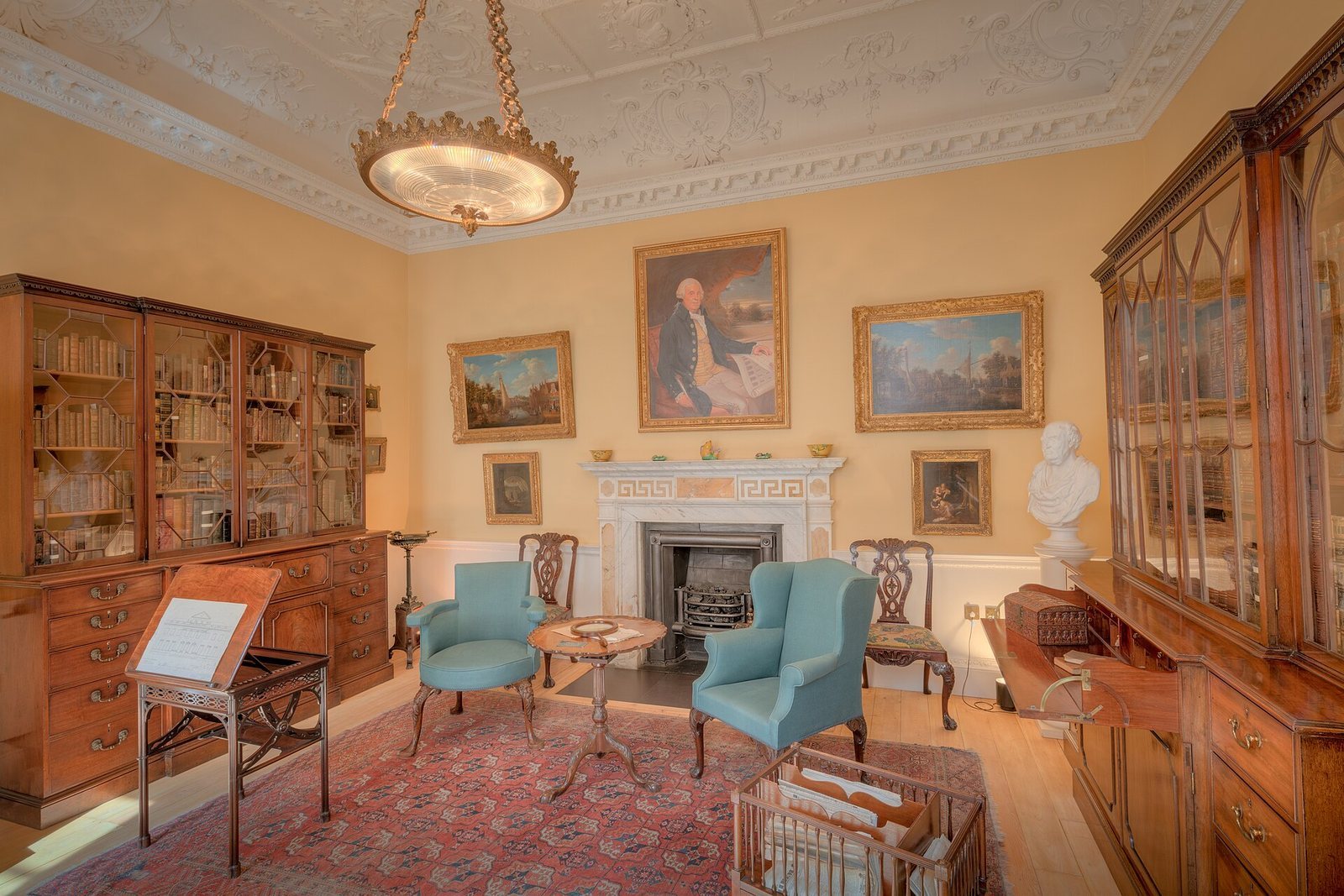
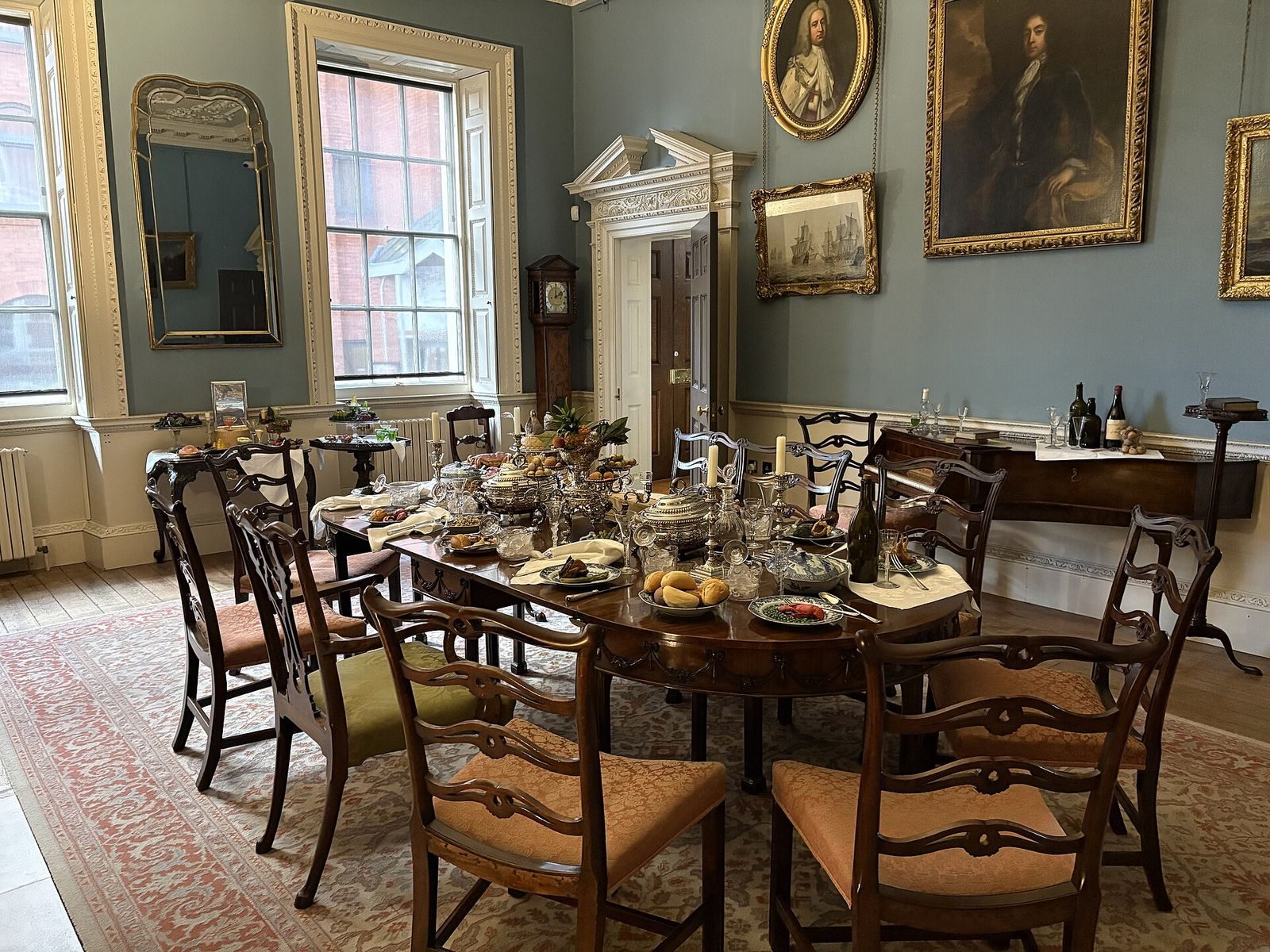
Fairfax House occupies 27 Castlegate and forms part of premises that also include No. 25, a building dating to the early nineteenth century. Its Georgian rooms retain decorative plasterwork and carved woodwork, while period rooms display collections of furniture, clocks, and glass.
Townhouse and interior
The mid-eighteenth-century interiors include plasterwork by James Henderson and Giuseppe, also known as Joseph, Cortese. Carved woodwork and staircases with wrought-iron balustrades made by Maurice Tobin around 1762 add to the surviving interior features. Wrought-iron gates and railings once lined Castlegate; they were removed when the street was widened, and York architect and artist Ridsdale Tait depicted them. The former cinema entrance now serves as the house’s main entrance.
Collections
The period rooms contain Georgian furniture and clocks from the Terry collection, alongside a large collection of Georgian glass. The furniture is 99 percent English-made, and the collection is regarded as among the finest collections of English Georgian furniture in Europe. A wooden panel carved by Grinling Gibbons while he was learning his trade in York was rediscovered in summer 2017 and added to the collection. A portrait of Elizabeth Clifford joined it in 2023.