Yodo Castle: A Medieval Military Stronghold in Kyoto
Site at a Glance
- Rating
- 3.5
- Popularity
- Medium
- Country
- Japan
- Primary era
- Medieval
- Eras represented
- Medieval
- Civilizations
- Ashikaga shogunate
- Site type
- Military
- Remains
- Castle
On this page5 sections
History
Yodo Castle was built by Hatakeyama Masanaga in present-day Fushimi Ward, Kyoto, Japan, during the middle Muromachi period, an era of shogunal rule. It became the seat of Yamashiro’s provincial military governor and a stronghold controlling routes toward Settsu and Kawachi.
Provincial seat and the 1504 siege
After the Ōnin War, a major conflict from 1467 to 1477 that intensified rivalries among warrior houses, Masanaga is thought to have moved Yamashiro’s governor’s seat from Shōryūji Castle to Yodo. The earliest known written reference, dated 1 August 1478, places a Jinbo retainer in Yodo and identifies it as the governor’s seat. After the Hosokawa clan gained control of Yamashiro in 1493, retainers with deputy-governor responsibilities guarded the castle.
The First Battle of Yodo Castle lasted from 4 to 20 September 1504. Earlier that year, Hosokawa Masamoto had ordered his deputy, Yakushiji Motokazu, to attack Makishima Castle. Akazawa Tomotsune’s forces then withdrew from Makishima, apparently with 600 to 700 men. Hatakeyama Hisanobu’s forces subsequently attacked Yodo, a key military and transport position. The opposing armies’ numbers are unknown, but Motokazu’s side lost more than 60 men.
During the siege, Motokazu rebelled against Masamoto and backed Masamoto’s adopted son, Hosokawa Sumimoto. Local warrior groups from Yamashiro and Akazawa’s forces joined Motokazu at Yodo. His brother Yakushiji Nagatada remained loyal to the Hosokawa side and attacked the castle with Kōzai Motonaga. Masamoto’s forces retook it. The defender Shinomiya died by suicide; Motokazu was captured and later died by suicide in Kyoto on 20 September, while Akazawa withdrew to Yamato. The fighting helped turn the Hatakeyama and Hosokawa rivalry into open war across Yamashiro, Kawachi, Izumi, Settsu, and Yamato.
Changing control and the 1573 battle
Hosokawa retainers continued to govern Yodo as power shifted to the Miyoshi. After Miyoshi Nagayoshi brought the Kinai region around Kyoto under his control in 1559, Hosokawa Ujitsuna became lord of the castle. On Ujitsuna’s death in 1564, Nagayoshi’s nephew Miyoshi Yoshitsugu succeeded him, followed by a commander aligned with Matsunaga Hisahide. In July 1566, forces of the Miyoshi triumvirate, a group of leading Miyoshi retainers, attacked Yodo and Shōryūji castles. A commander allied with the Miyoshi then took charge at Yodo. Oda forces burned and captured the castle in 1568, after Oda Nobunaga entered Kyoto.
The Second Battle of Yodo Castle took place on 2 August 1573. Ashikaga Yoshiaki, the fifteenth Ashikaga shogun, had renewed his revolt against Nobunaga from Makishima. Nobunaga’s forces besieged that castle, and Yoshiaki surrendered, provided a hostage, and fled to Kawachi. At Yodo, Kinoshita Hideyoshi, later known as Hashiba Hideyoshi and Toyotomi Hideyoshi, led the force confronting Miyoshi commander Iwanari Tomomichi. Nobunaga also ordered nearby castle lord Hosokawa Fujitaka to join the attack.
Iwanari came out to fight, apparently at the urging of the castle’s commanders, and a retainer of Fujitaka killed him. More than 340 men on Iwanari’s side died, including the commander. His head was sent to Nobunaga, who was campaigning in Takashima, Ōmi. The Shinchō kōki recounts that Nobunaga praised the retainer’s service and placed his own garment over him.
Toyotomi rule and abandonment
In 1582 Akechi Mitsuhide renovated Yodo Castle, which was also used during the Battle of Yamazaki. Toyotomi Hidenaga renovated it again in March 1589, and Toyotomi Hideyoshi gave it to his consort Chacha as a place to give birth. Their son Tsurumatsu was born there and died in 1591; afterward, Chacha became known as Yodo-dono, or Lady Yodo.
After Tsurumatsu’s death, Hideyoshi adopted his nephew Toyotomi Hidetsugu. The later birth of Hideyori to Chacha strained relations between Hideyoshi and Hidetsugu. In 1595, Hidetsugu died by seppuku, a ritual suicide by disembowelment. Kimura Shigekore, Yodo Castle’s last lord, was implicated, and the castle was abandoned. Much of its building material was apparently taken for use at Fushimi Castle; when a later Yodo Castle was built, some materials were reused from Fushimi.
Remains
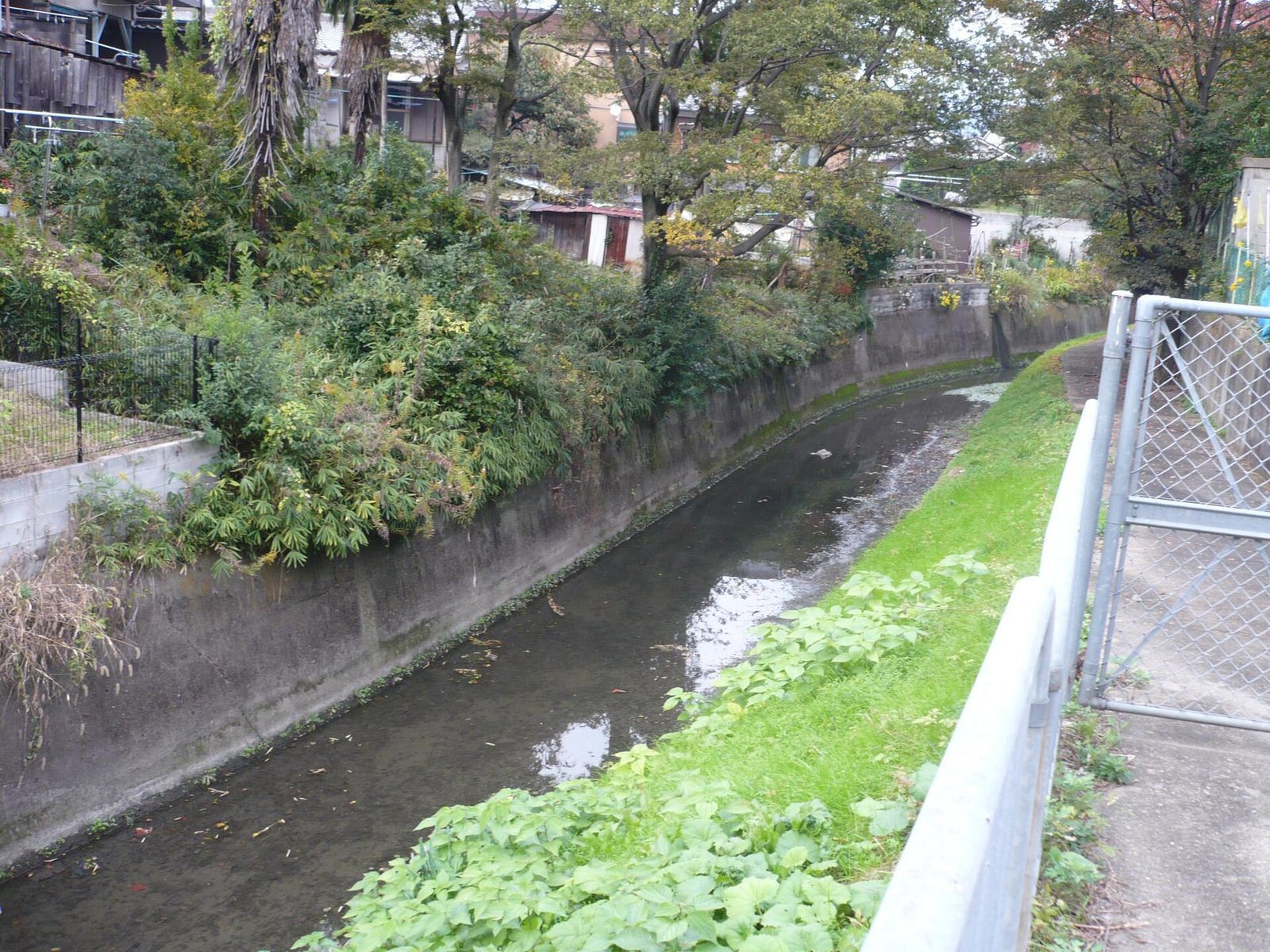
Yodo Castle occupied low ground at Nōso, on the north bank where the Kizu, Katsura, and Uji rivers meet. The waterways enclosed three sides of the site and provided a natural defensive boundary. The former Ogura Pond is thought to have extended east of the castle. A keep, meaning the castle’s principal tower, is mentioned in the Komai Diary.
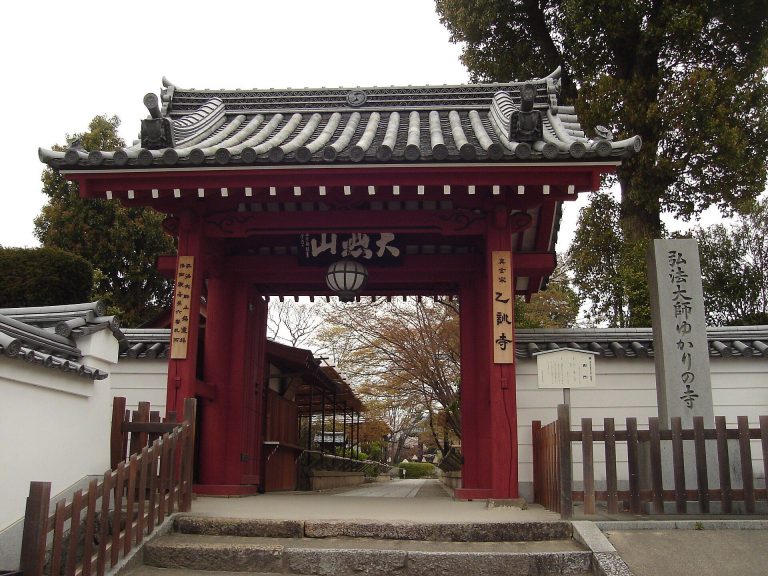
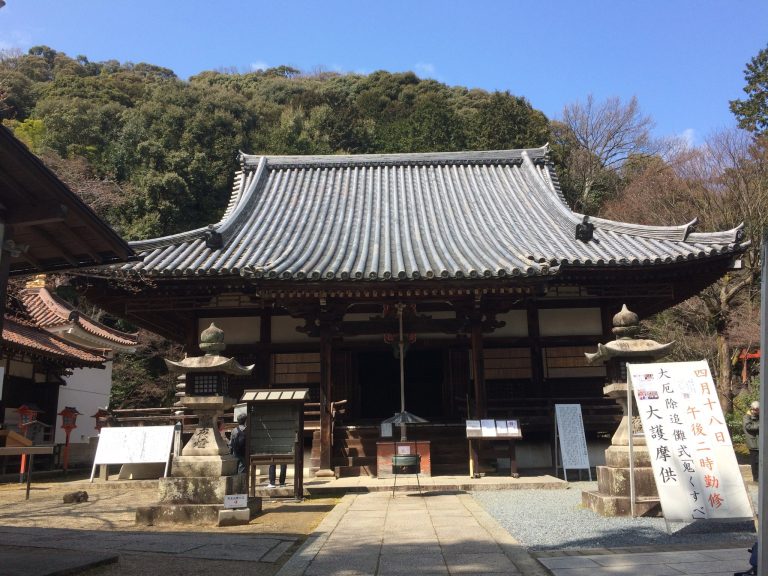
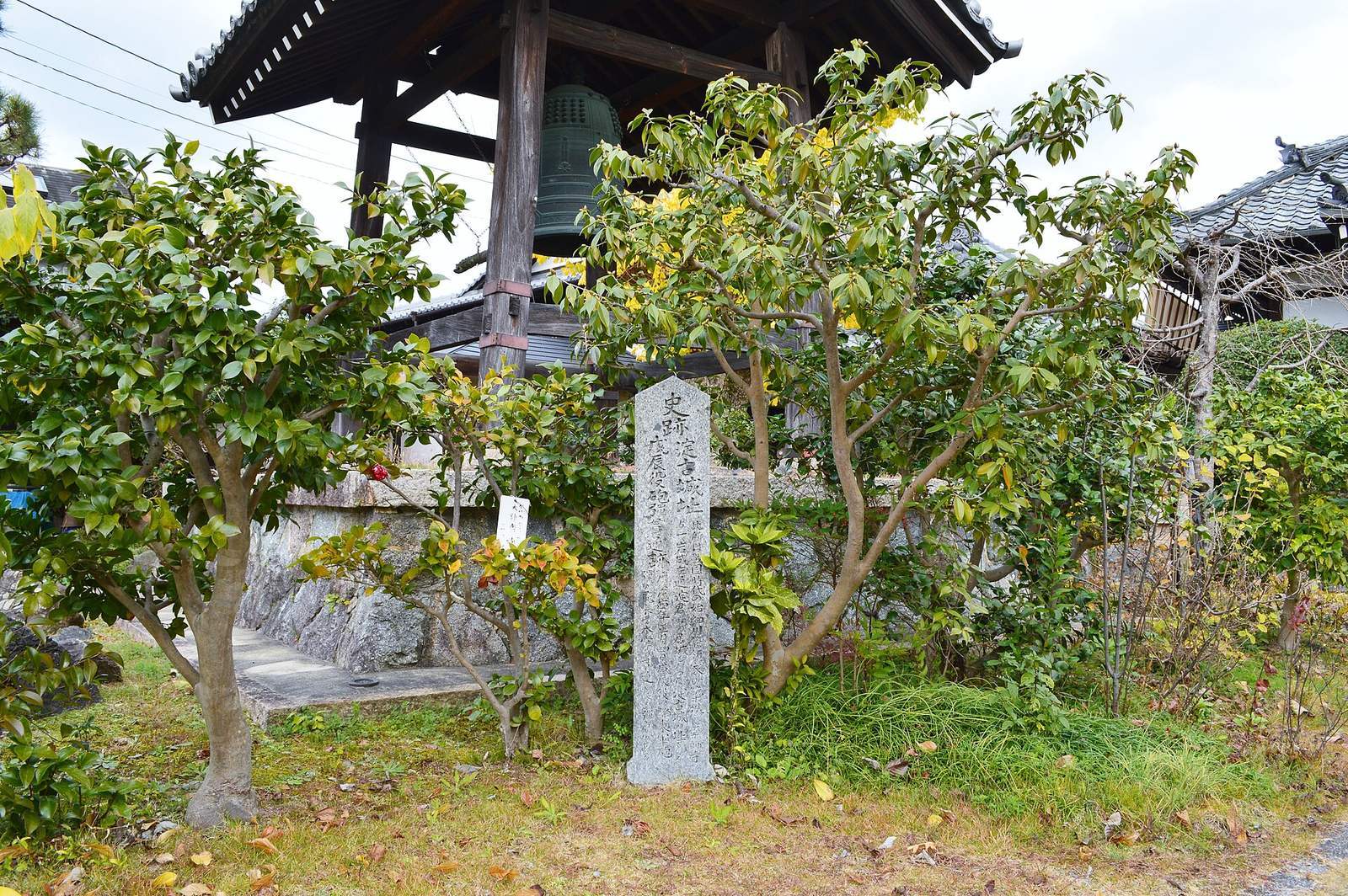
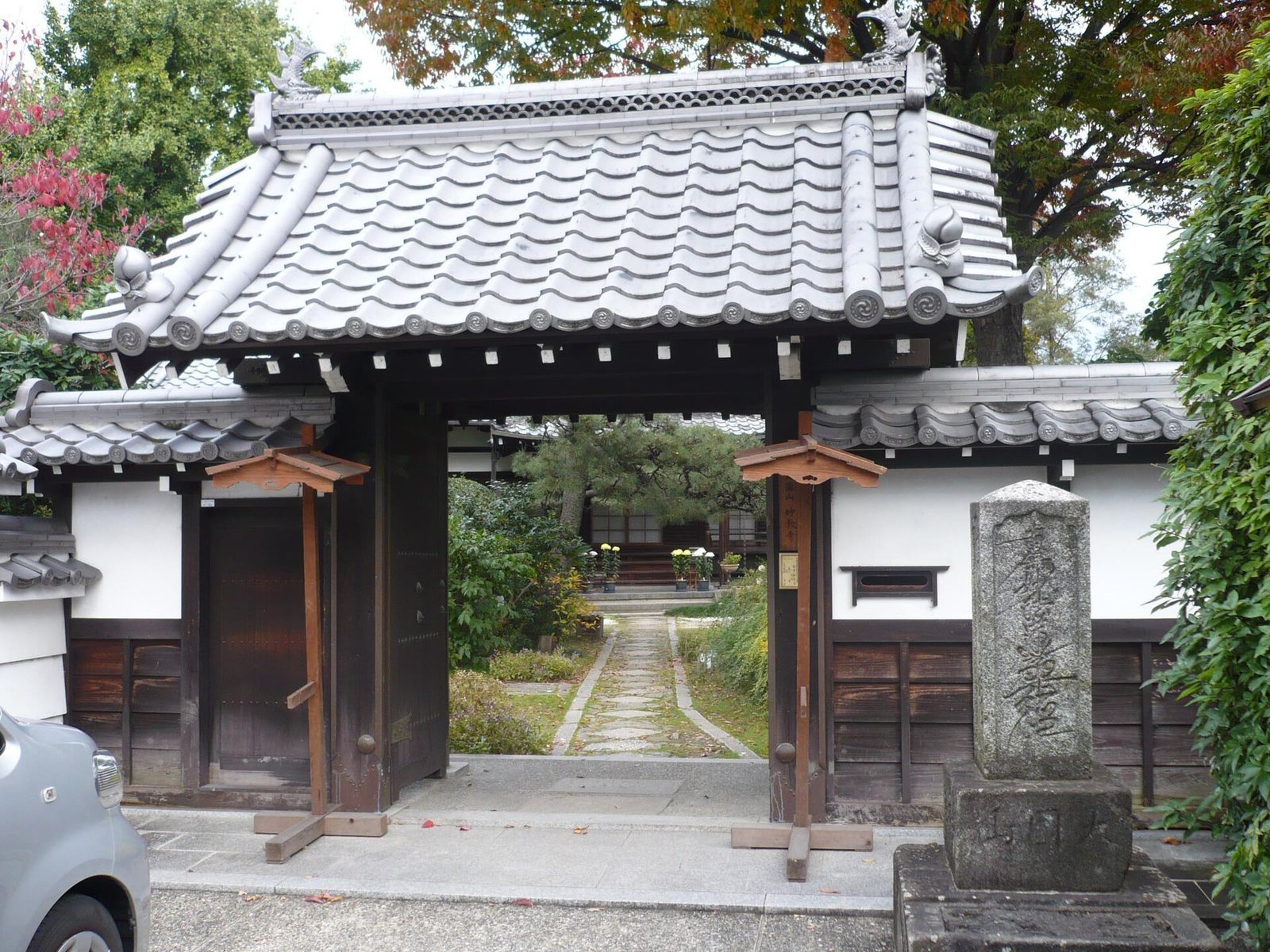
A provisional survey map from 1890 marks traces of moats and earthen ramparts east of Nōso settlement. The former castle area is now occupied by housing, cultivated land, and Kyoto Municipal Nōso Elementary School. A stone monument at a nearby temple and local place-names meaning “North Castle Moat” and “Castle Moat” preserve associations with the site.