Kondaveedu Fort: A Reddy Dynasty Stronghold in Andhra Pradesh
Site at a Glance
- Rating
- 4.3
- Popularity
- Very High
- Country
- India
- Primary era
- Medieval
- Eras represented
- Medieval
- Civilizations
- Unclassified
- Site type
- Military
- Remains
- Fort
On this page16 sections
History
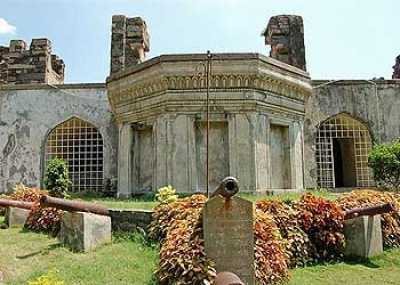
Kondaveedu Fort is a ruined stronghold at Kondaveedu in Andhra Pradesh, India, with its principal fort attributed to the Reddy dynasty and dated to the 14th century. It served as the Reddy capital and later as the center of Kondavidu province, which extended from south of the Krishna River to the Gundlakamma River.
Early traditions and Reddy rule
Tradition places the establishment of Kondaveedu’s fortified township in 1115, when Gopanna, a commander serving Buddhavarma of the Telugu Chola dynasty, is said to have founded it. The earliest of the three ridge forts dates to the 12th century.
After the Tughlaq rulers of Delhi took Warangal and the wider Andhra region in 1323, a southern alliance led by the Musunuri Nayaks resisted their rule. The Reddys joined this movement, which helped dislodge Tughlaq authority from Warangal.
The Reddys, initially vassals of Warangal’s rulers, governed the area around present-day Vijayawada and Guntur from 1328 to 1428. Inscriptions indicate that their rule partly overlapped with that of the Korukonda Reddys. Prolaya Vema Reddy, founder of the dynasty, moved the capital and his palace from Addanki to Kondaveedu. He strengthened his kingdom by building forts, including Kondaveedu, and ruled until 1353.
Successive rulers and abandonment
After the Reddy kingdom declined, Kondaveedu passed to the Gajapatis of Odisha. Bahmani sultans sacked the fort in 1458, and Vijayanagara emperor Krishnadevaraya captured it in 1516. Golconda’s sultans besieged it in 1531, 1536, and 1579. Quli Qutb Shah took the fort in 1579 and renamed it Murtazanagar.
The region came under the Mughal army of Aurangzeb in 1687 and the French in 1752. French forces strengthened the defenses; control later passed to the Asaf Jahi rulers and the British. The British East India Company took control in 1788 and abandoned the fort in the early 19th century in favor of Guntur.
Remains
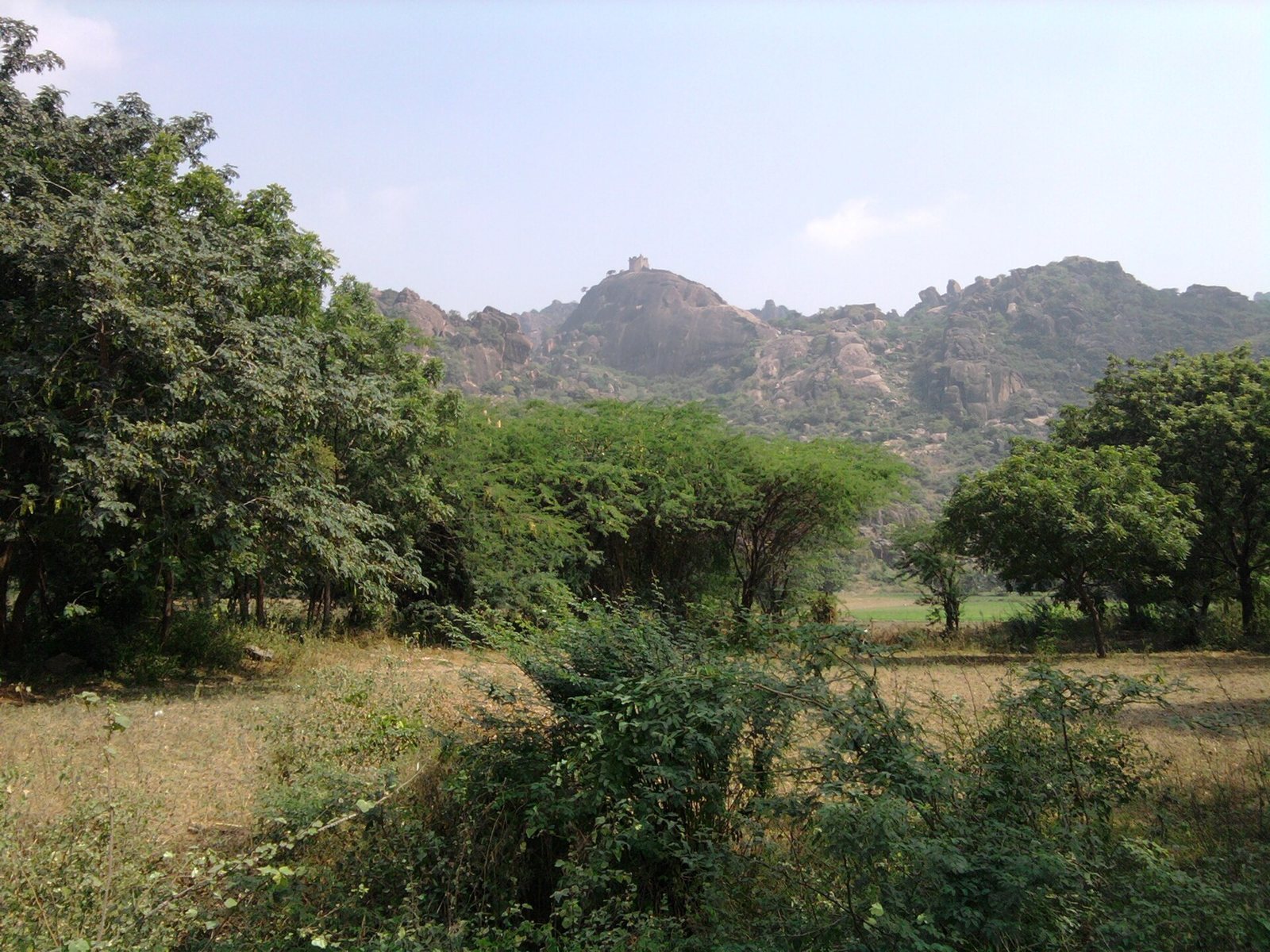
Three ruined forts occupy a narrow ridge that averages about 450–460 m in elevation and rises to 520 m at its highest point. The principal fort stands at about 320 m. Its fortifications use granite and lime mortar.
Ridge forts and fortifications
Main fort and walls
The main fort lies southwest of Kondaveedu village and has an equilateral triangular plan. Projecting defensive towers at the southwest and northeast corners form part of its façade wall. A single wall described as about 30 km long runs across the hills.
Gates and interior structures
The two large gates, Kolepalli Darwaza and Nadella Darwaza, are built of granite blocks and have three levels. Within the fort are 21 structures, including ammunition stores, storehouses, granaries, and wells. The interior also includes a defensive bunker and a stone-pillared building with a roof of stone slabs. An inscription associated with that building is described as about 110 m long.
Water supply
Mutyalama Cheruvu, Puttalamma Cheruvu, and Vedulla Cheruvu were ponds that supplied water to the fort. The Telugu word cheruvu means pond.
Hill approaches and foothill features
Routes and surrounding vegetation
A steep route on the northern side gives direct access to the forts. The other approach is more circuitous and practicable, involving a detour of about 3 km. Noni trees grow throughout Kondaveedu and the surrounding forest.
Foothill embankment
At the foothill, along the approach to Kothapalem, formerly called Puttakota, an embankment is interpreted as a defensive ring. It was intended to protect royal palaces and the residences of senior provincial officials.
Gopinathaswami temple
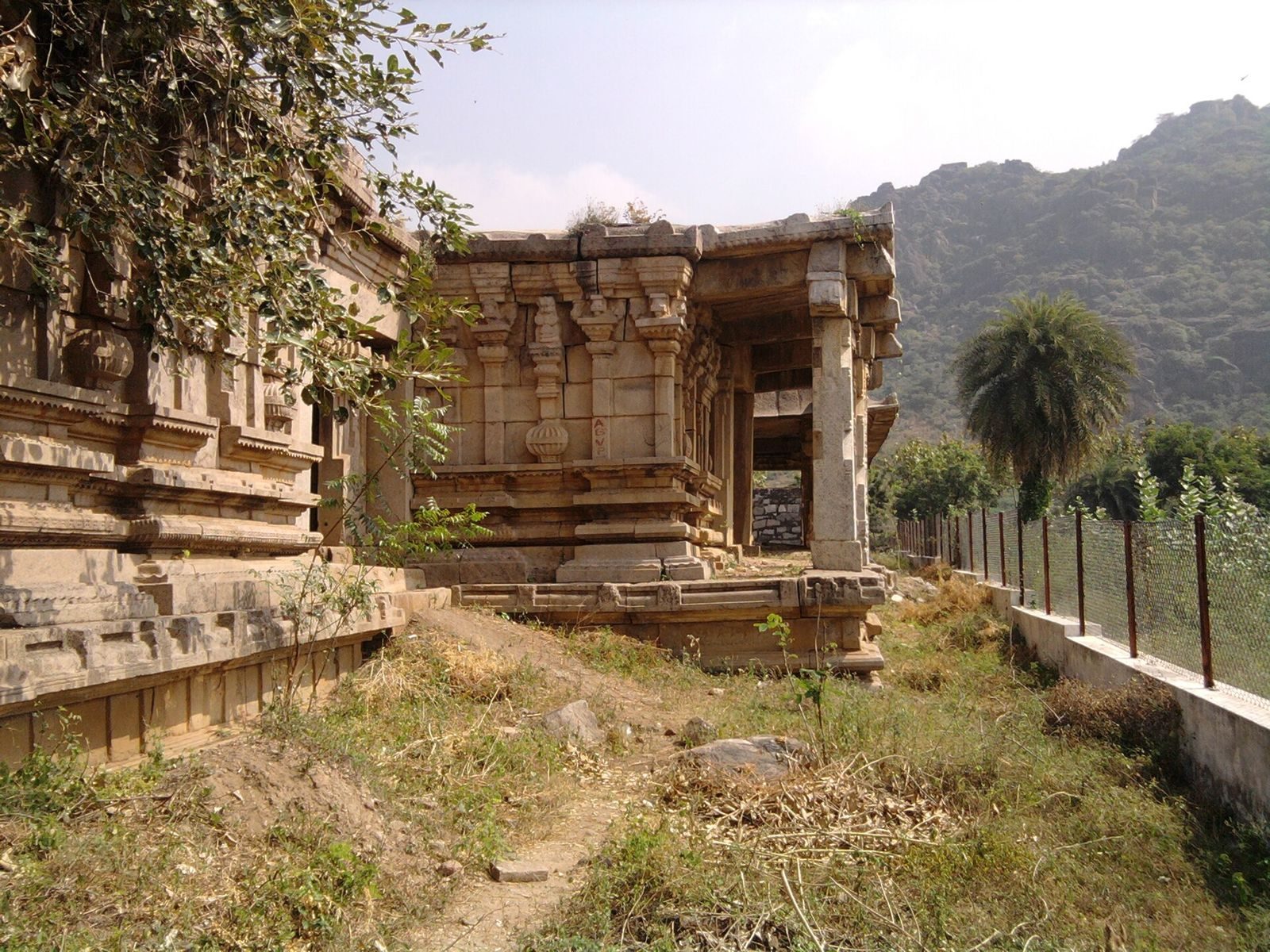
The Gopinathaswami temple, dedicated to Krishna, stands at the foot of the hill. Its ornamented stone pillars are carved from individual pieces of rock.
Religious and archaeological remains
Buddhist remains beneath a Hindu temple
In 2019, remains of a Buddhist stupa, a monument associated with relics and religious veneration, were found beneath a dilapidated Hindu temple. The stupa remains date to the later Satavahana period, the era of the Satavahana dynasty in the Deccan, in the 1st–2nd centuries CE.
Mosque
A mosque within the fort combines Hindu and Muslim architectural styles. It is thought to have been built using stones reused from a temple.
Copper-plate grants
Three copper-plate grants, official records engraved on copper, were found at Kondavidu. They were issued by the ruler Prithvi Sri Mularaja.