Yaverland Manor: A Historic Manor House on the Isle of Wight
Site at a Glance
- Rating
- 1
- Popularity
- Very Low
- Country
- United Kingdom
- Primary era
- Early Modern
- Eras represented
- Early Modern
- Civilizations
- English
- Site type
- Domestic
- Remains
- Manor House
On this page10 sections
History
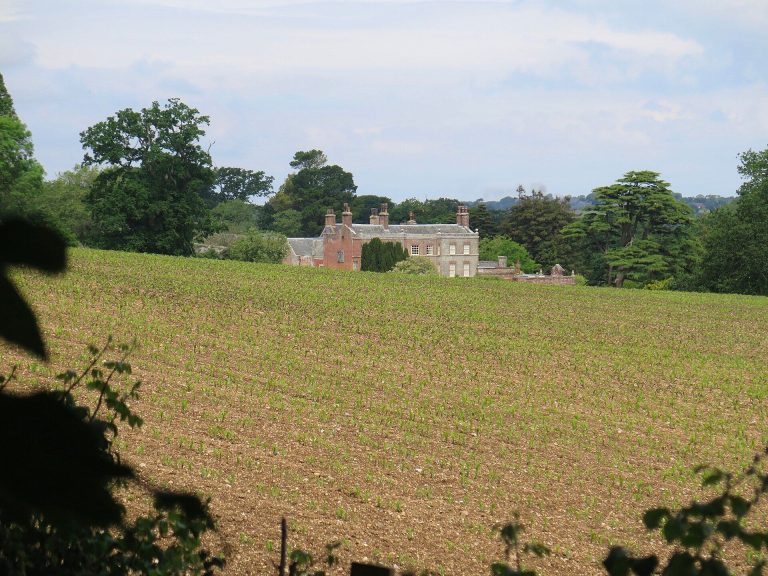
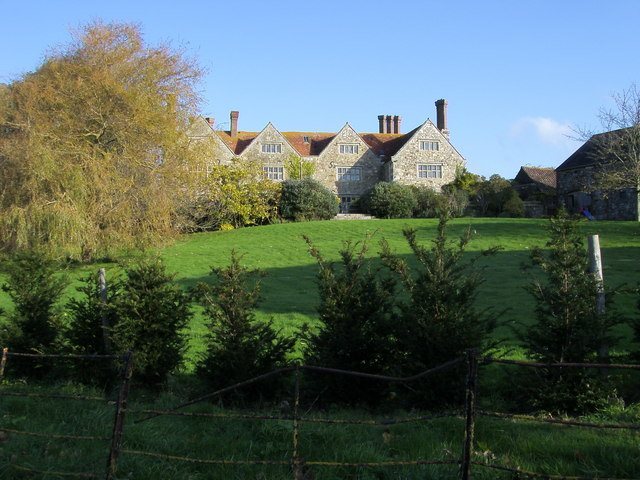
Yaverland Manor is the historic manor house of Yaverland, near Sandown on the Isle of Wight, United Kingdom. The house was erected in the early 17th century under James I (1603–1625), following a long period of Russell family lordship.
Russell lordship and local defense
The Russell family, ancestors of the Dukes of Bedford, held Yaverland from the reign of Edward I (1272–1307) until that of Mary I (1553–1558). The manor later left their possession through a purchase. In 1340, Sir Theobald Russell led local inhabitants against a French force that had landed at Bembridge. The defenders prevailed, but Russell was killed at the moment of victory.
Rebuilding and later recognition
The house was reconstructed around 1620 and altered again around 1709. In 1949 it became a Grade I listed building, the highest category of listed building in England.
Remains
The physical group centers on the manor house, a grey-walled building with large mullioned windows (windows divided by vertical bars), set among sheltering elms. A green close lies in front of the house, and a chapel stands nearby.
The manor house
Great hall
The great hall was spacious enough for one or two carriages to be driven around inside it.
Carved wooden decoration
Wooden carvings inside the house include figures identified as Nero, a Roman emperor, and Cleopatra, ruler of Ptolemaic Egypt. Other carvings take the form of winged heads historically called “Moors’ heads,” using a European term for Muslim peoples of North Africa and parts of the Iberian Peninsula whose meaning varied over time. Some carvings depict people playing musical instruments, while others support the staircase ceiling as brackets.
Features around the house
Heraldic shields
Two large stone shields with carved coats of arms stand against a tree trunk in the green close. They appear to have come from the old gateway.
Chapel
The chapel close to the house may date to the reign of Edward I, although it appears to be substantially older.