Wołodkowicz Palace in Kraków: An Eclectic Late-Nineteenth-Century Residence
Site at a Glance
- Popularity
- Medium
- Country
- Poland
- Primary era
- Modern
- Eras represented
- Modern
- Civilizations
- Austria-Hungary, Habsburg
- Site type
- Domestic
- Remains
- Elite Residence
On this page8 sections
History
Brodowicz and Moszyński
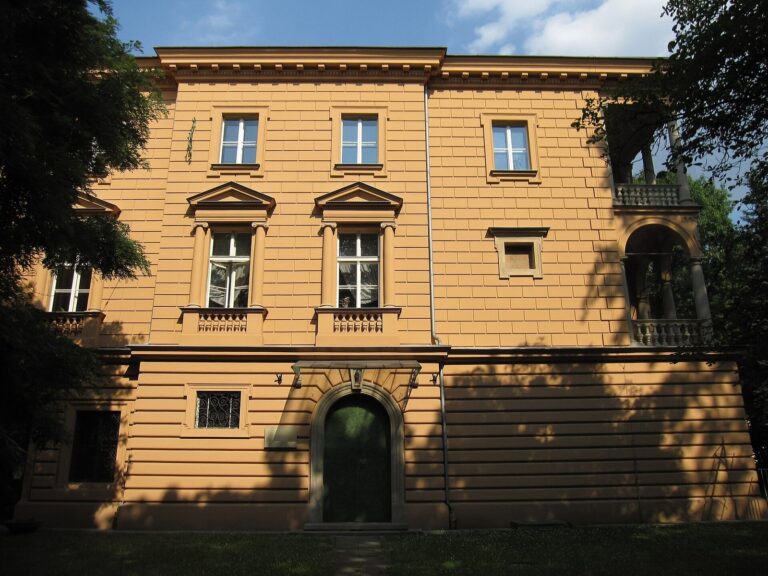
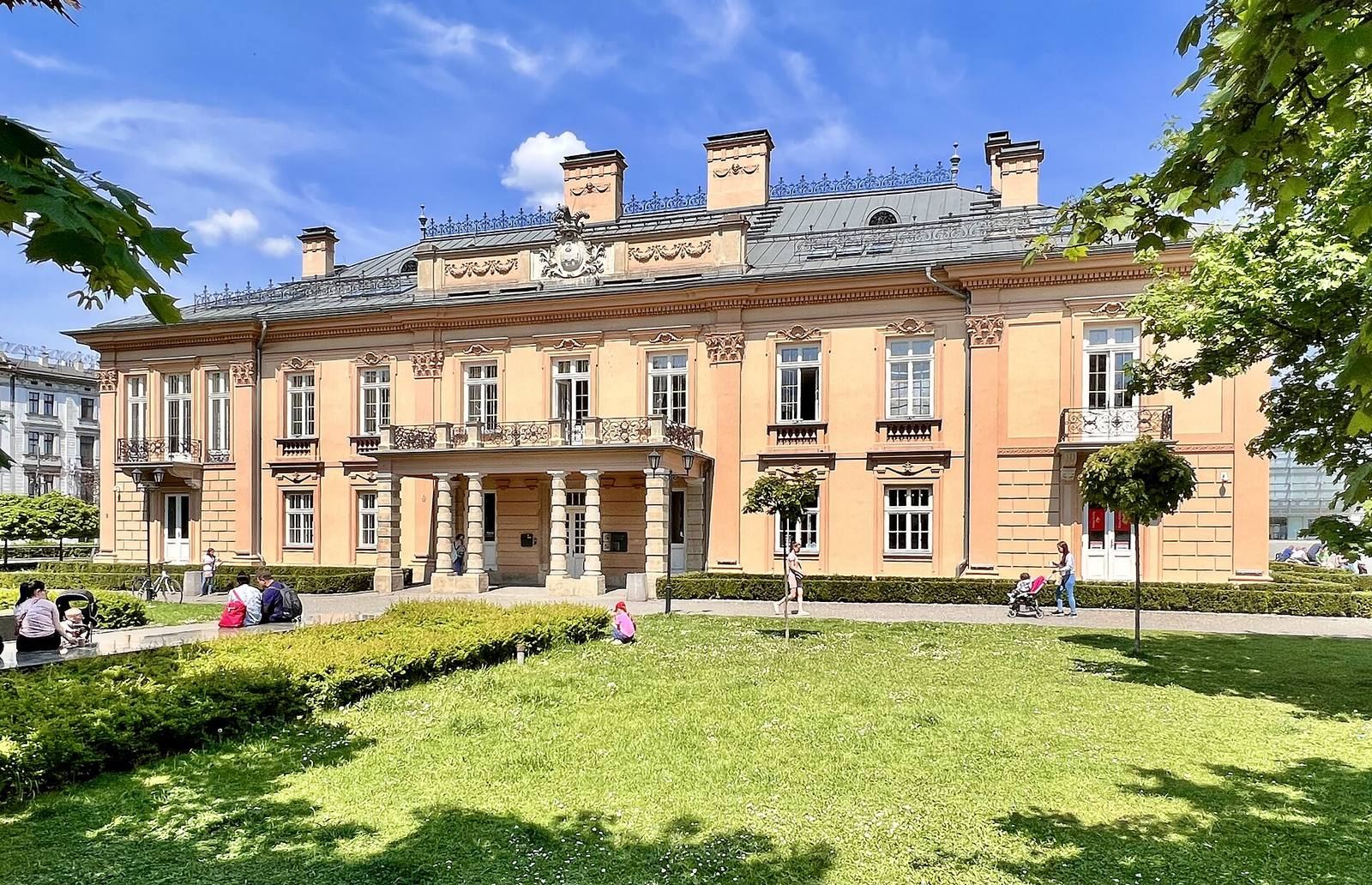
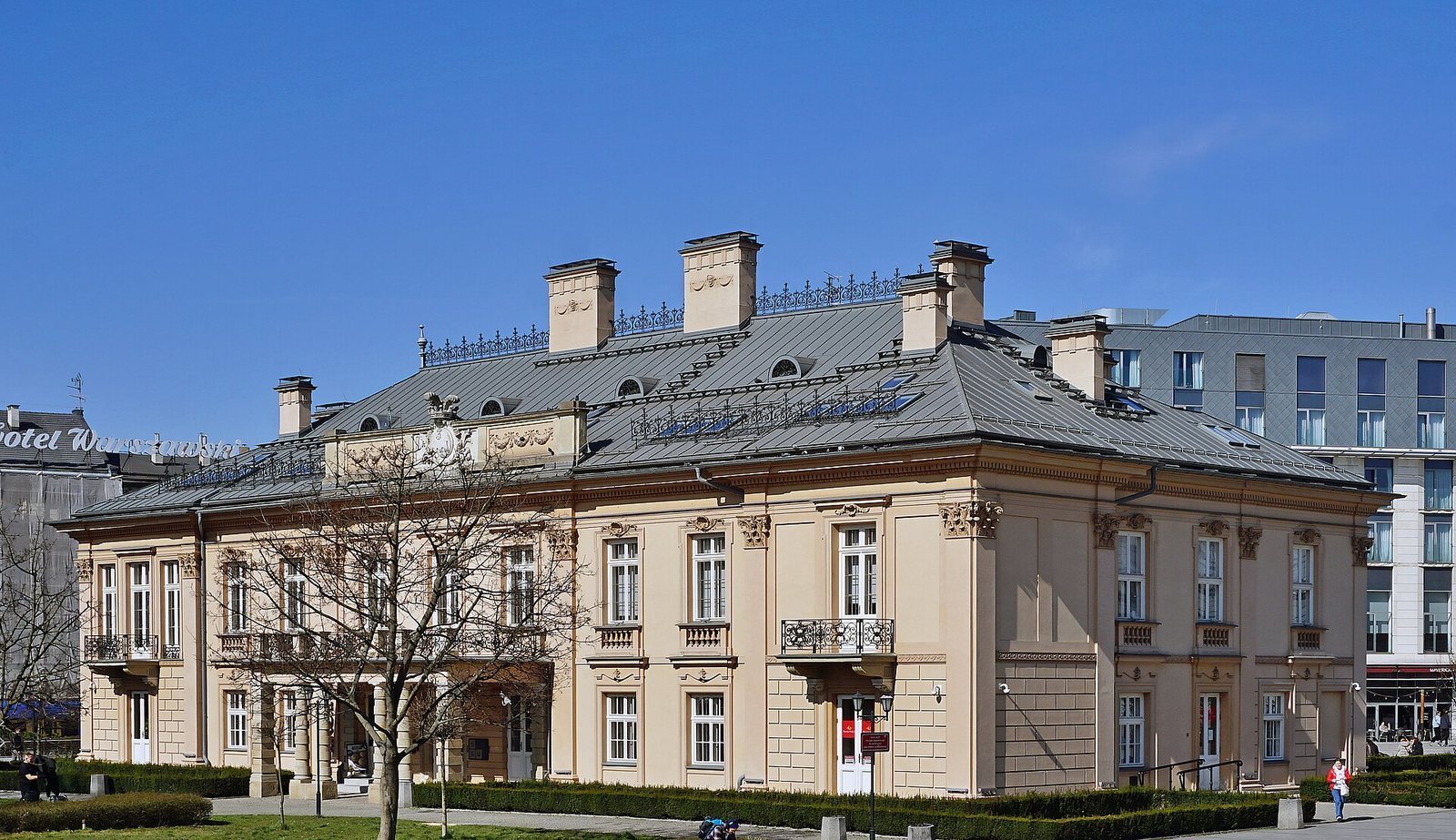
The Wołodkowicz Palace in Kraków, Poland, is an eclectic residence built in 1884 for landowners Bolesław and Zofia Wołodkowicz. A smaller palace had stood on the site during the first half of the nineteenth century. It belonged to Maciej Józef Brodowicz, a Polish physician and professor of medicine, who sold it to the Kraków–Upper Silesian Railway Company. Piotr Stanisław Moszyński bought the property from the company in 1851.
Moszyński gathered an art collection, archive, and library at the palace for patriotic reasons. The library and archive occupied the ground floor and held about 13,000 catalogued items. The wider collection included roughly 30,000 prints, maps, coins, and seals. Ceramics, portraits, and objects from excavations were kept on the first floor, while antique weapons were placed in the dining room. Jan Matejko, Walery Eljasz-Radzikowski, and Florian Cynk consulted the collection. Shortly before his death in 1879, Moszyński sold the palace and passed the collections to his children.
Construction and later use
In 1884, the earlier palace was demolished and a new building erected for Bolesław and Zofia Wołodkowicz. Kraków architects Tadeusz Stryjeński and Władysław Ekielski designed it, and it became known by the family name. In April 1887, the garden’s enclosing wall was demolished as Lubicz Street was prepared for a cutting. The work widened the street by 10 metres.
Twentieth century and renovation
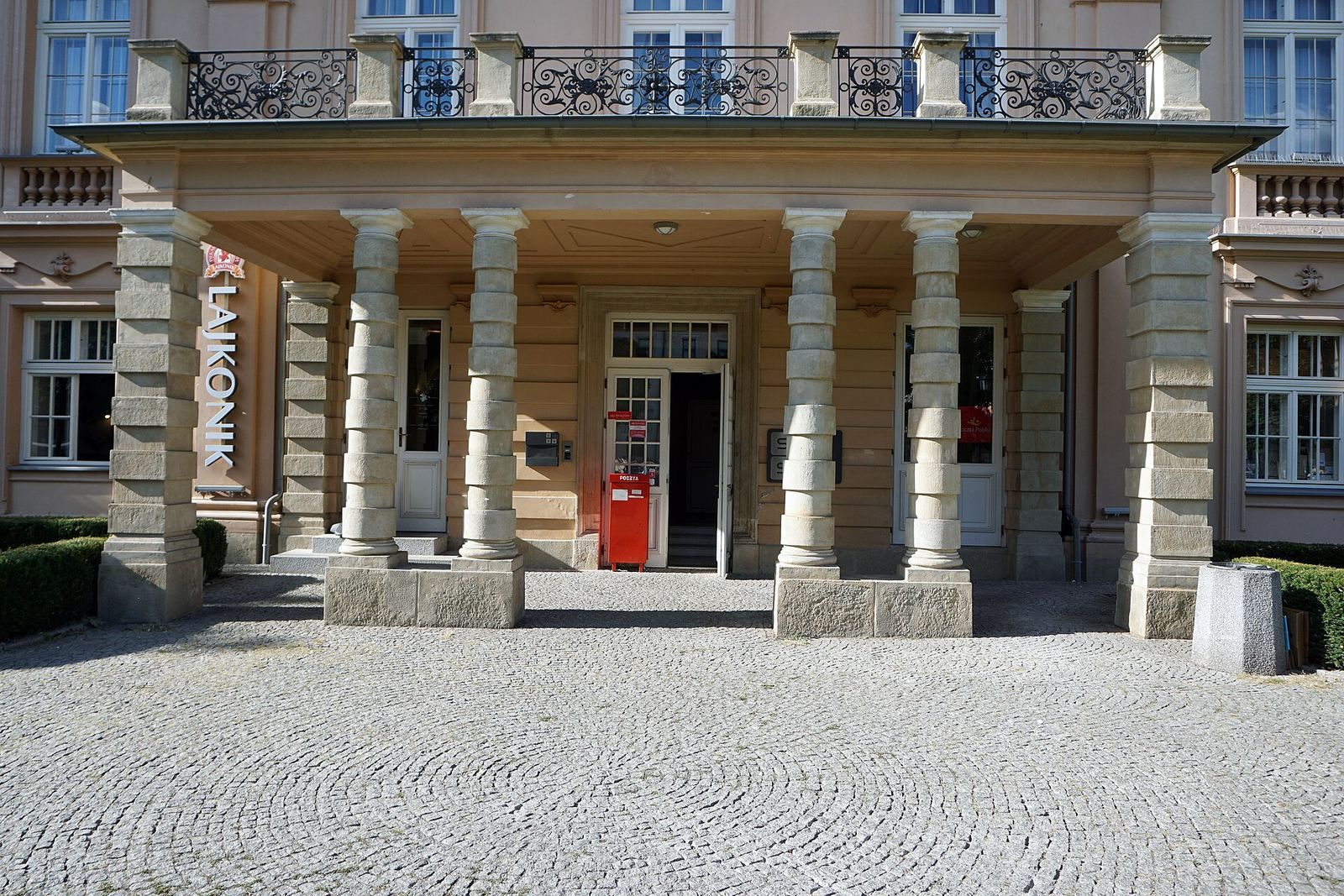
Before the First World War, the palace belonged to Bogdan Ogiński. On 12 June 1939, shortly before the Second World War, several rooms housed the Kraków Ethnographic Museum. Renovation began in 2018, renewing the façade and remodeling the interior for service and commercial use. The building now houses the Kraków 53 post office.
Remains
Architecture and surviving features
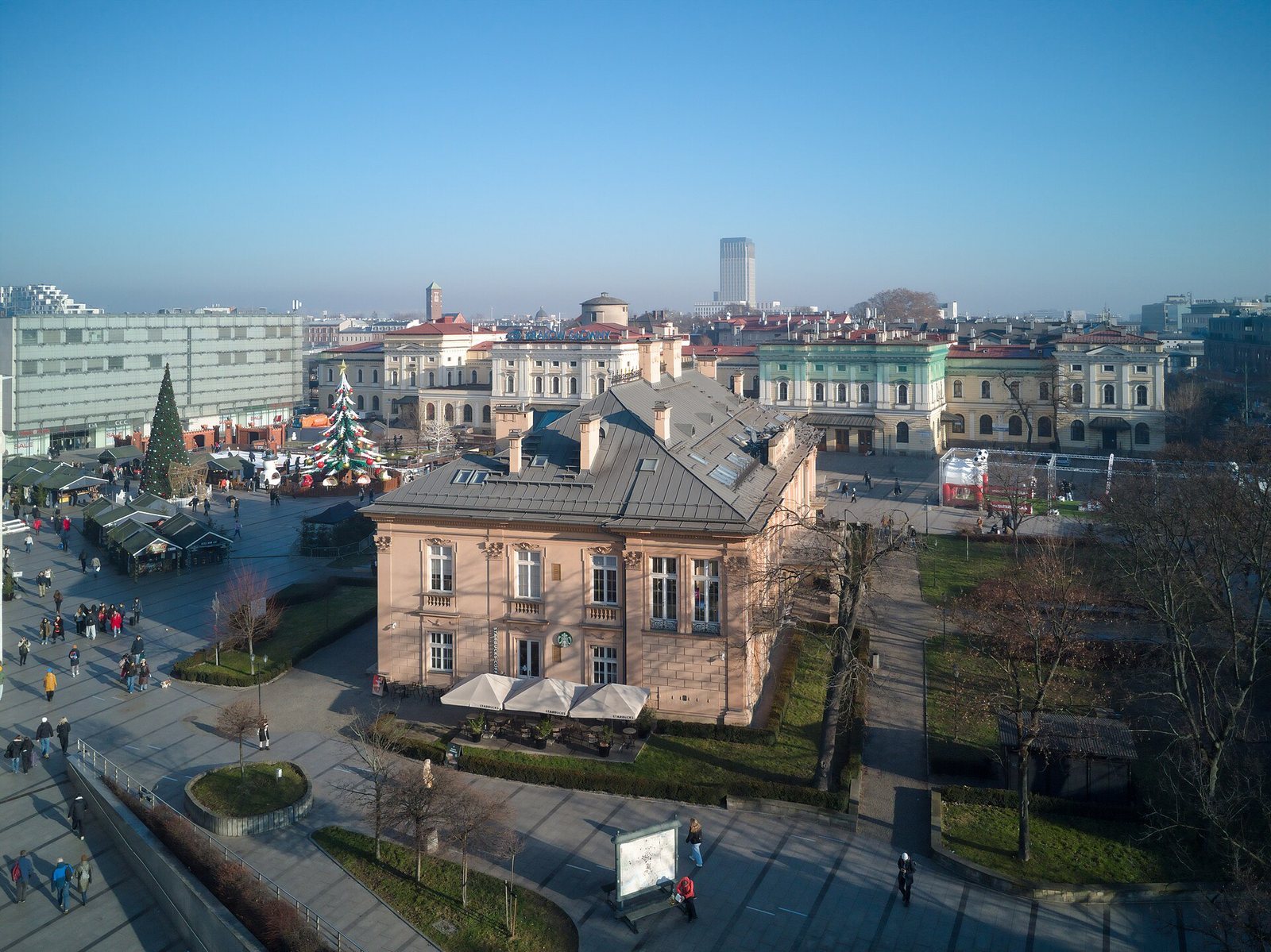
The palace stands at Lubicz 4 in Kraków’s Wesoła area, beside Kraków Główny railway station and Jan Nowak-Jeziorański Square. Its eclectic design combines forms influenced by French architecture.
Attic
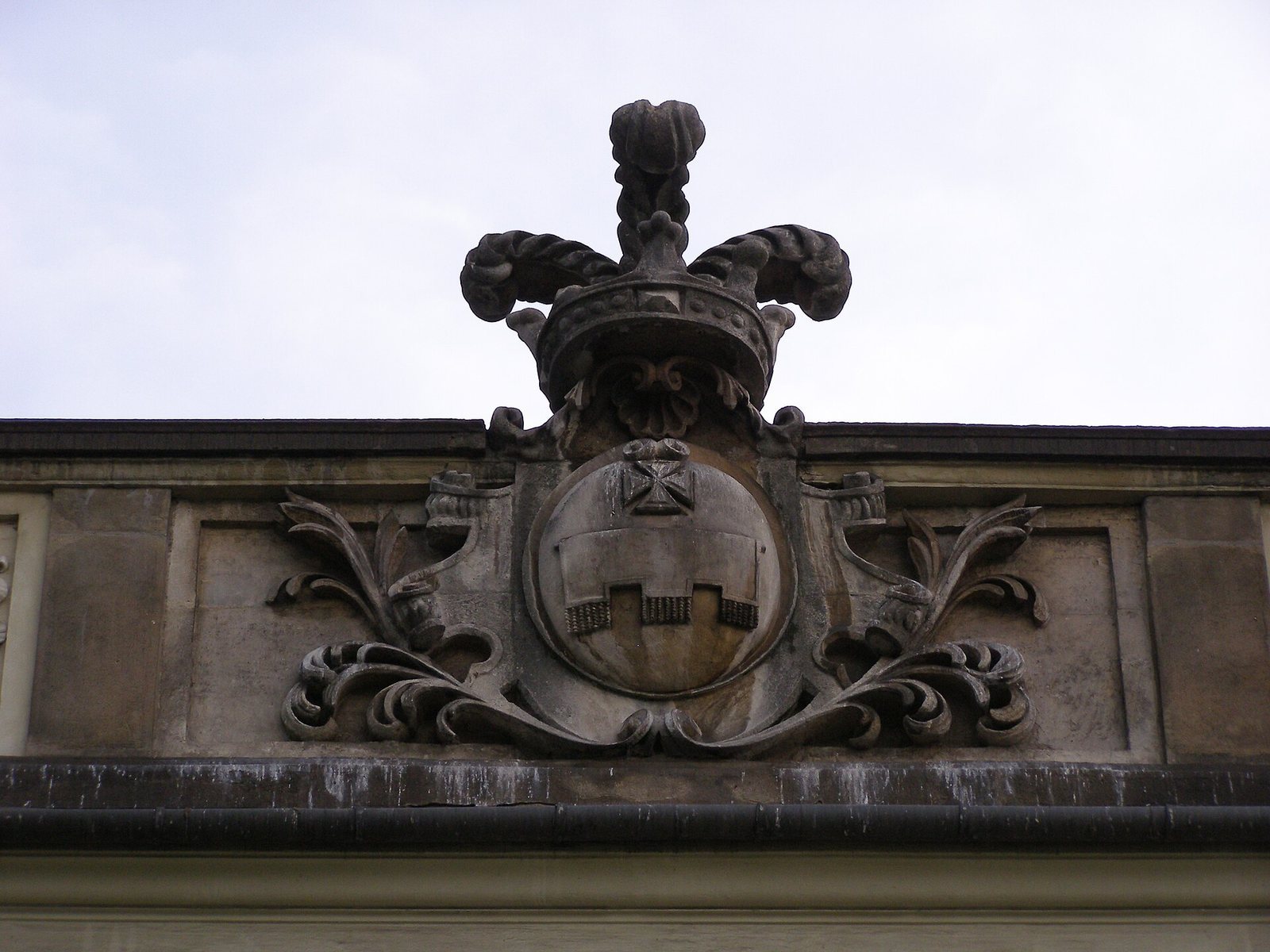
The attic retains the Wołodkowicz family’s Radwan coat of arms, a Polish heraldic emblem.
Interior finishes
Surviving interior features include parquet flooring made from different kinds of wood and decorative stucco on the first-floor walls.