Groombridge Place: A Moated Manor House in Kent
Site at a Glance
- Popularity
- Very High
- Country
- United Kingdom
- Primary era
- Early Modern
- Eras represented
- Medieval, Early Modern
- Civilizations
- English
- Site type
- Domestic
- Remains
- Manor House
On this page9 sections
History
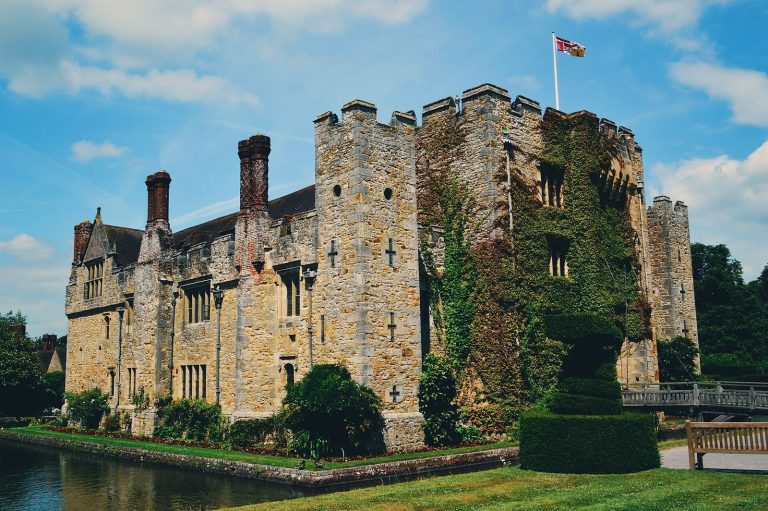
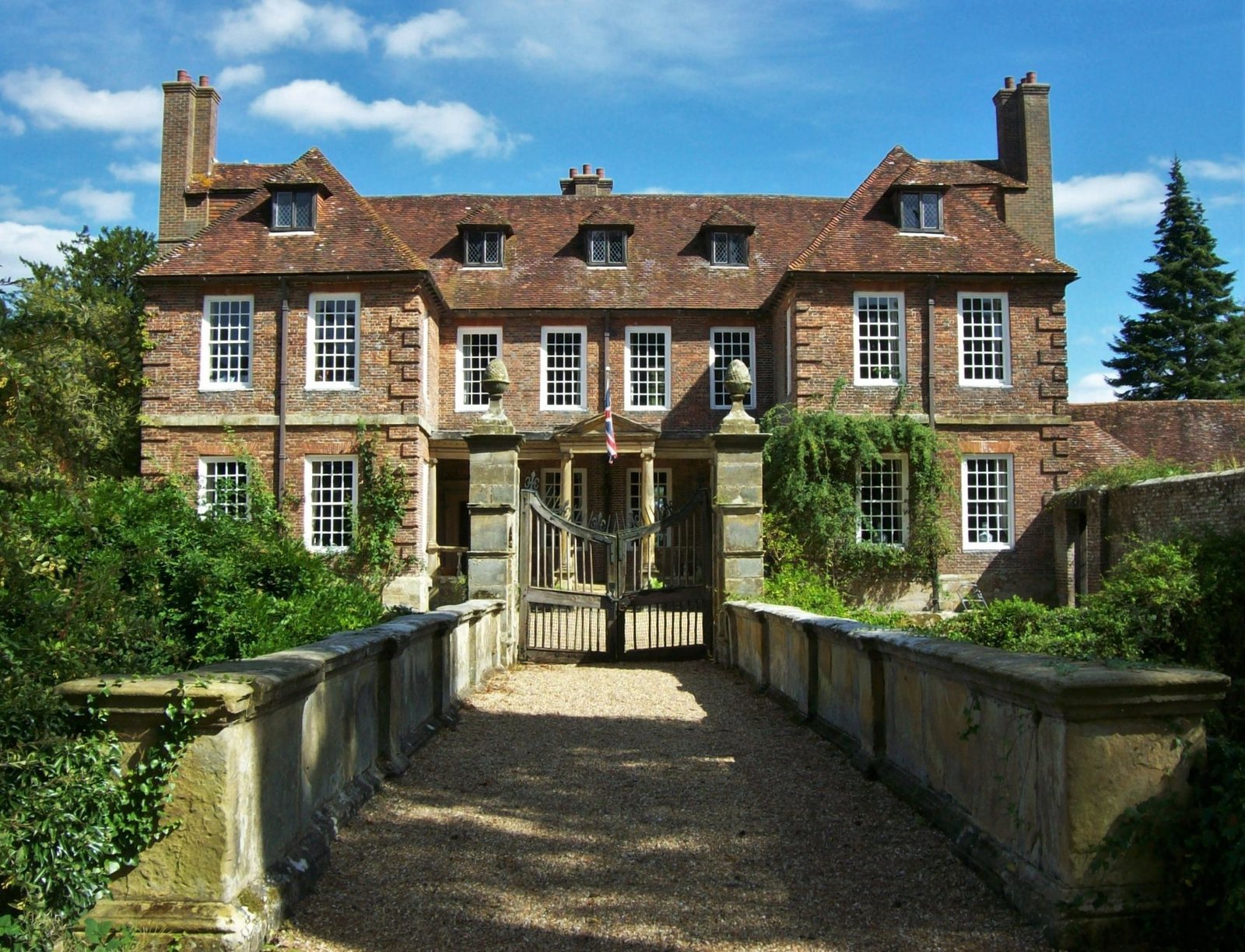
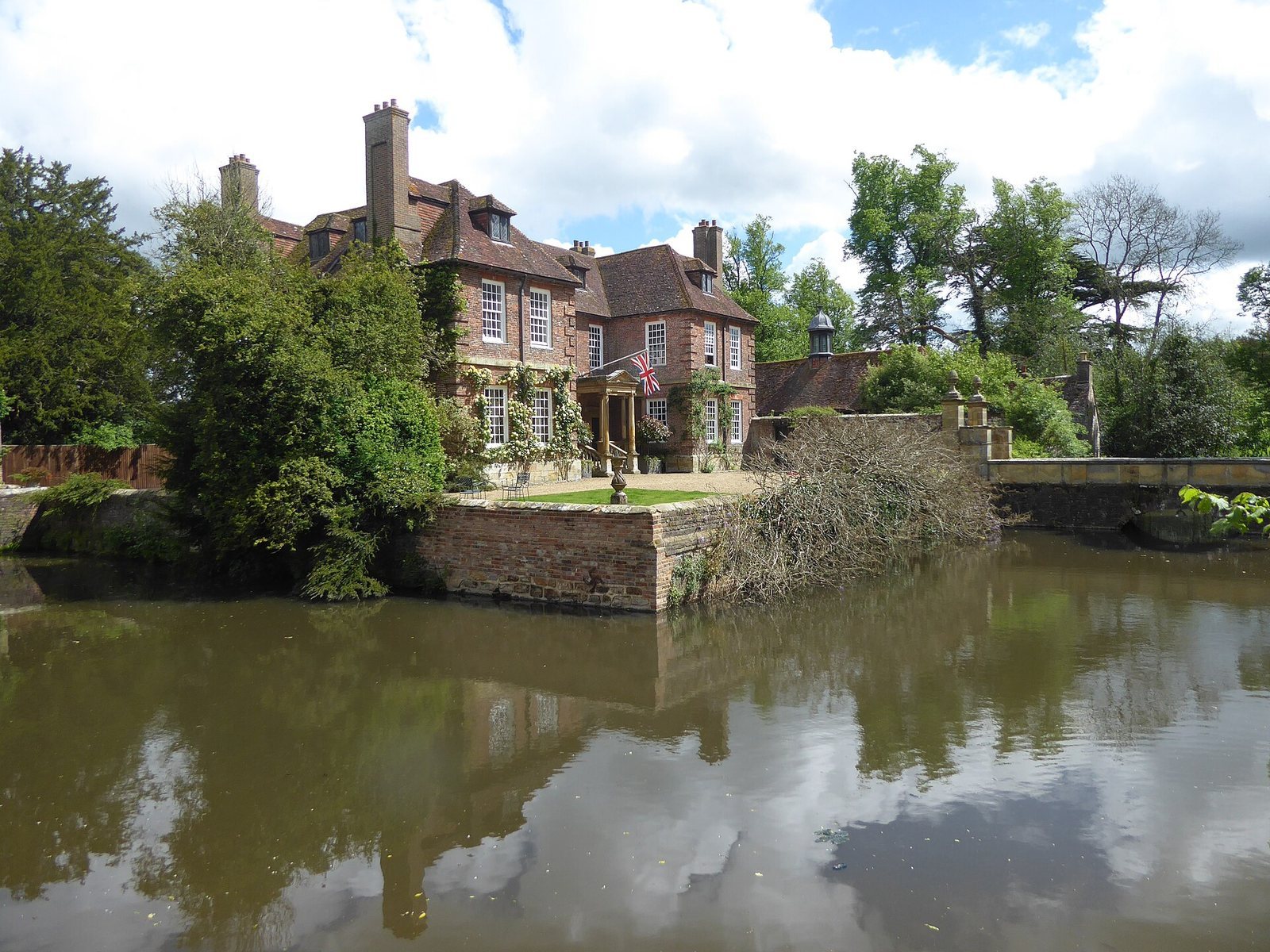
Groombridge Place is a manor house, the principal residence of a landed estate, in Groombridge, Kent, England. Its medieval moat is a water-filled ditch around the house. The present house was built in 1662 by English barrister Philip Packer on the foundations of an earlier building, with help from his friend Christopher Wren.
Medieval lordship and the Waller family
Manor houses occupied the site for centuries before one was first mentioned in 1239. That year, William Russell received the lordship of Groomsbridge. He and his wife, Haweis, built a small castle surrounded by a moat, and King Henry III granted them a charter to establish a chantry, a chapel or foundation for prayers for the dead.
After William’s death in 1261, the lordship passed to Henry de Cobham, 1st Baron Cobham. By the middle of the 14th century, the land belonged to Sir John de Clinton. Clinton’s grandson, Lord Clinton and Saye, sold Groombridge to Thomas Waller of Lamberhurst around 1400. The Waller family retained the estate for more than two centuries. Sir Richard Waller held Charles, Duke of Orléans, a French prince and poet, captive for many years after the Battle of Agincourt, before Charles was taken to the Tower of London.
Sackville and Packer ownership
Sir Thomas Sackville, 1st Earl of Dorset and Lord Treasurer of England, a senior royal official responsible for Crown finances, bought the estate in 1604 and constructed several houses in Groombridge. In 1618, his successor, Richard Sackville, 3rd Earl of Dorset, sold it to John Packer to settle gambling debts.
A generation later, John’s son Philip built the present house in 1662, with assistance from Christopher Wren. Philip’s 1652 marriage to heiress Isabella Berkeley did not end his money troubles; Isabella died aged 32. Philip began arranging the gardens in 1674, taking advice from his friend John Evelyn, an English diarist and writer on horticulture. When Packer died in 1686, control of the estate passed to Chancery, an English court that dealt with matters of equity.
The house remained unoccupied for twenty years after Packer’s death. During this interval, the Groombridge Gang took part in smuggling, and dragoons, soldiers able to fight on horseback or on foot, were summoned several times to restore order.
Literary associations and later changes
The Drunken Garden was a favorite place of Arthur Conan Doyle, the Scottish author who created Sherlock Holmes. Birlstone Manor in the opening part of his novel The Valley of Fear was reputedly based on Groombridge Place. Vita Sackville-West’s novel The Heir also drew inspiration from the house.
Electricity and bathrooms were added in the 1920s. Ivy damage prompted the rebuilding of the roof timbers and chimneys in 1986, following their original design. Groombridge Place has Grade I listing, England’s highest category for buildings of special architectural or historic interest.
Remains
The moated house
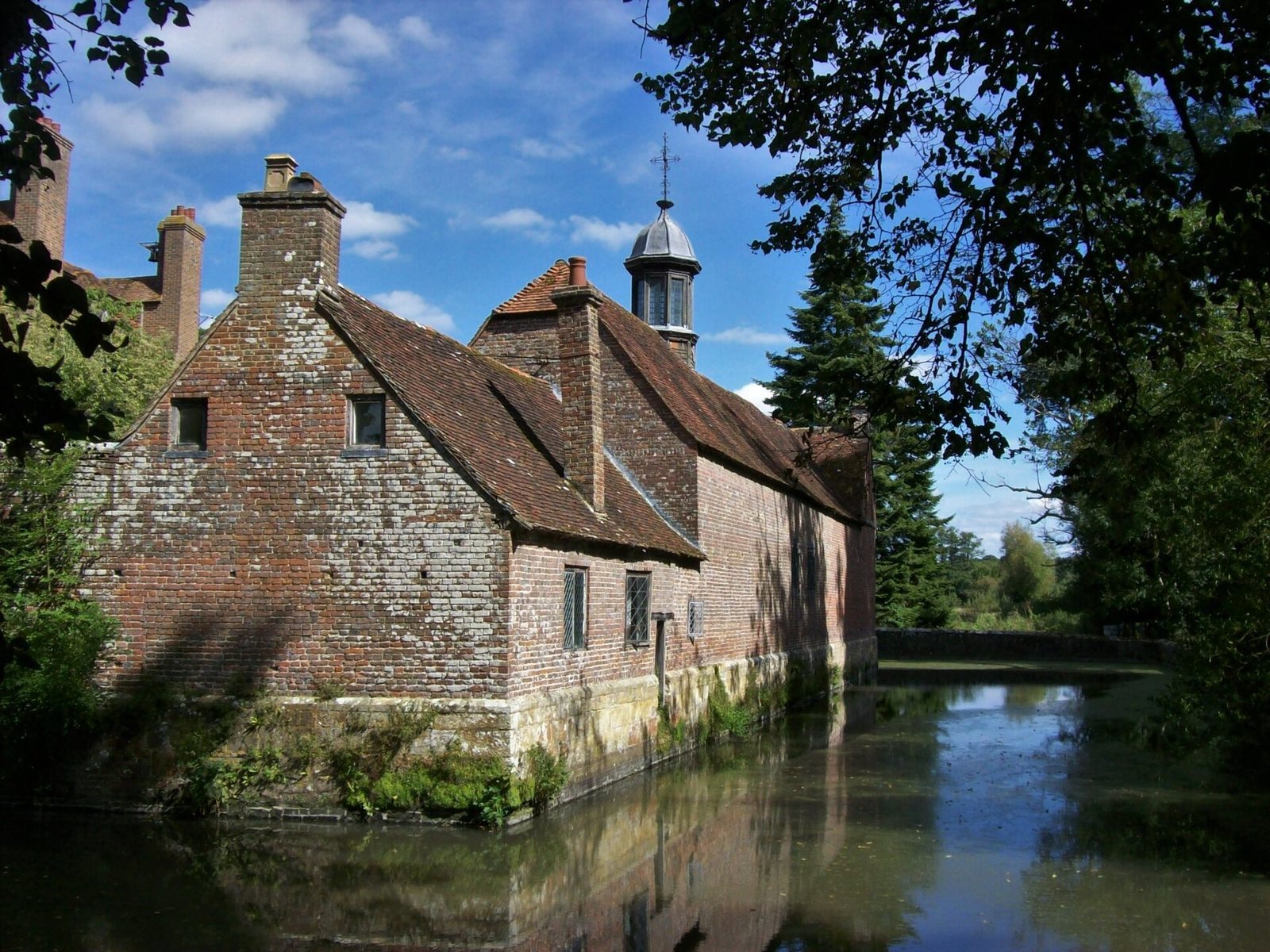
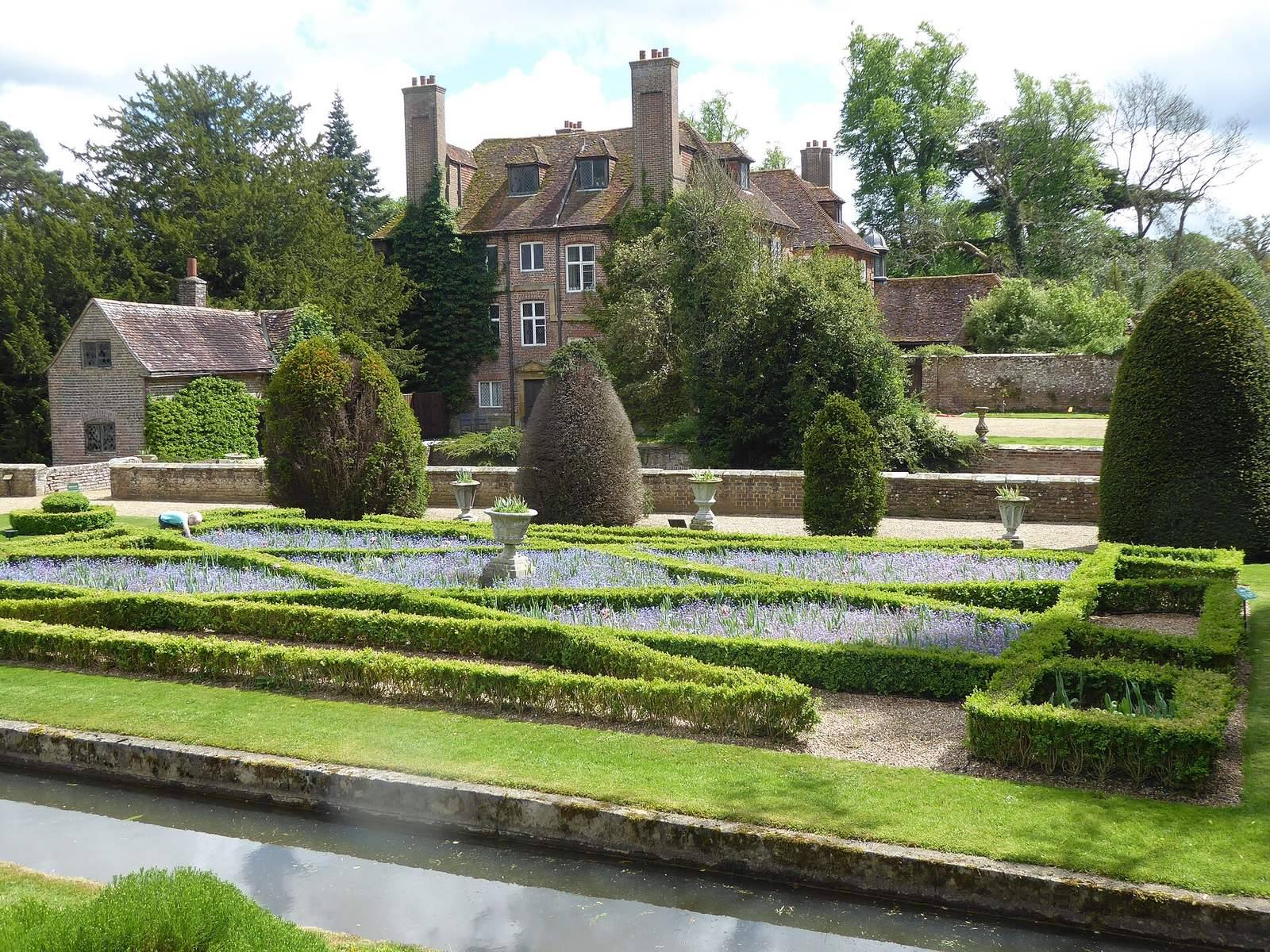
The medieval moat encircles the house. The present building has two storeys, red-brick walls, a hipped roof that slopes down on all sides, and dormer windows that project from the roof. An associated dower house, a residence on an estate intended for a widow’s use, also forms part of the property.
The gardens
Hillside grounds
The gardens occupy a gently sloping hillside facing south. A 15th-century wall, built of roughly shaped stone, bounds the grounds on three sides, while a separate group of later gardens covers steep, wooded slopes. The White Rose Garden contains more than 20 rose varieties; other named areas include the Oriental Garden and the Drunken Garden, where shrubs are clipped into fanciful forms. Beyond the wall are an orchard, a vineyard, and another garden with water features.
Secret Garden and moat bridge
The gate to the Secret Garden opens onto a secluded corner where a stream flows into the moat. A tradition says Philip Packer died there while reading a book. Another local story links a hawthorn to Richard Waller’s love for Cicely Neville, claiming he planted it over her grave after her death in 1495. Neville was buried at Fotheringhay, and Groombridge’s churchyard dates from the 1630s. A piece of hawthorn associated with the story is kept in a box on the garden wall. Tradition also credits Evelyn with planting two Scots pines beside the front moat bridge; one of them survives there.