Windberg Abbey: A Premonstratensian Monastery in Bavaria
Site at a Glance
- Rating
- 4.4
- Popularity
- Medium
- Country
- Germany
- Primary era
- Medieval
- Eras represented
- Medieval, Early Modern, Modern
- Civilizations
- Duchy of Bavaria, Electorate of Bavaria, German, Holy Roman Empire
- Site type
- Religious
- Remains
- Monastery
On this page14 sections
History
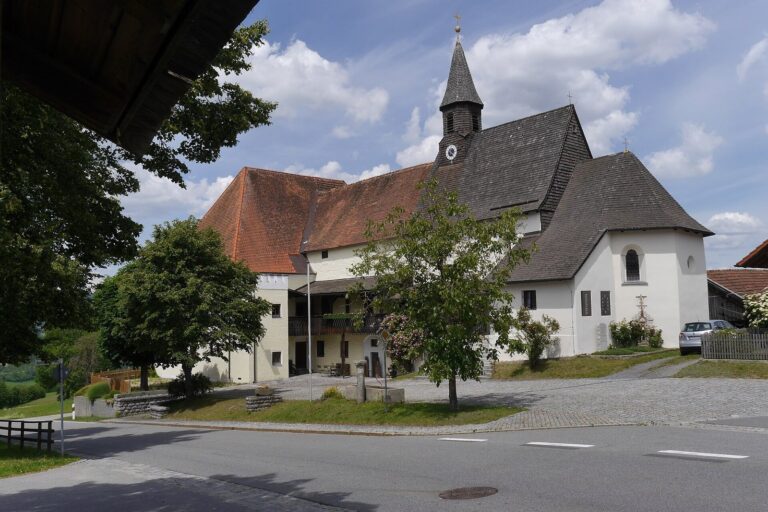
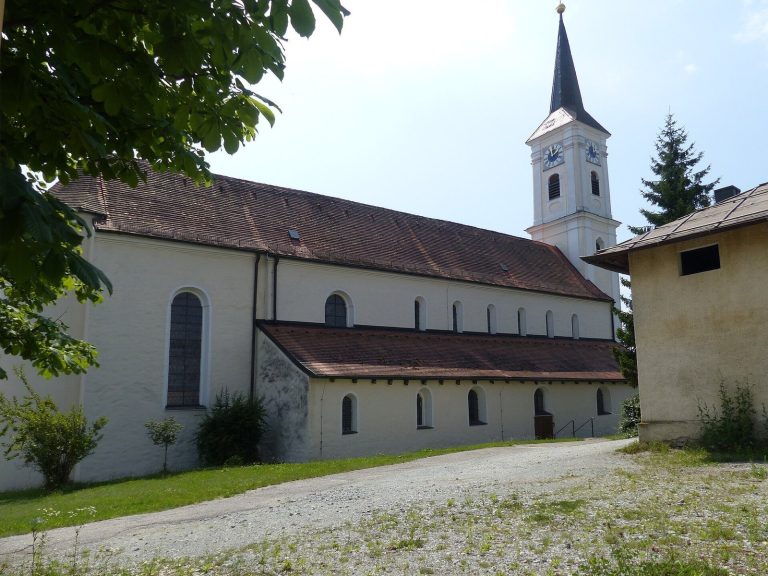
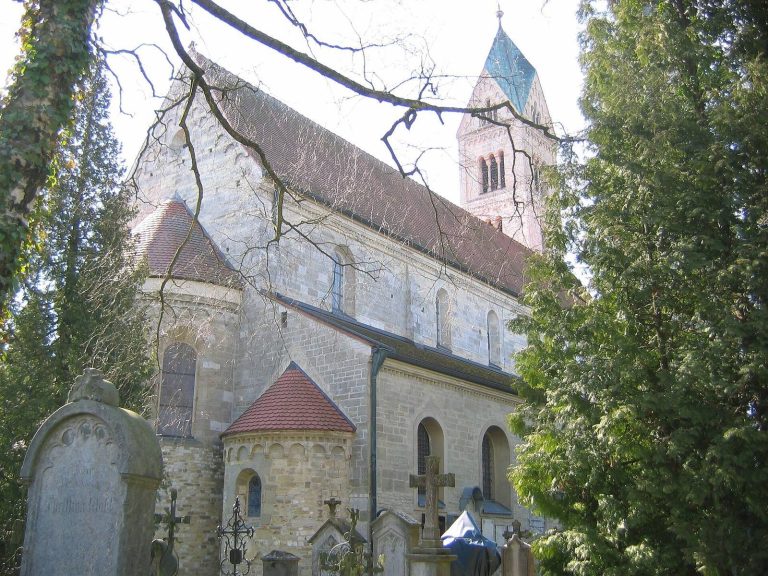
Windberg Abbey is a Premonstratensian monastery in Lower Bavaria, Germany, founded by Count Albert I of Bogen at the original seat of the Counts of Bogen, with the assistance of Bishop Otto of Bamberg. Its church is principally a 12th-century Romanesque building. The community joined the Premonstratensian order, a Catholic community of canons who live under a shared religious rule, sometime between 1121 and 1146.
Foundation and elevation to an abbey
The foundation was dedicated to the Virgin Mary. On 21 and 22 May 1142, Heinrich Zdík, Bishop of Olomouc, consecrated the church choir in the presence of Count Albert. Duke Vladislav II of Bohemia endowed the monastery with properties at Schüttenhofen and Albrechtsried.
Windberg became an abbey in 1146 under Gebhard of Cologne, who had been appointed provost, or head of the religious community, in 1141. He came from the religious house at Bedburg near Kleve. After the abbey church was extended, it was consecrated again on 28 November 1167 by the Premonstratensian abbot of Leitomischl and Johannes IV, Bishop of Olomouc.
Women’s community and learning
In 1147, Countess Hadwiga, the widow of Count Albert I, established a women’s community at Windberg. The monastery supported it regularly, although the two communities were organized separately. This double monastery, an establishment with distinct communities of men and women, continued with interruptions until the secularization of Bavaria in 1803.
During Gebhard’s tenure, the abbey enlarged its library. Canon Albero translated Visio Tnugdali, a medieval religious vision narrative, during this period. The library also held the Windberg Psalter, with a word-for-word Latin-German translation and marginal glosses probably made by Gebhard.
Dissolution and revival
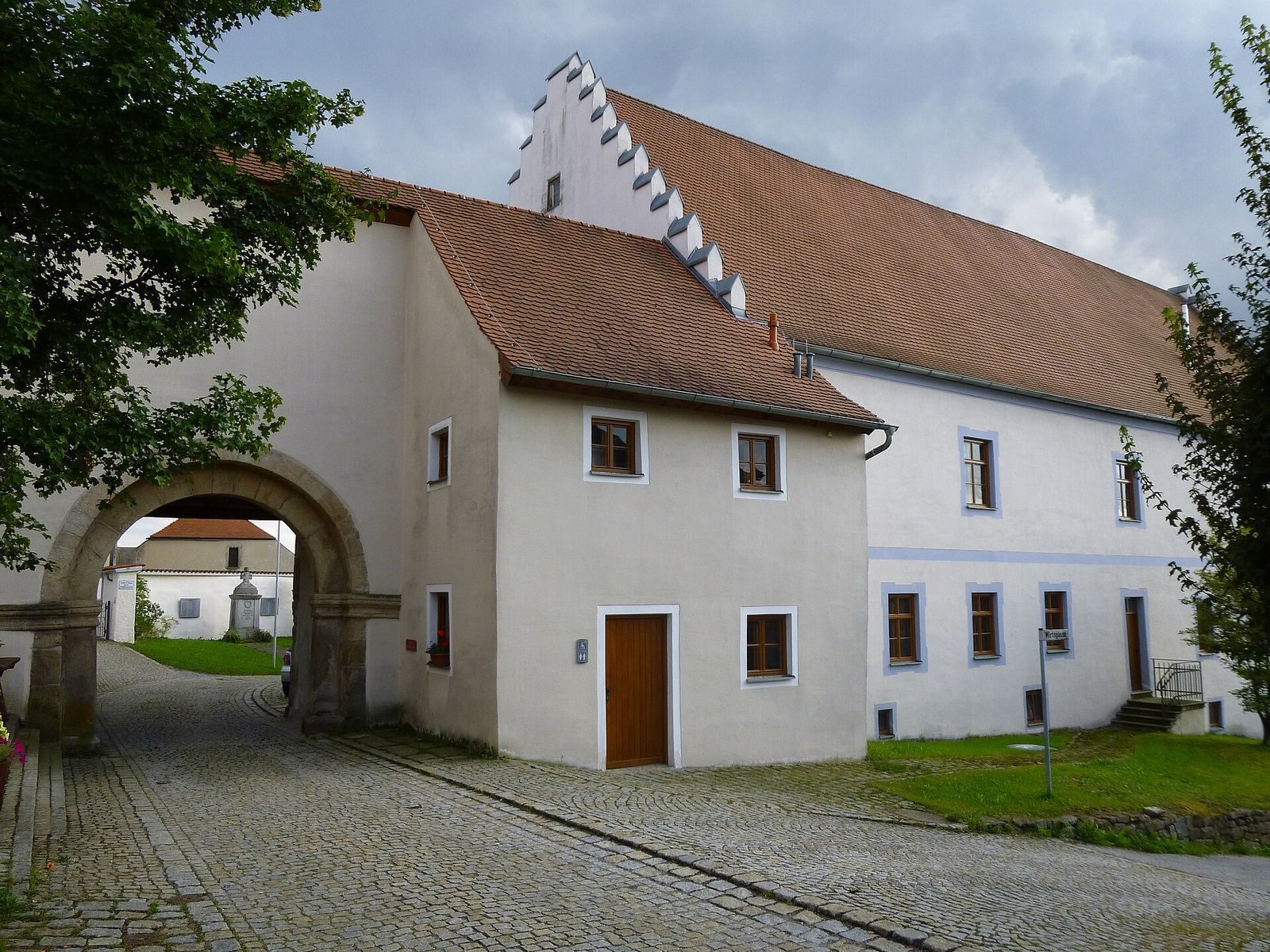
Bavarian secularization, the state-led dissolution of monasteries and transfer of their property, brought the abbey to an end in 1803. Its church became a parish church, and the abbot’s residence served as the residence of the parish clergy. The monastic buildings passed into private ownership and housed a brewery from 1835.
Premonstratensians from Berne-Heeswijk Abbey in the Netherlands re-established the monastic community at Windberg in 1923. Since 1982, Roggenburg Priory near Neu-Ulm has depended on Windberg Abbey. Nineteen Premonstratensian canons live at Windberg today.
Remains
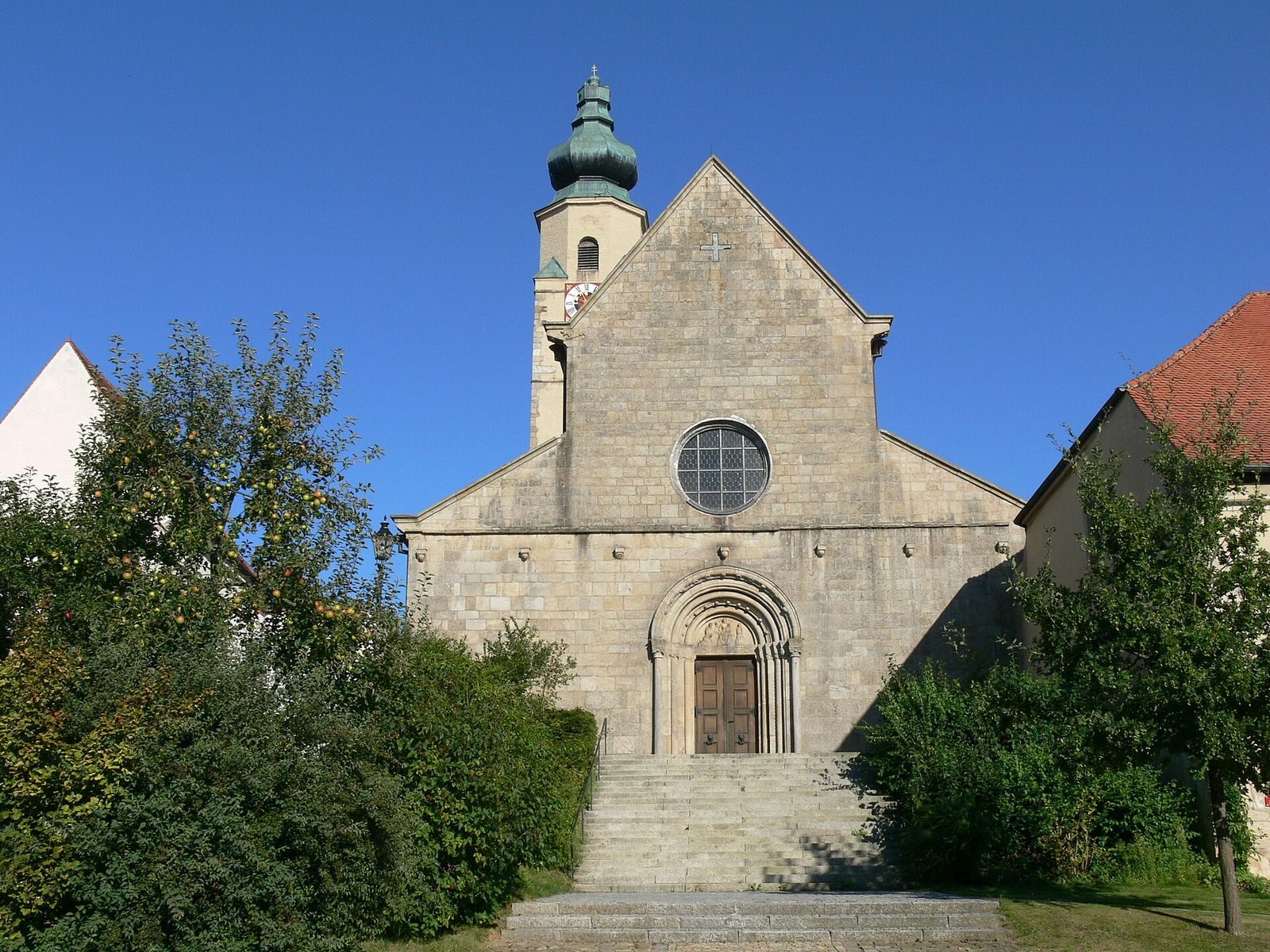
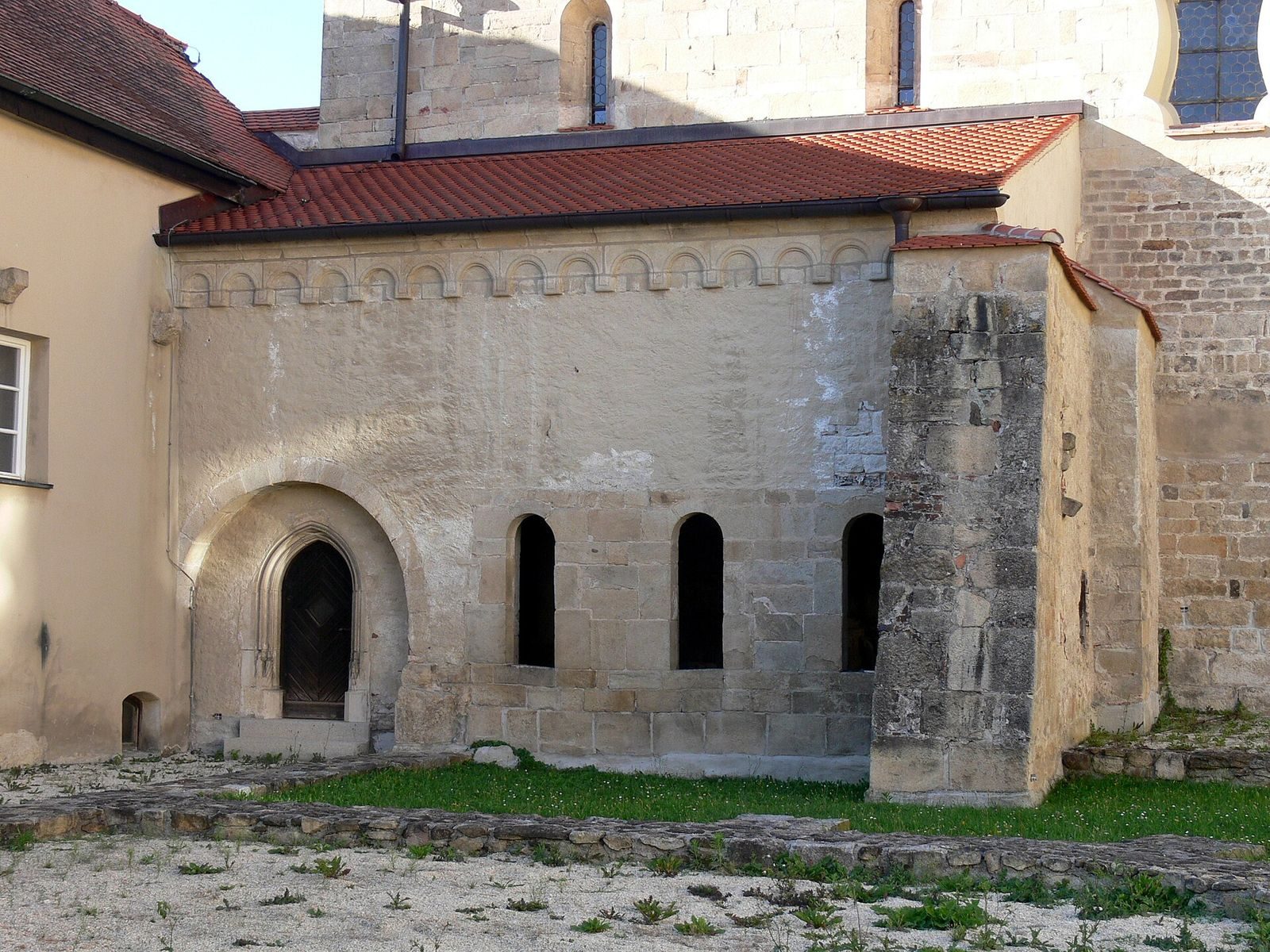
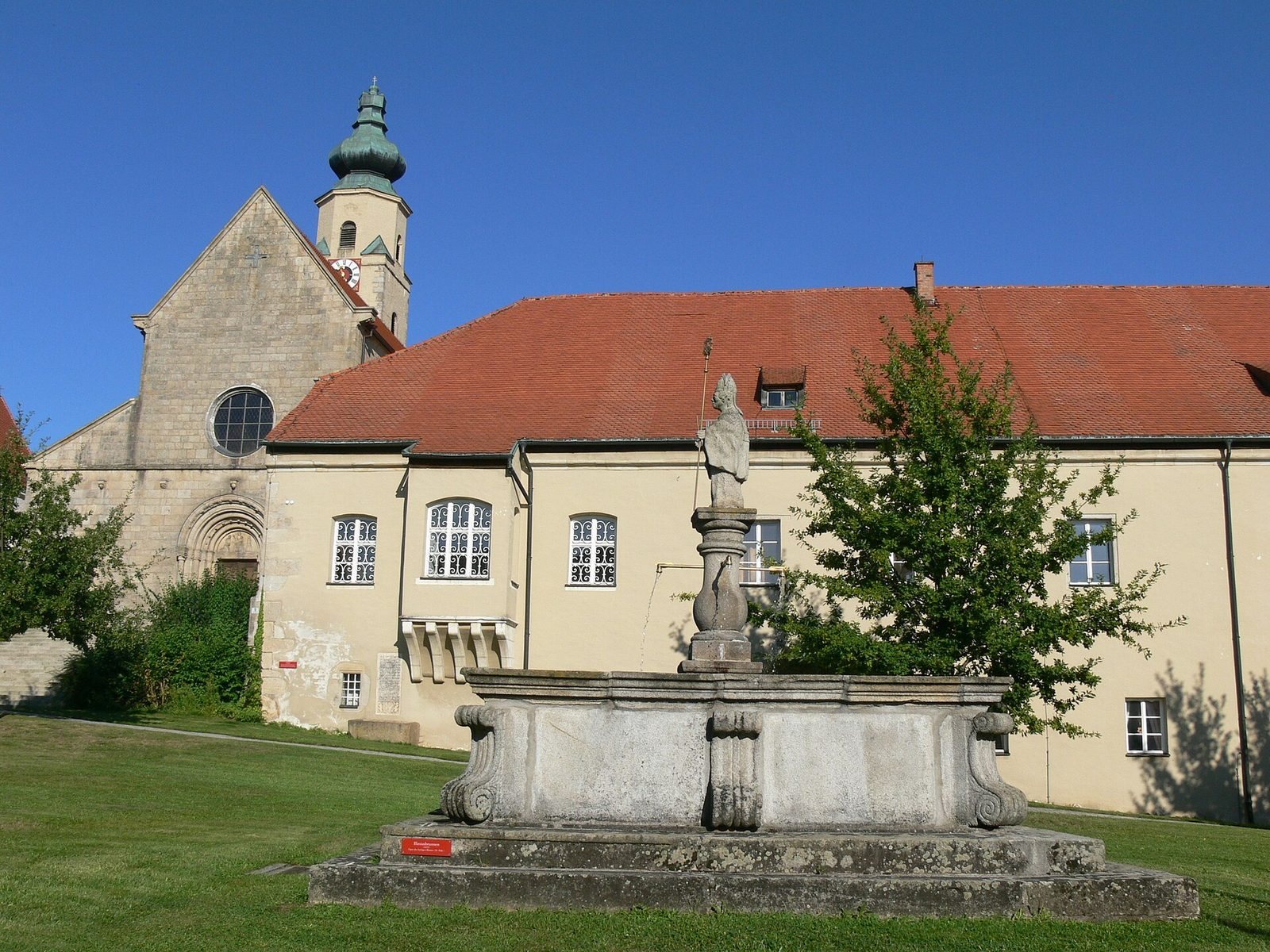
The Church of the Assumption of Mary has a central nave with aisles on either side and a crosswise transept. Principally a 12th-century structure, it has a Romanesque character, a medieval European style associated with rounded arches and heavy masonry. Its design also reflects the influence of Hirsau Abbey, whose reform movement shaped monastic practice and architecture.
Church of the Assumption of Mary
Portals and tower
The church has a monumental main portal and a more simply designed north portal. Its tower dates to the 13th century. The tower was given its present form, including the roof structure at its top, between 1750 and 1760.
Altars and interior decoration
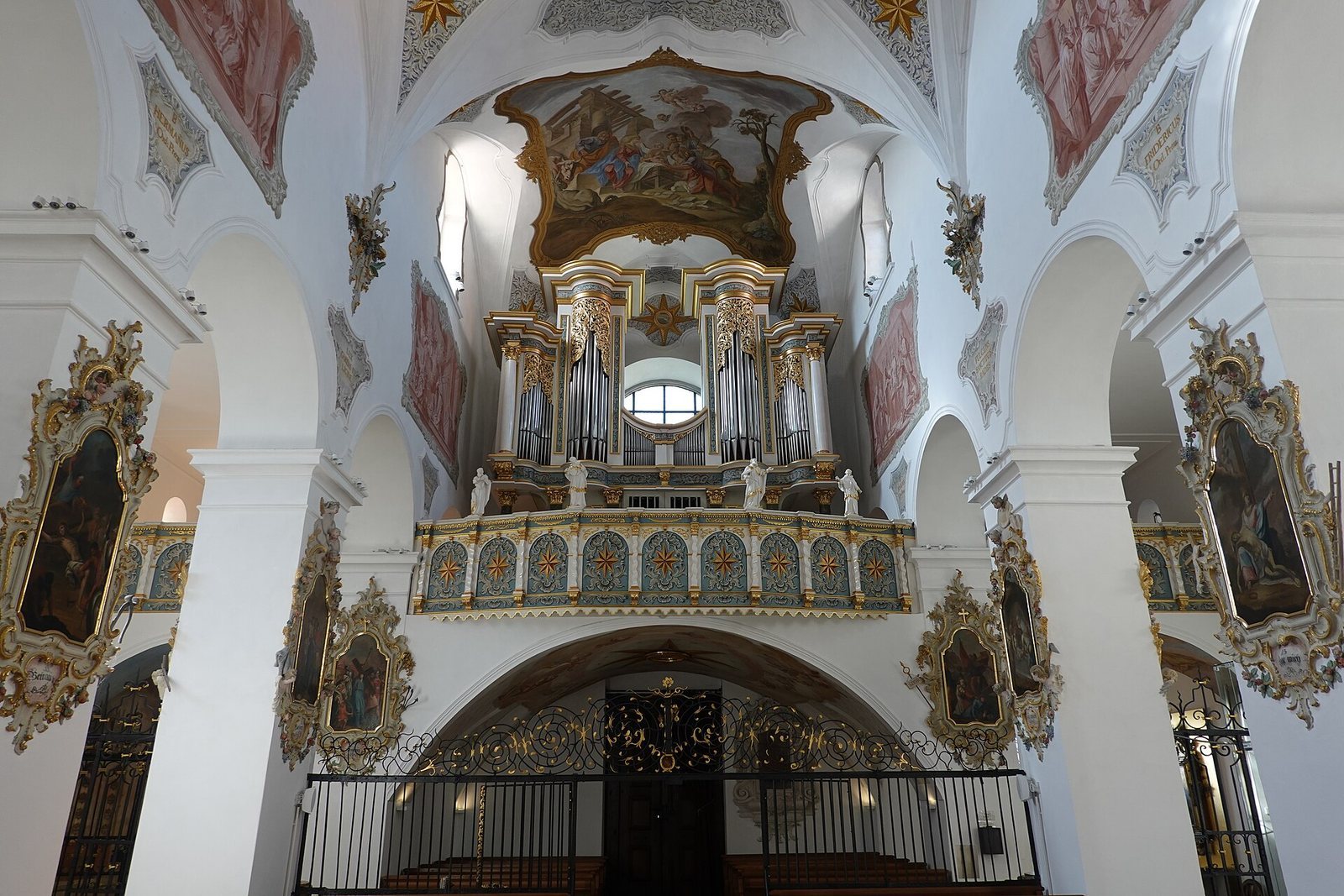
The Baroque high altar, an elaborate early modern design, was made between 1735 and 1740 and contains a statue of the Virgin dating to about 1650. The pulpit dates to 1674. Mathias Obermayr created the interior stucco decoration in 1755 and also made four detailed side altars, two of which are dated 1756.
Former women’s church
The women’s community had its own church dedicated to Saint Blaise, situated northeast of the abbey church.
Abbey library
The abbey’s books included examples of Windberg manuscript illumination: an Evangelistary, containing Gospel readings arranged for worship, and a Gospel book, containing the Gospel texts, both made around 1180. The library also held the six-volume Legendarium Windbergensis, a collection of saints’ lives completed before 1191.
Organs
Main church organ
Joseph Christoph Egedacher built an organ for the church in 1674. His son Johann Ignaz enlarged and altered it in 1724–25. Its Baroque case survives and was reused for the present organ, built by Orgelbau Schmid in 1971. The instrument has 26 stops, or sets of pipes, three manuals, meaning keyboards, and a pedalboard played by the feet. It uses a slider chest, a windchest with sliding valves that admit air to the pipes, and mechanical action for both keys and stops. Its couplers link manuals I and II, manuals III and II, and manuals II and III to the pedal.
Transept organ
A second organ was installed in the transept gallery in 1986. Ludwig Edenhofer Jr. had built it in 1891 for St Martin’s Church in Dornwang; it was dismantled and stored from 1978. Orgelbau Schmid restored it for installation at Windberg, and Armin Vogl cleaned and repaired it in 2019. It has six stops, one manual and a pedal.
Cemetery bell
Anton Gugg made a bell for the cemetery in 1955. Its sounding pitch is G-sharp, and it is no longer rung.