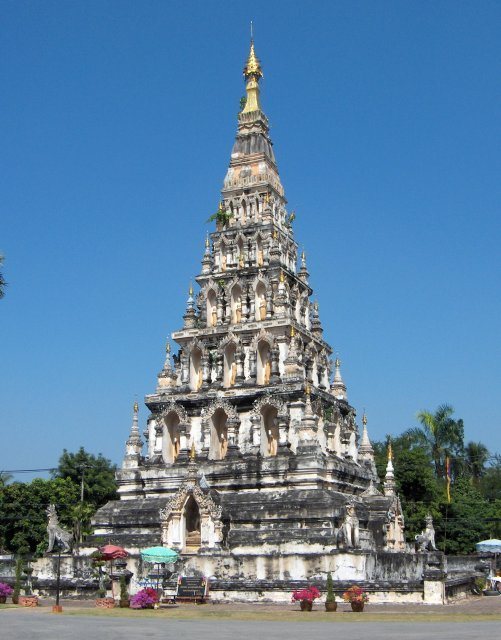
Wiang Tha Kan: An Enclosed Ancient Town of Hariphunchai and Lan Na


Site at a Glance
- Rating
- 4.5
- Popularity
- Low
- Country
- Thailand
- Primary era
- Medieval
- Eras represented
- Medieval
- Civilizations
- Unclassified
- Site type
- Military
- Remains
- Wall
On this page6 sections
History
Wiang Tha Kan is an enclosed ancient town and group of archaeological remains in Ban Tha Kan, San Pa Tong district, Chiang Mai Province, Thailand. The town was built under King Adityadharmaraja of Hariphunchai, an early kingdom centered on present-day Lamphun, around the sixteenth Buddhist century. It began as a frontier settlement of Hariphunchai and later became an important town in the political and military history of northern Thailand.
Hariphunchai Frontier Town
Historical documents first identify Wiang Tha Kan by an earlier name, before the settlement became known by its present name. Its position on the frontier of Hariphunchai gave it a role in extending and protecting the kingdom’s influence beyond its central area. The town’s enclosure and organized settlement reflect this early function.
Lan Na and Burmese Rule
Wiang Tha Kan later came directly under King Mangrai, the founder of the Lan Na kingdom. During this period, it served as a supply town where provisions and military manpower were gathered. This role connected the settlement to the wider needs of Lan Na’s administration and warfare.
After the Burmese occupation of Chiang Mai, Wiang Tha Kan also came under Burmese control. The community was abandoned between 1775 and 1796, during a period of major political change in the region.
Resettlement and Protection
In 1796, King Kawila brought Tai Yong people to settle in the area. Tai Yong communities were historically associated with the Chiang Tung region and northern mainland Southeast Asia. Their community has continued to live at Wiang Tha Kan, linking the present settlement with the site’s earlier urban history.
Thailand’s Fine Arts Department registered Wiang Tha Kan as an archaeological monument on 6 October 2000. The site is administered by Regional Fine Arts Office 7 in Chiang Mai.
Remains
Wiang Tha Kan occupies the area of the present Ban Tha Kan community. The former town is enclosed by city walls and a moat, a defensive ditch, forming a roughly rectangular area about 500 metres wide and 700 metres long. The moat and earthen embankments, which are raised banks forming part of the defenses, cover approximately 60 rai.
Walls, Moat, and Town Area
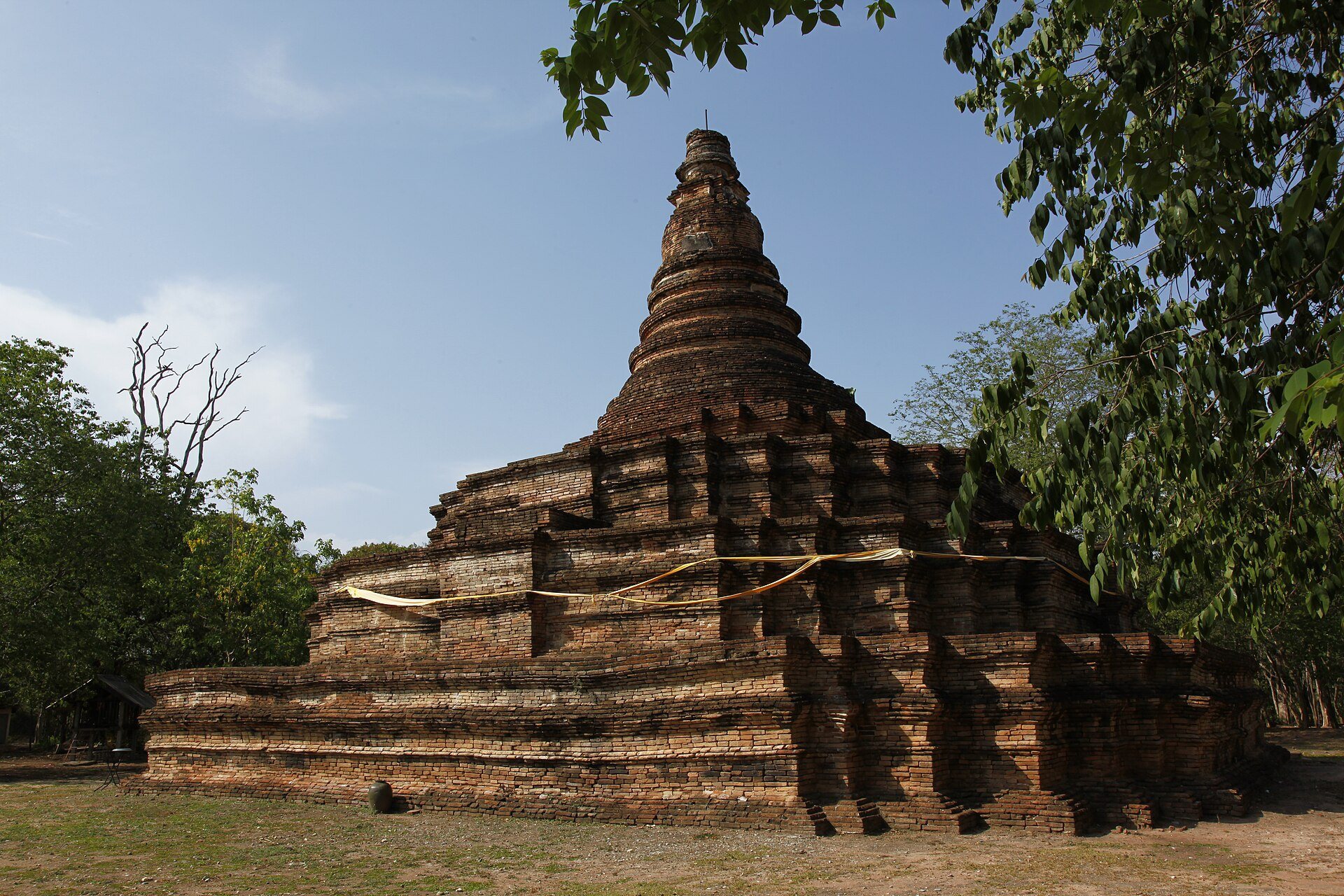
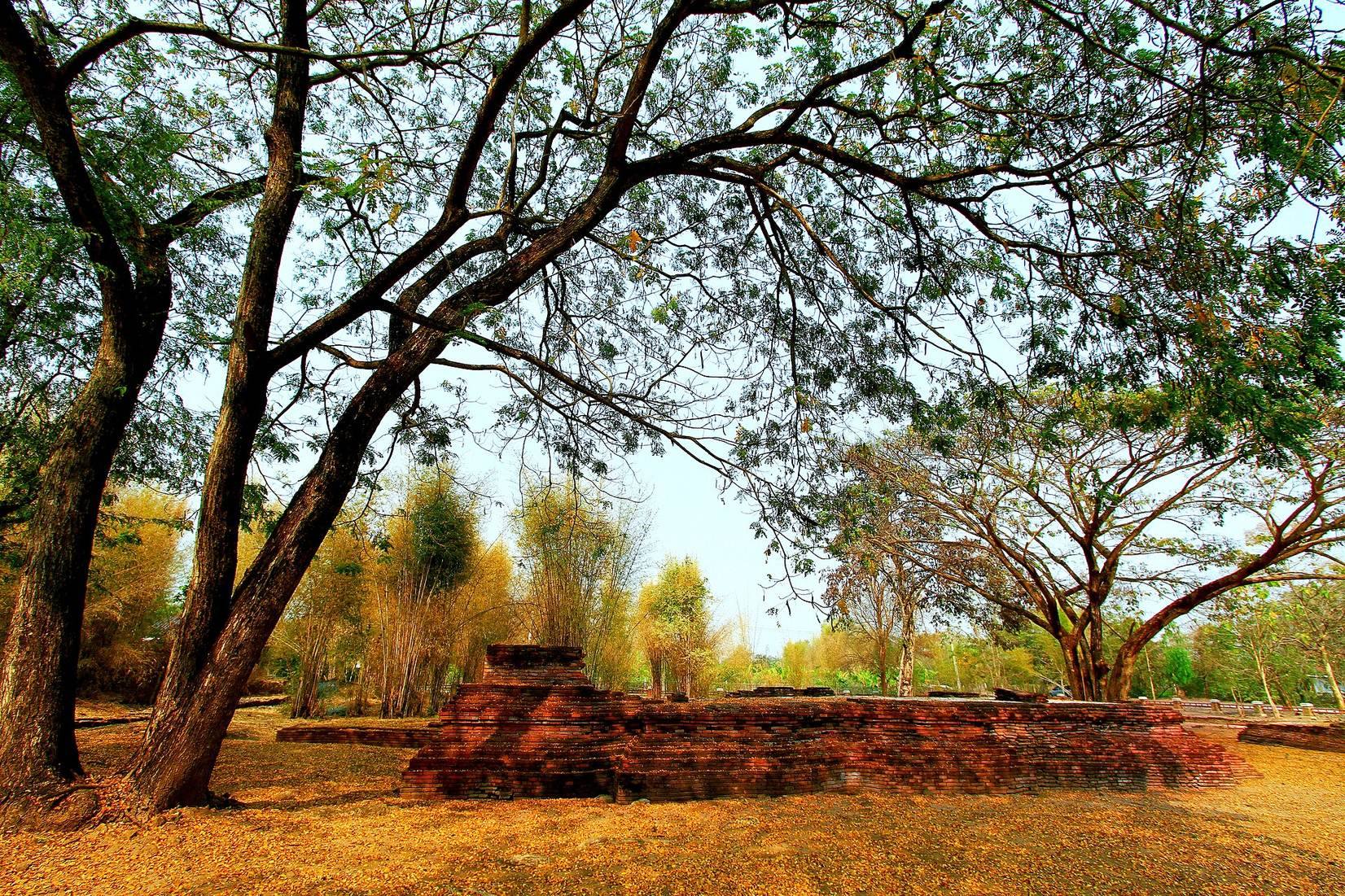
Parts of the former city wall survive as earthen banks, while other sections have been incorporated into roads within the modern community. Archaeological remains are distributed within the former walled town, whose surviving boundaries preserve the broad outline of the settlement and its defensive organization.