Watton Priory: A Gilbertine Double Monastery in Yorkshire
Site at a Glance
- Rating
- 4.3
- Popularity
- Very Low
- Country
- United Kingdom
- Primary era
- Medieval
- Eras represented
- Medieval
- Civilizations
- English
- Site type
- Religious
- Remains
- Monastery
On this page8 sections
History
Watton Priory was a Gilbertine religious house founded in 1150 at Watton in Yorkshire, United Kingdom. The Gilbertines were a medieval English religious order. Watton’s community included both men and women, and it was one of only three Gilbertine houses still operating as a double monastery, a religious house with communities of both sexes, when the Crown suppressed England’s monasteries in 1539.
Foundation and early community
Eustace fitz John and his wife, Agnes fitz Nigel, established the priory. Agnes was the daughter of William fitz Nigel, constable of Chester, an officer responsible for a castle or its military administration. The site had earlier been occupied by an Anglo-Saxon nunnery mentioned by Bede, an eighth-century Northumbrian monk and historian. Eustace held the land from Lord William Fossard, a Yorkshire landholder who held directly from the Crown. Fossard, sometimes named as the priory’s founder, also gave it extensive lands in York and Hawold.
The community comprised 140 religious, evenly divided between 70 brothers and 70 sisters. Expense records suggest that members were well supplied with clothing. Each canon, a member of the male religious community, received several tunics and outer garments, including a lambskin coat and white cloak, as well as stockings, footwear and a white scapular, a garment worn as part of a religious habit. The nuns had five tunics, with three for work and two for prayer and recreation. They also had black caps and veils, lambskin coats, and a work scapular for more demanding tasks; a coarse-cloth shift was optional.
Ailred of Rievaulx, a twelfth-century abbot and writer, recounted the story known as the Nun of Watton. In his account, a girl entered religious life as a toddler and, as a young woman, became pregnant by a lay brother from the priory’s male community.
Thirteenth-century pressures
Wealthy noble widows and their entourages caused disorder at Gilbertine houses in Yorkshire, including Watton and Malton Priory. Their demands on the nuns’ hospitality and the conduct of their parties damaged the reputation of their hosts. In 1272, Henry III wrote to the sheriff of Yorkshire about Agnes de Vescy, widow of William de Vescy. Her large party, which included women and dogs, had disrupted the nuns’ religious observances. Because the Gilbertines were under royal protection, Henry ordered the sheriff to warn her not to visit Watton or another religious house without the Order’s Master’s permission, and to prevent further visits if she ignored the warning. The king also wrote to Agnes directly.
Royal prisoners and property exchanges
In 1306, Edward I had Marjorie Bruce, the twelve-year-old daughter of Robert the Bruce, king of Scots, confined at Watton after her capture following the Battle of Methven. The next year, the king instructed the sheriff of York to provide three pence a day for her expenses, counted from the day after All Souls’ Day 1306, when she had arrived, and one mark a year for clothing. A mark was a unit of account, not a coin. Marjorie remained at Watton until her release in 1314, during Edward II’s reign.
In 1320, Edward II granted Watton buildings and a plot of land in Scarborough in exchange for land the priory held from the king. The Scarborough property went to the Blackfriars, the traditional name for Dominican friars.
Late medieval fortunes and the Dissolution
Watton was financially destitute in 1444, but by the Dissolution of the Monasteries, the Crown’s suppression of monastic houses in the 1530s, it was among the largest and wealthiest Gilbertine houses. Its annual value was £360, given as approximately £152,000 in modern terms. The surrender to the Crown was signed by the prior, the head of the house, ten canons, the prioress and several nuns. Watton Priory is now a Grade I listed building, the highest category of listed-building protection in England.
Remains
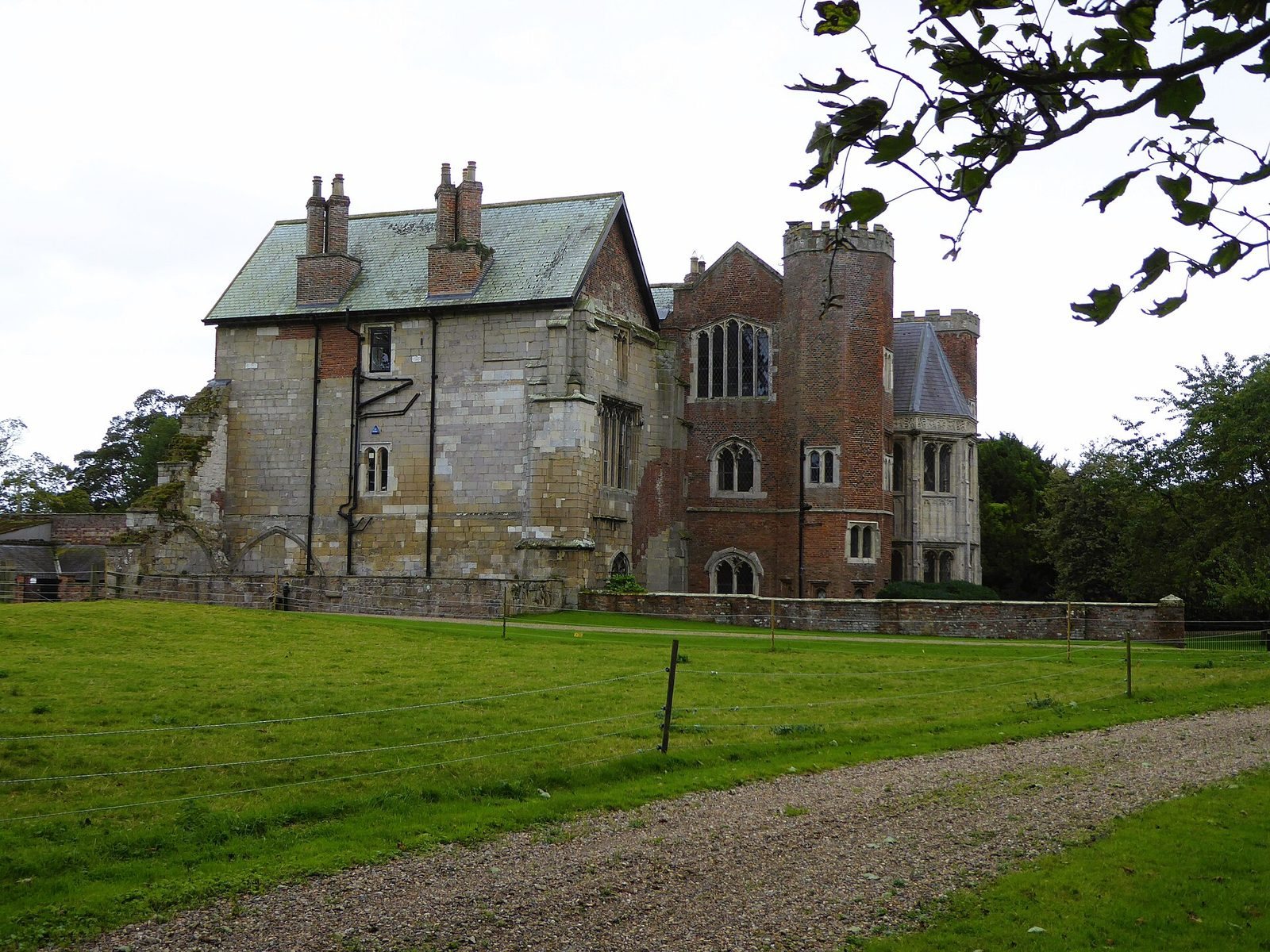
The surviving remains include a group of buildings southeast of the cloister, a covered walkway around a courtyard, a great barn to the north, and a moat around the priory’s environs.
Buildings southeast of the cloister
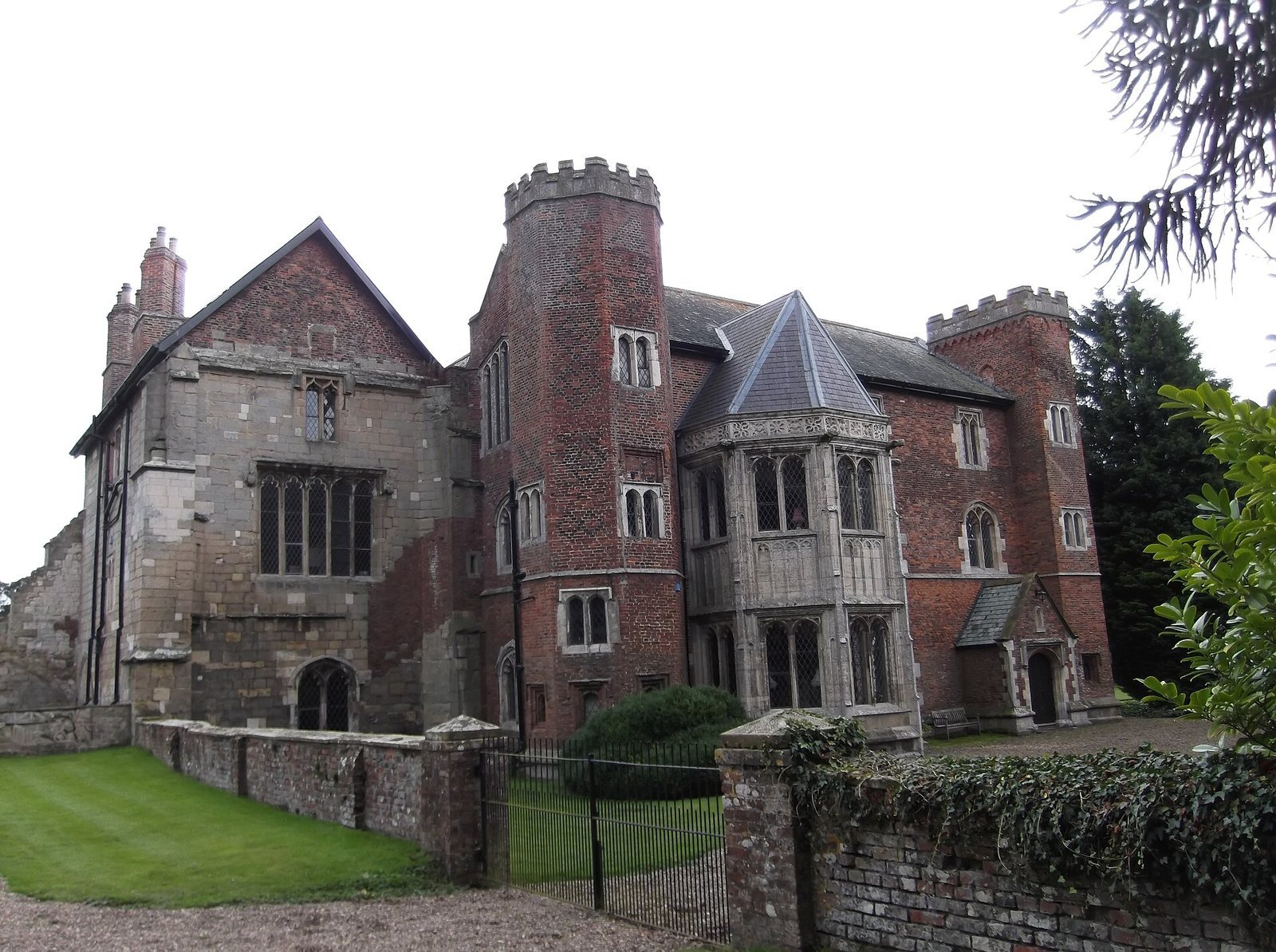
The buildings in this group date from the thirteenth, fourteenth and fifteenth centuries. They are thought to have formed a principal part of the priory’s infirmary, where sick members of the community were cared for, and the prior’s lodgings. One fifteenth-century building contained a great hall with an oriel window, a window projecting outward from the wall.
Barn and moat
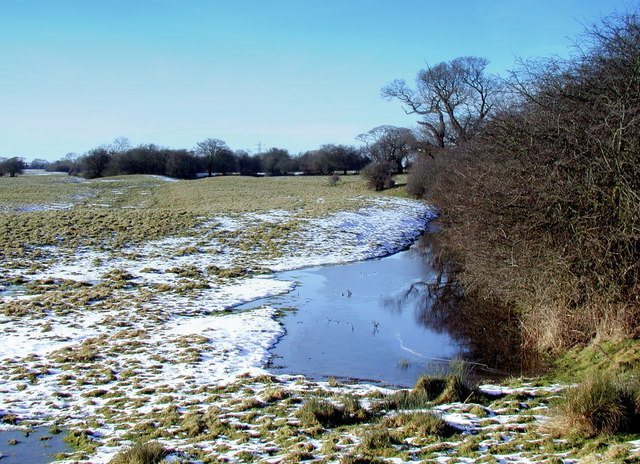
North of the priory stands a great brick barn dating to the fifteenth century. Natural England and Historic England have repaired it. A moat surrounded the priory’s wider environs.