Water Temple of Zaghouan: A Roman Spring Sanctuary
Site at a Glance
- Rating
- 4.3
- Popularity
- High
- Country
- Tunisia
- Primary era
- Classical
- Eras represented
- Classical
- Civilizations
- Roman
- Site type
- Religious
- Remains
- Temple
On this page8 sections
History
Spring worship and Roman construction
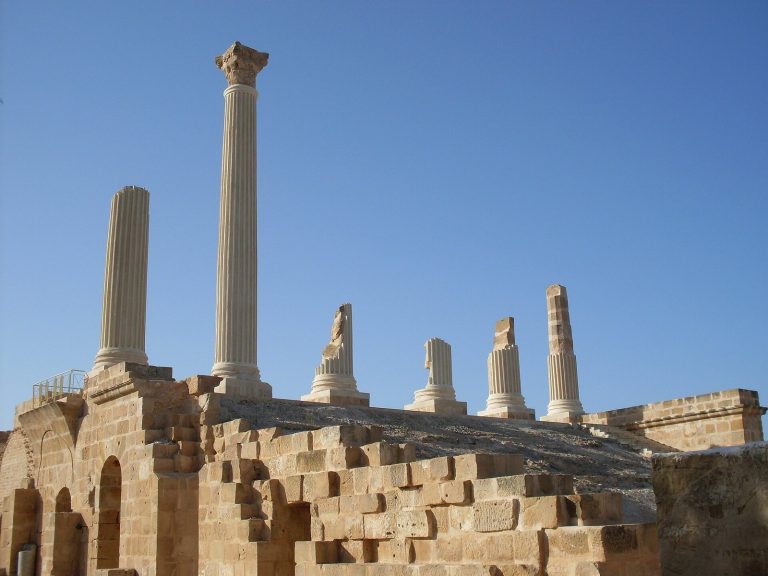
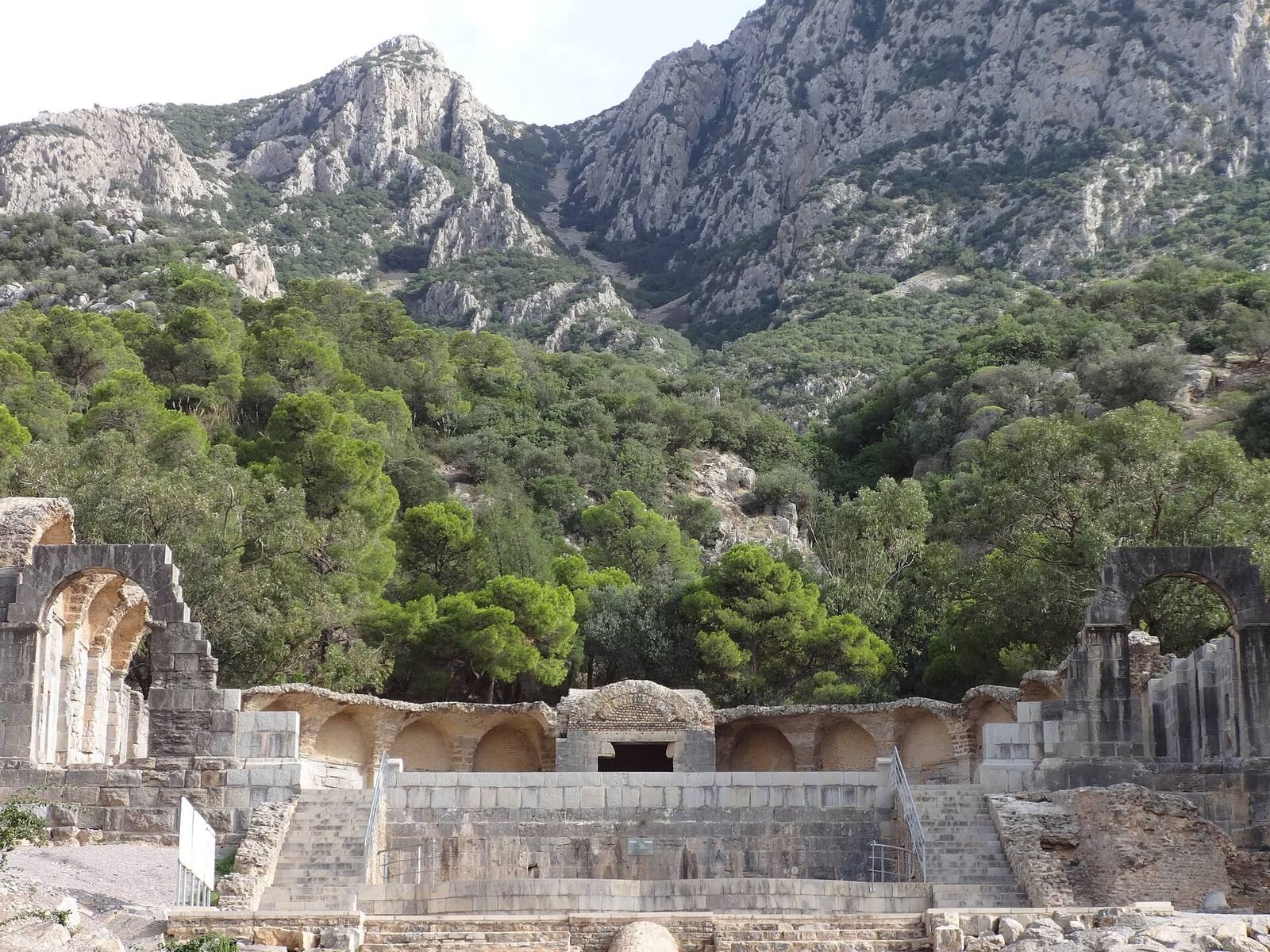
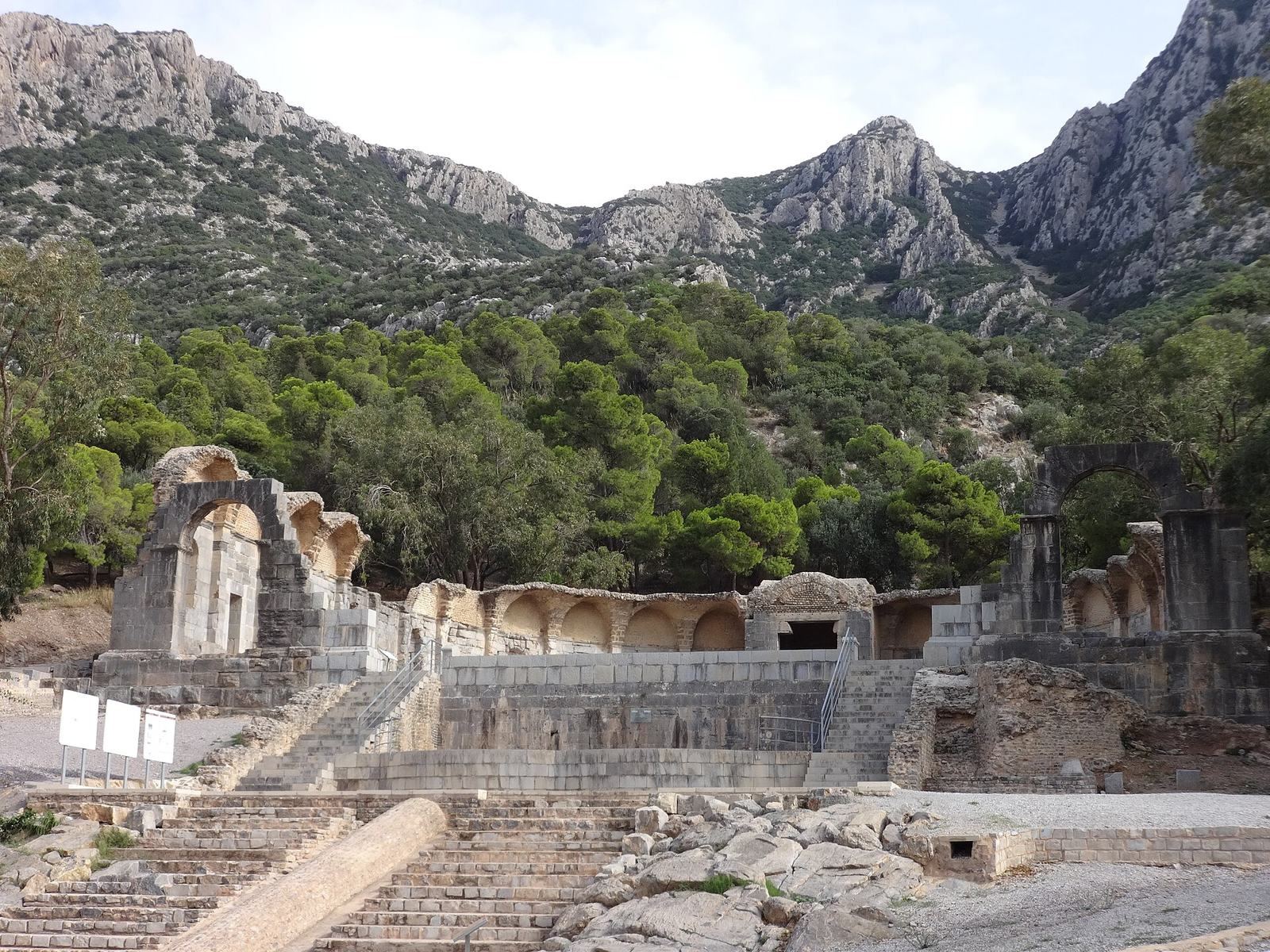
The Water Temple of Zaghouan is a Roman spring sanctuary on the northern slope of Djebel Zaghouan in Tunisia, built in the second century AD in a semicircular form modeled on a Roman theatre. It served as a nymphaeum, a Roman monument that combined a spring or other water source with religious and decorative functions. Its construction is linked to Emperor Hadrian’s reign (117-138) and is sometimes dated to about AD 120. The monumental temple is also assigned to the Severan period, when a Roman dynasty ruled in the late second and early third centuries AD.
The sanctuary honoured spring water, and its establishment and the capture of the spring are associated with a severe drought that affected the Carthage region from AD 123 to 128 and lasted at least five years. Springs on Djebel Zaghouan had supplied Carthage by aqueduct as early as the Punic period.
Aqueduct and later use
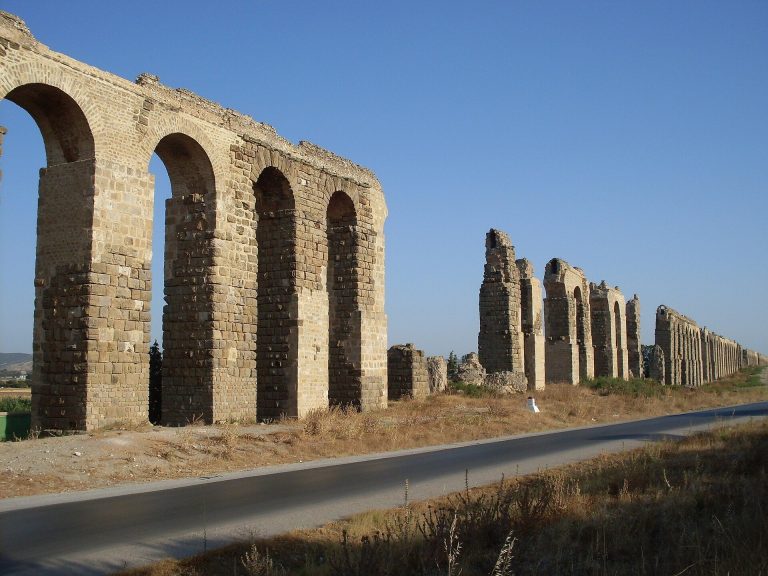
The temple marked the beginning of a Roman water-supply system drawing on springs at Zaghouan and Jouggar. Its aqueduct extended about 132 kilometres to Carthage, roughly 90 kilometres away, descending along a carefully controlled gradient of 0.29 percent. From the thirteenth century, the aqueduct also supplied Tunis. The temple was classified as a monument in Tunisia in 1891.
Remains
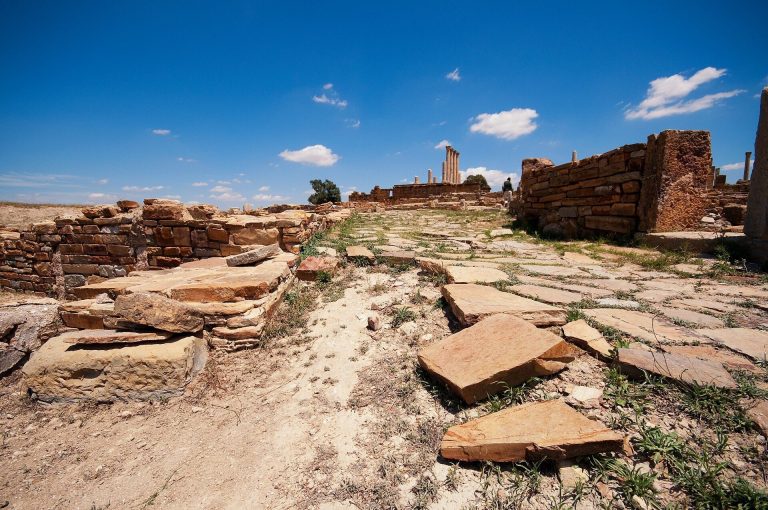
Standing about 289 metres above sea level and roughly three kilometres from the city of Zaghouan, the complex was built mainly from stone quarried on Djebel Zaghouan and in nearby areas. Marble of several kinds was used for decoration.
Sanctuary layout
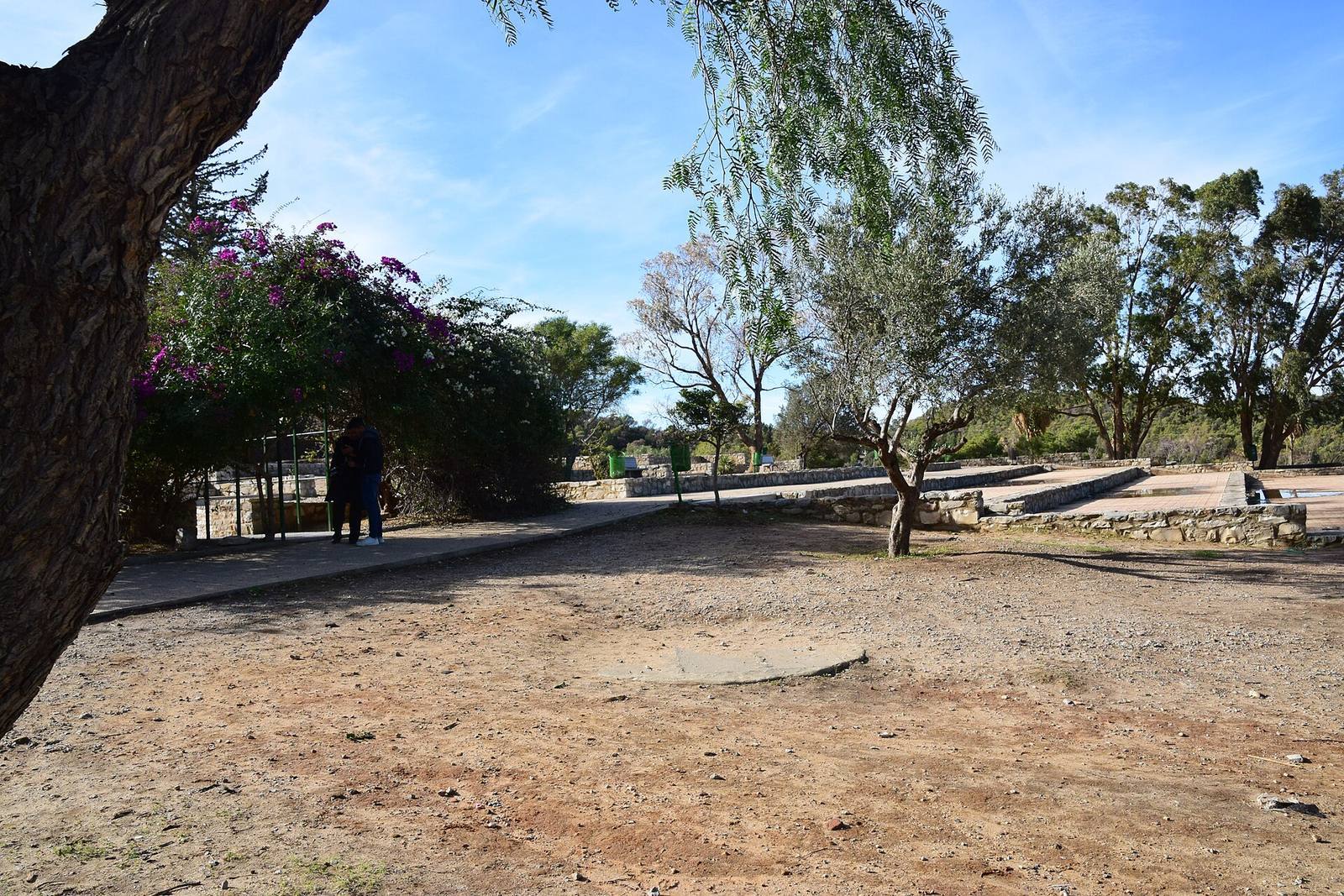
Steps or small seating tiers on either side lead to a sacred chamber used for rites connected with water worship. A corridor opens into a central courtyard, where a basin collected water from the mountain spring.
Sculptures and shrine
The semicircular building contains twelve niches. Statues of Neptune, the Roman god associated with water and the sea, and twelve water nymphs, female nature deities linked with springs, once stood in niches around the courtyard. Most of the statues are now preserved at the National Bardo Museum. A small shrine at the centre of the temple was associated with the divinity believed to protect the springs.
Earlier nymphaeum
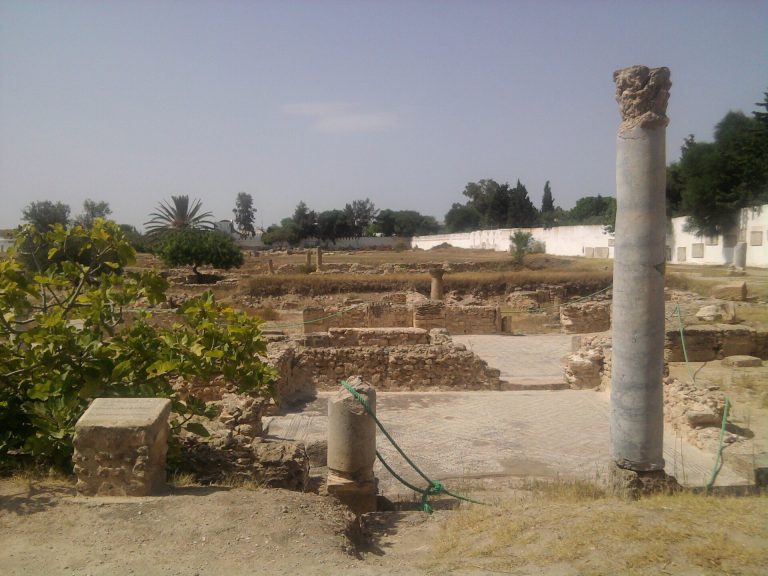
Remains found nearby in 2001 are interpreted as the site’s original nymphaeum. They belong to a smaller, more modest basilica-type temple, with a hall-like plan.
Aqueduct remains
A section of the aqueduct can be seen near the temple, linking the sanctuary’s spring setting with the wider water-supply system.