Walferdange Castle: From Stud Farm to Royal Residence and Public Institution
Site at a Glance
- Popularity
- Medium
- Country
- Luxembourg
- Primary era
- Modern
- Eras represented
- Modern
- Civilizations
- Unclassified
- Site type
- Domestic
- Remains
- Palace
On this page4 sections
History
Stud Farm and Royal Residence
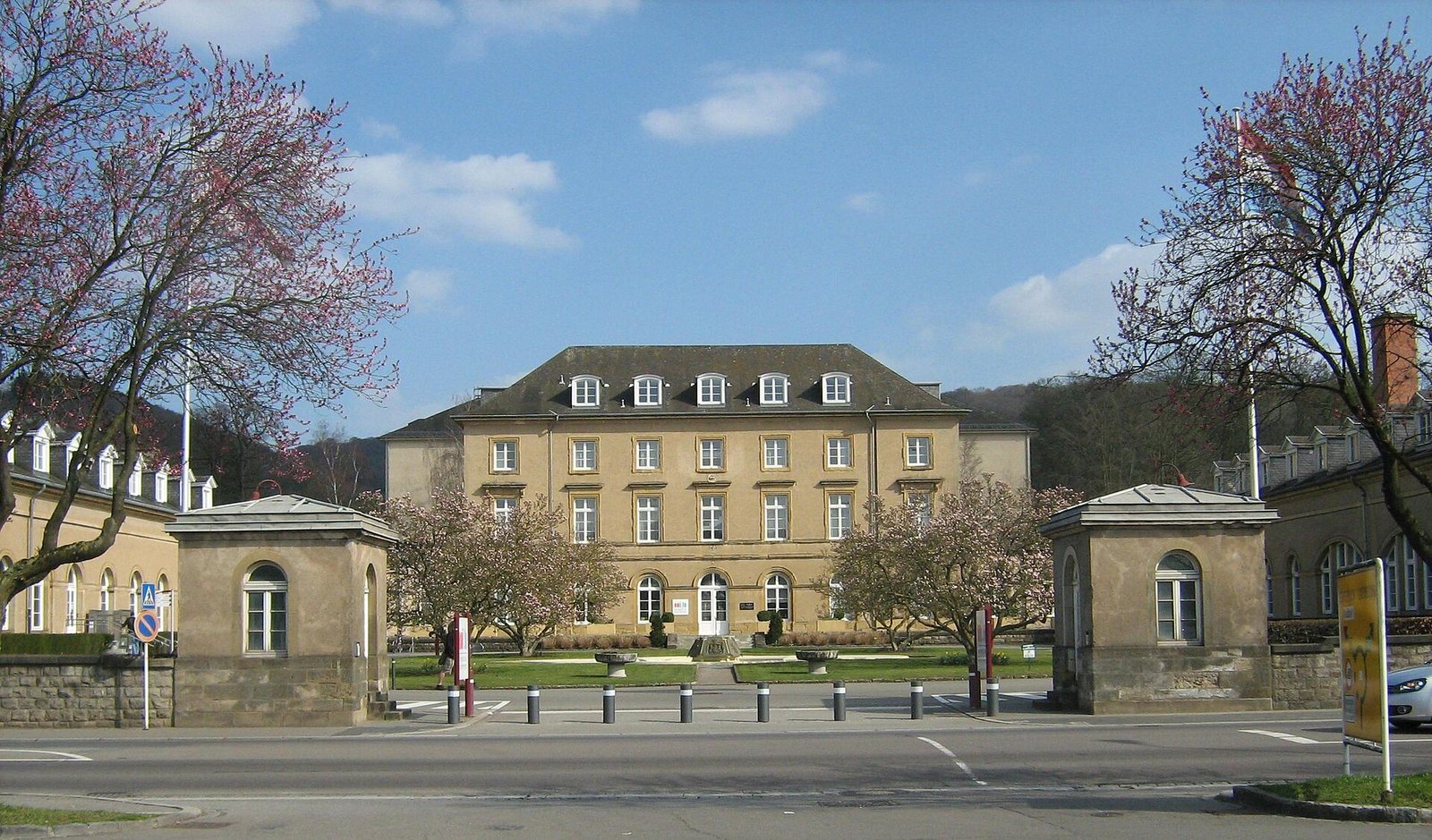
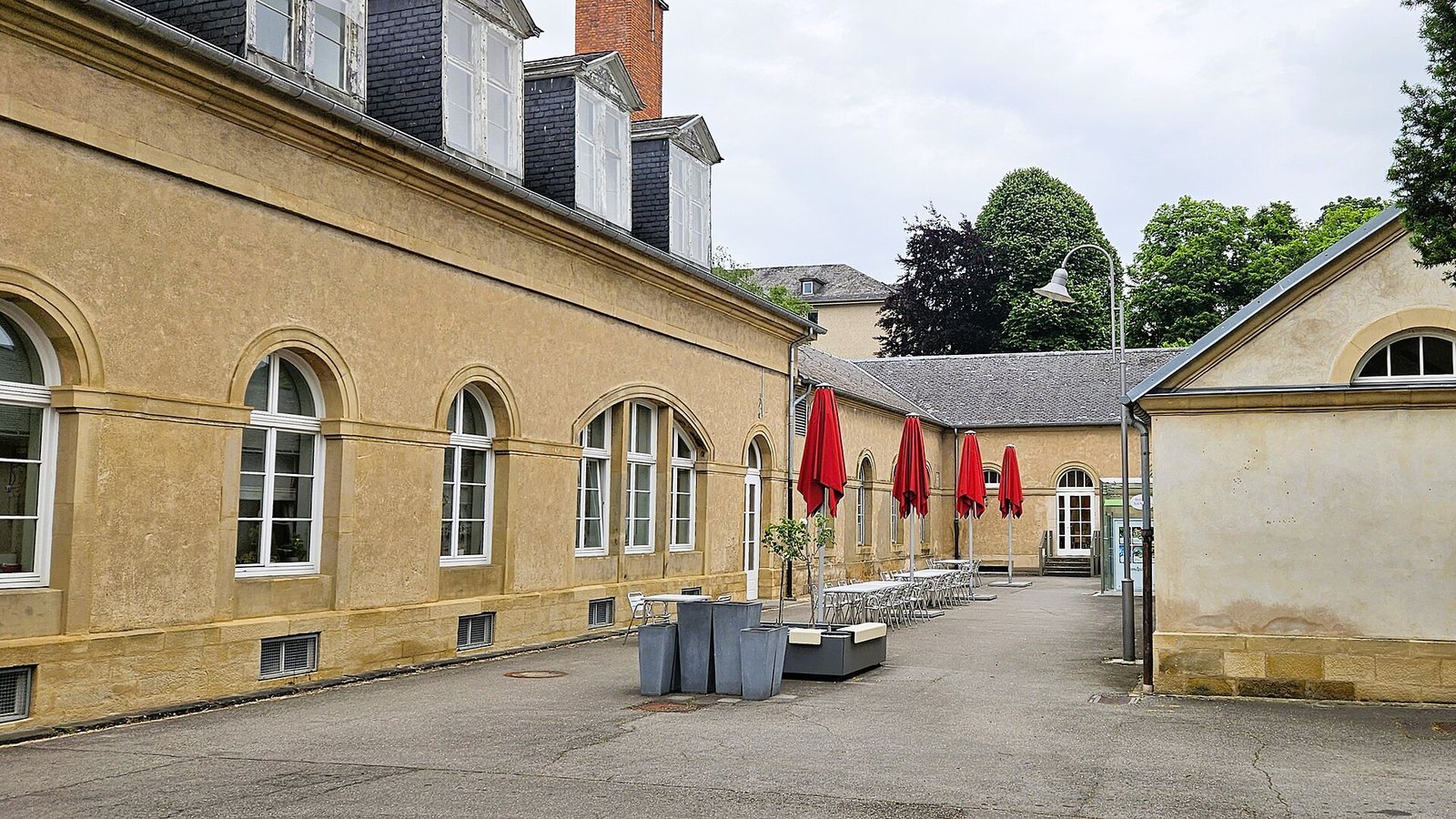
Walferdange Castle in central Luxembourg was built by William I, King of the Netherlands and sovereign ruler of the Grand Duchy of Luxembourg, between 1824 and 1828 as a stud farm, an establishment for breeding horses. His son William II, who succeeded him as king and grand duke, converted it into a royal residence and stayed there during visits to Luxembourg.
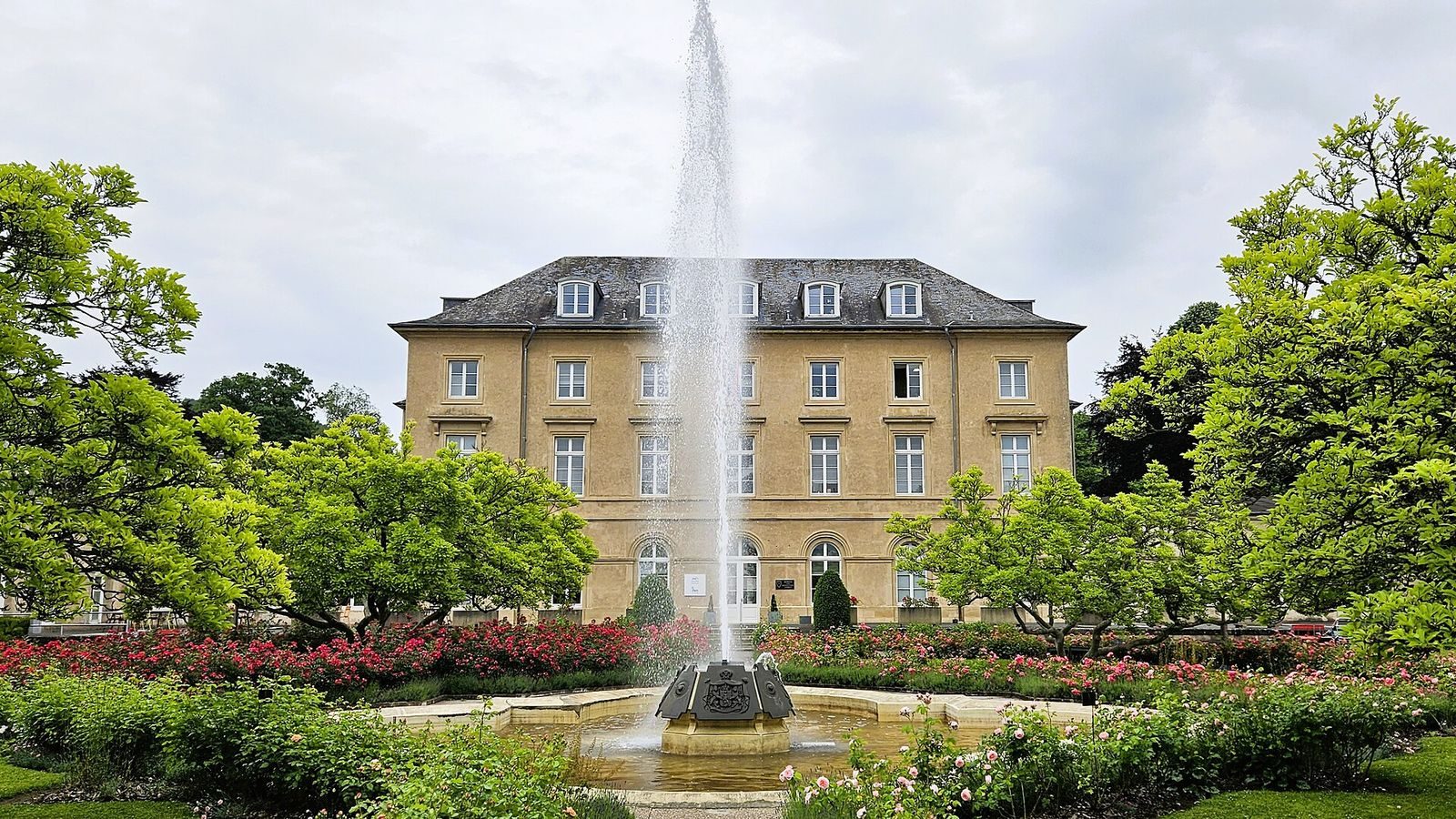
From 1853, Prince Henry, then governor of Luxembourg, and his wife Amalia lived at the castle. They enlarged the building and its gardens. Henry was popular with local residents and gave presents to children each Christmas. After his death in 1879, the castle stood empty until Grand Duke Adolphe made it his summer residence. He used it until his death in 1905 and extensively refurbished the castle and park. From 1890 onward, several Grand Dukes lived there.
Institutional Uses
During the twentieth century, the castle served in turn as a hospital, a teacher-training college, barracks for the American Army and then the Luxembourg Army, and a pedagogical institute. It later also housed a fire station. In 2003, it became a University of Luxembourg campus for the Faculty of Language and Literature, Humanities, Arts and Education. Since 2015, some departments of Luxembourg’s Ministry of National Education, Childhood and Youth have been housed there.
Remains
The castle grounds include gardens and a park.