Voronich Archaeological Site: A Medieval Fortress in Pskov Oblast
Site at a Glance
- Popularity
- Very Low
- Country
- Russia
- Primary era
- Medieval
- Eras represented
- Medieval, Modern
- Civilizations
- Pskov Republic, Russian
- Site type
- Military
- Remains
- Fort
On this page10 sections
History
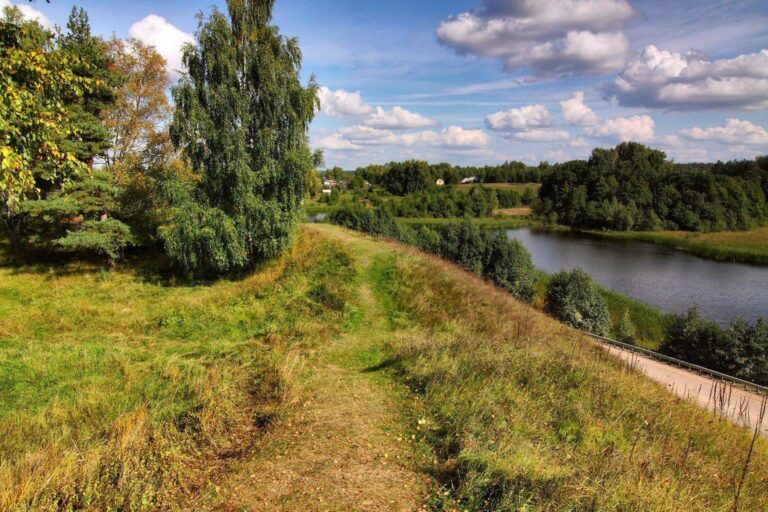
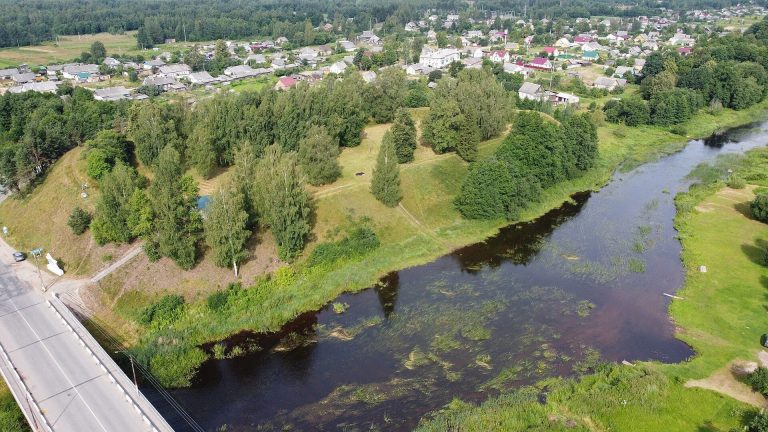
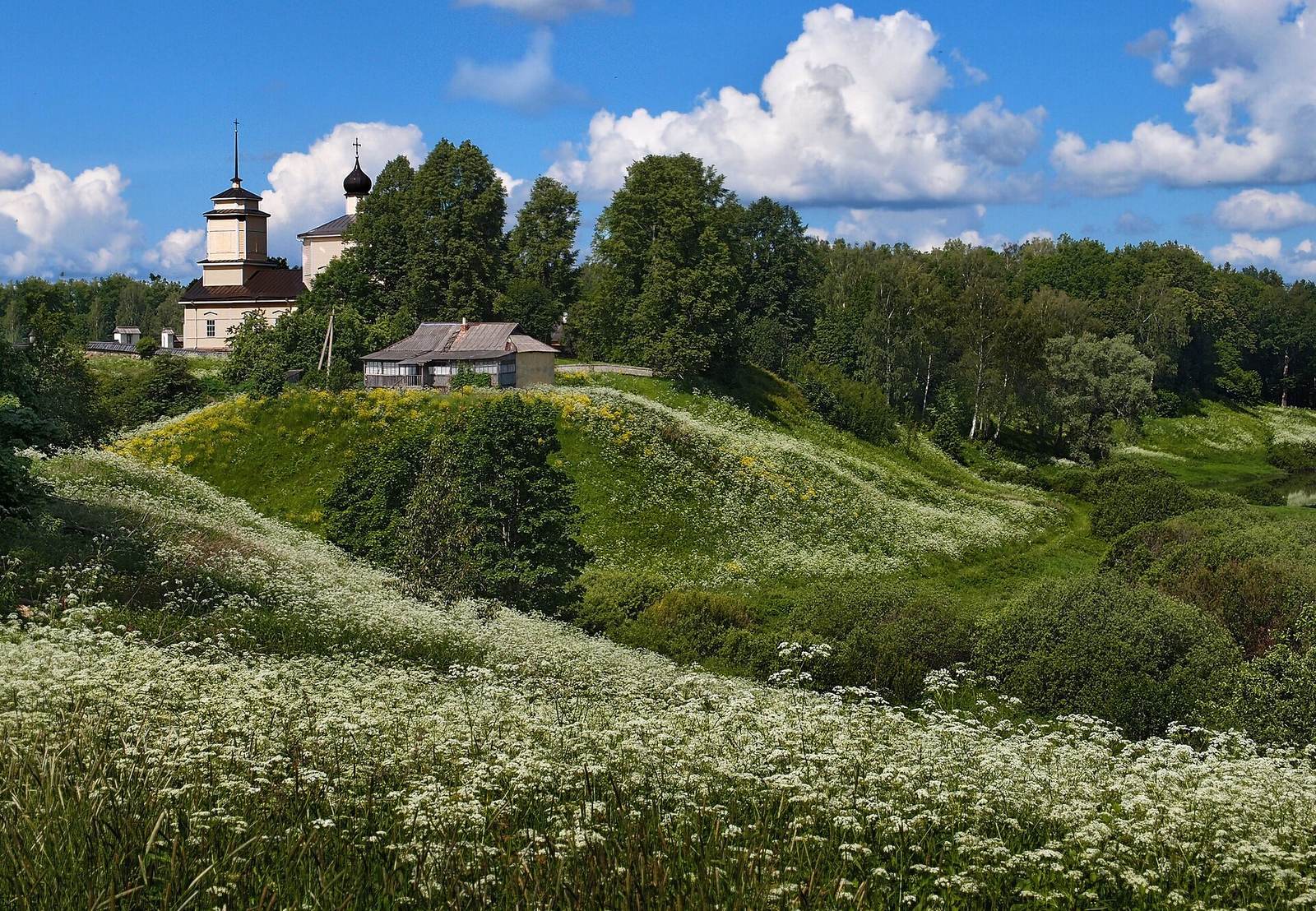
The Voronich archaeological site preserves the remains of a wooden medieval fortress on a hill above the River Sorot, at the village of Voronich in Russia’s Pskov Oblast. Established at its present location early in the second half of the 14th century, it guarded the Pskov lands against the Grand Duchy of Lithuania, a medieval state in eastern Europe.
Origins and frontier role
An earlier fortress stood on a hill about 2 km east of the present site. Voronich was first recorded in 1348 as the center of a territorial district, and it appears in the List of Russian Cities in 1390/1391.
Wars with Lithuania
In 1406, after Lithuanian forces captured Kolozhe and took 11,000 residents of its district captive, Grand Duke Vytautas’s army displayed two boats containing the bodies of murdered children before Voronich on 28 February, seeking to force the fortress to surrender. The Lithuanians remained beneath its walls for two days, then withdrew. In 1408, a Voronich detachment fought Lithuanian forces, killing 100 men and taking prisoners. That year, it also rescued a force from Velye that had been caught in an ambush.
On 5 August 1426, after failing to capture Opochka during a campaign against Pskov, Vytautas besieged Voronich and used siege engines against its wall. At the request of the town’s senior civic officials, Timofey and Yermola, negotiators arrived from Pskov to seek peace, but Vytautas refused to meet them. A chronicle says he ended the siege after a storm that he regarded as an ill omen. He agreed to withdraw at the request of his grandson Vasily II, Grand Prince of Moscow, and demanded 1,000 rubles as ransom. On 25 August, the Lithuanian and Moscow principalities concluded a truce at Voronich.
Later sieges and destruction
Lithuanian forces unsuccessfully besieged Voronich again in 1517. In 1565, after Moscow’s troops were defeated near Velye, Russian survivors took refuge in the fortress. The opposing force stopped about five versts away, with each verst measuring roughly 1.07 km, and plundered nearby villages instead of laying siege. By the late 16th century, Voronich had reached its greatest prosperity and was larger than Velye, Opochka, and Ostrov. In August 1581, forces led by Stefan Batory, King of Poland and Grand Duke of Lithuania, captured the site after a short siege and devastated the fortress and settlement as they withdrew.
In 1610, Polish-Lithuanian commander Alexander Lisovsky occupied the fortress and used it as a base for raids into Pskov lands. A Polish army burned Voronich in 1634 while Russian troops were occupied near Sebezh and Opochka.
Church and archaeological investigation
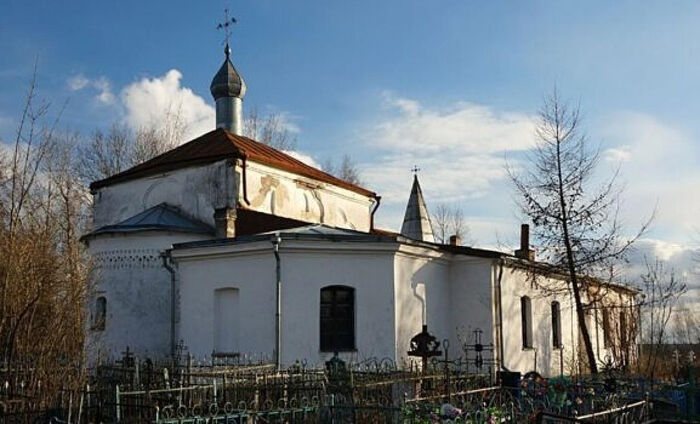
A wooden church dedicated to St George and a clergy house were built on the site in 1830. Fire destroyed the church in 1913; it was recreated in 2007 using original drawings. Historian Nikolai Kostomarov began investigating the remains in 1886. Small excavations followed in 1946 and 1956, and archaeologist Vasily Beletsky led the most extensive investigation in 1969. Excavations took place again in the 2000s. Recognized as an archaeological monument under state protection in 1960, the site had that status confirmed by presidential decree in 1995. Its remains are protected as a federal cultural heritage site, and Voronich is part of the Mikhaylovskoye Museum-Reserve.
Remains
Fortified hilltop site
Fortress layout
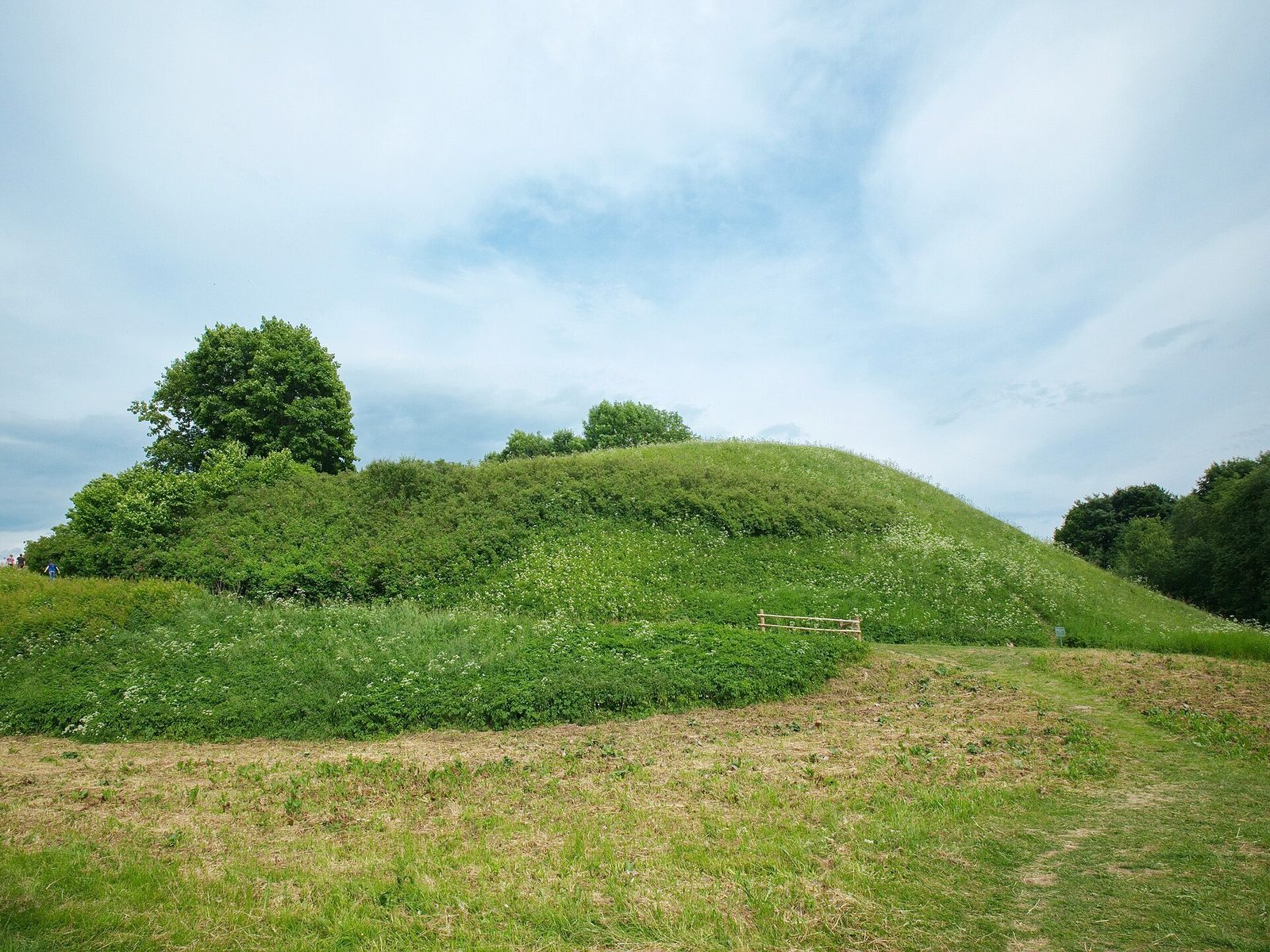
The wooden fortress occupied a natural hill above the steep bank of the River Sorot, at the edge of Voronich. An earth rampart followed the hill’s southwestern edge, and wooden towers stood at the corners of the walls. Two gates opened into the enclosure, with traces of roads leading to them. Stores for weapons and food stood inside, along with light structures that offered temporary shelter to settlement residents during sieges.
Archaeological deposits
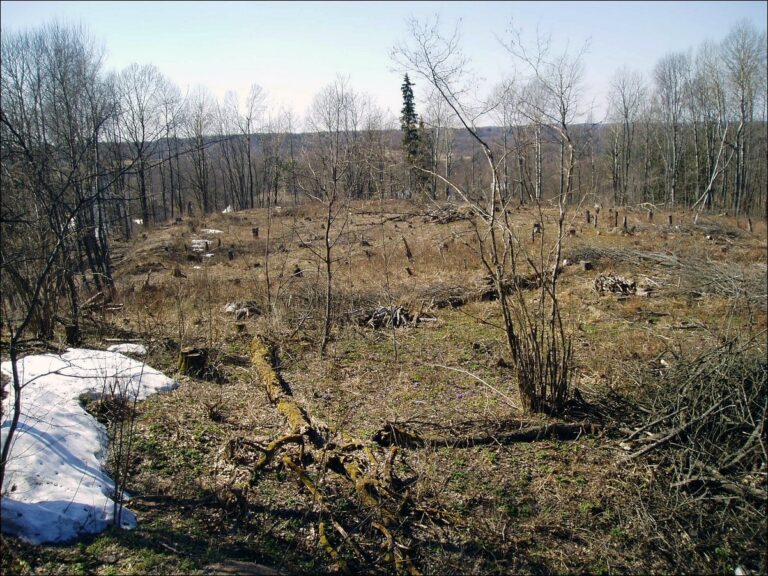
Preservation of the site’s accumulated soil deposits is uneven. Earthworks have heavily disturbed the western half, while the eastern half retains distinct layers dating from the second half of the 13th century to the second half of the 16th century.
Church and clergy house
The recreated wooden St George’s Church occupies its preserved foundation, and a clergy house also stands on the site.