Vel’e Hillfort: A Medieval Fortress in Pskov Oblast
Site at a Glance
- Popularity
- Very Low
- Country
- Russia
- Primary era
- Medieval
- Eras represented
- Medieval
- Civilizations
- Pskov Republic
- Site type
- Military
- Remains
- Fort
On this page8 sections
History
Foundation and early conflicts
Vel’e hillfort is a medieval fortress in Pskov Oblast, Russia. Its first, wooden defenses were probably built in the early part of the second half of the fourteenth century, and some walls were later rebuilt in stone. The fortress became involved in conflicts between Pskov and the Livonian Order, a Catholic military order that held power in parts of the eastern Baltic region.
In 1367, 1368, or 1369, a Pskov force caught up with Livonian troops who had been raiding villages near Vel’e, but the Pskovites were defeated. The Livonians did not besiege the fortress and continued their retreat. Vel’e appeared in the List of Russian Cities, a medieval enumeration of towns, in 1390 or 1391.
Campaigns and sieges, 1406–1517
In 1406, men from Vel’e took part in a Pskov campaign against Rzhev and Velikiye Luki. That year, 150 defenders from Vel’e repelled a Livonian incursion without losing a man, while the attackers suffered heavy losses.
In 1408, Livonian forces besieged Vel’e for four days and tried unsuccessfully to storm it on May 6. They withdrew with 40 or 43 prisoners. A force from Vel’e pursued them but was ambushed, with 45 or 60 men killed. Troops from Voronich kept the defenders from being completely defeated. During the war with Lithuania in 1426, a force from Ostrov was near Vel’e. A Lithuanian army later failed to take the fortress in a siege in 1517.
Decline and later history
In 1565, during the Livonian War, a prolonged sixteenth-century conflict over Livonia involving Russia and neighboring powers, a Lithuanian detachment fought local militia near Vel’e. Historian Alexander Vlasov considers that the fortress lost its military importance afterward. He dates its destruction to 1581, when it was feared that troops of Stephen Báthory, king of Poland and grand duke of Lithuania, might capture it and put it to use. Local people later dismantled the remains for building materials.
Wall traces could still be distinguished in the late eighteenth century. Alexander Pushkin visited Vel’e in 1825 while exiled at Mikhailovskoye, a country estate in the Pskov region associated with the poet. Archaeological investigations began in the 1880s. Nikolai Okulich-Kazarin published the first description of the fortress in 1914, and Pavel Rappoport investigated the construction of its stone wall in the 1950s. On August 30, 1960, the hillfort was recognized as an archaeological monument and placed under state protection at republican level. Its remains are now designated cultural heritage of federal significance in Russia.
Remains
Hilltop layout and defenses
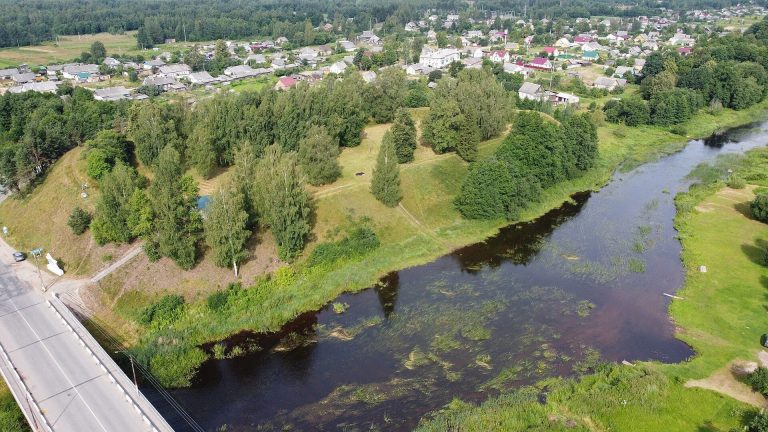
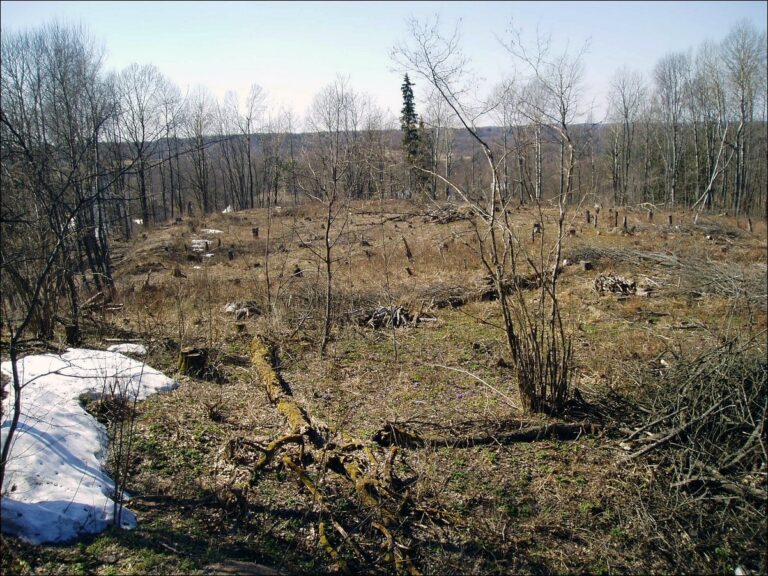
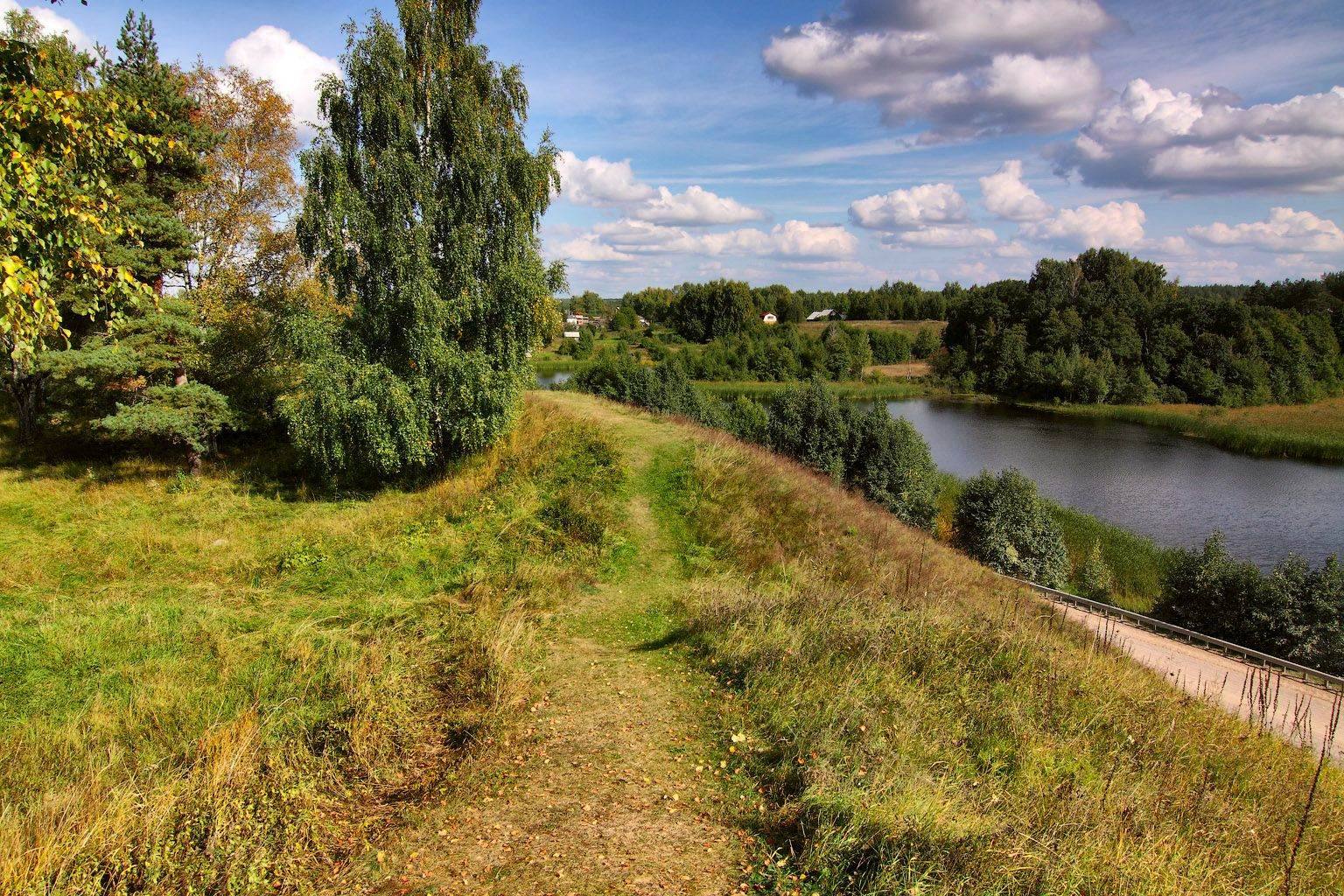
The hillfort occupies an elongated, steep-sided hill near the village of Vel’e. Three lakes surround it, including Lake Vel’e and Black Lake. The summit rises 13 metres above the water and covers about two hectares. To reduce the risk of landslides, the fortress walls were set back five metres from the hill’s edge.
Walls and ramparts
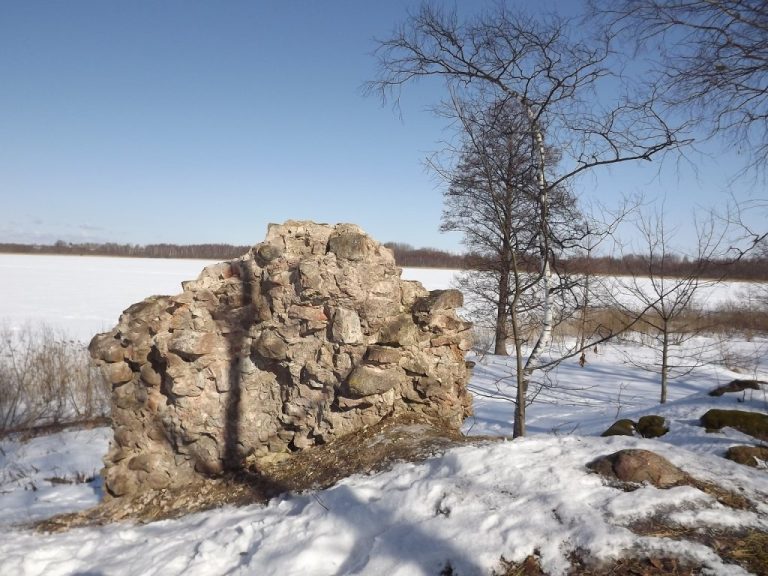
Stone walls defended the northeastern side, while an earthen rampart carrying a wooden wall protected the southwest. The stone walls were 3.5 to 4.5 metres thick and six to eight metres high; surviving sections reach 1.8 metres. Their foundations were made of boulders, and their outer faces used flat stones bonded with lime mortar. The wall interiors were packed with broken flagstone, sand, and lime mortar. The ramparts consisted chiefly of sand, with soil added only in the upper layer. This mix of timber, earth, and stone was described as unique among Pskov fortresses.
Towers and entrances
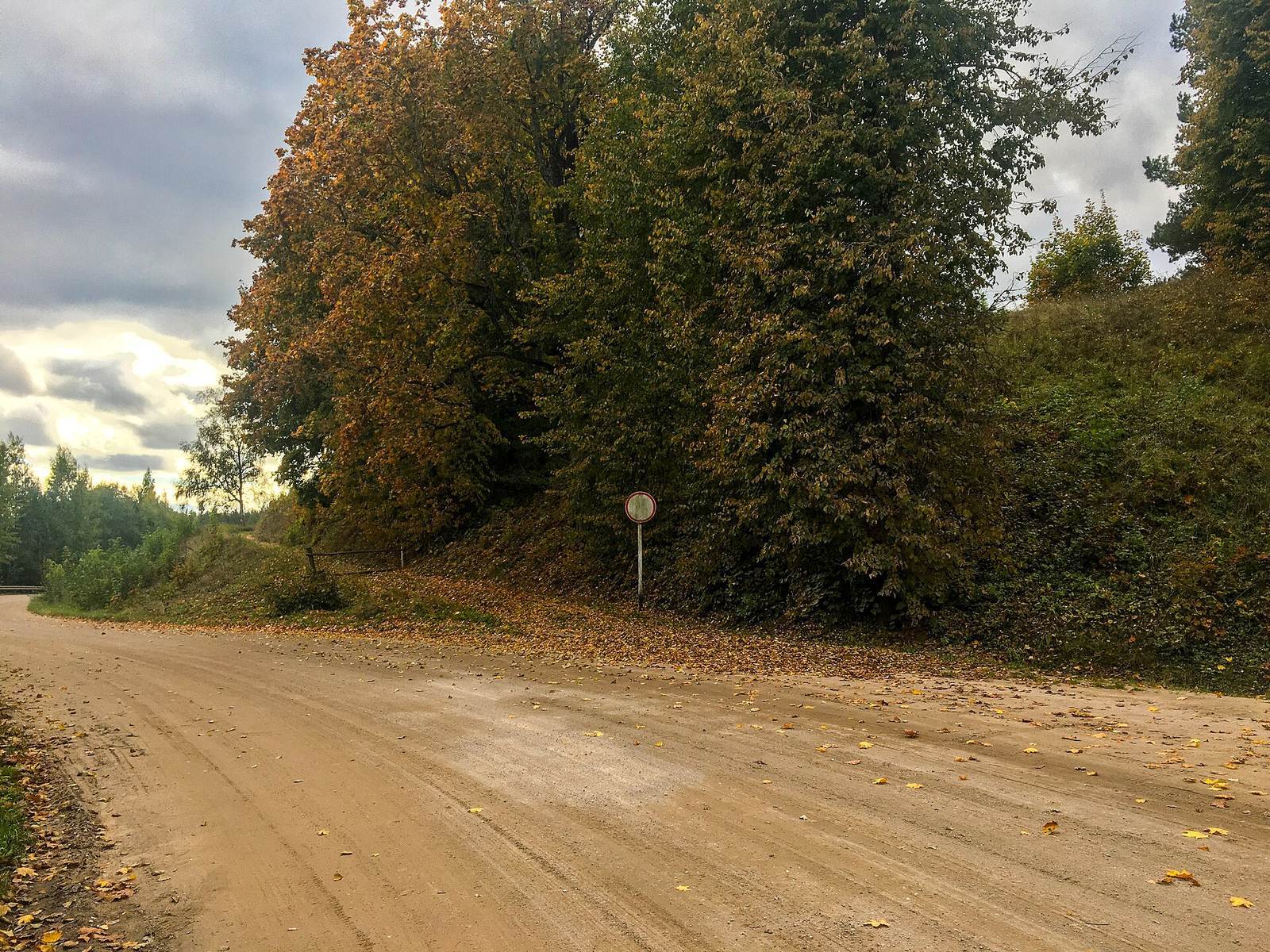
Three towers, each reached by a road, formed part of the defenses. Two served as gate towers. The first stood at the northeastern end and guarded the main entrance, approached by a road running along the north wall. The second was 70 metres southwest of the first. The third stood at a bend in the southeastern wall and lacked an inward-facing fourth wall. Researchers Anatoly Kirpichnikov and Alexander Artemyev considered the entrance through this tower a later arrangement, made after Vel’e was destroyed.