Vojković Palace: A Late Baroque Residence in Zagreb
Site at a Glance
- Popularity
- Medium
- Country
- Croatia
- Primary era
- Early Modern
- Eras represented
- Early Modern
- Civilizations
- Habsburg
- Site type
- Domestic
- Remains
- Elite Residence
On this page6 sections
History
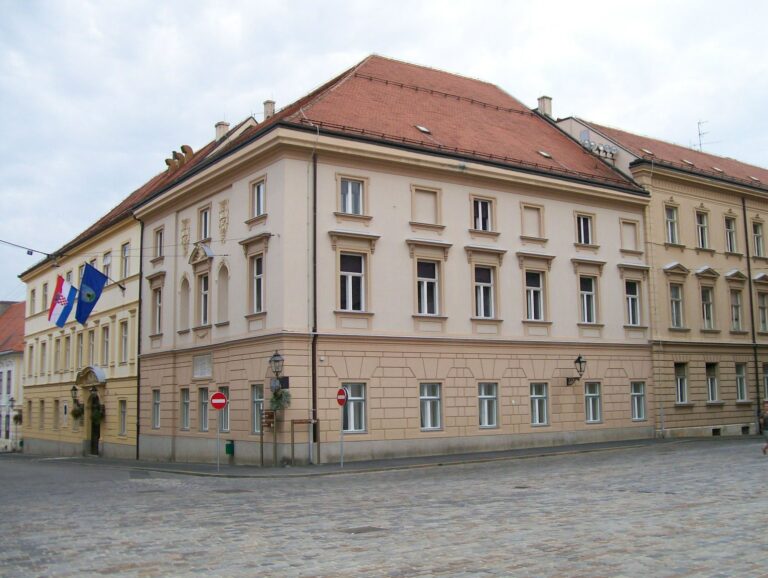
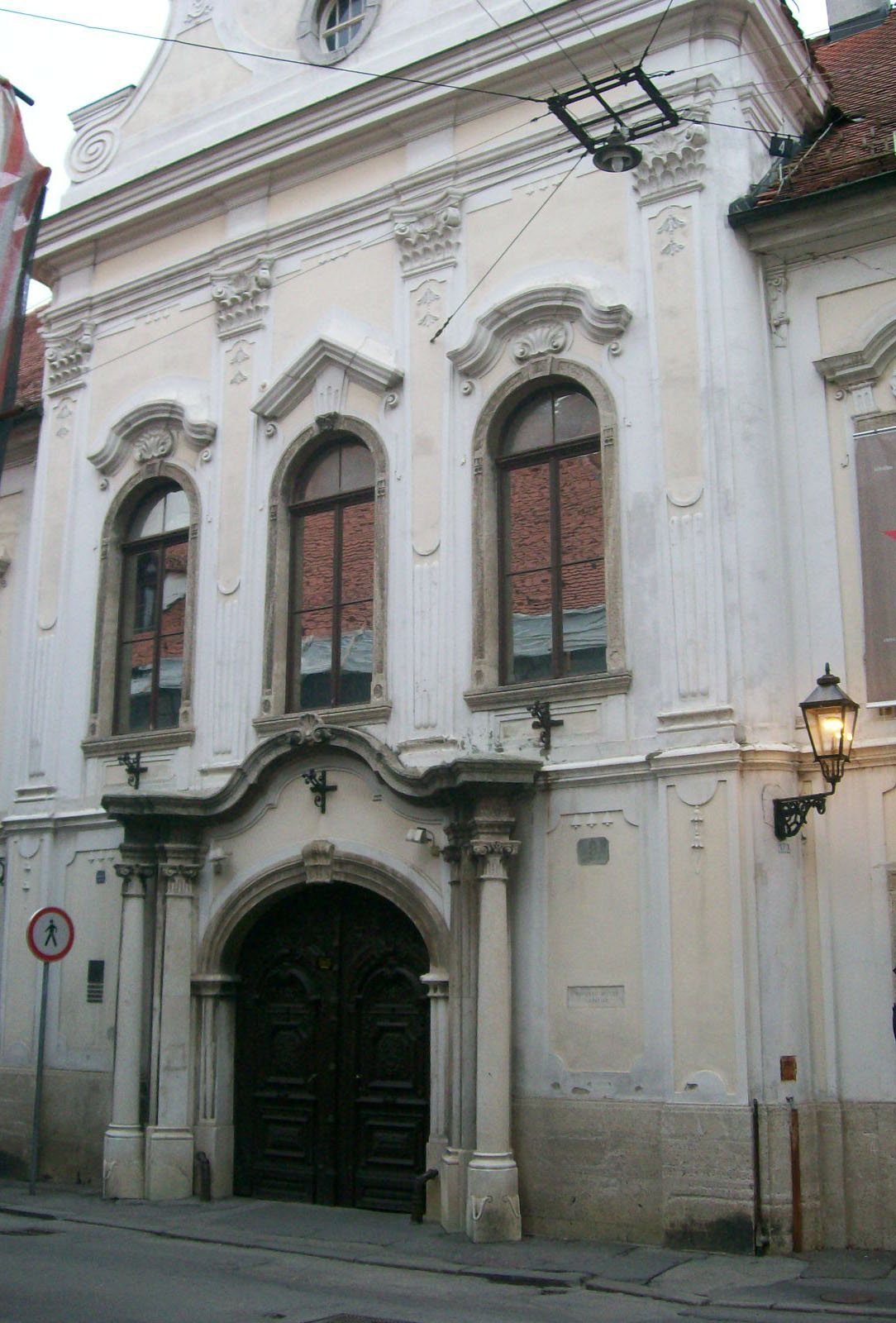
Vojković Palace, also known as the Vojković-Oršić-Rauch Palace, is a residence in Zagreb’s Upper Town, Croatia, built in 1764 in the Late Baroque period, a later phase of Baroque architecture. Its builder, the nobleman Sigismund Vojković, was a cavalry lieutenant colonel in the Banska Krajina, a sector of the Habsburg Military Frontier, the monarchy’s frontier-defense system. He envisioned a grand house that would adorn the city and foster civic pride.
Construction and civic ambition
Before construction, the site held two houses, one belonging to a surgeon and the other to the nobleman Ilijašić. Both were sold to Vojković. To supply the project, he commissioned a municipal brickworks in what is now Trešnjevka and undertook to buy from the city the wood needed to make bricks.
Changing ownership and public use
In 1787, the palace hosted theatrical performances and dances and served as a gathering place for Zagreb’s nobility and high society. The cost of maintaining it led Vojković to sell it to Adam Oršić in 1806. Ownership later passed to Ferdinand Kulmer and then Levin Rauch. The city subsequently acquired the palace for the mayor’s office. In 1959, it was transferred to the Croatian History Museum, a museum devoted to Croatia’s history, which it houses today.
Remains
Plan and exterior
The palace is a two-storey building arranged in three wings, with influences from the Viennese and Styrian regional Baroque traditions. Its construction used many hundreds of thousands of bricks. A raised section of the facade, known as a risalit, projects above the roof’s highest point. The exterior has rich decoration and sculptural detailing.
Interior
A monumental staircase connects the main hall with the entrance hall. The room decorations date from the period when Levin Rauch owned the palace.