Villa Vittoria in Florence: A Historic Villa and Exhibition Venue
Site at a Glance
- Popularity
- Medium
- Country
- Italy
- Primary era
- Modern
- Eras represented
- Modern
- Civilizations
- Unclassified
- Site type
- Domestic
- Remains
- Elite Residence
On this page11 sections
History
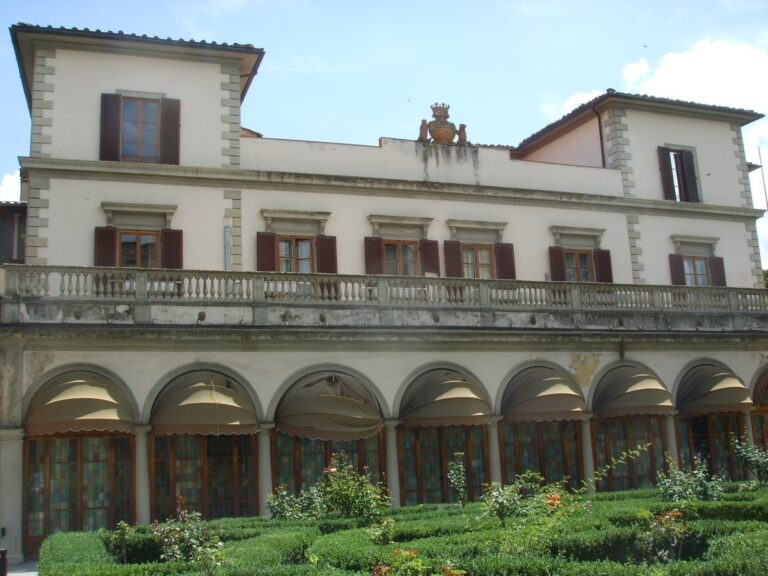
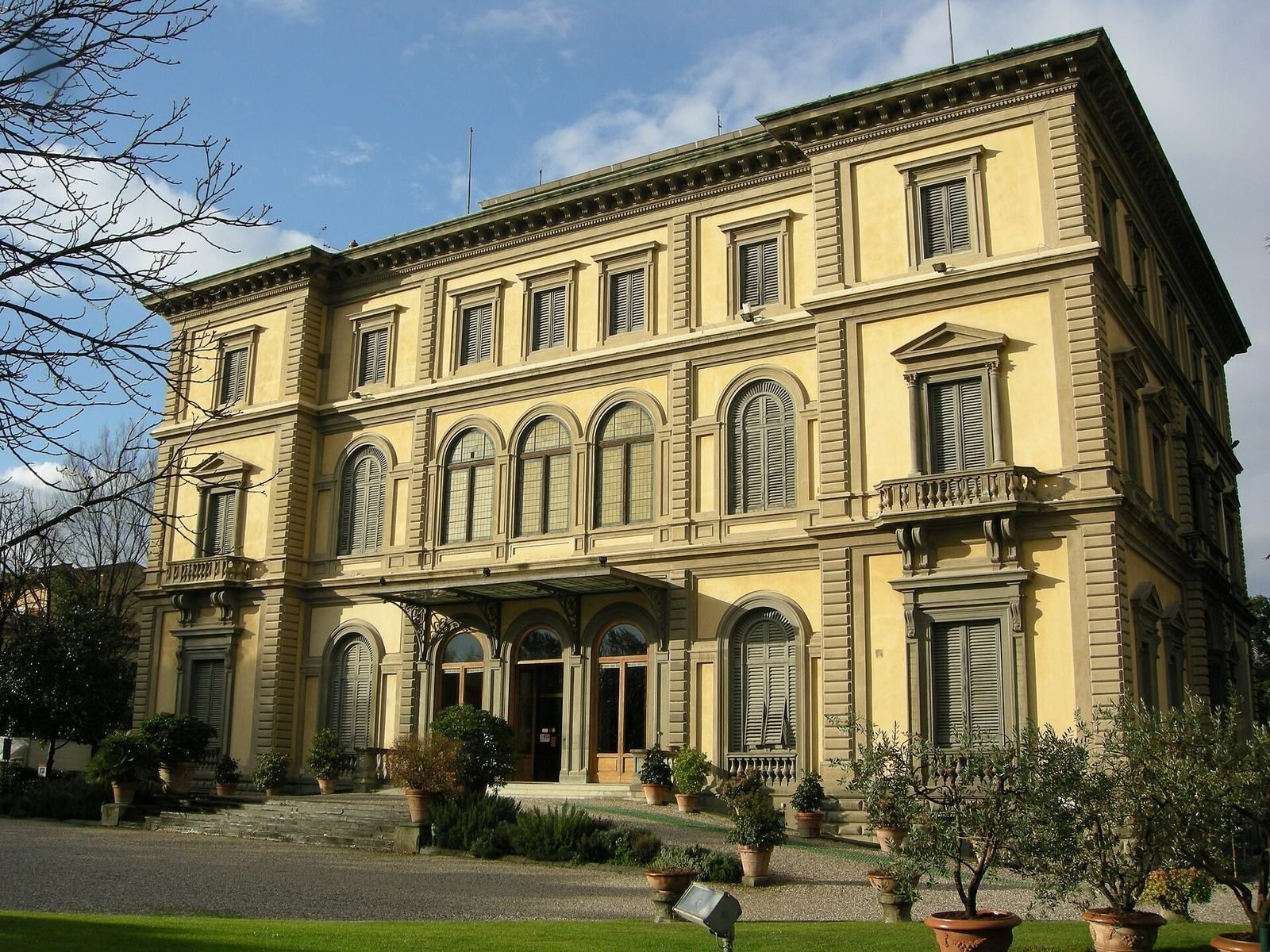
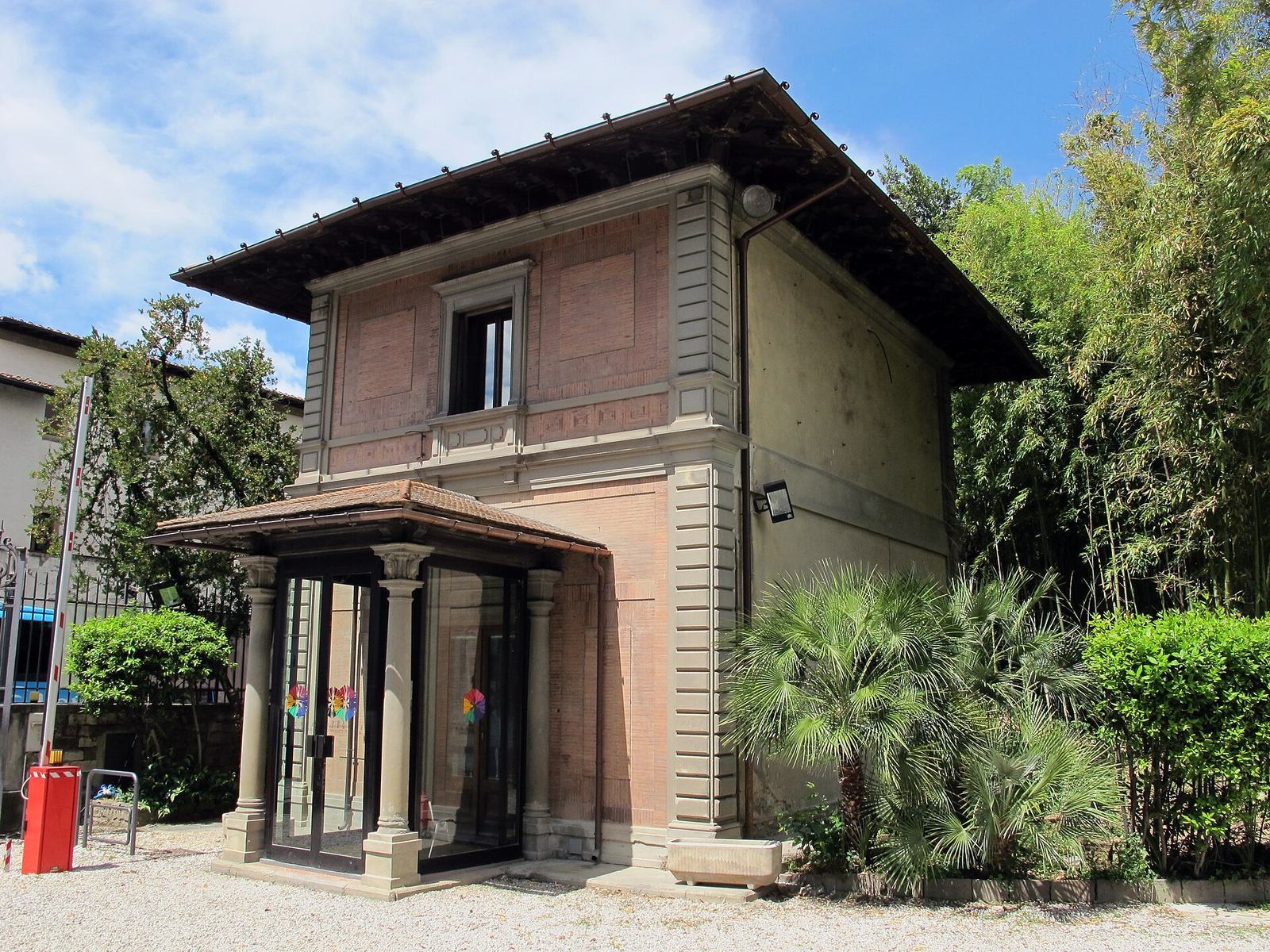
Villa Vittoria in Florence is a nineteenth-century villa in Italy, built by the Strozzi of Mantua and later used as a family residence, an art collection setting, and a conference venue.
Monastery and Strozzi ownership
A monastery dedicated to Saint Anthony of Vienne occupied the site from 1333. It belonged to the “fire friars,” a name linked to Saint Anthony’s fire, a severe illness associated with ergot poisoning. The friars marked their houses with the Tau, a T-shaped cross. The monastery was suppressed in 1775, and its property was divided into lots and sold.
In the second half of the nineteenth century, the Strozzi of Mantua built a villa on land they owned in Florence. It first became the home of Marquis Carlo Teodoro Strozzi and his wife, Baroness Georgiana Strickland of Boynton, then of their son, Marquis Pio Luigi Strozzi, and his wife, Countess Rita Frenfanelli Cybo. The family also owned Palazzo Strozzi di Mantova in Piazza Duomo.
Strozzi family and renovation
Lavinia Strozzi, the last descendant of the Strozzi of Mantua, was born at the villa in 1923. Two years later, the family had the building renovated.
The Contini Bonacossi collection
Art dealer Alessandro Contini Bonacossi acquired the villa in 1931 and named it Villa Vittoria in honor of his wife, Vittoria. The couple installed their art collection there, and Gio Ponti later adapted the interiors. They hoped to donate the collection to the state or preserve it intact, but their heirs did not carry out those wishes. The villa left the family’s ownership in the mid-1960s, and the collection was dispersed. From 1969, a selection of works went to the Uffizi, while most were sold.
Conference and exhibition use
Florence’s autonomous tourism agency acquired the villa in the mid-1960s and adapted it for conferences and exhibitions. Development of the wider congress-and-exhibition complex continued from 1965 to 1974. The complex remains in use for conferences and exhibitions.
Remains
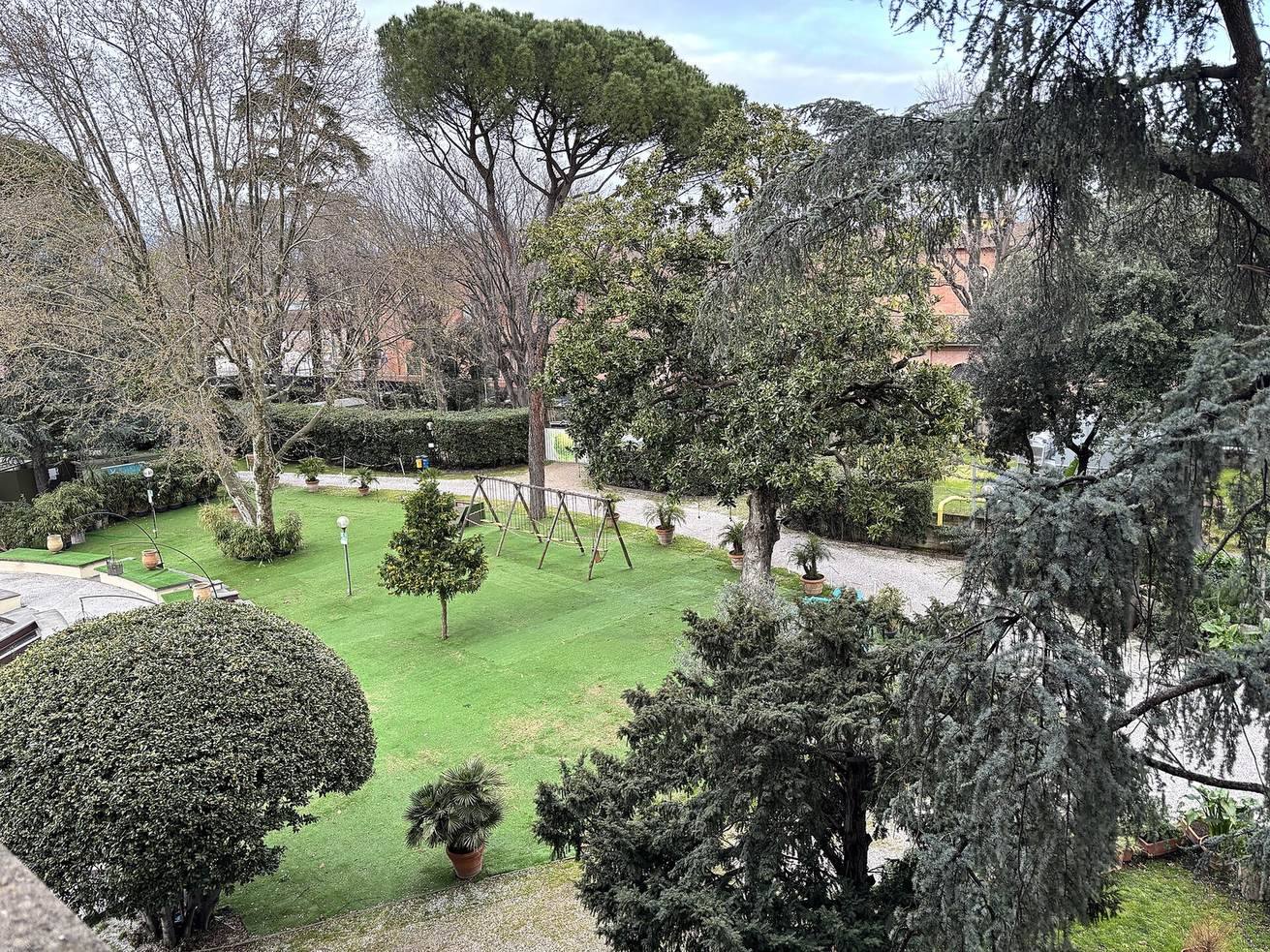
Villa Vittoria is a nineteenth-century building near Santa Maria Novella railway station. The wider complex includes conference and exhibition buildings set at the edge of a park, alongside other features incorporated into the development.
The villa
Exterior decoration
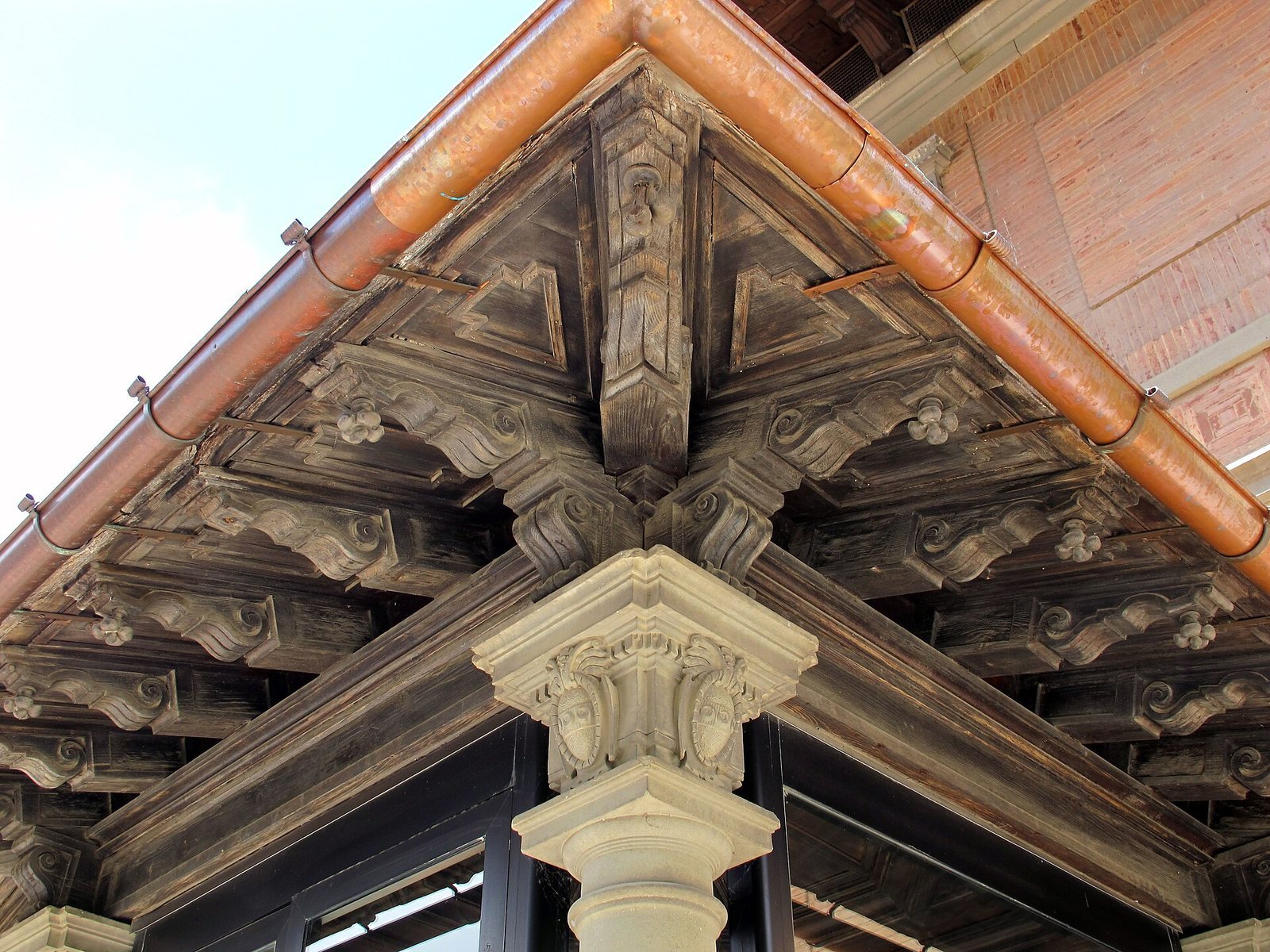
The villa’s wall decorations, glazed windows, and doors bear the coats of arms and mottos of the families who lived there.
Art-display rooms
During the Contini Bonacossis’ ownership, historic artworks were displayed on the ground and first floors according to museum-display principles advocated by art historian Wilhelm von Bode. The collection included Sassetta’s Madonna of the Snow altarpiece, an artwork intended for an altar, formerly in Siena Cathedral; a Bramantino altarpiece showing the Madonna and Child with eight saints, once in the Trivulzio collection in Milan; and a triptych, an artwork made of three panels, by Ugolino di Nerio. Other paintings dated from the thirteenth to the eighteenth centuries and included works by Agnolo Gaddi, Carlo Crivelli, Giuseppe Maria Crespi, and Giovanni Paolo Panini. The collection also featured a small group of sculptures, including Bernini’s marble Martyrdom of Saint Lawrence, along with Renaissance furniture, maiolica, a pottery finished with tin glaze, glassware, and tapestries.
Family quarters
The second floor held the family’s living quarters. Its furnishings included furniture designed by Gio Ponti and paintings by Ottone Rosai, Primo Conti, Filippo de Pisis, Mario Sironi, Arturo Tosi, Carlo Carrà, Alberto Martini, Marino Marini, Giorgio Morandi, and Giovanni Michelucci. A photographic archive was also housed on this floor.
Congress-and-exhibition complex
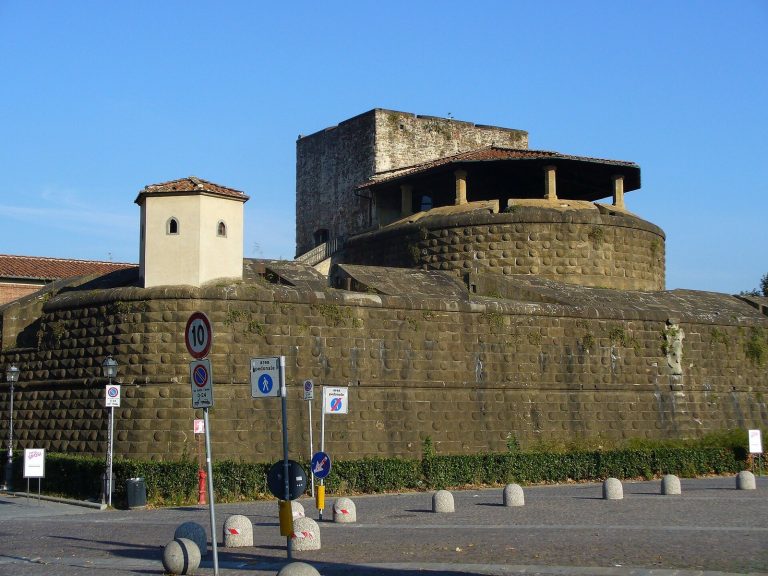
The development includes the Palazzo dei Congressi, a congress hall, and the Palazzo degli Affari, a business and exhibition building, both at the edge of the park. The broader complex also incorporates the Fortezza da Basso, a Renaissance fortress in Florence, and Beslan Children’s Square.