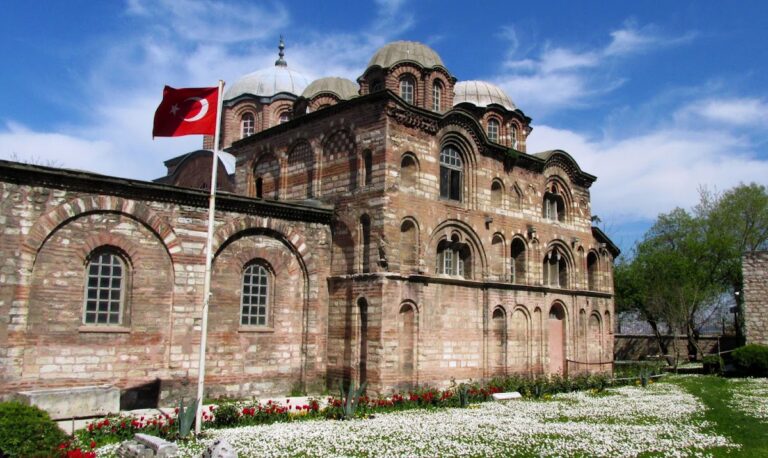
Vasat Atik Ali Pasha Mosque: An Ottoman Mosque in Istanbul
Site at a Glance
- Rating
- 4.7
- Popularity
- Low
- Country
- Turkey
- Primary era
- Early Modern
- Eras represented
- Early Modern
- Civilizations
- Ottoman
- Site type
- Religious
- Remains
- Mosque
On this page7 sections
History
Foundation and Ottoman Patronage
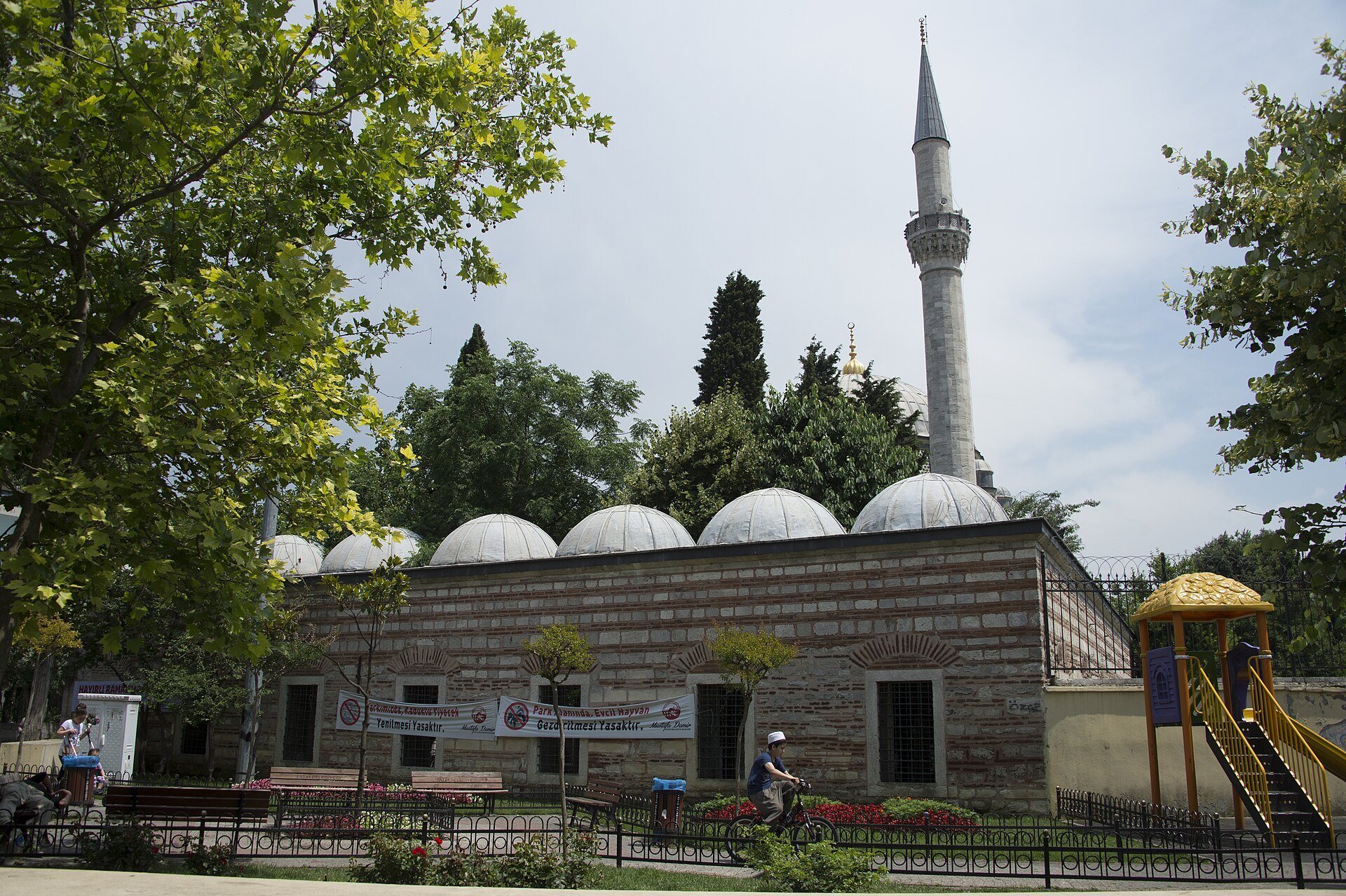
Vasat Atik Ali Pasha Mosque is an Ottoman mosque in Istanbul, Turkey, built in the Ottoman architectural style. Hadım Atik Ali Pasha, the grand vizier, or chief minister, of Sultan Bayezid II, ordered its construction in 1502. Bayezid II ruled the Ottoman Empire from 1481 to 1512, when Istanbul was the centre of the imperial state.
The mosque was completed in 1512, one year after Hadım Atik Ali Pasha’s death. The epithet Hadım, meaning “eunuch” in Turkish, forms part of the patron’s name. The building is also known as Zincirlikuyu Mosque and Karagümrük Mosque. Its long-standing Zincirlikuyu name came from a nearby well called Zincirlikuyu, a name derived from Turkish words meaning “chained” and “well.”
Damage and Restoration
An earthquake in June 1648 caused the mosque’s minaret to collapse. The structure was later repaired, and further restoration work on the minaret took place from 2013 to 2014. Photographs from 2015 show that this restoration had been completed.
Remains
Architectural Form and Surroundings
Six-Domed Mosque
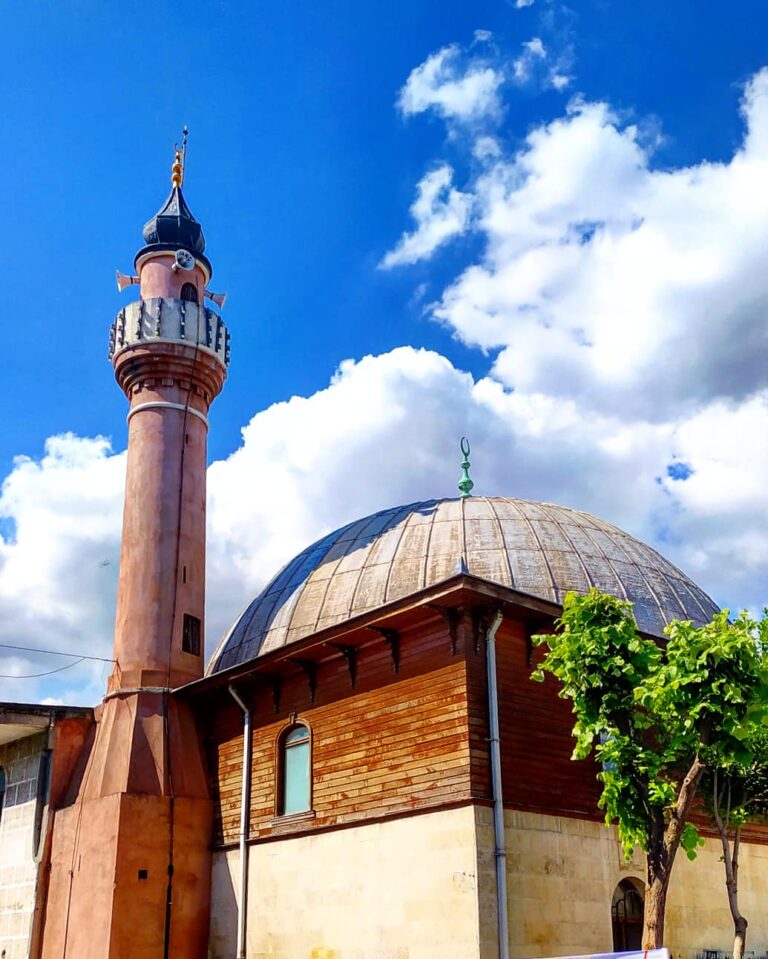
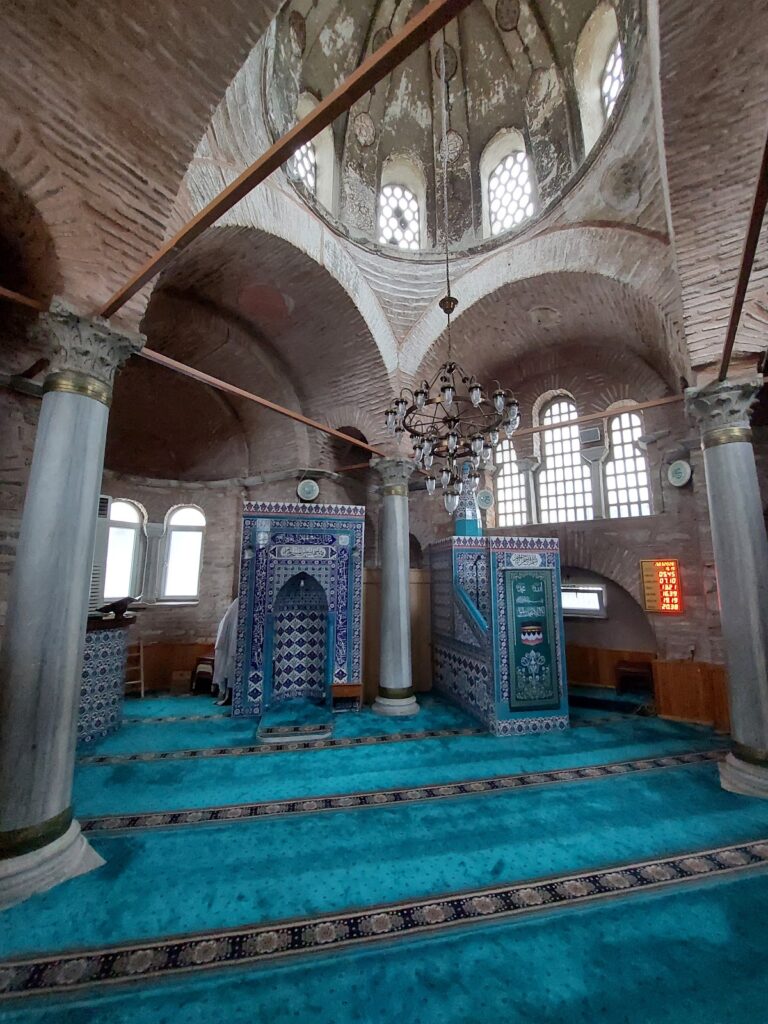
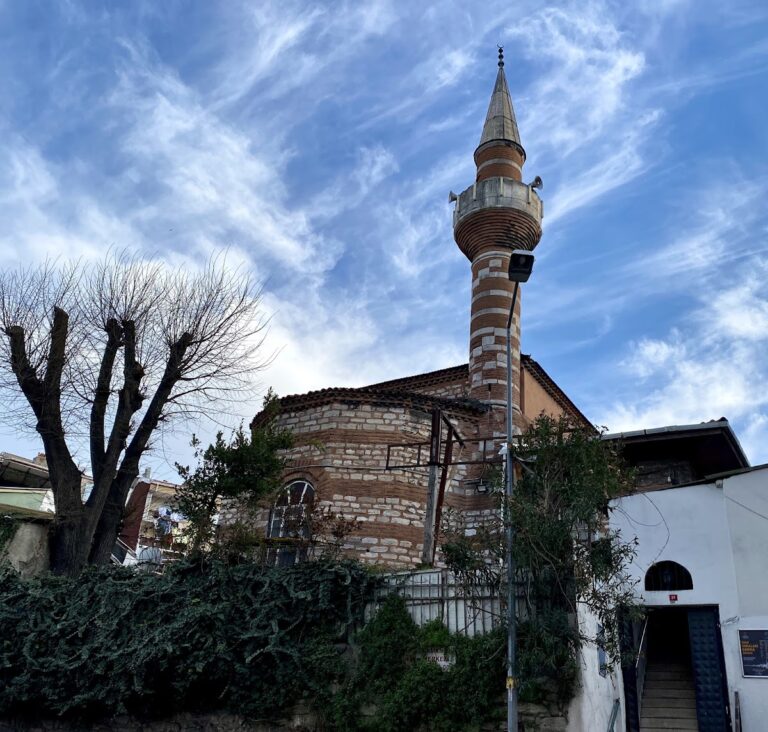
The mosque stands on Fevzipaşa Street in the Karagümrük neighbourhood of Istanbul’s Fatih district. Its Ottoman design includes six domes and one minaret. It is identified as one of only two multi-domed mosques in Istanbul, the other being Piyale Pasha Mosque, which also has six domes.
Minaret and Former Well Area
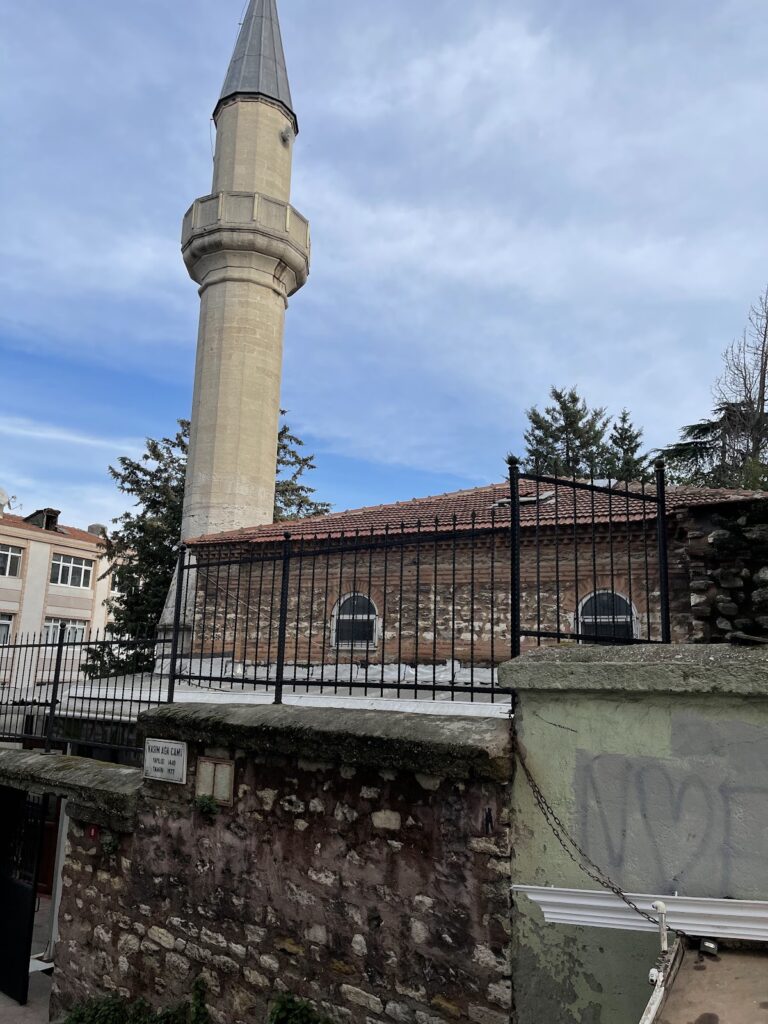
The minaret survives after the collapse caused by the 1648 earthquake and the restoration carried out between 2013 and 2014. The mosque formerly stood beside the Zincirlikuyu well. After a water-supply line was connected to the mosque, the well was closed. Its former area remained vacant for a long period and is now used as a garden.