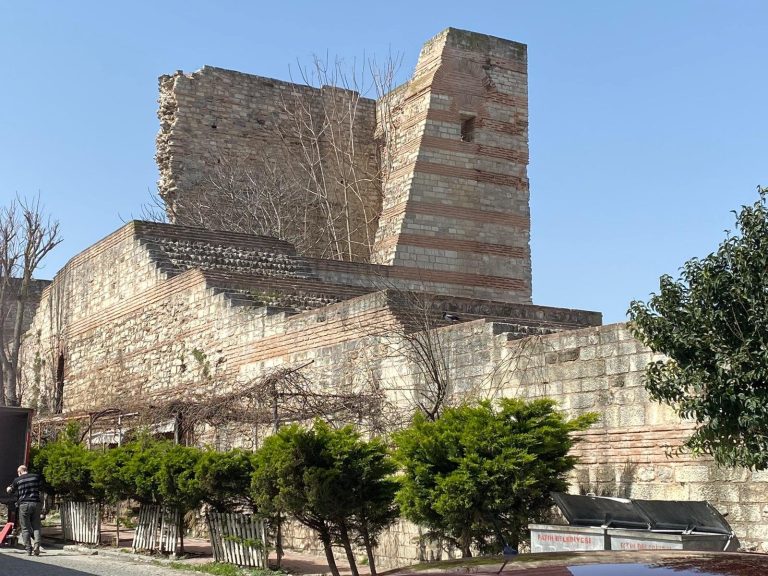
Kasım Ağa Mosque, Istanbul: An Ottoman Mosque in a Byzantine Building


Site at a Glance
- Rating
- 3.9
- Popularity
- Very Low
- Country
- Turkey
- Primary era
- Early Modern
- Eras represented
- Medieval, Early Modern
- Civilizations
- Byzantine, Ottoman
- Site type
- Religious
- Remains
- Mosque
On this page7 sections
History
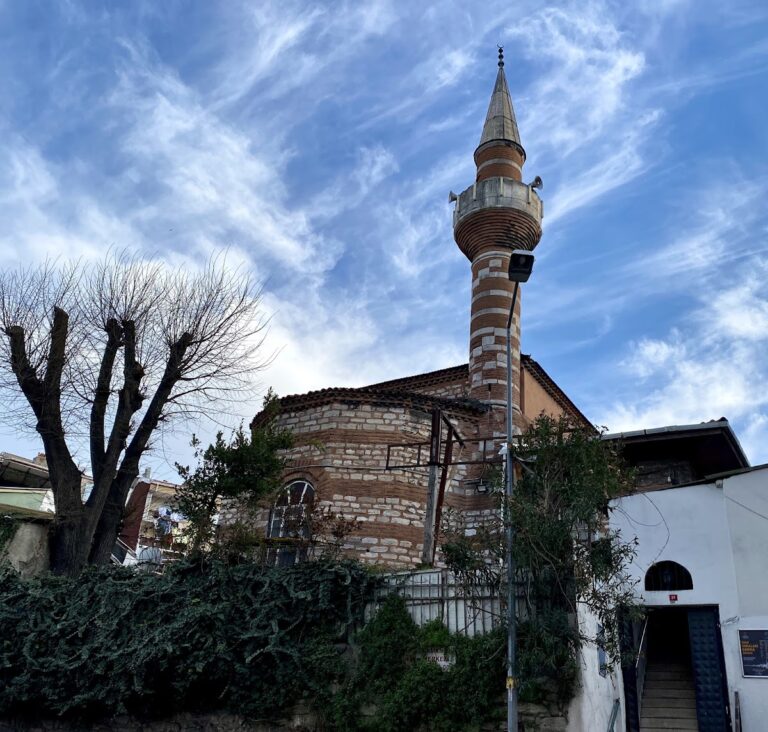
Kasım Ağa Mosque is an Ottoman mosque in Turkey, created in 1506 through the conversion of an earlier Byzantine building in Istanbul’s Fatih district. Also called Kasım Ağa Mescidi and Kâsım Bey Mescidi, it was established during the reign of Sultan Bayezid II, who ruled from 1481 to 1512. The original date, function, and dedication of the Byzantine structure remain unknown.
Byzantine Origins
The earlier building probably formed part of a Byzantine monastic complex. Its principal church may have been the structure later known under Ottoman rule as the Odalar Mosque, although the dedication of that church is also uncertain. The small size and form of the surviving Byzantine structure make its identification as a church difficult, and it may instead have been an annex belonging to the monastery.
By the Fall of Constantinople in 1453, the Byzantine building already stood in ruins. After the Ottoman conquest, a predominantly Christian population settled in the surrounding neighborhood, while the ruined structure remained part of the local landscape.
Ottoman Foundation and Later Damage
In 1506, a pious foundation endowed by Kasım Bey bin Abdullah established a small mosque on the ruins. Kasım Bey may at that time have held the office of Sekbanbaşı, a senior Ottoman military position associated with command of the Janissaries. The foundation also endowed nearby shops and plots of land, including the Byzantine cistern known as Ipek Bodrum.
The mosque suffered severe damage in the 1894 Istanbul earthquake and in the Salmatomruk fire of 2 July 1919. Only the perimeter walls and the base of the minaret remained standing afterward. The building was abandoned in the mid-twentieth century and used as a shanty structure before its complete restoration in the 1970s. It is now open for worship.
Remains
Kasım Ağa Mosque occupies a small, roughly square building on the summit of Constantinople’s sixth hill. It stands on a plateau bounded by the open-air Cistern of Aetius, now used as a football field, and the unidentified Byzantine structure known in the Ottoman period as Bogdan Saray. The mosque lies between Koza Sokak and Kasim Odalar Sokak, in a tree-filled garden surrounded by modern apartment blocks.
Mosque Structure
The mosque has a square plan oriented from northeast to southwest and includes a single minaret. Its foundations and surviving walls combine brick with ashlar, masonry made from regularly shaped, carefully dressed stone blocks. Brickwork analysis during the restoration revealed several construction phases. The atrium and the wall containing the mihrab, the prayer niche indicating the direction of Mecca, were rebuilt when the structure became a mosque in 1506. A massive minaret was also erected on the northeast side.
Byzantine Building
The earlier Byzantine structure was also approximately square. It consisted of a single nave preceded by an atrium on the northeast, with a projecting room on the east side. These elements survive as part of the building’s complex architectural history, although the structure’s original dedication and precise function have not been established.
Ipek Bodrum Cistern
Ipek Bodrum is a surviving Byzantine cistern associated with the mosque’s Ottoman endowment. Its spacious interior was later used as a silk-throwing workshop. The cistern supplied water to the Byzantine complex and remained connected to the mosque’s history through the foundation established in 1506.