Valeč Castle in Třebíč District: A Czech Castle Rebuilt in Renaissance and Baroque Styles
Site at a Glance
- Popularity
- Medium
- Country
- Czechia
- Primary era
- Early Modern
- Eras represented
- Medieval, Early Modern
- Civilizations
- Habsburg, Holy Roman Empire, Margraviate of Moravia
- Site type
- Domestic
- Remains
- Castle
On this page10 sections
History
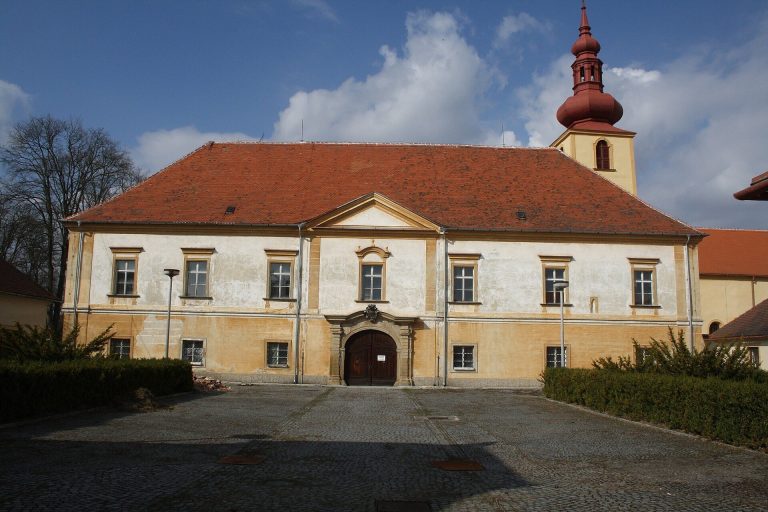
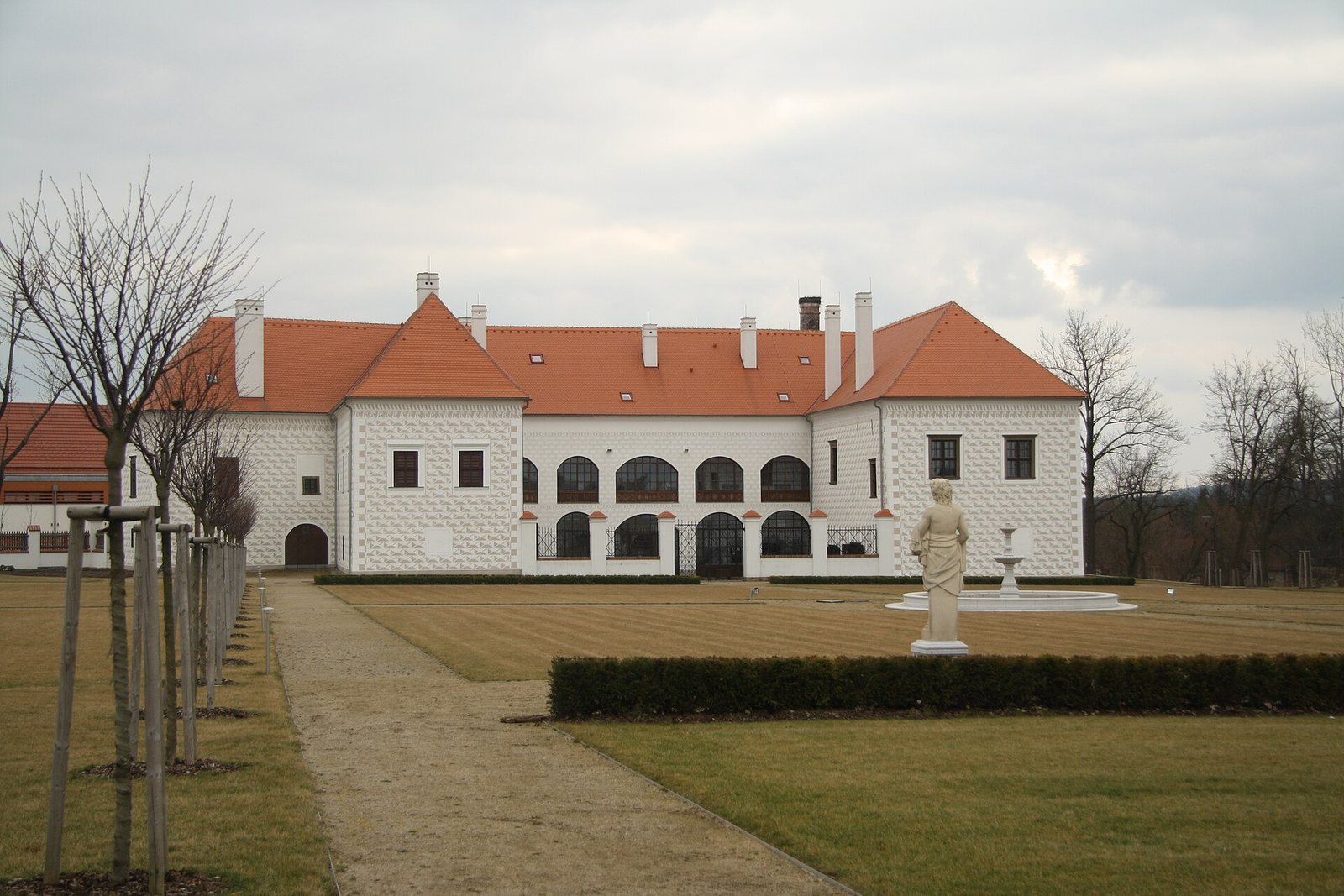
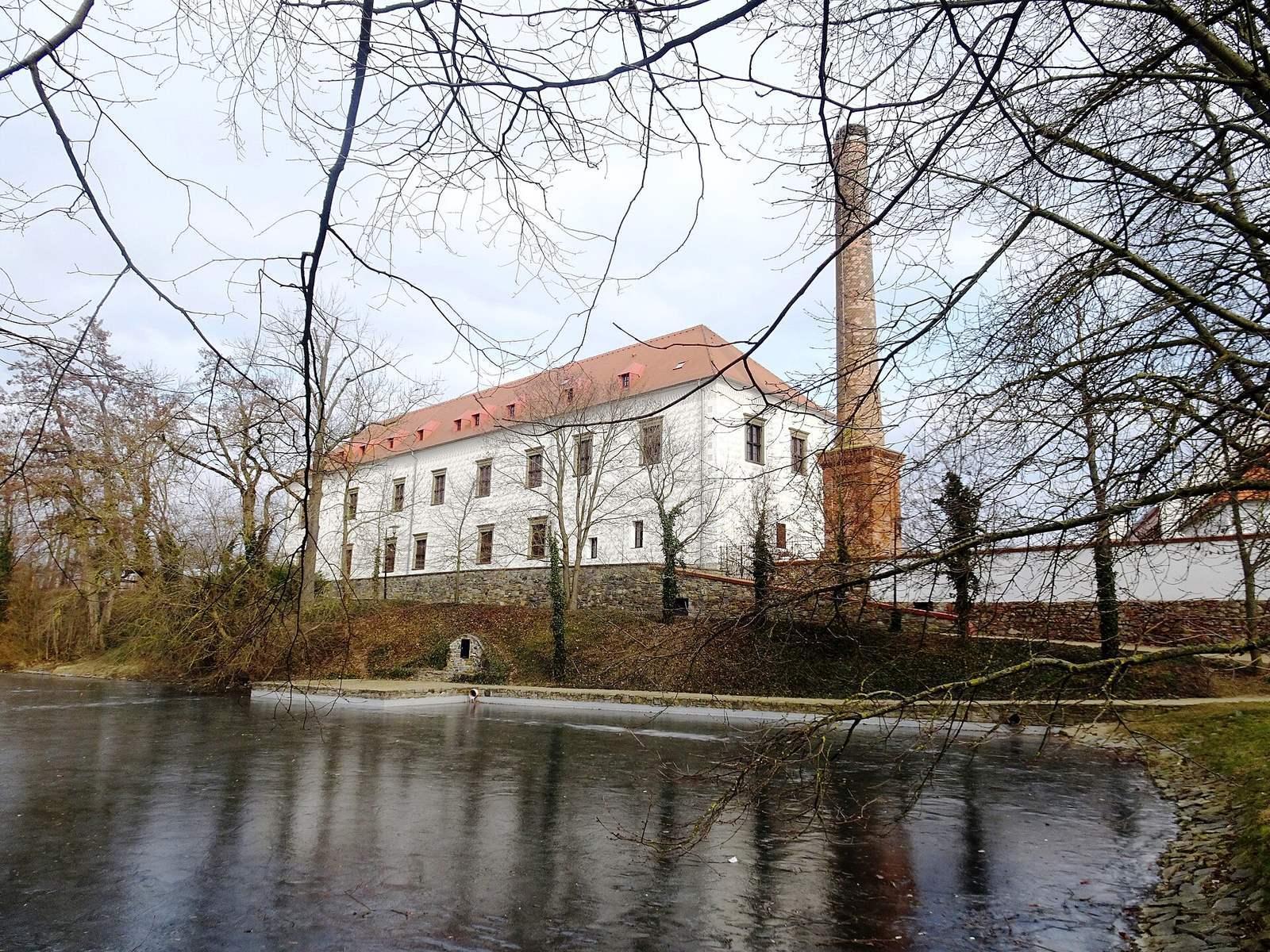
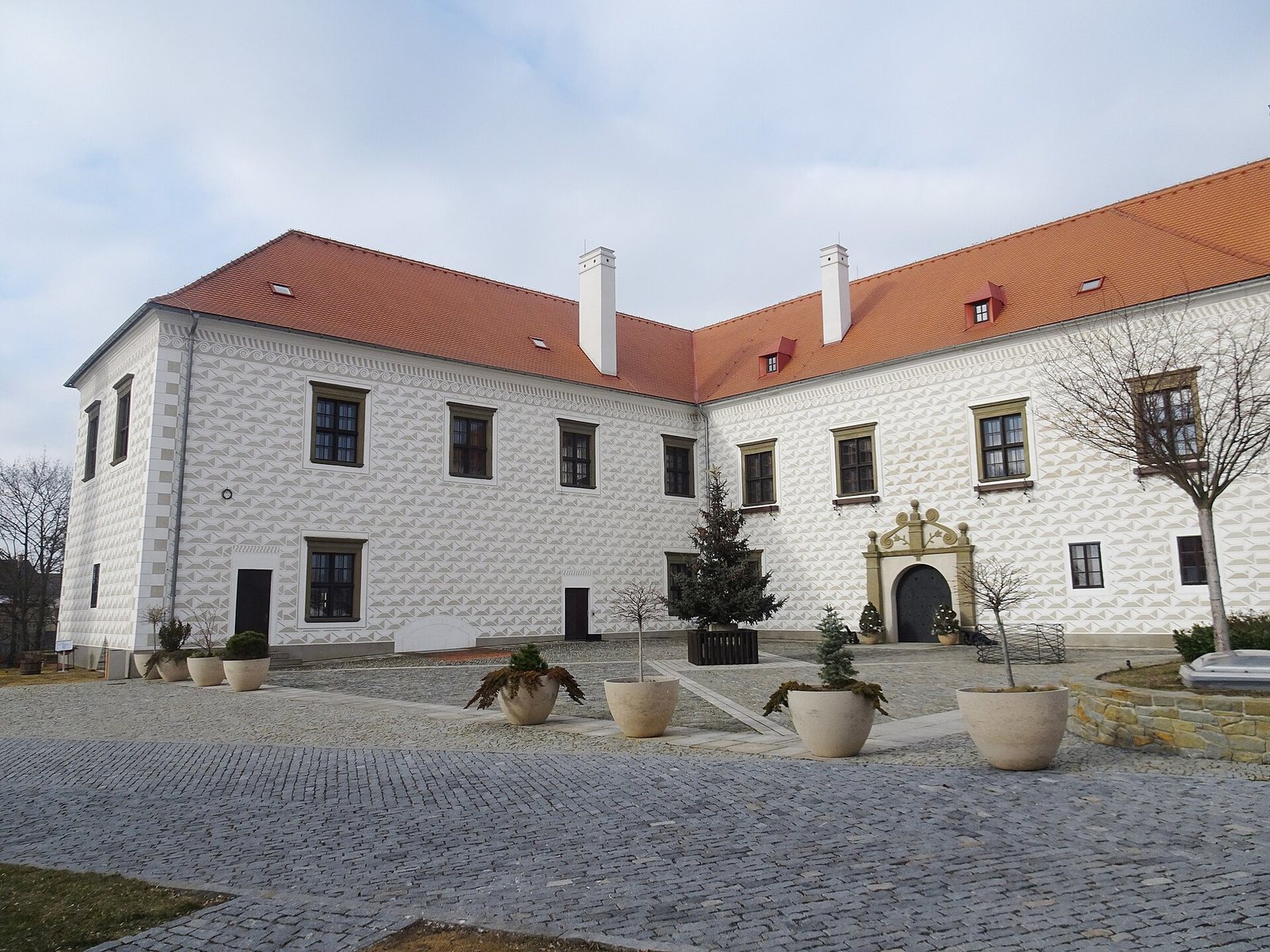
Valeč Castle in Třebíč District, Czechia, stands at the edge of Valeč and developed from a fortress built in the early fifteenth century. The fortress was rebuilt in 1534 in Renaissance style, which drew on classical forms, and again in 1712 in Baroque style, known for dramatic, elaborate compositions.
Early fortress and changing ownership
The new fortress stood near an older one and was first recorded in 1406. That year, Jobst of Moravia, a margrave, or ruler of a frontier territory, released the fortress and village from feudal tenure. Jan Hovorka of Hartvíkovice was named as its owner.
Valeč, along with Krahulov, Zárubice, and Radonín, later passed to Mikuláš of Mochov. In 1437 he sold the properties to Ješek, Mikuláš, and Vaňek of Nárameč. Jan of Kunštát acquired the fortress in 1480 from Zikmund and Václav Ráječtí of Mírov. Vilém II of Pernštejn owned it by 1520, and in 1529 Jan IV of Pernštejn sold it to Smil Osovský of Doubravice.
Renaissance and Baroque rebuilding
Smil had the fortress rebuilt as a Renaissance castle in 1534. Ownership passed to Bartoloměj Vanecký of Jemnička in 1567 and, in the early seventeenth century, to the Lords of Náchod. They commissioned a Baroque rebuilding in 1712.
Later uses and reconstruction
Ownership changed repeatedly from the 1660s until 1945. The Hess family held the castle from 1785, although its members were based at nearby Dalešice Castle. Distillery officials and employees used Valeč. After 1945, an agricultural cooperative turned the castle to storage for vegetables and stabling. Reconstruction work undertaken between 1973 and 1989 was left unfinished.
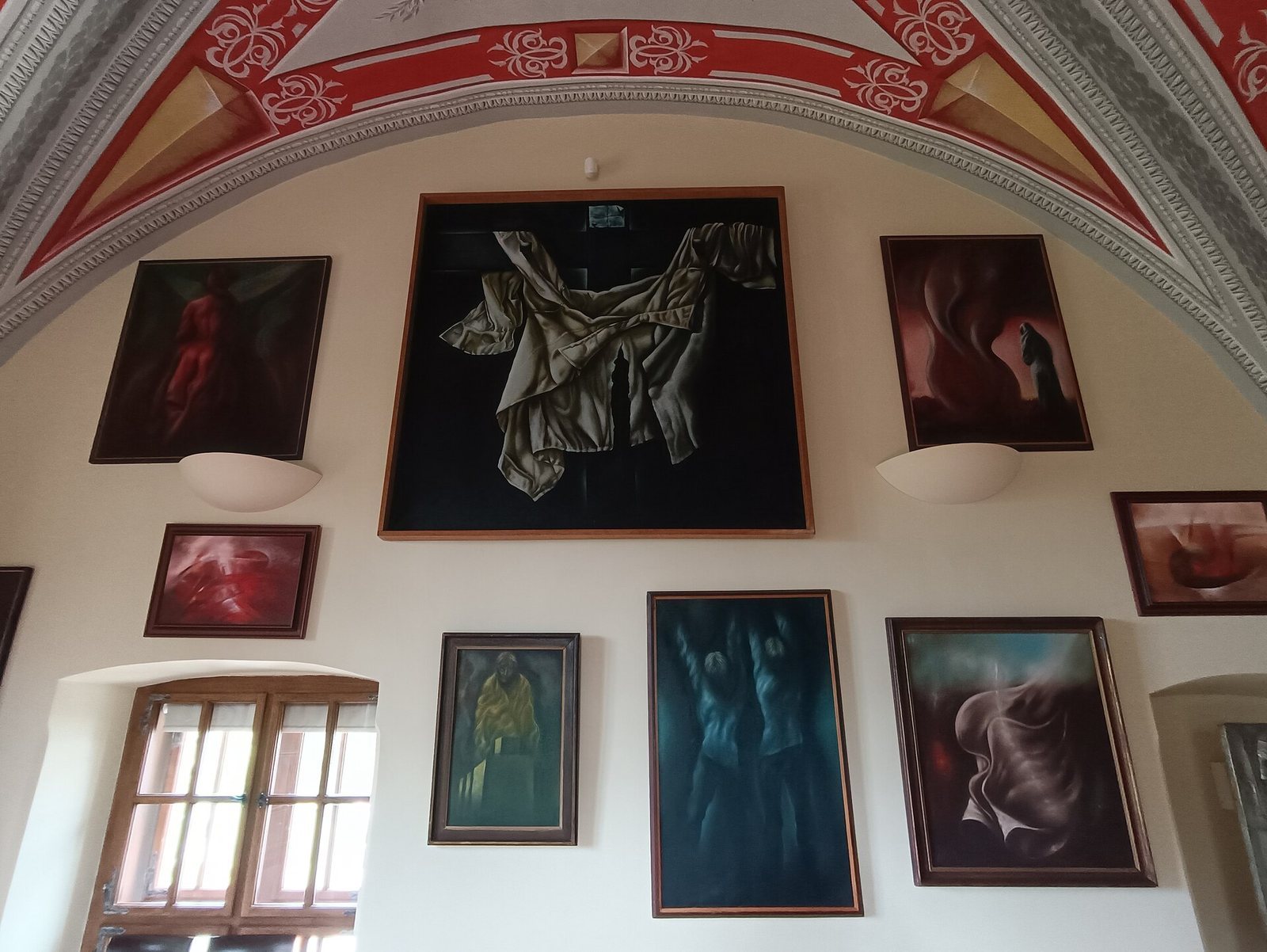
Bronislav Vala became the owner in late 2008 and undertook a major reconstruction, converting the castle into a wellness hotel. The castle also houses exhibitions, including a permanent display of paintings by Oldřich Eichler that opened in 2019 and a typewriter exhibition drawn from Eduard Hošek’s collection, opened in 2024.
Remains
The castle and grounds
Layout and interior spaces
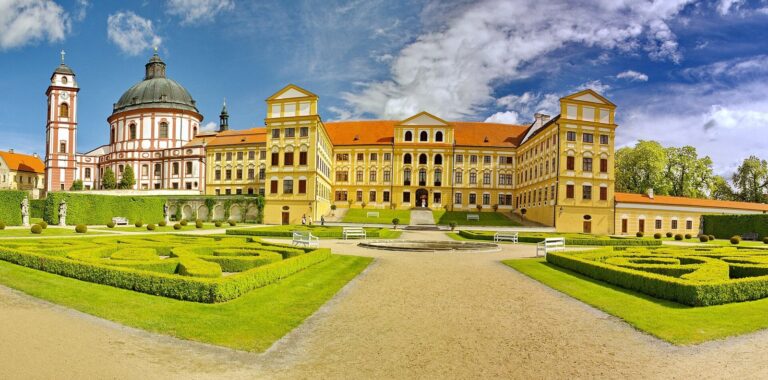
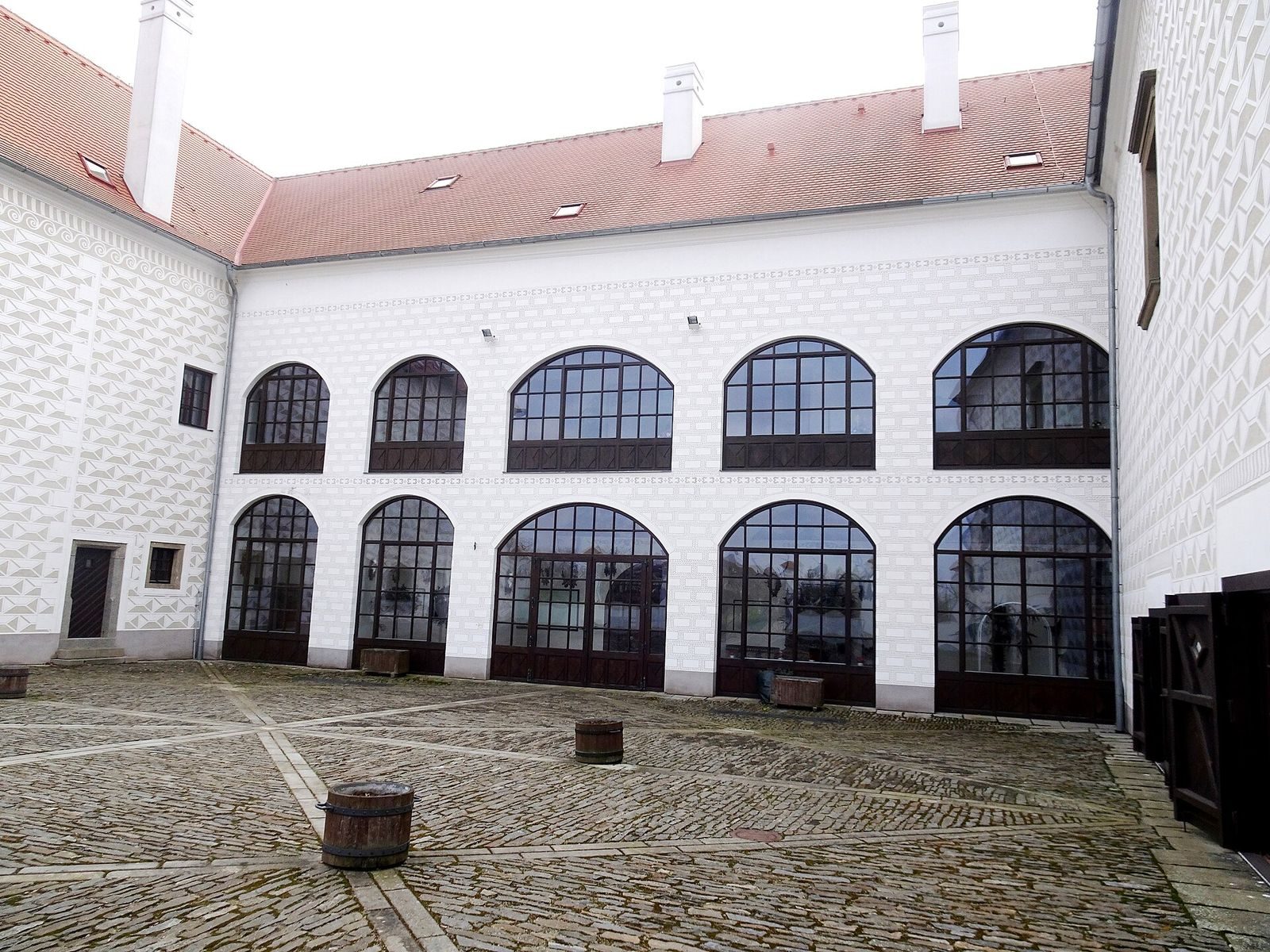
The stone castle stands at the edge of Valeč, near Dalešice, with a park associated with it. Its surviving spaces include a courtyard, the hall known as the Historical Hall, and four historic apartments.
Door surround and heraldry
On the first floor, an original door surround bears the date 1534 and two coats of arms. One displays a wrapped arrow, the emblem of the Osovský family of Doubravice. The other shows crossed trunks with projecting branch stubs, associated with the Bítovský lords of Lichtenburg.
Collections and mottoes
The castle holds a permanent exhibition of 97 paintings by the painter Oldřich Eichler, as well as an exhibition of typewriters from collector Eduard Hošek’s collection and a doll collection. Two Latin mottoes are associated with the castle: one says that a person who fears thorns will not gather a rose; the other wishes for goodness, happiness, and good fortune.
Site of the older fortress
The earlier fortress stood near the castle. It has vanished, and a rectory now occupies its former site.