Ustnedumsky Monastery: An Orthodox Monastic Foundation in Russia
Site at a Glance
- Popularity
- Low
- Country
- Russia
- Primary era
- Early Modern
- Eras represented
- Early Modern
- Civilizations
- Russian
- Site type
- Religious
- Remains
- Monastery
On this page4 sections
History
Foundation and early years
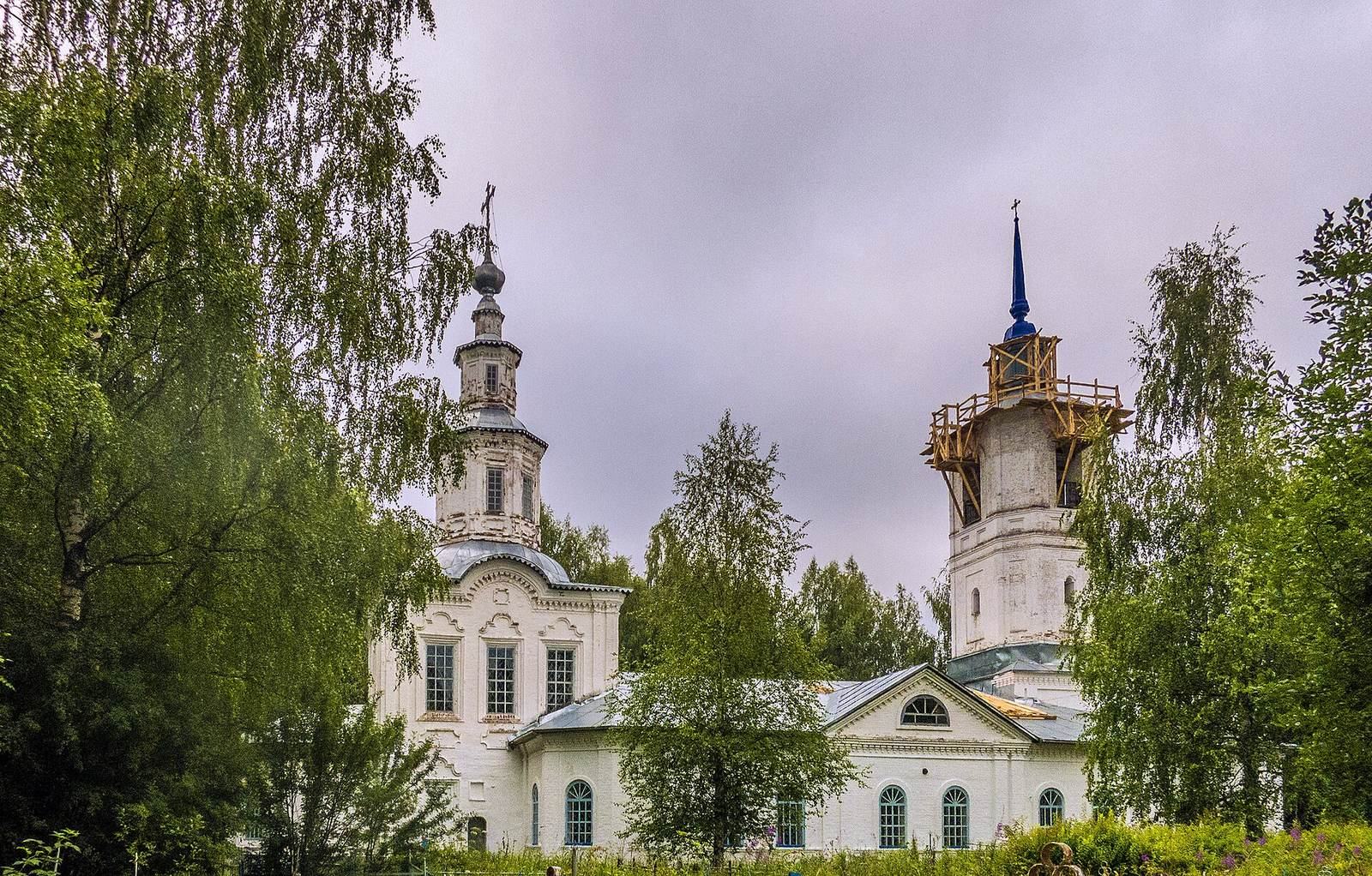
Ustnedumsky Monastery was an Orthodox men’s monastery founded in 1608 by Leonid Ustnedumsky near the Luza River, close to the town of Luza in present-day Kirov Oblast, Russia. Leonid, honored as Venerable for his monastic life, established it within the Vyatka Diocese, a church district under a bishop. The monastery is associated with Ustyug Baroque, a regional form of Russian Baroque architecture.
Its foundation tradition tells of a peasant from Poshekhonye who, at about fifty, received a vision directing him to build a monastery on Turin Hill and bring an icon of the Mother of God from Morzhevskaya Hermitage, a secluded monastic community. At first he doubted the vision. He became a monk at Kozheozersky Monastery under the name Leonid, then went to Solovetsky Monastery. When the vision came again, he travelled to Morzhevskaya Hermitage. A year later, he told its abbot, Cornelius, who gave him the icon and blessed the new foundation.
Leonid lived as a monk on Turin Hill for a time, but local residents drove him away. He then settled in wetlands near the Luza and dug three channels to drain them. The last was called Neduma, a name that gave the monastery its own name. Leonid led the community until his death on July 17, 1654, at the age of 105.
Suppression and later status
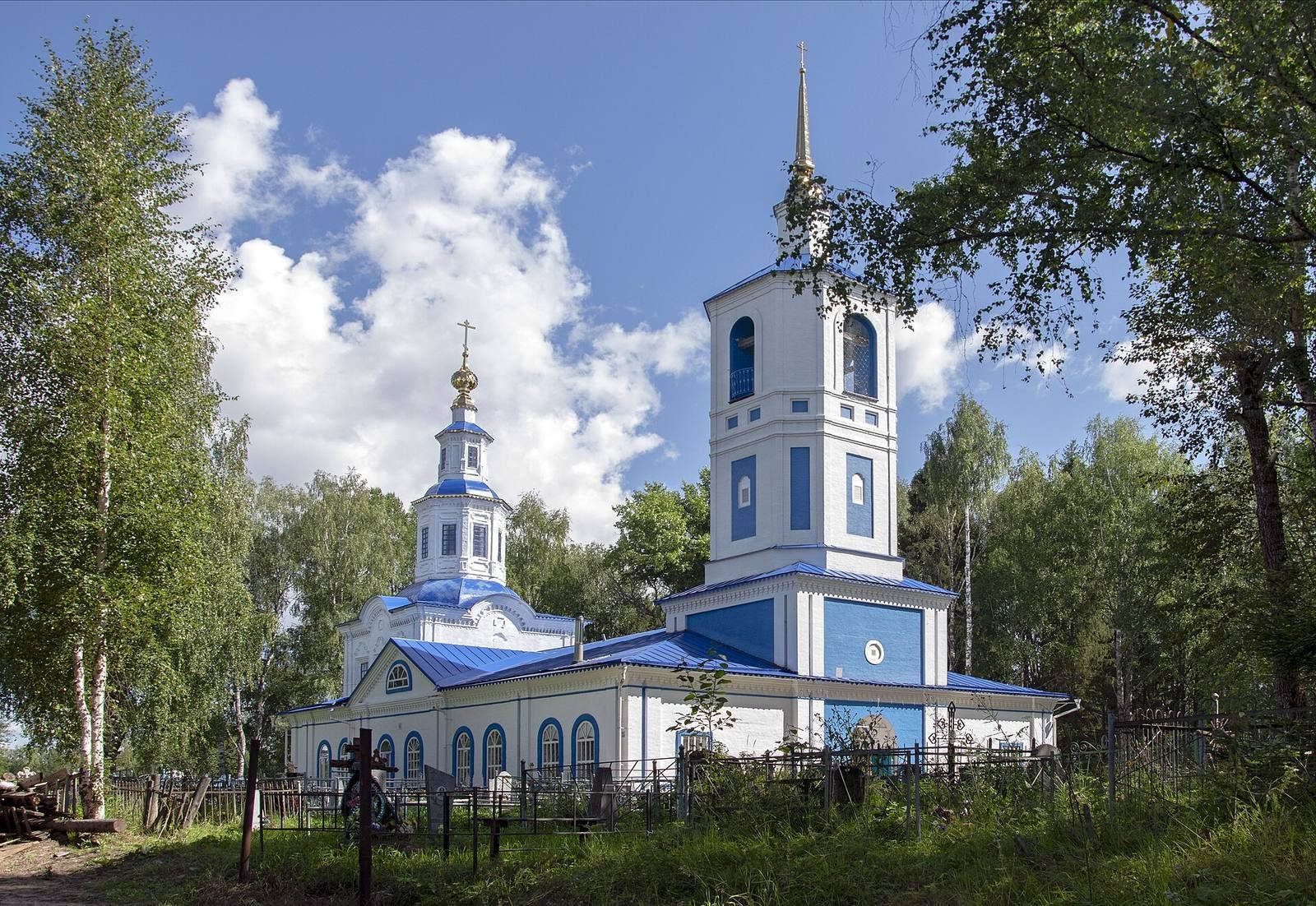
Russia’s 1764 secularization reform reorganized monastic institutions and placed church property under state control. The reform suppressed Ustnedumsky Monastery, while its Church of the Mother of God continued in use as a parish church. The church is now designated a federal-level cultural heritage site in Russia.
Remains
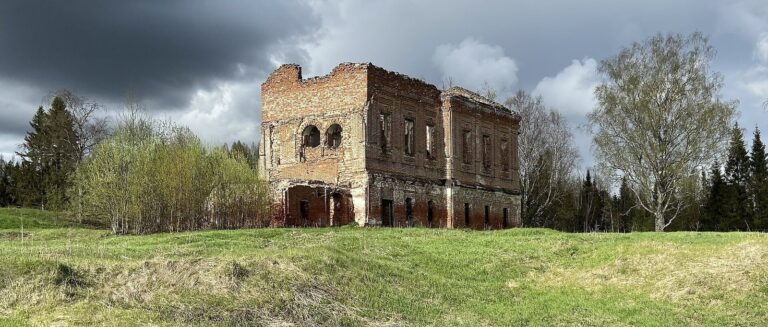
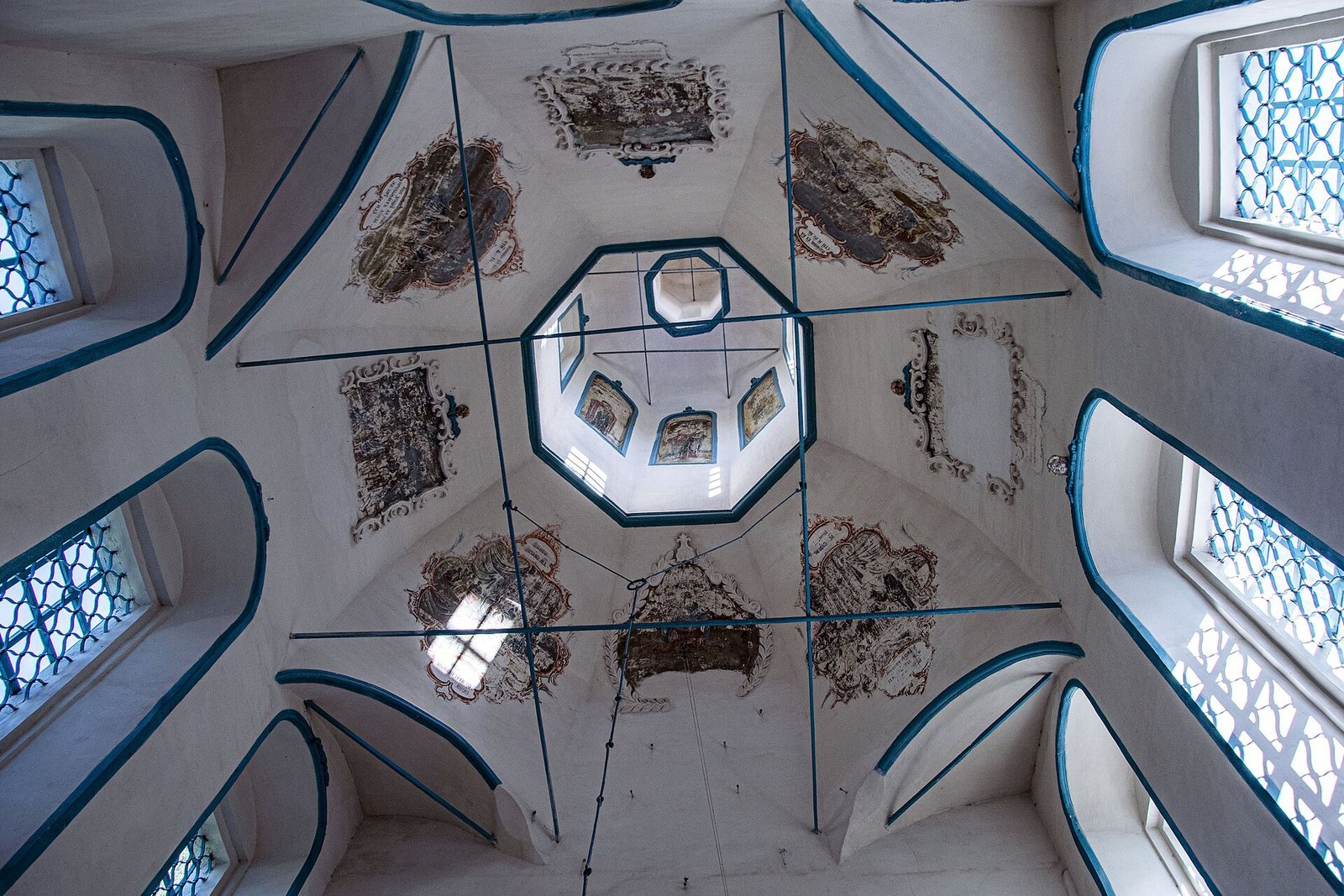
The monastery stood on the bank of the Luza River, with the Church of the Mother of God as its principal church. The site’s architecture is described as Ustyug Baroque. Built shortly before the monastery’s suppression, the church still serves as a parish church. A fragment of Saint Leonid’s hairshirt was kept at the monastery.