Udayagiri Fort: A Travancore Military Stronghold in Tamil Nadu
Site at a Glance
- Popularity
- High
- Country
- India
- Primary era
- Early Modern
- Eras represented
- Early Modern, Modern
- Civilizations
- Unclassified
- Site type
- Military
- Remains
- Fort
On this page8 sections
History
Udayagiri Fort, at Puliyoorkurichi in Thuckalay, Tamil Nadu, India, was a Travancore military stronghold first built in the seventeenth century and rebuilt between 1741 and 1744. While Padmanabhapuram served as the kingdom’s capital, the fort functioned as the rulers’ most important military barracks.
Rebuilding and military service
The rebuilding took place under Maharaja Marthanda Varma of Travancore. Eustachius De Lannoy, a Flemish naval commander of the Dutch East India Company, a chartered Dutch trading company with overseas military forces, supervised the work. He later became chief of the Travancore Army.
The fort held prisoners captured during the campaign against Tipu Sultan, ruler of Mysore in southern India. Troops of the English East India Company, a British chartered company with military and political power in India, were stationed there until the middle of the nineteenth century. A foundry was also established inside the fort under the supervision of its resident General.
Later custodianship and protection
A Maharaja of Travancore later gave the fort to Sree M. K. Kesava Pillai, a Divan Peshkar, a high-ranking administrative official in Travancore. Pillai and his wife cared for the property until the Tamil Nadu government acquired it for social forestry. A legal challenge to the acquisition remains pending in Chennai.
The Tamil Nadu Forest Department has converted the fort into a biodiversity park. Historically important areas within it remain protected archaeological sites under the Archaeological Department of India.
Remains
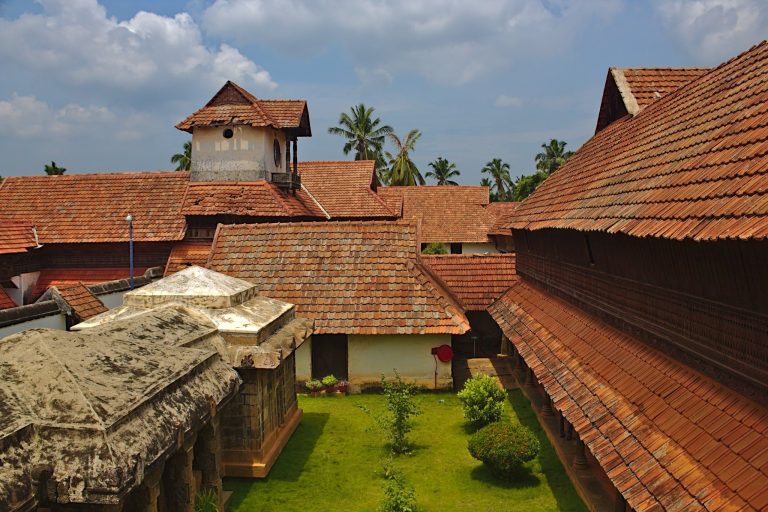
The fort covers about 90 acres (36 hectares) and includes an isolated hillock about 260 feet (79 metres) high. Massive granite blocks form walls around the hillock.
Foundry and tunnel
An old foundry within the fort was used to cast guns, mortars, and cannonballs. Archaeology Department officials have also found a tunnel within the fort.
Burial structures
De Lannoy’s chapel and tomb
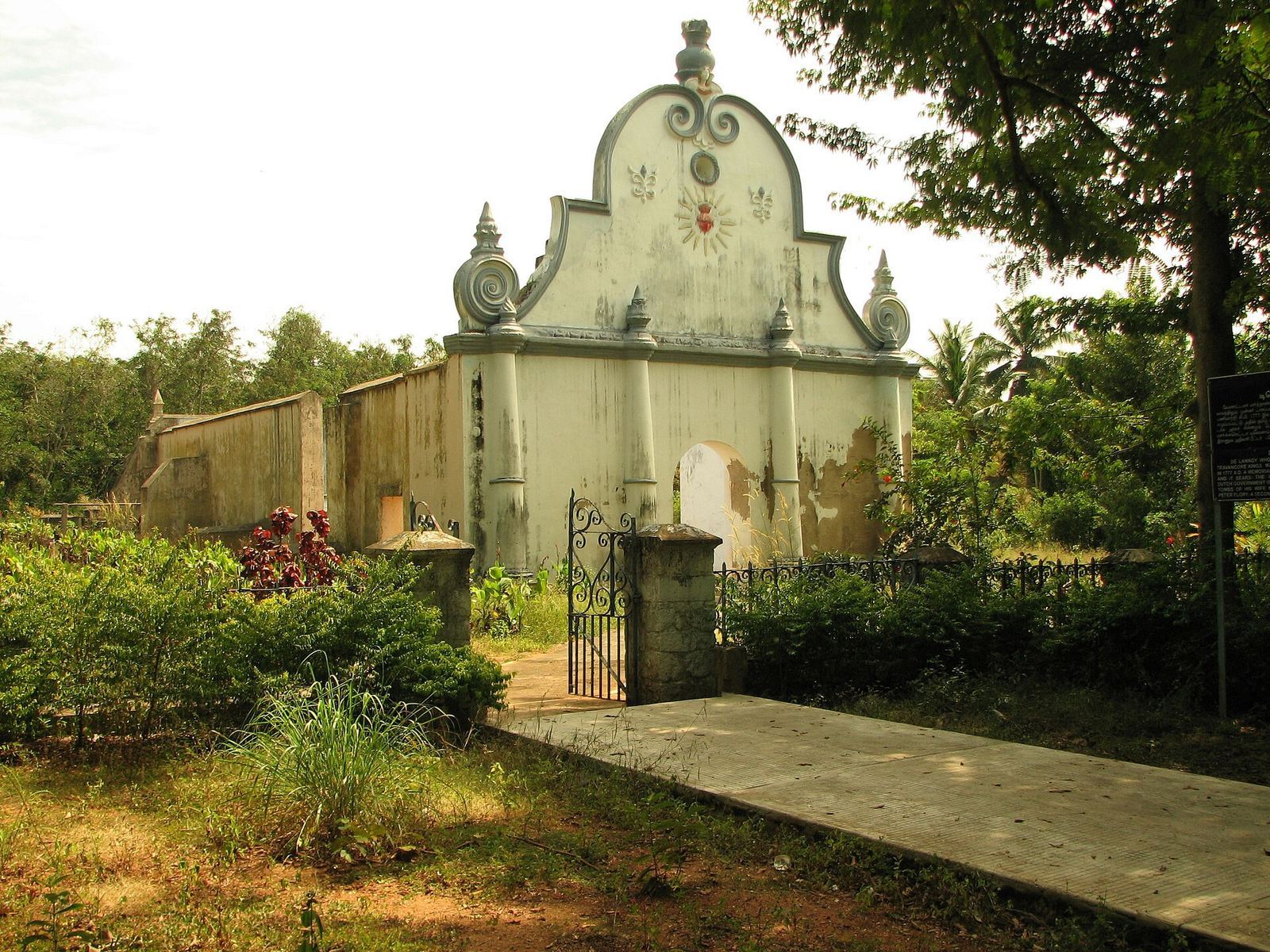
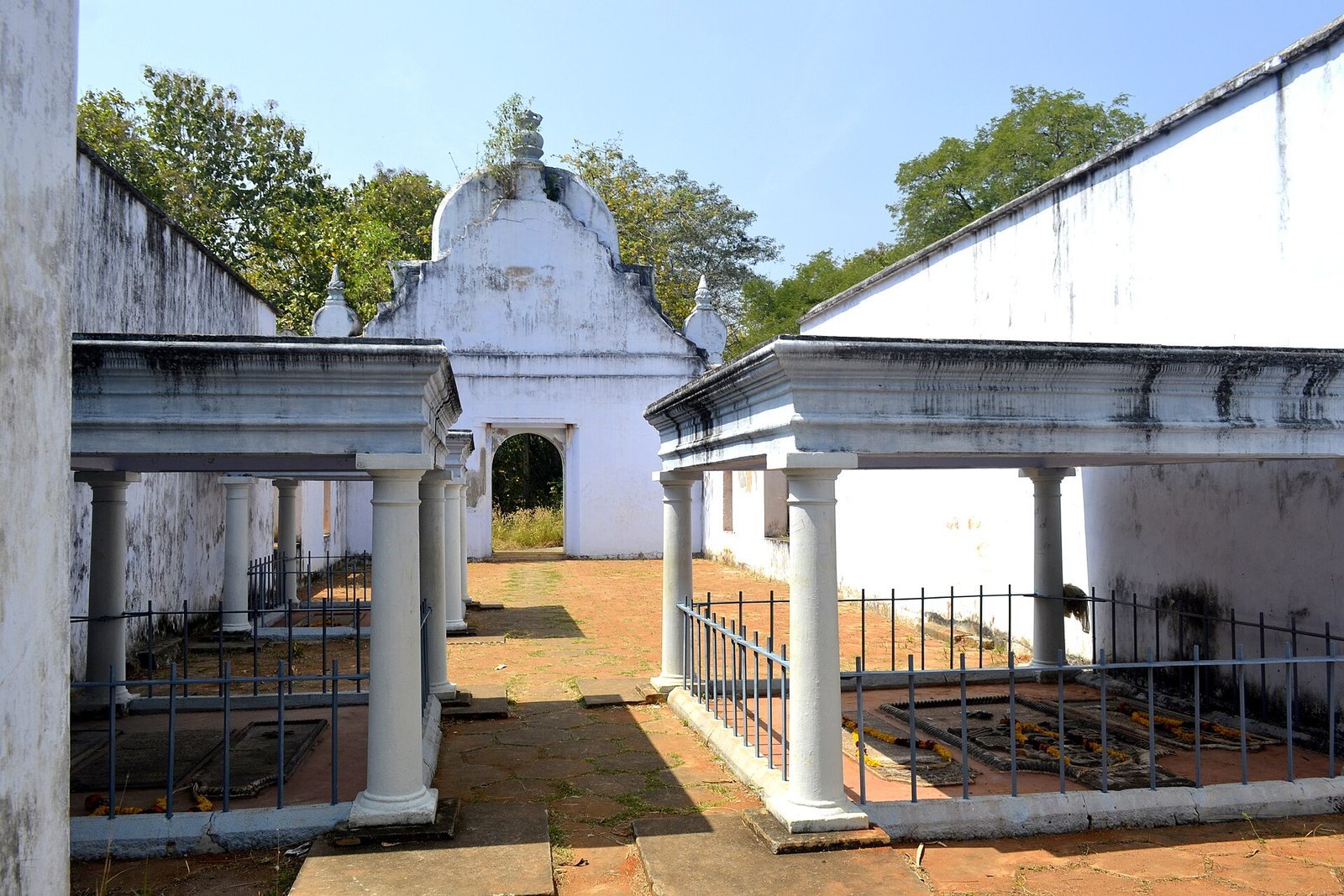
A partly ruined chapel stands where De Lannoy was buried. His tombstone remains within its walls, bearing inscriptions in Tamil and Latin. His wife and son were buried beside him. In his honor, the fort was once called Dillanai Kottai, meaning “De Lannoy’s Fort.”
Tombs of M. K. Kesava Pillai and L. Gourikutty Amma
Two further tombs commemorate M. K. Kesava Pillai, who died in 1968, and his wife, L. Gourikutty Amma, who died on 19 July 1971.